
You may already love minimalism. However, if your home still feels cold or lacking warmth, Japandi interior design might be exactly what you need. This stunning style combines the best of Japanese aesthetics and Scandinavian design into one cohesive, calm approach. Small Living Room Design Furthermore, it creates spaces that feel intentional, warm, and deeply peaceful. In addition, Japandi works for almost any home big or small, old or new. Throughout this guide, you will learn everything about this trend: what it is, how it works, and how you can bring it into every room of your home. Therefore, keep reading to discover one of the most beautiful interior styles of 2025.
What Is Japandi Interior Design?
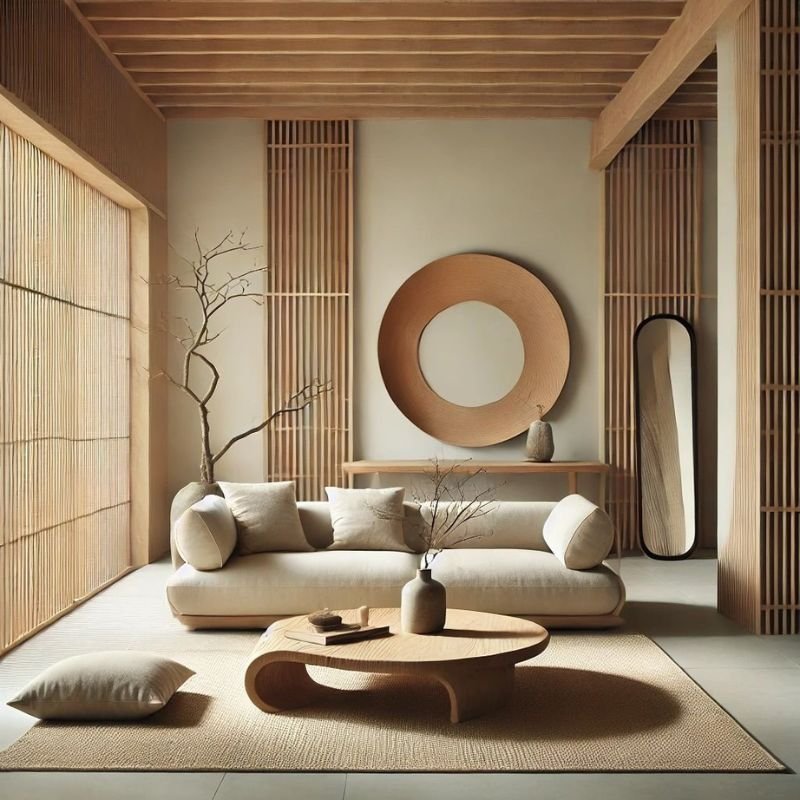
Japandi interior design is a design philosophy that merges two of the world’s most beloved minimalist traditions Japanese aesthetics and Scandinavian design. The word “Japandi” itself combines “Japan” and “Scandi.” Moreover, both cultures share a deep appreciation for simplicity, function, and natural materials. However, each brings something unique to the blend. Japanese design contributes wabi sabi philosophy the acceptance of imperfection and the beauty of the natural. Scandinavian design, on the other hand, adds the concept of hygge a warm, cozy, and inviting atmosphere. As a result, Japandi creates interiors that feel both structured and soft at the same time. Consequently, you get a home that looks effortlessly beautiful and feels genuinely comfortable to live in every day.
Key Elements of Japandi Interior Design
Understanding the core elements helps you apply this style with confidence. Furthermore, each element works together to create a unified and harmonious result.
Neutral Color Palette
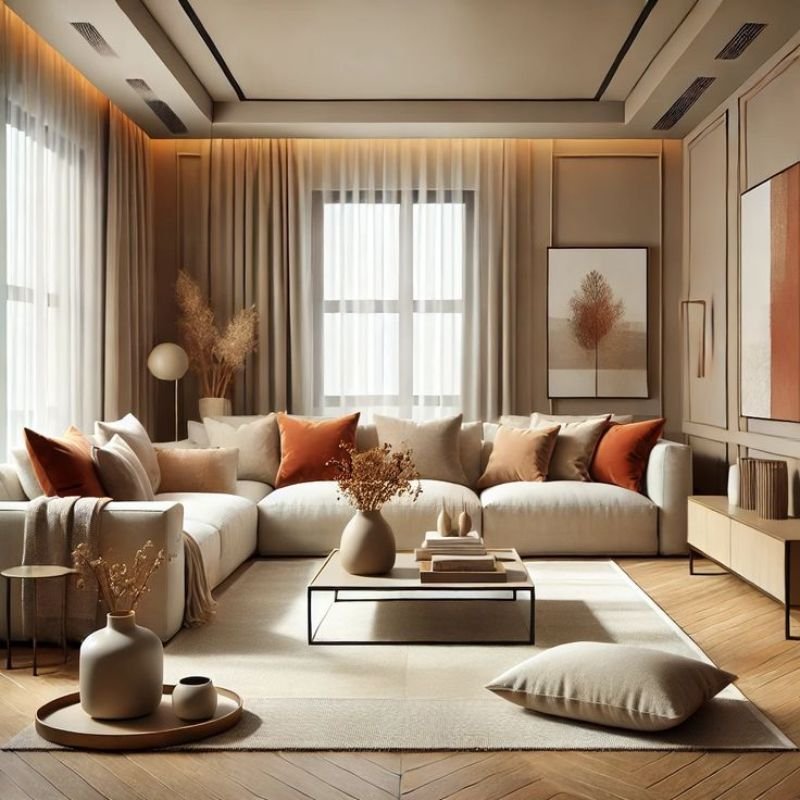
Japandi style relies on muted, earthy tones. Therefore, you should choose colors like warm whites, soft beiges, charcoal grays, and deep terracotta. These neutral tones create calm living spaces without feeling sterile or lifeless. Moreover, you can add depth by layering different shades of the same color family throughout a room.
Natural Materials
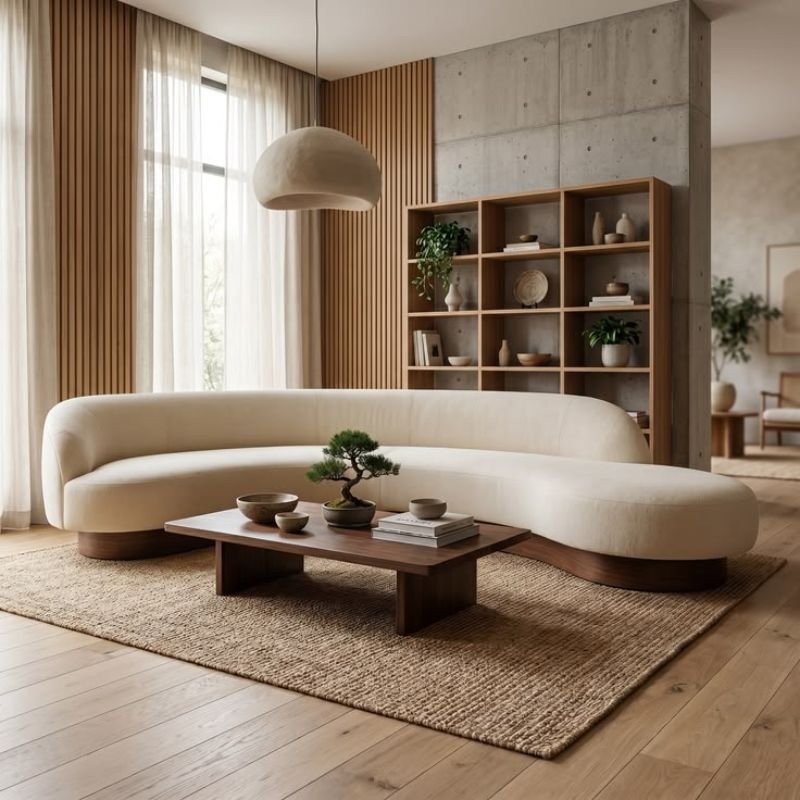
Natural materials form the backbone of this style. As a result, you will notice a lot of raw wood, bamboo, linen, cotton, and stone in Japandi homes. These materials connect you to the natural world and add warmth to your space. Furthermore, imperfect textures a slightly uneven clay pot, a knotted wood surface add character and life to the room.
Minimalist Interior Approach
Japandi interior design removes everything unnecessary. However, unlike stark minimalism, it never feels unwelcoming. Instead, every object you keep has a clear purpose. Therefore, decluttering becomes a key step before you start decorating in this style. As a result, your home gains breathing space and so do you.
Functional Furniture
Every piece of furniture in a Japandi home must earn its place. Consequently, you will find low profile sofas, simple wooden tables, and multi purpose storage pieces throughout these interiors. Moreover, the furniture focuses on clean lines and quiet craftsmanship. In addition, handmade or artisanal pieces fit perfectly because they carry a story and a soul.
Wabi Sabi Philosophy
Wabi sabi is the Japanese concept of finding beauty in imperfection. Therefore, Japandi design actively embraces worn edges, handmade irregularities, and organic shapes. Furthermore, this philosophy removes the pressure to make your home look perfect. Instead, it encourages authenticity. As a result, your space feels personal and alive rather than like a showroom.
How to Apply Japandi Interior Design in Your Home
Now that you understand the elements, it is time to put them into practice. Furthermore, you can start small even one room transformation makes a significant difference.
Living Room
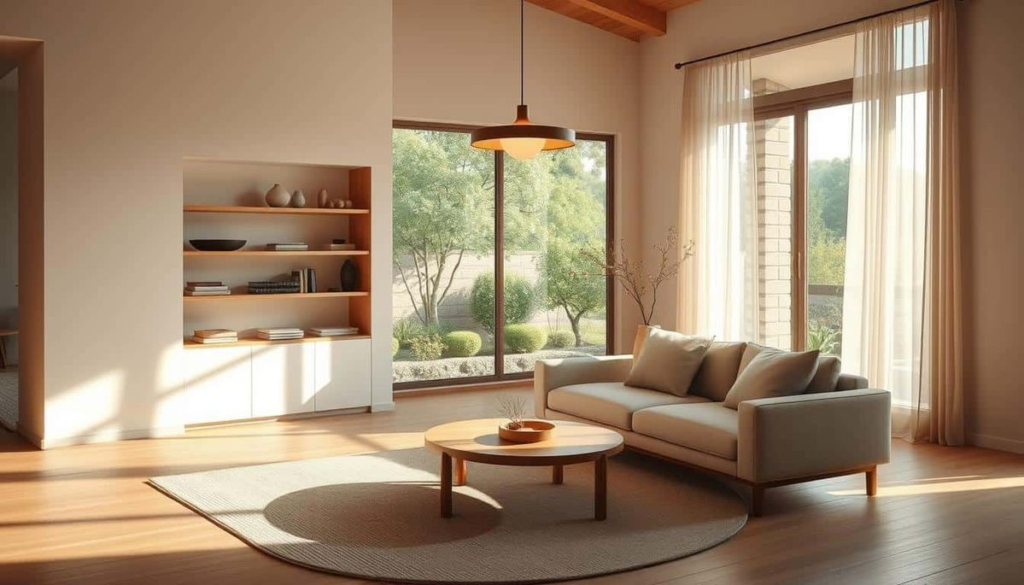
Start with your sofa. Choose a low profile piece in a muted tone soft gray or warm oatmeal works beautifully. Then, add a wooden coffee table with clean lines. Moreover, layer a natural jute or wool rug underneath to anchor the space. Keep shelving minimal and only display a few meaningful objects. In addition, add a single potted plant a tall fiddle leaf fig or a simple monstera adds life without clutter. Finally, use warm toned lighting with exposed bulbs or rattan shades to create a cozy glow in the evenings.
Bedroom
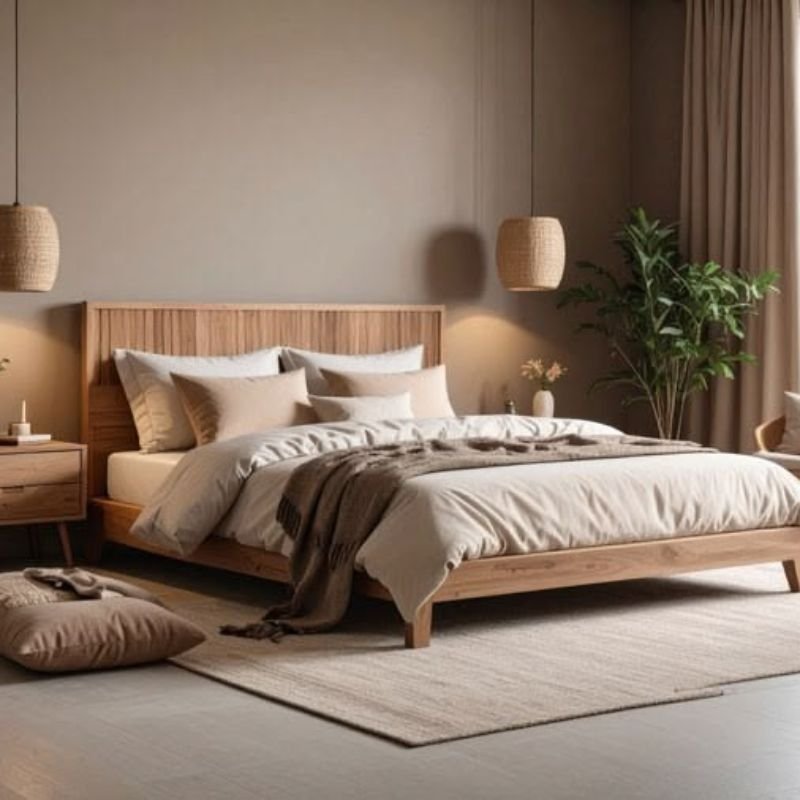
The bedroom is where Japandi interior design truly shines. Therefore, start with a platform bed in natural wood low to the ground and simple in structure. Choose linen bedding in soft whites or warm gray tones. Furthermore, limit your bedside accessories to just two or three items: a lamp, a small plant, and a book. In addition, use blackout linen curtains in a neutral shade to block light while maintaining the soft, natural aesthetic. Consequently, you will create a bedroom that genuinely encourages rest and calm.
Kitchen
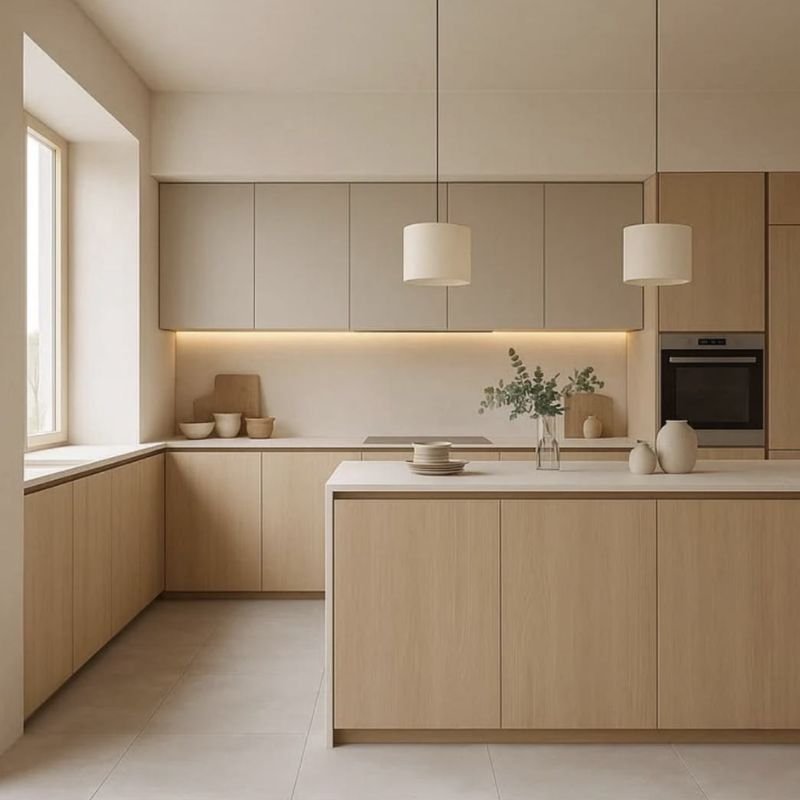
Luxury Kitchen Design Apply Japandi principles in the kitchen by choosing handleless cabinetry in white, soft sage, or warm wood tones. Moreover, keep countertops clear store everything inside cabinets to maintain a clean surface. Use open shelving to display only the items you use regularly. In addition, choose ceramic dishes and handmade pottery to add wabi sabi warmth. Furthermore, bring in a small herb plant on the windowsill for a touch of nature in your daily routine.
Why Japandi Interior Design Is Trending in 2025
The popularity of Japandi interior design continues to grow in 2025 for very clear reasons. First, people feel overwhelmed by fast-paced, overcrowded lives. Therefore, they actively seek calm and order in their homes. Furthermore, sustainability matters more than ever to modern homeowners. As a result, the emphasis on natural materials and long-lasting craftsmanship in Japandi design aligns perfectly with eco conscious values. Moreover, the style works across a wide range of budgets you do not need expensive furniture to achieve the look. In addition, social media platforms like Pinterest and Instagram continue to drive interest as more people discover and share Japandi spaces. Consequently, interior designers across the world now list it as their most equested aesthetic. Furthermore, mental health awareness has increased the desire for peaceful, restorative home environments. Therefore, Japandi delivers exactly what modern life demands beauty, calm, and purpose.
Common Mistakes to Avoid in Japandi Interior Design
Even with the best intentions, you can miss the mark with this style. However, awareness of common mistakes helps you avoid them entirely.
Adding too many decorative items. Japandi design values restraint above all else. Therefore, resist the urge to decorate every surface. Instead, choose three to five meaningful pieces per room and let them breathe.
Using cold or stark whites. Pure white feels sterile and conflicts with the warmth that Japandi requires. Instead, choose off whites, warm ivories, or creamy tones that feel inviting and soft.
Buying cheap, mass produced furniture. Japandi celebrates craftsmanship and quality. Consequently, one well made wooden chair says more than a room full of trendy flat pack furniture.
Ignoring texture. In a neutral room, texture becomes your most important design tool. Therefore, layer linen cushions, a wool throw, a rattan lamp, and a wood grain surface to add depth and interest.
Mixing too many wood tones. Rooms for Rent Near Me While natural wood is essential to this style, too many different shades create visual chaos. As a result, stick to one or two complementary wood tones throughout your space for a cohesive look.
Frequently Asked Questions
Q: What is Japandi interior design?
A: Japandi interior design is a hybrid style that blends Japanese minimalism and wabi sabi philosophy with the warm, cozy elements of Scandinavian design.
Q: How is Japandi different from Scandinavian design?
A: While Scandinavian design focuses on cozy comfort and light filled spaces, Japandi adds the Japanese wabi-sabi philosophy, introducing deeper earthiness, imperfection, and quiet restraint.
Q: What colors work best in Japandi interior design?
A: The best colors for Japandi are muted, earthy neutrals such as warm white, soft beige, charcoal gray, terracotta, and sage green.
Q: Is Japandi interior design expensive to achieve?
A: No Japandi prioritizes fewer, high-quality pieces over many items, so you can achieve the look on a range of budgets by shopping mindfully.
Q: Can I mix Japandi with other interior design styles?
A: Japandi pairs best with other minimalist styles, but mixing it with maximalist or heavily ornate aesthetics will disrupt the calm, balanced harmony the style depends on.
Conclusion
Your home deserves to feel like a place of genuine peace. Therefore, if you want a space that looks beautiful, functions perfectly, and promotes calm, Japandi interior design is the answer. Moreover, this style does not demand a complete renovation or a massive budget. Instead, it asks you to choose intentionally, simplify boldly, and appreciate natural beauty in its most honest form. Furthermore, every change you make a new linen cushion, a wooden lamp, a cleared-off shelf moves you closer to a home that truly reflects who you are. Consequently, start small, stay consistent, and let the Japandi philosophy guide every decision you make. In addition, remember that this style is about progress, not perfection. Therefore, take your first step today and experience the remarkable difference that Japandi interior design can make in your everyday life.