
Step inside any Chinese Kitchen and you immediately feel something different. The sizzle of a hot wok, the steam rising from bamboo baskets, the smell of ginger and garlic hitting hot oil it all tells a story of a culinary tradition that spans thousands of years. Kitchen Decor People across the world fall in love with Chinese food every single day, and it all begins right here, in the kitchen.
However, the Chinese kitchen is not just about cooking food. It carries culture, history, and deep wisdom about nourishment. Therefore, if you want to truly understand this cuisine, you must first understand the space where it comes alive. Once you grasp the basics, cooking authentic Chinese dishes at home feels far easier than most people expect.
Why the Chinese Kitchen Is Truldy Unique
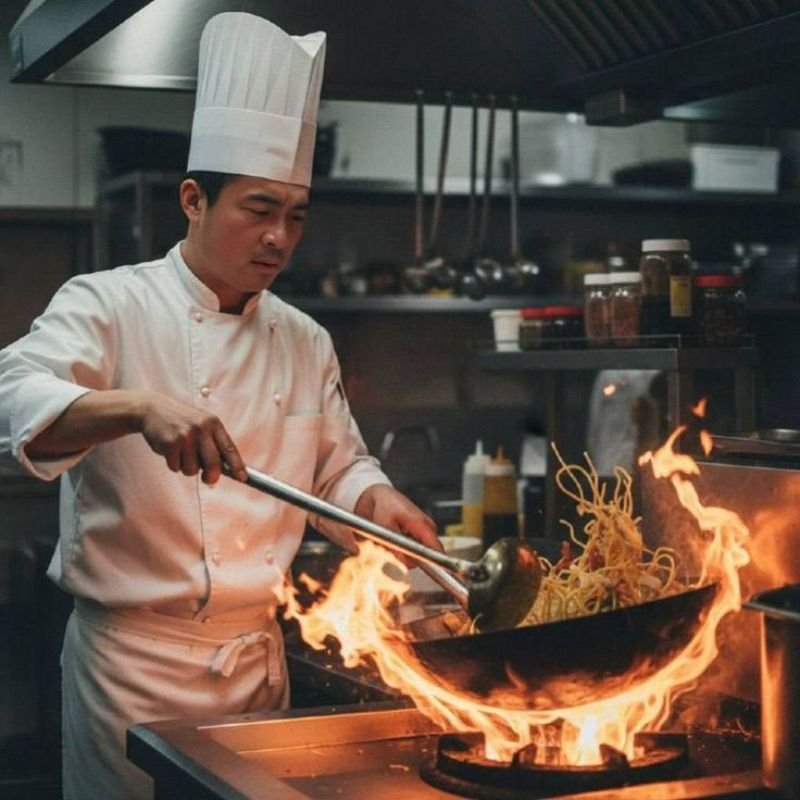
Most kitchens around the world focus on a single heat source and a handful of techniques. The Chinese kitchen, however, takes a completely different path. Every dish builds around the idea that food must nourish the body, please the senses, and reflect the season all at once.
Furthermore, Chinese cooks treat heat as an ingredient itself. They control the flame deliberately raising it for a quick stir fry, lowering it for a slow braise, and using steam as a gentle, nutrient preserving force. Consequently, the same kitchen produces a light, delicate steamed fish and a rich, deeply spiced braised pork belly without skipping a beat.
Nothing goes to waste in a traditional Chinese kitchen either. Vegetable scraps become broths, leftover rice transforms into congee, and day-old bread finds new life in savory stuffings. As a result, this tradition teaches resourcefulness alongside flavor a combination that makes it truly one of a kind.
Tools Every Chinese Kitchen Must Have
Walk into any authentic Chinese kitchen and you will find the same core set of tools. These items are simple, affordable, and incredibly effective. Here is what every serious home cook needs:
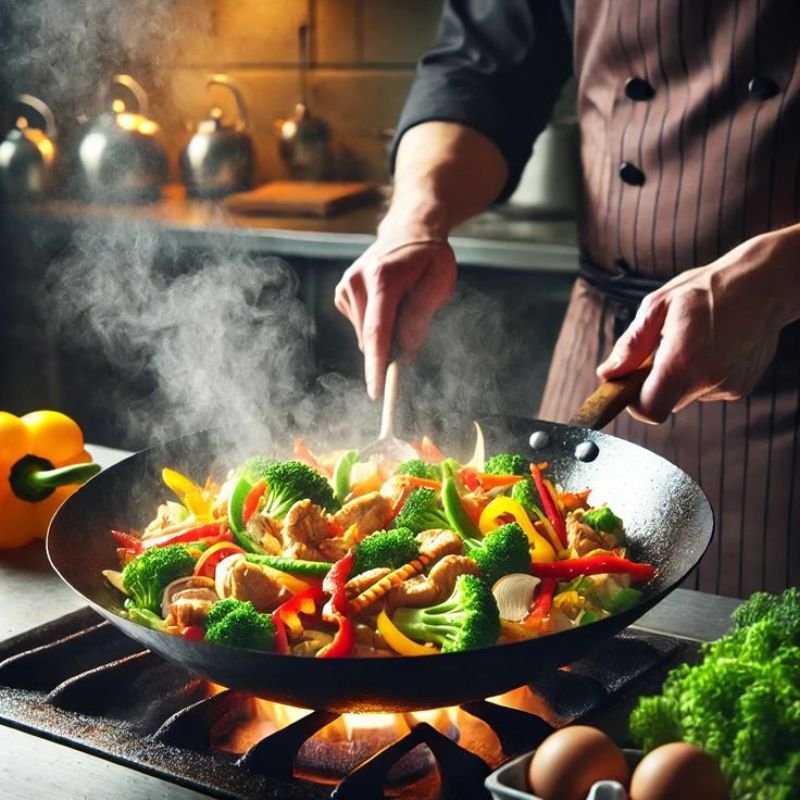
- Carbon Steel Wok: This is the crown jewel of the Chinese kitchen. Its sloping sides and thin walls heat up fast, creating the legendary “wok hei” a smoky, charred aroma that no other pan can replicate.
- Bamboo Steamer Basket: Stacked layers allow cooks to steam multiple dishes at once. Dumplings, sticky rice, and fish all come out perfectly tender inside these baskets.
- Chinese Cleaver (Caidao): This rectangular blade chops, slices, scoops, and smashes with equal precision. One tool replaces an entire knife block.
- Clay Pot (Sha Guo): Slow cooked soups, braises, and rice dishes develop a unique depth of flavor inside these traditional earthenware pots.
- Long Chopsticks: Used for cooking, not just eating. Long chopsticks stir, flip, and plate food safely over high heat.
- Ladle and Wok Spatula Set: These two tools work together in every stir fry, helping cooks toss and scoop ingredients smoothly without losing a single piece.
In addition, a rice cooker is non negotiable for perfect, fluffy results every time. However, among all these tools, the wok holds the top position. Master the wok and you unlock the full power of authentic cooking.
Stocking Your Pantry the Right Way
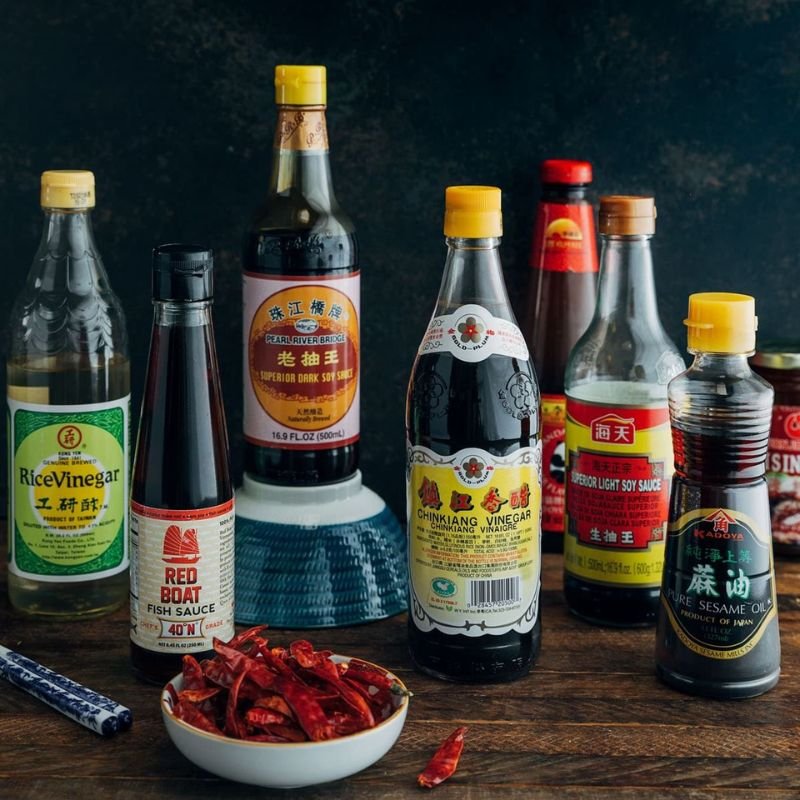
The flavor identity of the Chinese kitchen lives in its pantry. Rustic Home Decor A well stocked pantry means you can cook almost anything at a moment’s notice. These are the ingredients every home cook needs on hand:
Sauces That Build Every Dish
Soy sauce sits at the center of everything. Light soy sauce seasons and flavors daily dishes, while dark soy sauce adds rich color and subtle sweetness to braises and noodle recipes. Meanwhile, oyster sauce delivers a savory, slightly sweet richness that lifts vegetables, meats, and tofu alike.
Furthermore, Shaoxing rice wine brings a warm, nutty depth to marinades and stir fries. Hoisin sauce works as both a glaze and a dipping base, particularly in roasted meat dishes. Chili oil, on the other hand, adds heat and aroma in a single drizzle making it one of the most versatile condiments you can keep on your shelf.
Dried Ingredients Worth Keeping
Dried ingredients play a huge role in Chinese cooking. Shiitake mushrooms, wood ear fungus, and lily buds all rehydrate into rich, meaty additions for soups and braises. Moreover, dried tangerine peel adds a citrusy bitterness to slow cooked dishes that fresh peel simply cannot match.
For example, a classic Buddha’s Delight a vegetarian stew served during Chinese New Year relies entirely on dried pantry staples to build its complex, layered flavor. Keeping a small collection of these ingredients consequently expands your cooking range by a wide margin.
Techniques That Deliver Real Results
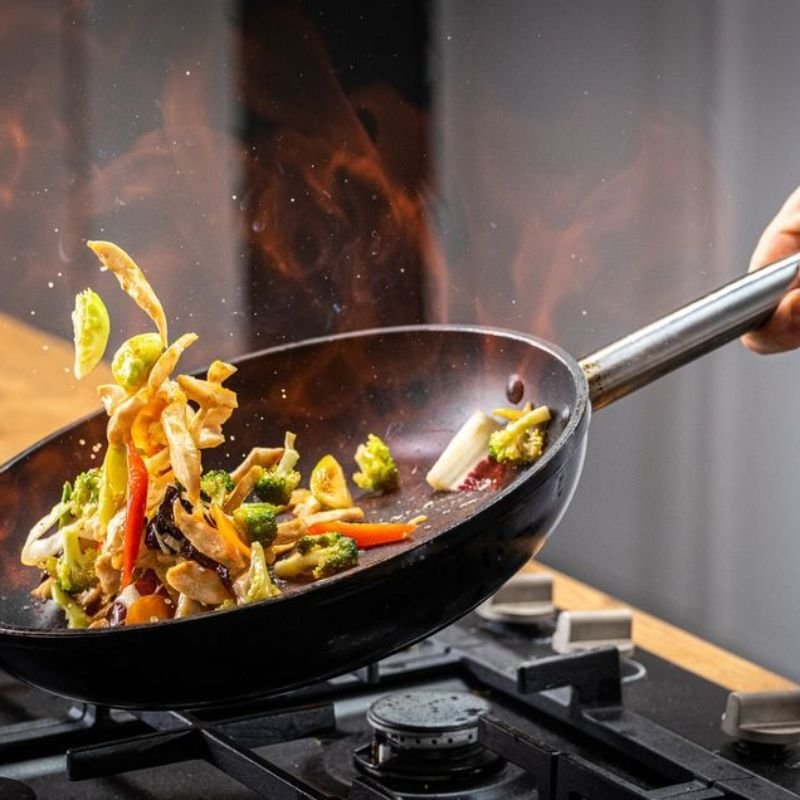
Every great dish starts with the right method. The Chinese kitchen brings together a wide variety of cooking techniques under one roof, and each one produces a different texture, flavor, and appearance:
- Wok Hei Stir Frying: Cooks use screaming hot oil and constant motion to sear ingredients in seconds. This creates a slightly smoky, caramelized crust on meat and vegetables that defines the flavor of Chinese classics.
- Red Braising (Hong Shao): Ingredients simmer slowly in soy sauce, sugar, Shaoxing wine, and spices. The liquid reduces into a glossy, deeply flavored sauce that coats every piece perfectly.
- Velveting: Cooks marinate protein in cornstarch, egg white, and rice wine before cooking. This technique creates the impossibly silky, tender texture you find in restaurant quality dishes.
- Smoke Roasting (Xun): Tea leaves, rice, and sugar smoke inside a covered wok to infuse proteins with rich, aromatic flavor without using an oven.
- Double Boiling (Dun): Ingredients cook inside a sealed container placed in boiling water. This gentle method preserves delicate flavors and nutrients in soups and herbal broths.
Therefore, even mastering just stir frying and red braising gives you access to dozens of iconic recipes right away. Both techniques together cover the majority of dishes that define this beloved cuisine. Moreover, building from there feels natural and rewarding every step of the way.
A Tour of China’s Regional Flavors
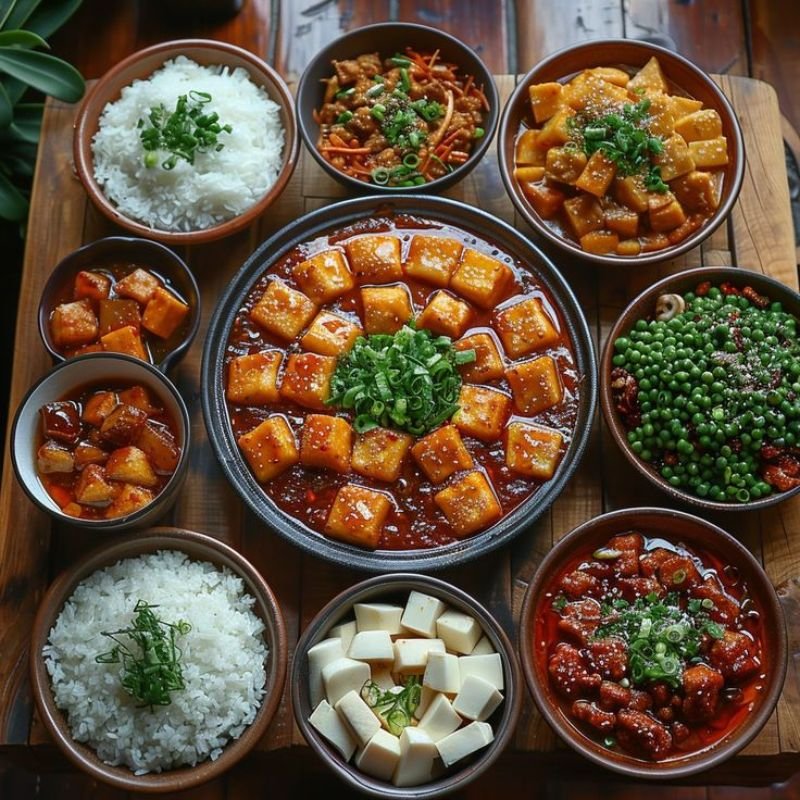
China stretches across an enormous geographic area, and each region developed its own distinct cooking culture. In contrast to the single “Chinese food” label that many people use, authentic cuisine is actually a family of eight major regional traditions:
- Cantonese Style: Celebrates freshness above everything else. Sauces stay light, ingredients stay seasonal, and the natural flavor of each component shines through.
- Sichuan Style: Builds heat and numbing sensation using dried chilies and Sichuan peppercorns. Bold, aggressive, and deeply aromatic this is the spiciest major regional style.
- Fujian Style: Known for umami rich broths, seafood specialties, and a distinct red wine lees paste that adds fermented depth unlike anything else.
- Zhejiang Style: Focuses on freshwater fish, bamboo shoots, and a slightly sweet, refined approach that reflects the region’s lush landscape.
- Anhui Style: Uses wild herbs, mountain vegetables, and slow cooked techniques to produce rustic, earthy, deeply comforting dishes.
As a result, exploring different regional styles turns your cooking into an endless adventure. Each tradition teaches a completely new set of flavor principles, and furthermore, that knowledge makes you a more skilled and creative cook overall.
Setting Up Your Chinese Kitchen at Home
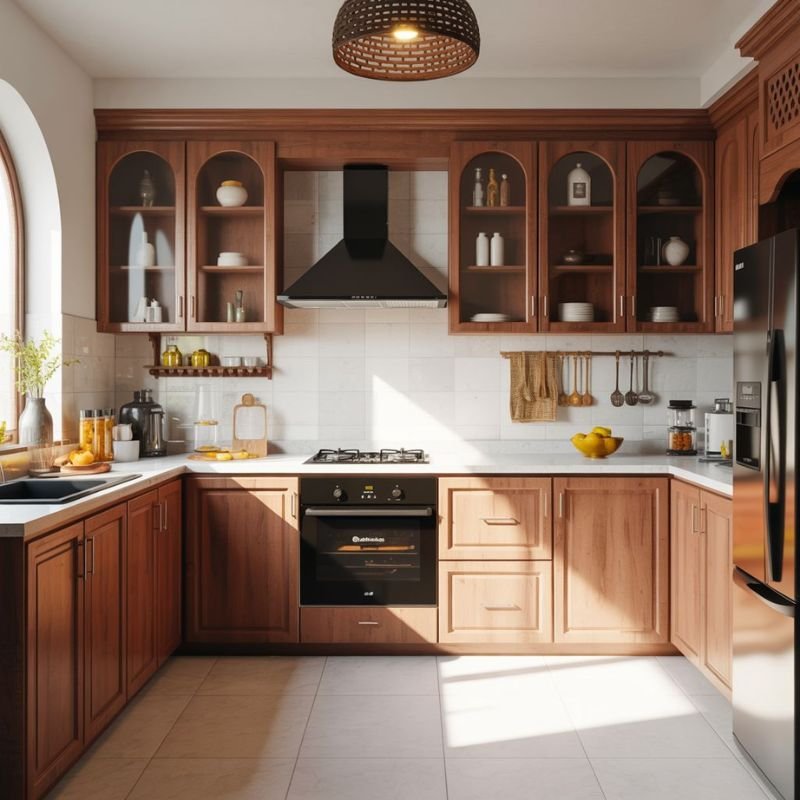
You do not need a professional setup to cook great food at home. Living Room Art A few smart purchases and a stocked pantry get you started immediately. Here is exactly how to build your Chinese kitchen step by step:
- Step 1 Invest in a 14 inch carbon steel wok: Season it properly with oil and heat, and it will last a lifetime while delivering unmatched cooking performance.
- Step 2 Build your sauce shelf: Pick up light soy sauce, dark soy sauce, oyster sauce, sesame oil, Shaoxing wine, and chili oil. These six bottles cover 80% of all recipes.
- Step 3 Practice three foundational dishes: Egg fried rice teaches wok control. Steamed fish teaches restraint and timing. Red braised pork belly teaches patience and sauce reduction.
- Step 4 Add dried pantry items gradually: Start with dried shiitake mushrooms and expand your collection as you explore new recipes over time.
Consequently, within one month of regular cooking, your skills will grow faster than you expect. Friends and family will immediately notice the difference in every dish you serve. In addition, the confidence you build carries over into every other style of cooking you attempt afterward.
Conclusion
The Chinese Kitchen is a world unto itself rich with history, overflowing with technique, and endlessly rewarding for anyone willing to explore it. It teaches balance, patience, resourcefulness, and the art of transforming simple ingredients into extraordinary meals.
Therefore, do not wait to get started. Pick up a wok, grab a bottle of soy sauce, and cook your first authentic dish today. Discovering why the Chinese kitchen has captured hearts and appetites around the world for centuries is a journey worth starting right now.
FAQs
Q1: What is “wok hei” and why does every Chinese kitchen need it?
Wok hei is the smoky, charred aroma that a super-hot wok creates, giving stir-fried dishes their signature restaurant-quality flavor.
Q2: Do I need special equipment to set up a Chinese kitchen at home?
No a carbon steel wok, a bamboo steamer, and a basic sauce collection are all you truly need to begin.
Q3: What is the velveting technique used in the Chinese kitchen?
Velveting means marinating protein in cornstarch and egg white before cooking to create an exceptionally tender, silky texture.
Q4: How does the Chinese kitchen handle vegetarian cooking?
Tofu, dried mushrooms, bamboo shoots, and fermented ingredients build deep, satisfying flavors without any meat at all.
Q5: Which regional style should beginners explore first?
Cantonese cooking is the best starting point because its light sauces and fresh ingredients make techniques easy to learn and balance.