
Every business space tells a story. When clients or customers walk through your door, they immediately form an impression. Commercial interior design plays a powerful role in shaping that impression. Living Room Storage It goes far beyond choosing furniture or picking wall colors. Good commercial design blends function, brand identity, and aesthetics into one cohesive environment. Furthermore, it directly influences employee productivity and customer satisfaction. Whether you run an office, a retail store, or a restaurant, investing in professional commercial interior design gives your business a serious competitive edge.
What Is Commercial Interior Design?
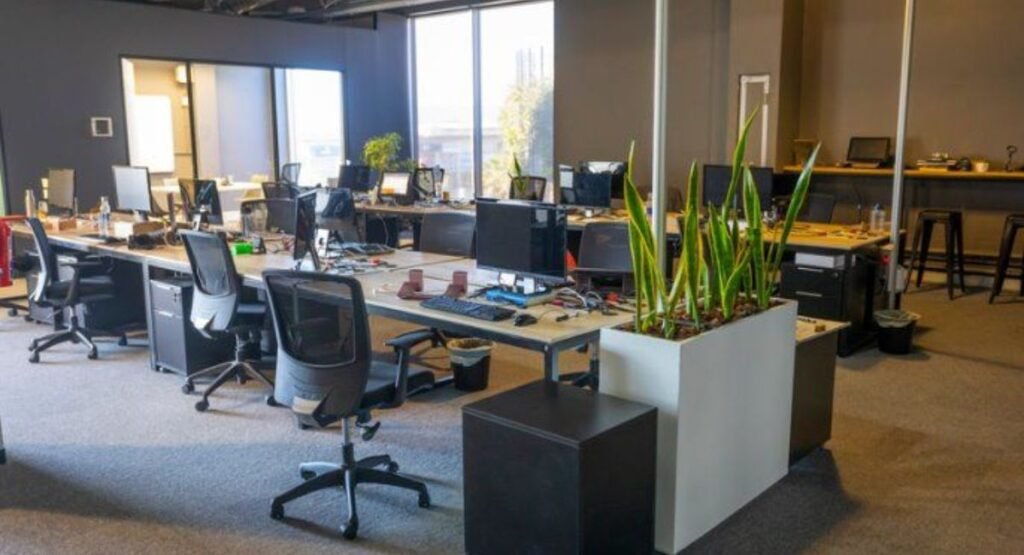
Commercial interior design focuses on designing spaces used for business purposes. These spaces include offices, retail stores, restaurants, hotels, clinics, and corporate lobbies. Unlike residential design, commercial design must meet stricter requirements. It must balance visual appeal, safety codes, and practical functionality all at once.
In addition, commercial spaces often serve a wide variety of people every day. Therefore, designers must think carefully about traffic flow, accessibility, and durability. A well designed commercial space works hard for the business it supports operations, reinforces the brand, and creates a positive experience for everyone who enters.
Key Differences Between Commercial and Residential Design
Residential design focuses on personal comfort and style. Commercial design, however, must serve both the brand and its users. Here are the main differences:
- Commercial spaces follow building codes and ADA compliance rules
- Durability matters more materials must withstand heavy daily use
- Brand identity guides every design decision in commercial spaces
- Commercial projects involve larger budgets and bigger teams
- Functionality and efficiency take priority alongside aesthetics
Why Commercial Interior Design Matters for Your Business
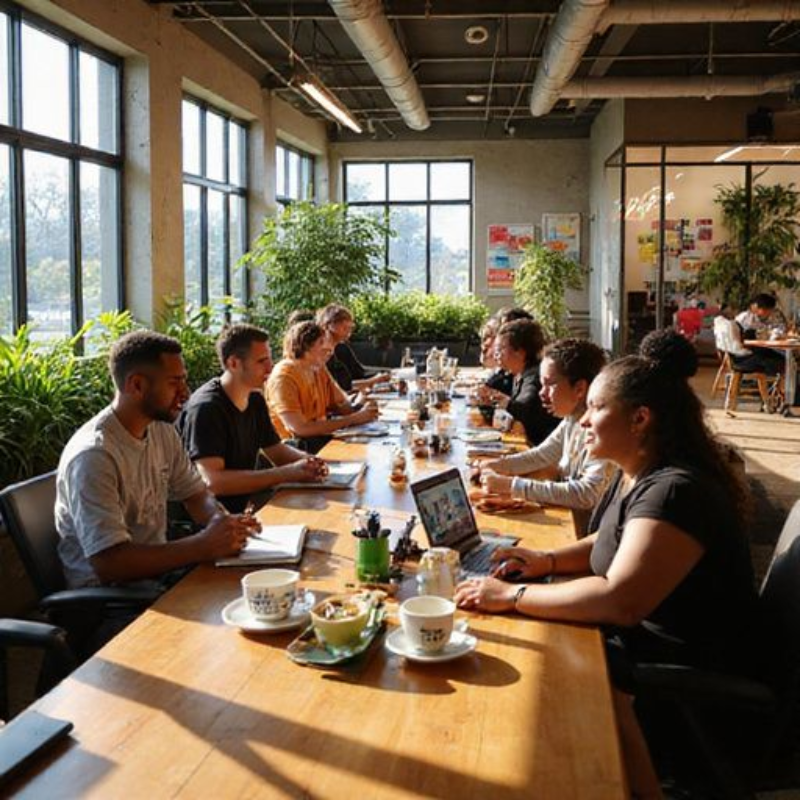
Many business owners underestimate the impact of their physical space. However, research consistently shows that workspace design directly affects how people think, feel, and perform. A poorly designed office leads to distractions, low morale, and high turnover. On the other hand, a thoughtfully designed space boosts focus, creativity, and team collaboration.
Moreover, your space speaks to your clients before you even say a word. A polished, professional environment signals that your business values quality. As a result, clients feel more confident in your services. This is especially true for client facing businesses like law firms, design agencies, and medical practices.
Impact on Employee Productivity
Employees spend most of their working hours in your space. Therefore, the design of that space directly shapes their daily experience. Good commercial space planning improves natural light, reduces noise, and creates comfortable work zones. Furthermore, ergonomic furniture reduces physical strain and keeps your team energized throughout the day.
In addition, a well organized layout reduces friction between departments. For example, placing collaborative zones near creative teams encourages spontaneous idea sharing. Finally, break rooms and relaxation areas help employees recharge and return to work with fresh energy.
Impact on Customer Experience
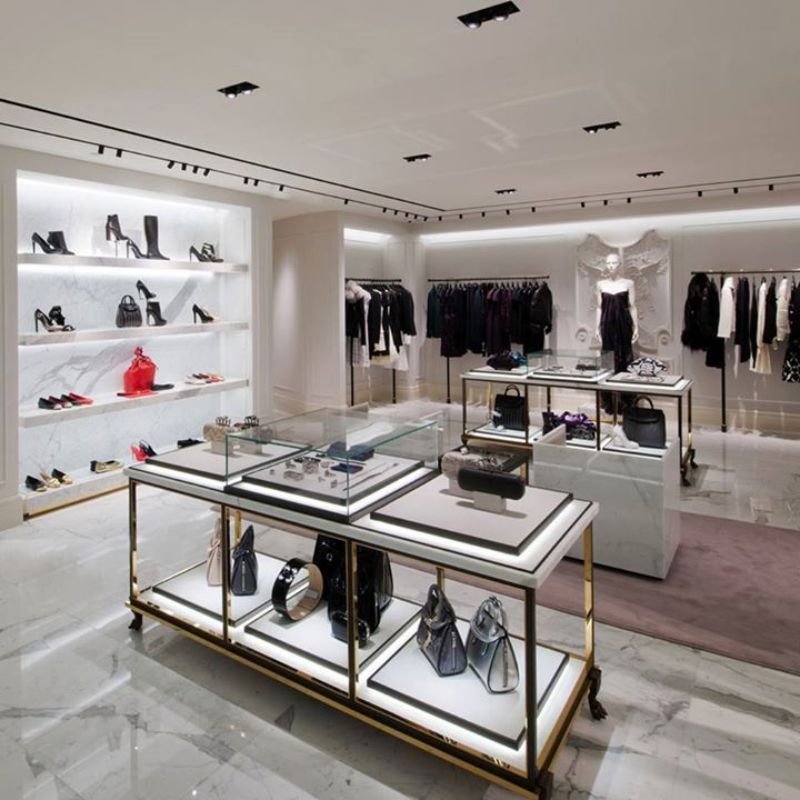
For retail stores and restaurants, retail interior design directly influences how long customers stay and how much they spend. Studies show that customers linger longer in well esigned spaces. Bathroom Art Furthermore, a positive environment encourages repeat visits and word of mouth recommendations.
Therefore, investing in commercial interior design is not just an expense it is a revenue generating strategy. A smart layout guides customers through your space naturally, highlighting key products and creating a seamless shopping or dining experience.
Types of Commercial Interior Design Spaces
Commercial interior design covers a wide range of business environments. Each type comes with unique challenges and design goals. Here are the most common types:
1. Office Interior Design
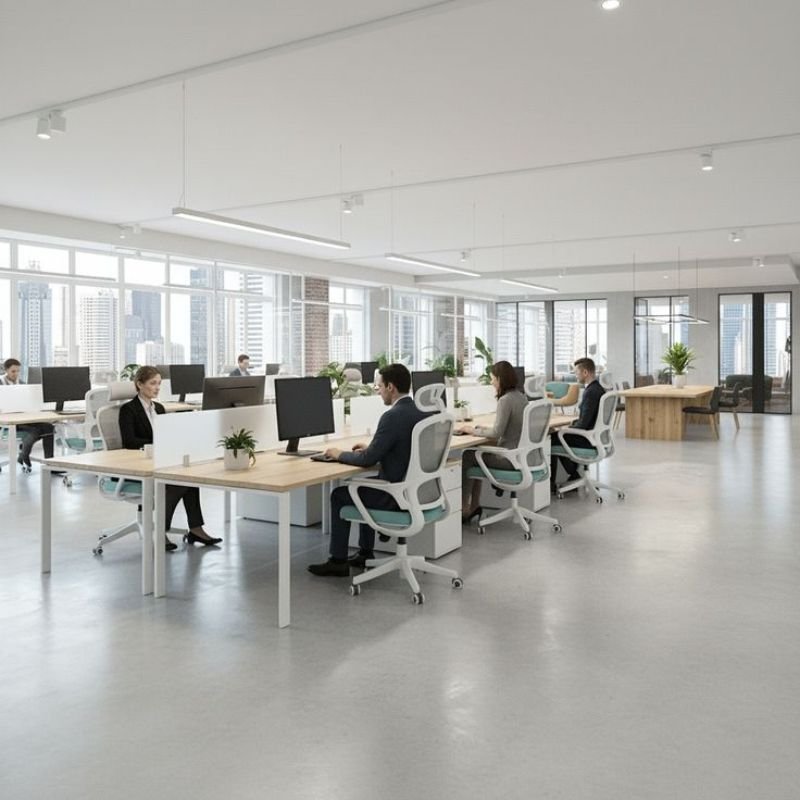
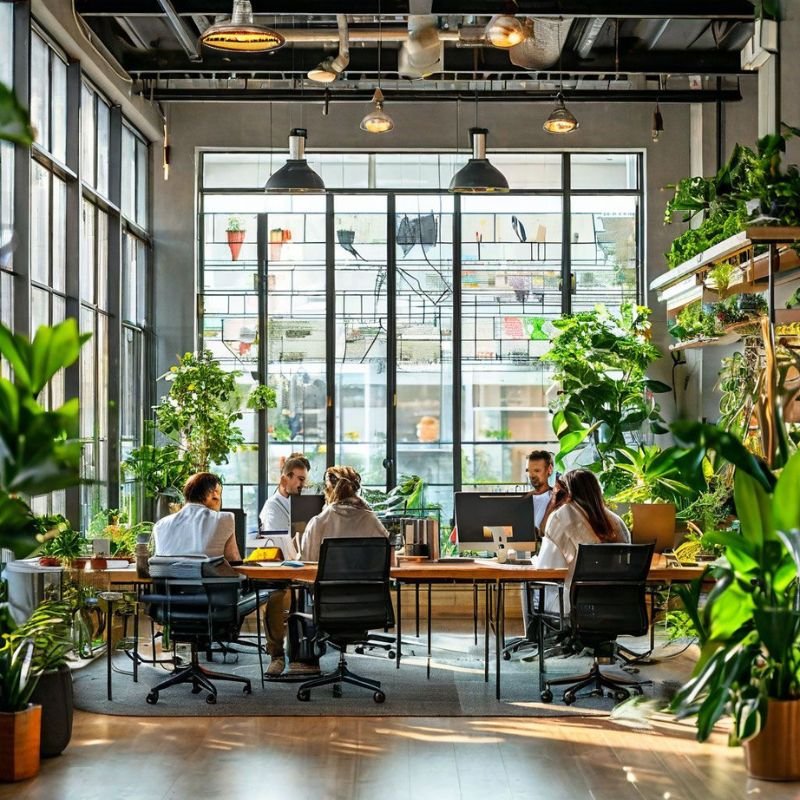
Office interior design focuses on creating productive, comfortable work environments. Modern office design trends include open plan layouts, flexible workstations, and biophilic elements like plants and natural light. Furthermore, private focus rooms and collaborative hubs give employees the variety they need to work effectively.
Today, many companies also design for hybrid work. Therefore, offices now include hot-desking zones, video conferencing rooms, and technology integrated spaces. A great office interior design supports the way modern teams actually work.
2. Retail Interior Design
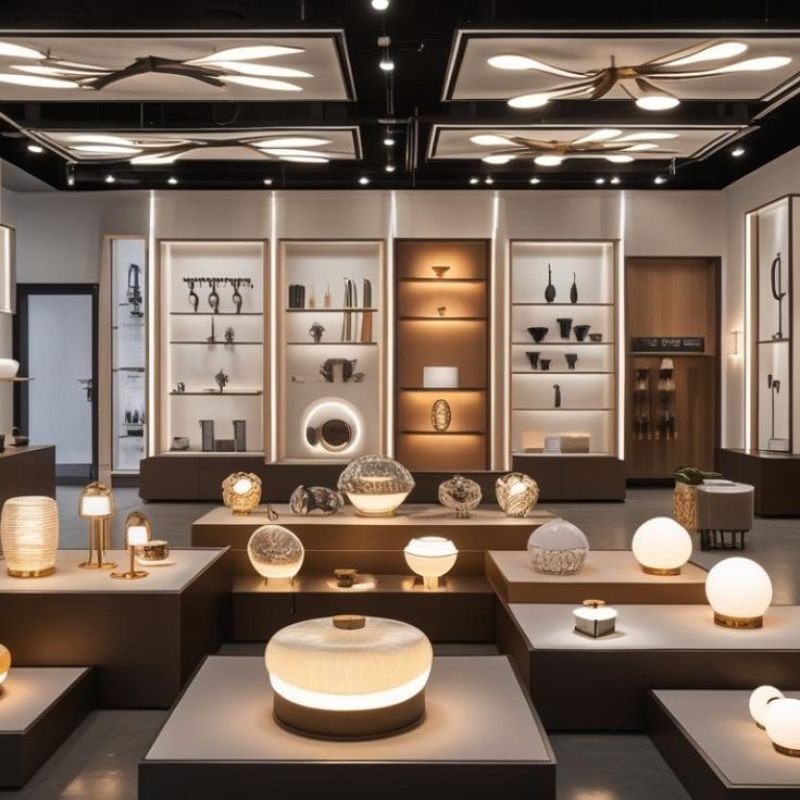
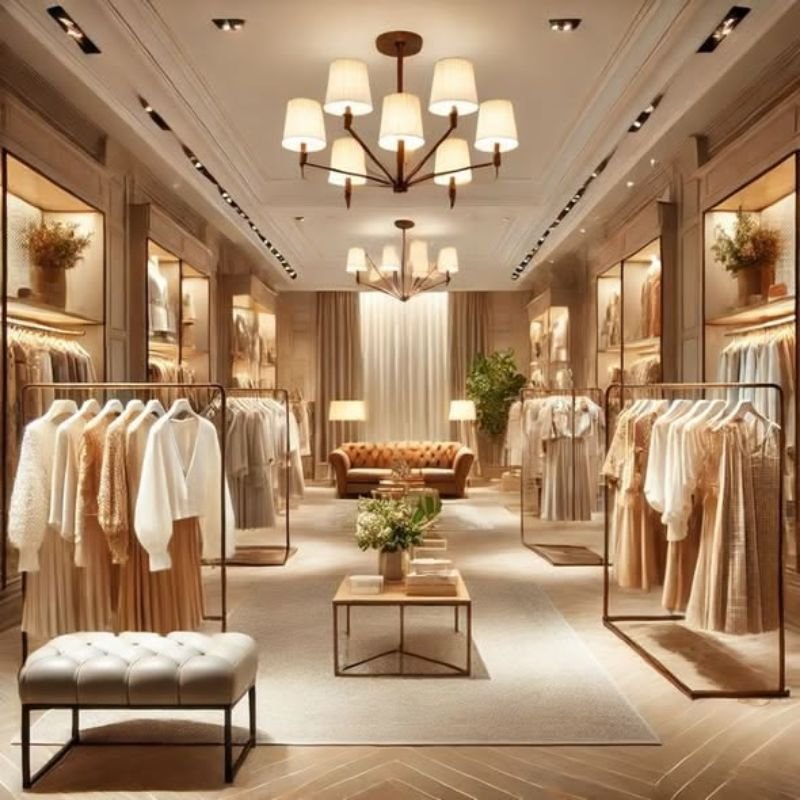
Retail spaces must balance beauty with function. First, the layout must make navigation intuitive. Next, product displays should draw attention naturally. Finally, lighting plays a critical role it highlights merchandise and creates the right mood. In addition, brand colors and signage reinforce the shopping experience at every touchpoint.
3. Restaurant and Hospitality Design
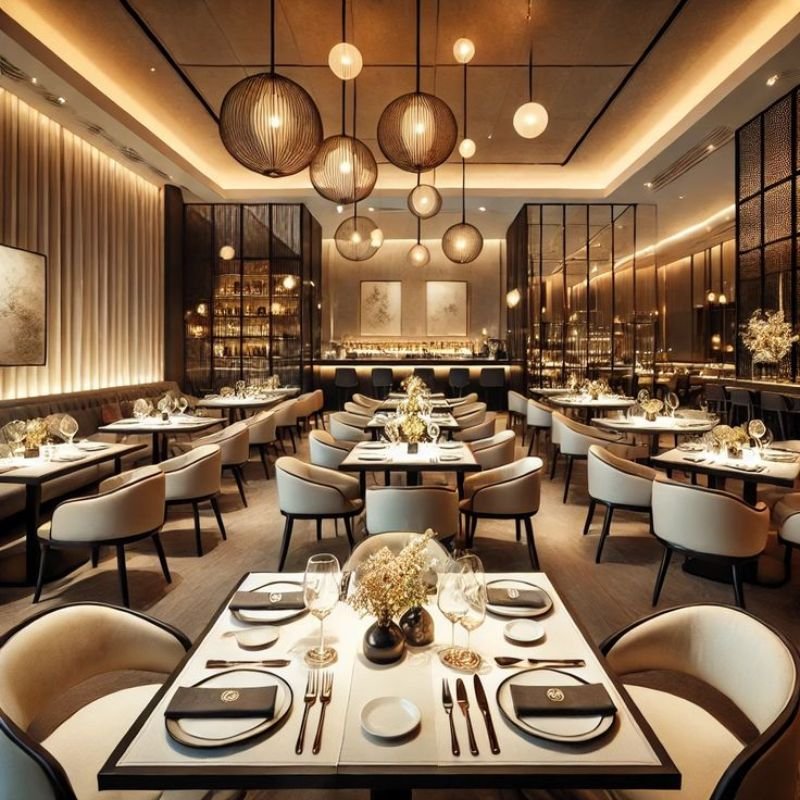
Restaurants and hotels rely heavily on atmosphere. Business interior design in hospitality must create a mood that matches the brand’s identity. For example, a fine dining restaurant needs an elegant, intimate space. A fast casual café, however, benefits from bright, open, and energetic surroundings.
Furthermore, acoustic design matters greatly in restaurants. Good sound management ensures guests can hold conversations comfortably. Therefore, designers use a combination of soft materials, partitions, and ceiling treatments to control noise levels.
4. Healthcare and Clinic Design
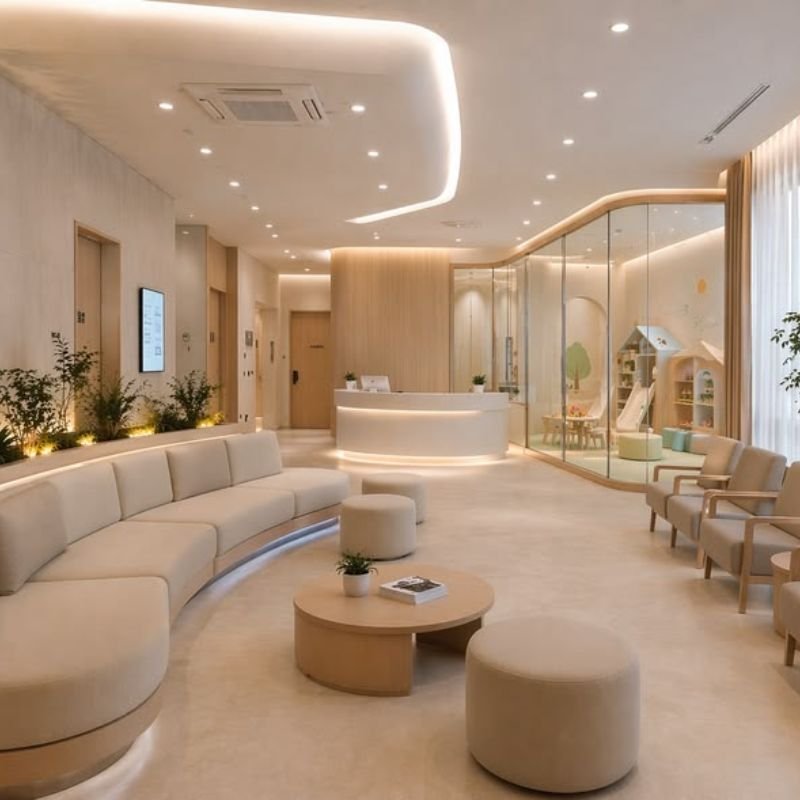
Healthcare spaces carry unique responsibilities. Above all, they must feel clean, calm, and reassuring. In addition, they must meet strict hygiene and safety standards. Commercial designers working in healthcare focus on durable, easy to clean surfaces, clear wayfinding, and calming color palettes that reduce patient anxiety.
Key Elements of Successful Commercial Interior Design
Professional commercial space planning rests on several core elements. Understanding these helps you evaluate any design proposal and make smarter decisions for your business.
- Space Planning Efficient layouts maximize every square foot and support smooth traffic flow.
- Lighting Design A mix of natural light, task lighting, and ambient lighting creates energy and comfort.
- Color Psychology Colors influence mood and behavior; choose palettes that align with your brand values.
- Furniture Selection Ergonomic, durable furniture supports both comfort and productivity.
- Brand Integration Every design element should reflect your company’s identity and values.
- Acoustic Management Sound control prevents distractions and improves communication.
- Sustainability Green materials and energy efficient systems reduce costs and environmental impact.
How to Choose the Right Commercial Interior Design Professional
Choosing the right designer makes all the difference. First, look for a designer with experience in your specific industry. An office designer and a retail designer have very different skill sets. Therefore, always review their portfolio carefully before committing.
Next, discuss your budget openly. Good designers work within realistic budgets and help you prioritize spending wisely. In addition, ask about their project management process. Commercial renovations involve contractors, suppliers, and timelines strong communication is essential throughout.
Questions to Ask Before Hiring
- Have you completed projects similar to mine in scale and type?
- How do you incorporate brand identity into your designs?
- What is your process for managing timelines and budgets?
- Can you provide references from past commercial clients?
- How do you handle unexpected challenges during a project?
Commercial Interior Design Trends to Watch
The world of commercial interior design evolves constantly. Interior Design Styles Staying current with trends helps your space feel fresh and relevant. Here are the top trends shaping commercial spaces right now:
- Biophilic design Incorporating natural elements like plants, wood, and stone to boost well being
- Flexible spaces Multi purpose rooms that adapt easily to different functions
- Sustainable materials Recycled, locally sourced, and low emission materials are growing in demand
- Technology integration Smart lighting, automated climate control, and seamless AV setups
- Wellness focused design Spaces designed to support physical and mental health of occupants
- Bold brand expression Companies use design to make strong, memorable brand statements
Furthermore, remote and hybrid work patterns continue to reshape office design. As a result, today’s offices prioritize experience over square footage. Employees come to the office for collaboration and connection, so designers create spaces that deliver exactly that.
Conclusion
Commercial interior design is one of the most powerful investments a business can make. It shapes how employees feel, how clients perceive your brand, and how effectively your space supports daily operations. Furthermore, a professionally designed space grows in value over time it reduces turnover, attracts talent, and strengthens customer loyalty. Whether you plan a full renovation or a simple refresh, now is the perfect time to rethink your business space. Connect with a qualified commercial interior designer today and take the first step toward a space that truly works for your business.
FAQs
1. What does commercial interior design include?
Commercial interior design includes space planning, furniture selection, lighting, color schemes, branding elements, and acoustic management for business environments.
2. How much does commercial interior design cost?
The cost of commercial interior design varies based on project size, location, and designer experience, but most commercial projects range from a few thousand to several hundred thousand dollars.
3. How long does a commercial interior design project take?
A typical commercial interior design project takes anywhere from a few weeks for small spaces to several months for large scale office or retail renovations.
4. Why is commercial interior design important for small businesses?
Commercial interior design helps small businesses create a professional, brand consistent environment that builds customer trust and improves employee performance from day one.
5. What is the difference between commercial interior design and office interior design?
Office interior design is a specific subset of commercial interior design that focuses exclusively on workplace environments, while commercial design covers all business space types including retail, hospitality, and healthcare.
Comments are closed.