
Dining Room Decor The dining room is more than just a place to eat. In fact, it is where birthdays are celebrated and lasting memories are made. Moreover, difficult conversations happen over warm meals here. As a result, ordinary Tuesday evenings become something truly worth remembering. Without doubt, no other room carries this kind of emotional weight.
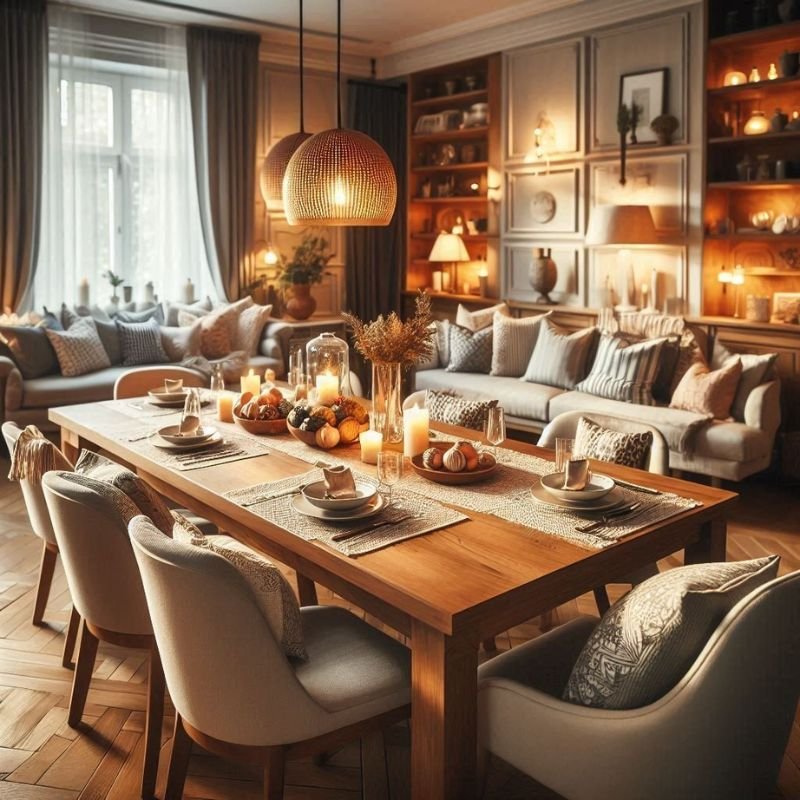
Yet achieving great dining room decor often feels overwhelming. For example, trends compete, budgets are tight, and choices seem endless. However, Guide to Table Decor this guide cuts through all of that. Whether you are starting fresh or simply refreshing, you will find ideas that work for any space and any budget.
Modern Dining Room Decor Trends Worth Following in 2025
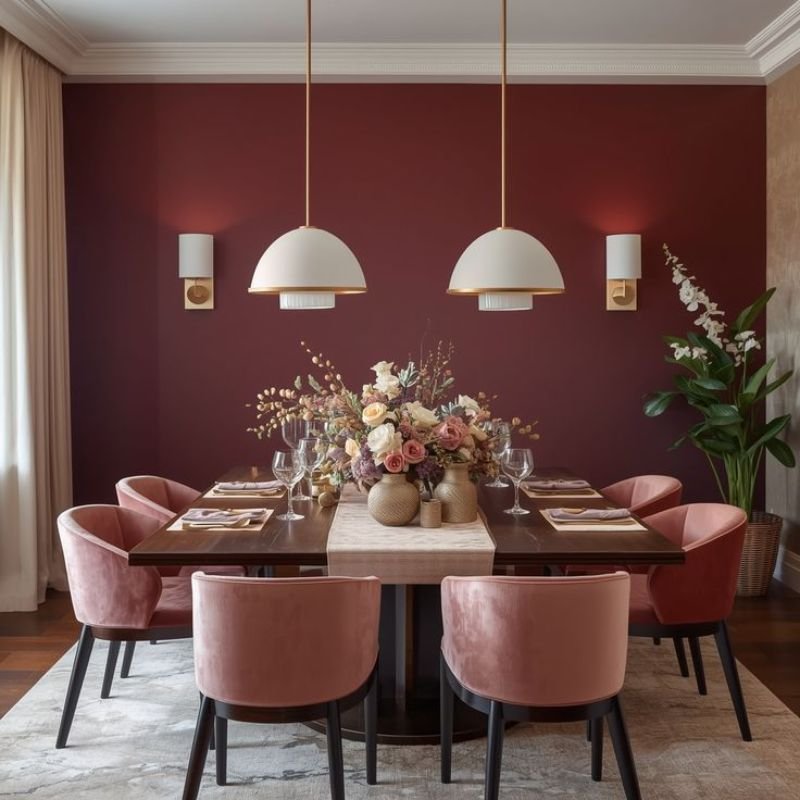
Design in 2025 has moved away from rigid and formal spaces. Instead, today’s best dining rooms feel curated, not decorated. Furthermore, they feel personal, not showroom perfect. Above all, the biggest shift is toward warmth and texture. For instance, think linen curtains, tactile plaster walls, and wooden tables with visible grain.
Here are the strongest trends shaping dining room decor right now:
Earthy, grounded palettes:
- Warm clay, forest green, and off white are replacing cold grey tones.
Mixed material tables:
- For example, marble tops with brass or matte black bases create effortless contrast.
Curved furniture:
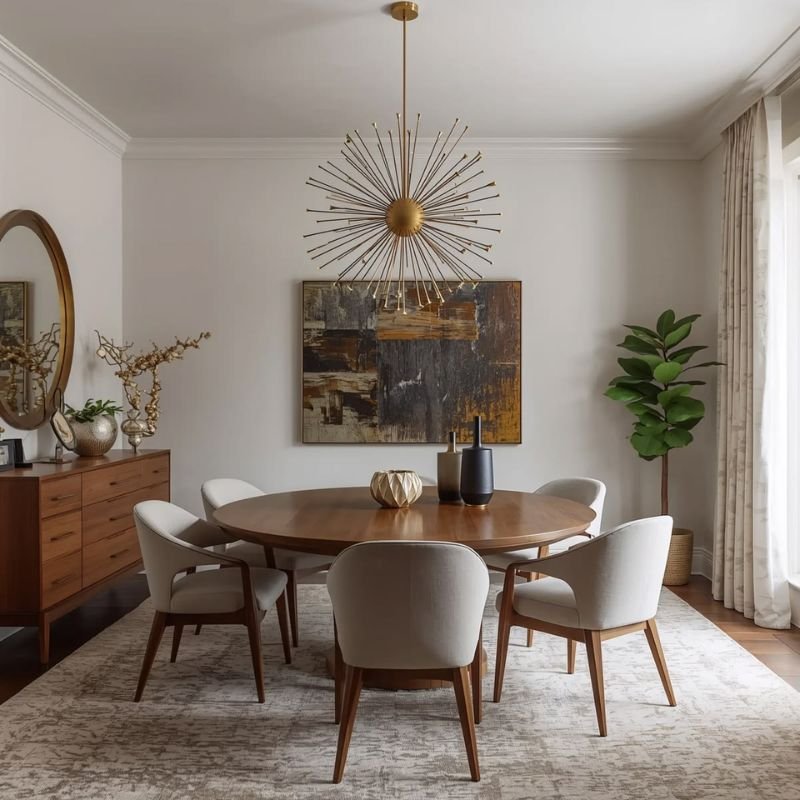
- In addition, rounded chairs and oval tables soften a room and invite people to linger.
Natural materials:
- Similarly, rattan, reclaimed wood, stone, and linen lead conscious design choices.
Statement ceilings:
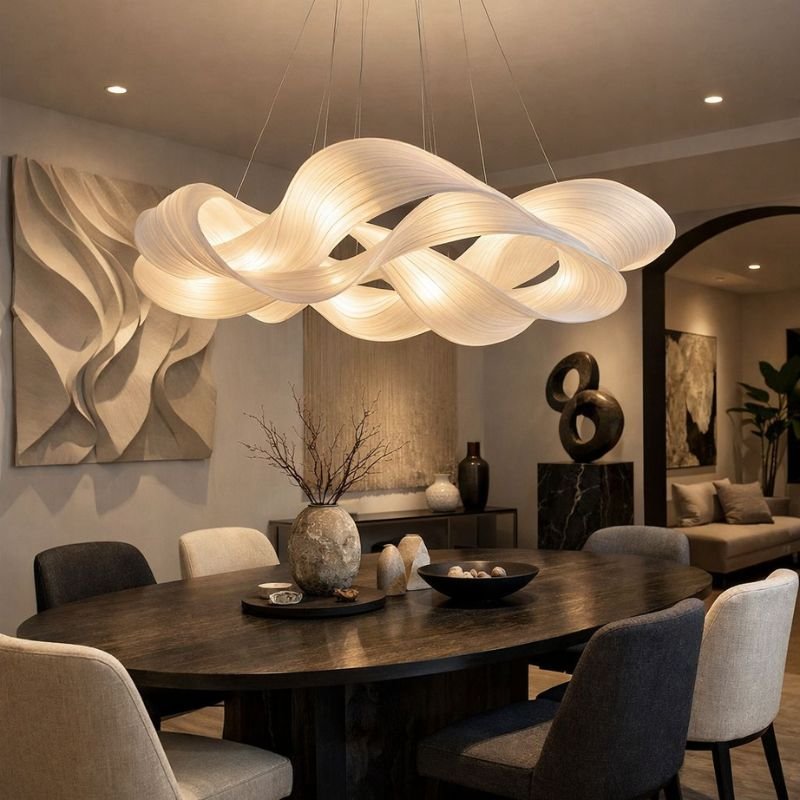
Finally, a bold colour or striking fixture makes the ceiling a surprise focal point.
In short, the common thread is simple. Your dining room should feel lived in and intentional. Above all, it should reflect who you are not just what is trending.
Lighting and Ambiance: The Silent Architect of Your Dining Experience
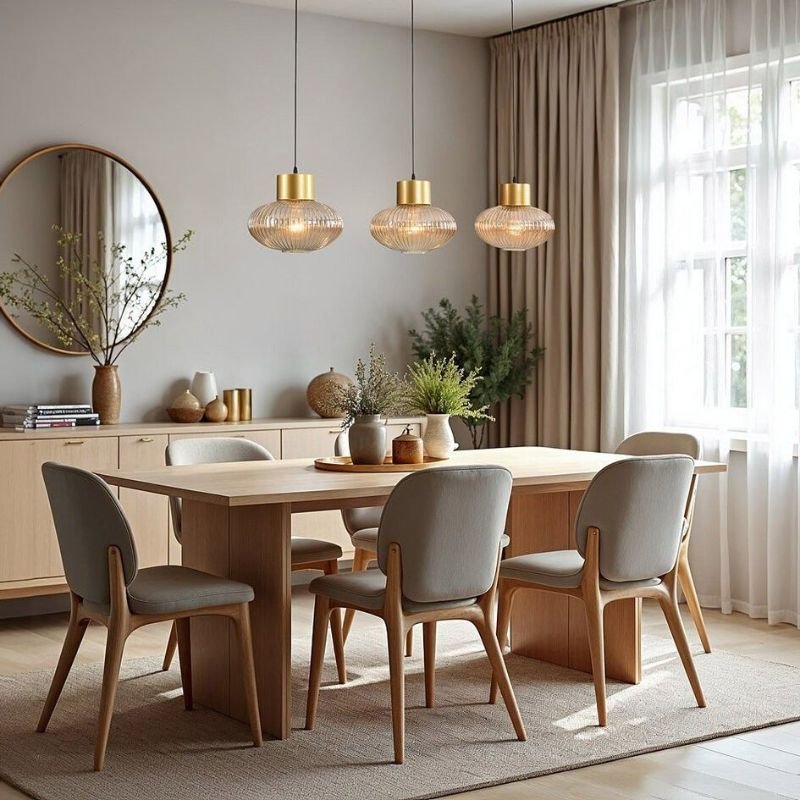
Nothing transforms a dining room faster than lighting. In fact, it is the most underestimated detail in any renovation. However, good lighting does not just illuminate. Instead, it defines mood, scale, and warmth.
First, start with a pendant or chandelier above the table. As a rule, the bottom of the fixture should sit 70–80 cm above the tabletop. Meanwhile, in taller rooms, go bigger. Otherwise, a fixture that looks generous in store can completely disappear in a large room.
Beyond that, layering light matters too. Consider these options:
- Wall sconces beside a mirror or artwork add depth and, additionally, remove harsh shadows.
- Dimmable switches are essential. For instance, a dimmer separates a dinner party from a canteen.
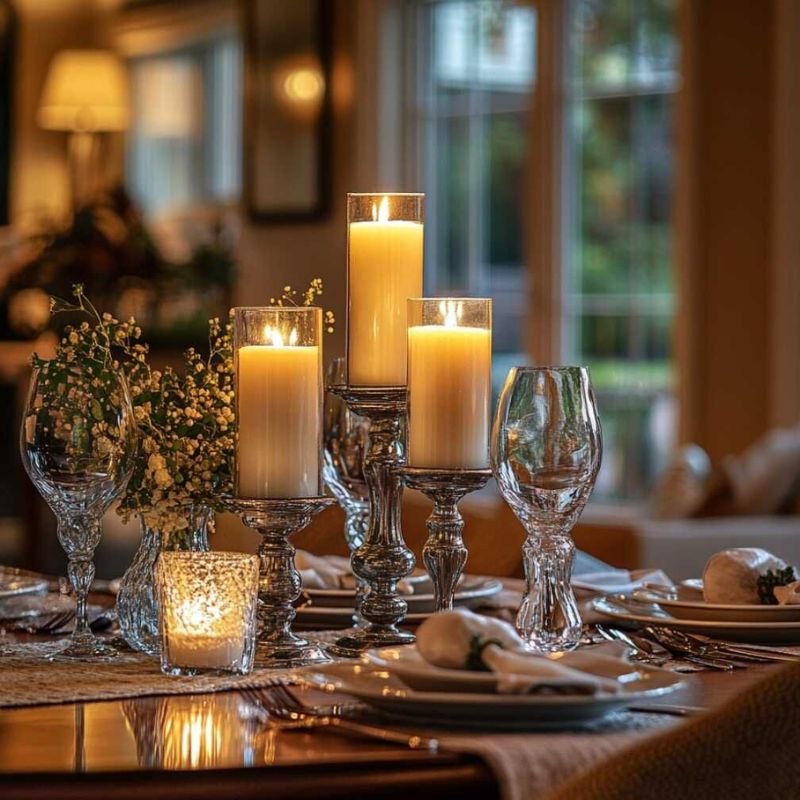
- Candlelight is irreplaceable. Furthermore, clustering pillar candles on the table creates an effortless, editorial look.
- Sideboard lighting adds a subtle glow. As a result, the room feels finished even with the main lights off.
Choosing the Right Dining Room Decor Style Through Lighting Fixtures
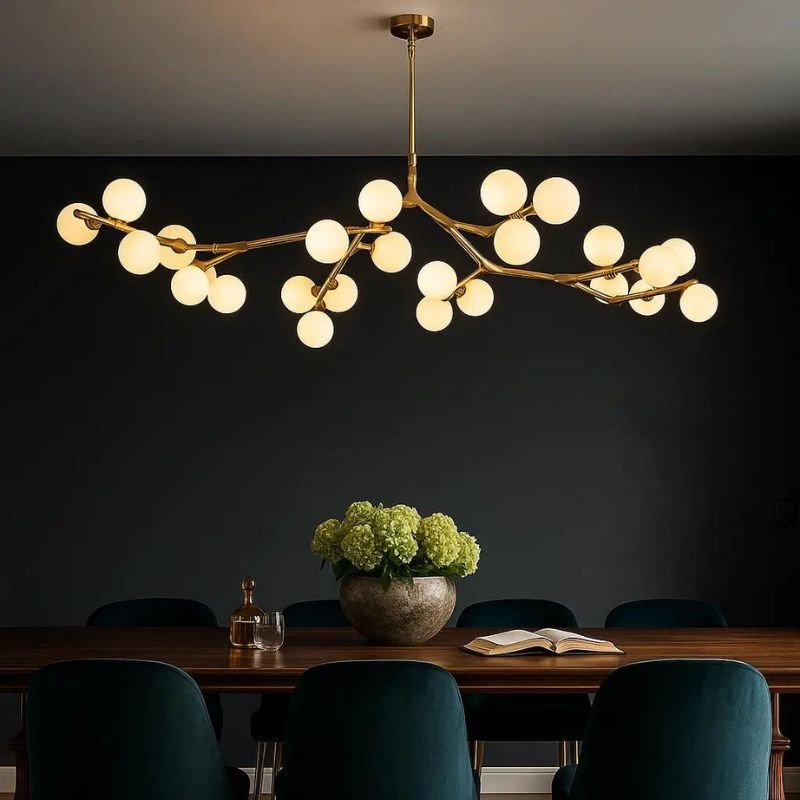
Your fixture communicates your design language immediately. For example, an aged brass chandelier signals warmth and artisan style. On the other hand, a sculptural resin pendant feels contemporary and art forward. Similarly, a white linen drum shade reads as relaxed yet tailored. As a result, it works beautifully across many decor styles.
Above all, coherence is the goal. Therefore, your fixture should feel like a deliberate conversation with your table, chairs, and wall colours. Otherwise, it will simply feel like an afterthought.
Wall Art and Color Palettes: Setting the Emotional Tone
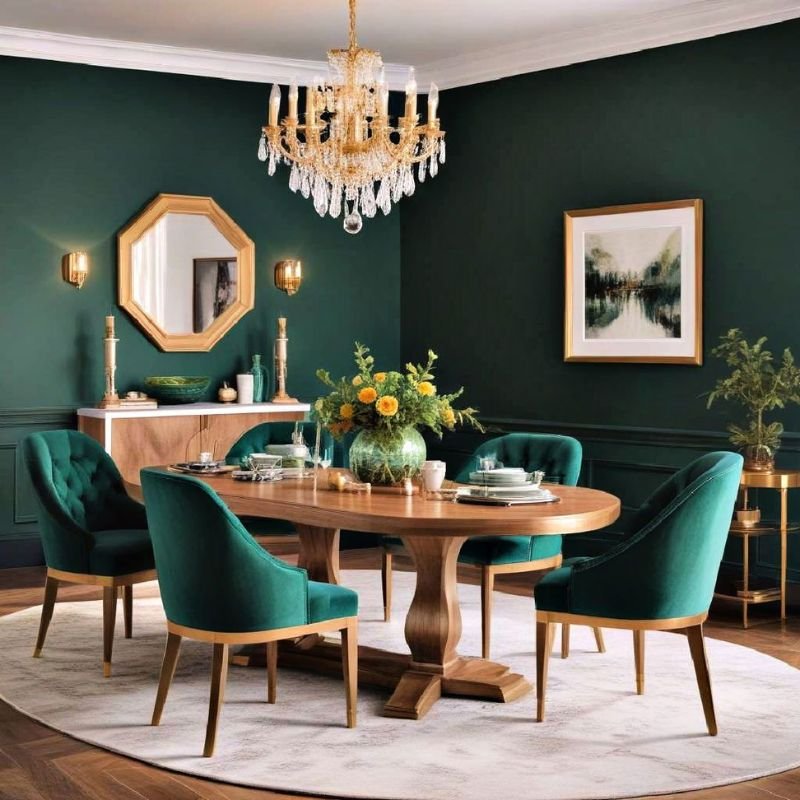
Colour is the first language of a room. In other words, walls communicate how a space will feel before anything else is added. Consequently, in dining rooms, the best choices feel enveloping, not just decorative. Dining Room Wall Decor For instance, deep greens, dusty blues, terra cottas, and burgundies have proven staying power. As a result, they make guests feel genuinely embraced by the space.
However, not everyone is ready for full commitment. In that case, try one feature wall. For example, place it behind a sideboard or at the head of the table. Then, pair it with neutrals on adjacent walls. Finally, let the art bridge the two naturally.
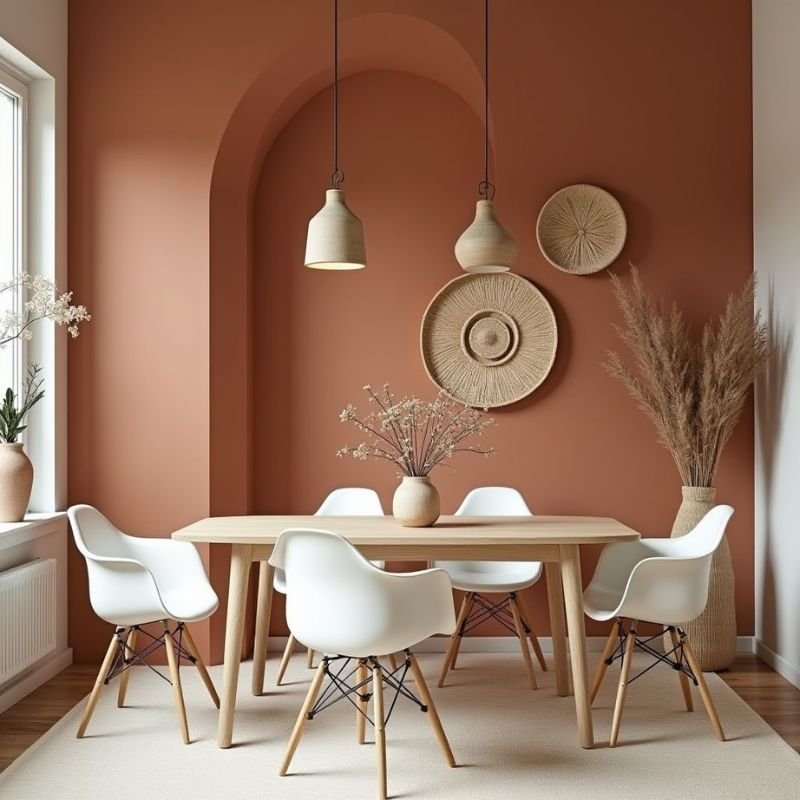
Further more, wall art should enhance atmosphere without dominating it. For instance, a large print abstract, botanical, or landscape above a sideboard anchors the wall beautifully. Moreover, it draws the eye without competing with the table setting. Similarly, gallery walls suit longer, narrower rooms well. In addition, they create a pleasing visual rhythm along the space.
Here are some guiding principles for art selection:
- Hang at eye level specifically, 145–150 cm from the floor to the centre of the piece.
- Scale beats budget: For example, a well framed poster in the right size wins over an expensive small print.
- Frames unify: Similarly, matching frame finishes make a gallery wall look instantly cohesive.
- Mirrors double light: As a result, a large mirror reflects both natural and artificial light, making the room feel bigger instantly.
Small Space Solutions: Dining Room Decor Without Compromise
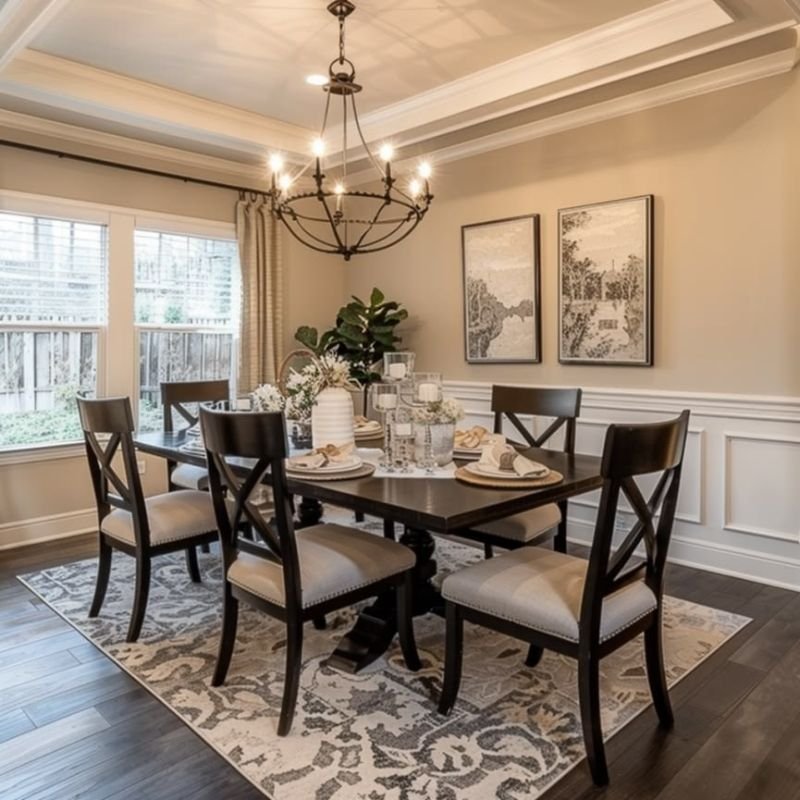
A small dining room is not a problem. Instead, it is a rewarding creative challenge. In summary, the rules are simple: reduce clutter, maximise light, and choose furniture with purpose.
Specifically, these choices make a real difference:
- Extendable tables handle everyday use and hosting. As a result, no space is wasted unnecessarily.
- Bench seating along one wall takes up less room than chairs on both sides. Furthermore, it tucks away neatly when not in use.
- Ghost chairs in acrylic or lucite reduce visual weight. In addition, the eye travels through them with ease.
- Wall mounted storage keeps floors clear. Consequently, the entire room feels more open and breathable.
- Vertical emphasis: For instance, tall art or floor to ceiling curtains draw the eye upward. Therefore, the room feels instantly taller Vintage Home Decor
Moreover, colour plays an important role here too. Contrary to popular belief, deep tones do not always shrink a small room. In fact, painting all four walls, the ceiling, and trim in one rich shade can create a jewel box effect. Ultimately, it feels intimate and dramatic never cramped.
FAQs
1. What is the most impactful single change for dining room decor?
Simply replace your overhead light with a well scaled pendant or chandelier for the fastest, most dramatic result.
2. How do I choose the right dining table size?
As a rule, leave at least 90 cm between the table edge and the nearest wall for comfortable movement.
3. What colours work best for dining room walls?
Specifically, forest green, navy, terracotta, and warm charcoal create an intimate atmosphere perfect for dining.
4. Can bold patterns work in a small dining room?
Absolutely for example, a patterned rug or one wallpapered feature wall adds personality without overwhelming the space.
5. How high should dining room wall art be hung?
In short, centre the piece at 145–150 cm from the floor, which aligns with average standing eye level.
Conclusion
Great dining room decor does not happen overnight. Instead, it grows through small, considered decisions made over time. Therefore, start with the basics the right table, good lighting, and colours that feel genuinely yours. Eventually, everything else builds naturally from there.
Ultimately, you do not need a full renovation or an unlimited budget. You simply need clarity, intention, and the courage to begin. So start with one change today and watch your space grow into something truly worth gathering around.