
There is something magnetic about walking into a room that feels livedm in, layered, and deeply personal. Not staged. Not showroom perfect. Something that whispers of history and that is exactly the quiet power of Vintage Home Decor. Whether it is a weathered leather armchair sitting by a sun drenched window or a brass candelabra on a scrubbed farmhouse table, vintage style transforms ordinary spaces into ones that actually have something to say.
This guide is for anyone who has ever paused in front of an antique store window, Dining Room Wall Decor felt that pull, and thought “I want my home to feel like this.” We will walk through why this design movement is surging right now, which eras are worth knowing, how to source pieces without getting fooled, and critically how to blend old and new without your living room looking like a museum storage unit.
Why Vintage Home Decor is Making a Comeback
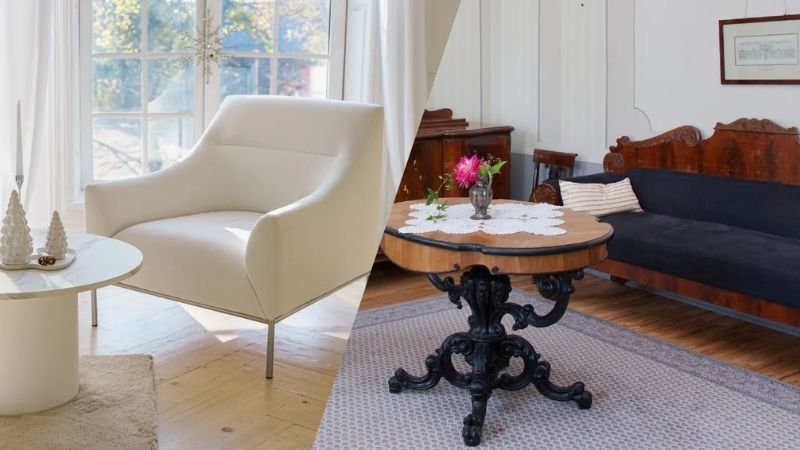
Fast furniture is having its reckoning. People are tired of assembling flat pack shelving units that warp within two years, tired of decor that looks identical in every apartment from London to Los Angeles. The backlash is real and vintage home decor sits at the intersection of two very modern values: sustainability and individuality.
Buying a 1960s credenza instead of a new one is, in a very literal sense, a sustainable choice. You are extending the life of something already made, reducing demand for new production, and keeping a piece out of a landfill. But beyond the environmental case, there is a far more personal reason people are drawn back to vintage: no two pieces are identical. That hairline crack in the ceramic vase, the faded velvet on that Victorian armchair those are not flaws. They are proof that something was loved.
Defining Different Eras of Vintage Home Decor
Not all vintage is the same, and knowing your eras will save you from buying pieces that clash badly. Here is a quick orientation:
Mid Century Modern (1945–1969):
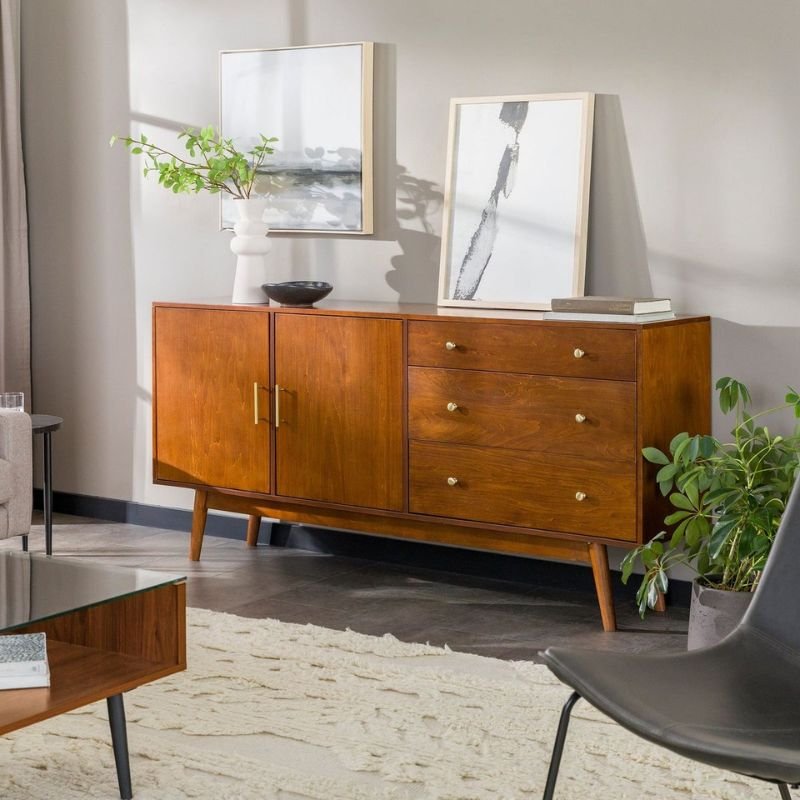
- Think clean lines, organic shapes, and the marriage of function with beauty. Eames chairs, walnut sideboards, tulip tables. The palette leans into mustard, avocado, and burnt orange colors that are remarkably fashionable again.
Victorian (1837–1901):
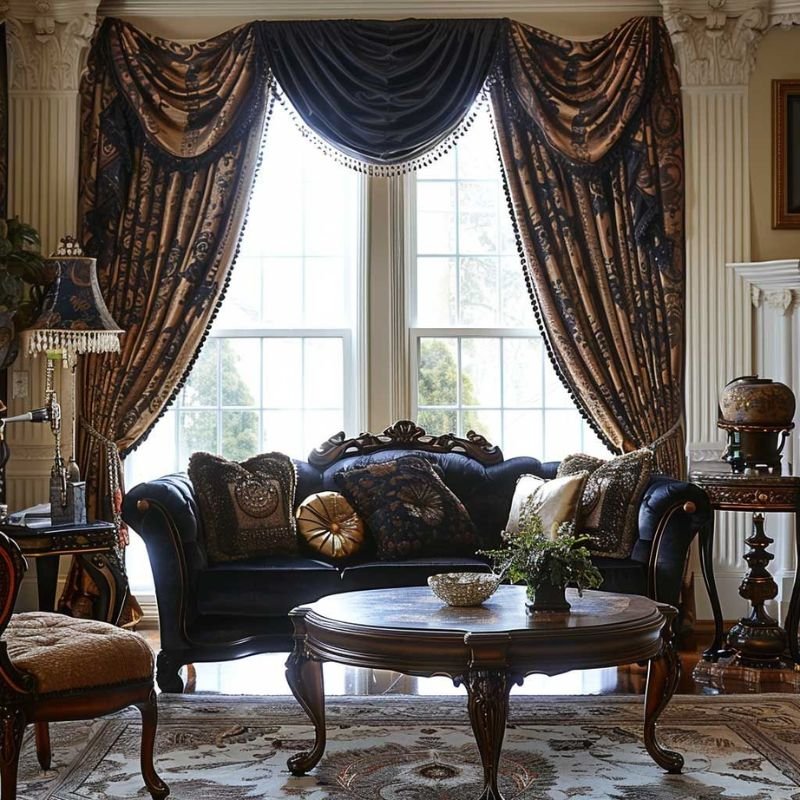
- Opulent, layered, and unapologetically dramatic. Carved dark wood, tufted upholstery, heavy drapes, and ornate mirrors. Victorian vintage home decor says “more is more” and it means it.
Art Decor (1920s–1940s):
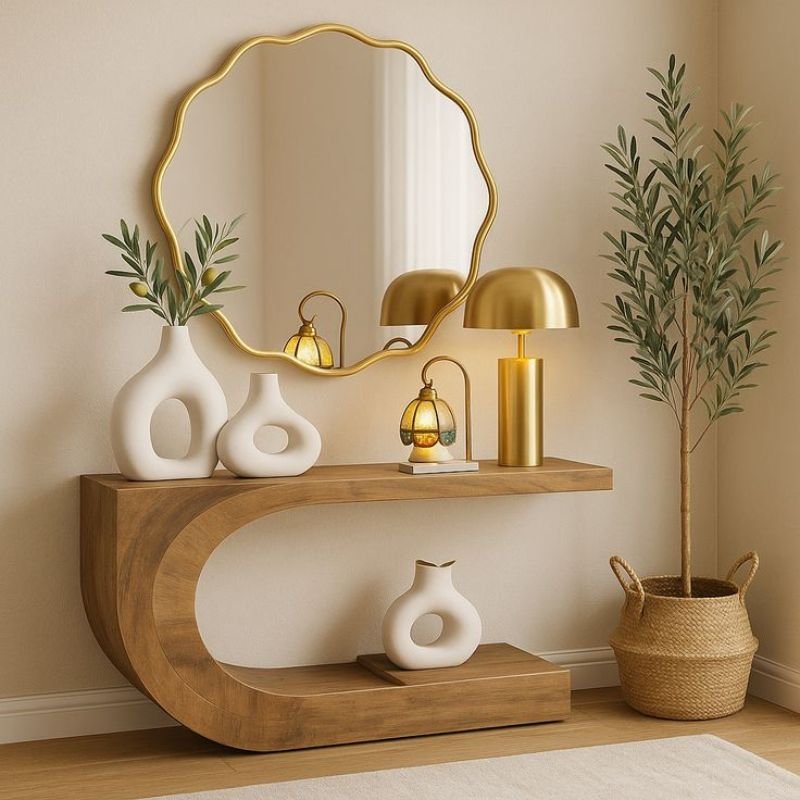
Glamour, geometry, and gold. Sunburst mirrors, lacquered furniture, bold symmetry, and materials like chrome, marble, and lacquer. Art Decor is the era for those who want their vintage with a side of drama Wall Art for Home Decor.
Essential Elements of Vintage Home Decor
Getting the feel right is less about owning the “correct” antiques and more about understanding the sensory language of vintage home decor. That language is written in textures, colors, and materials and once you understand it, even new purchases can speak it fluently.
Textures: Layer them without apology. Worn leather beside raw linen beside a knitted throw. Rough hewn wood next to smooth ceramic. Vintage rooms feel tactile and warm you want to touch everything in them, and that is entirely intentional.
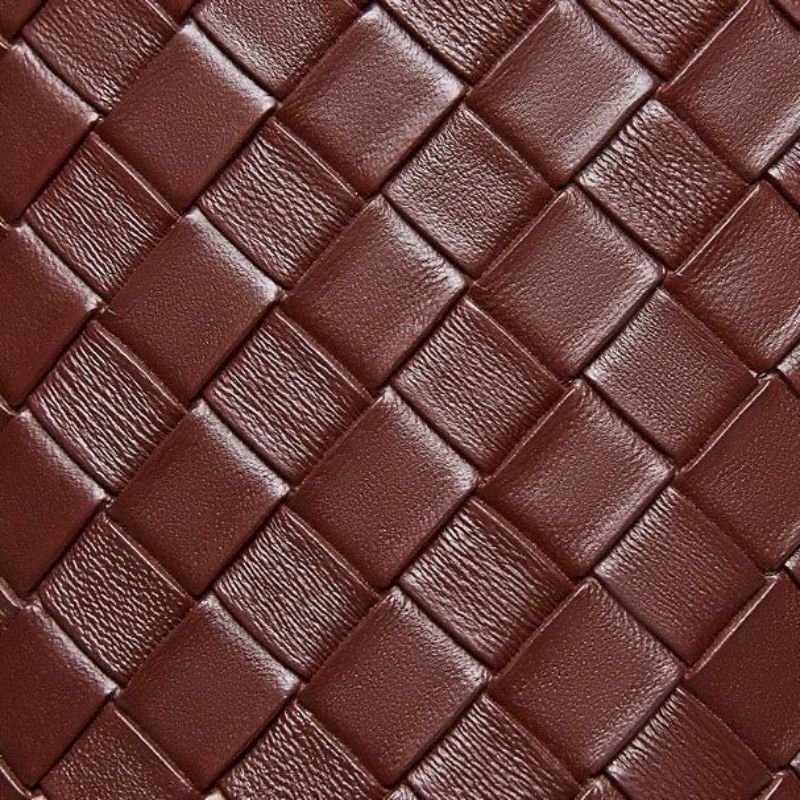
Colors: Move away from the stark whites and grey verything of modern minimalism. Vintage palettes embrace depth dusty rose, sage green, terracotta, warm ivory, tobacco brown, and that particular shade of teal that feels simultaneously old and electric.
Materials: Solid wood (not veneer), natural stone, real brass and copper, wool, linen, cotton, and leather. Vintage home decor almost always privileges natural over synthetic. The patina of real materials over time is the point not a problem to be solved.
How to Source Authentic Vintage Home Decor Pieces
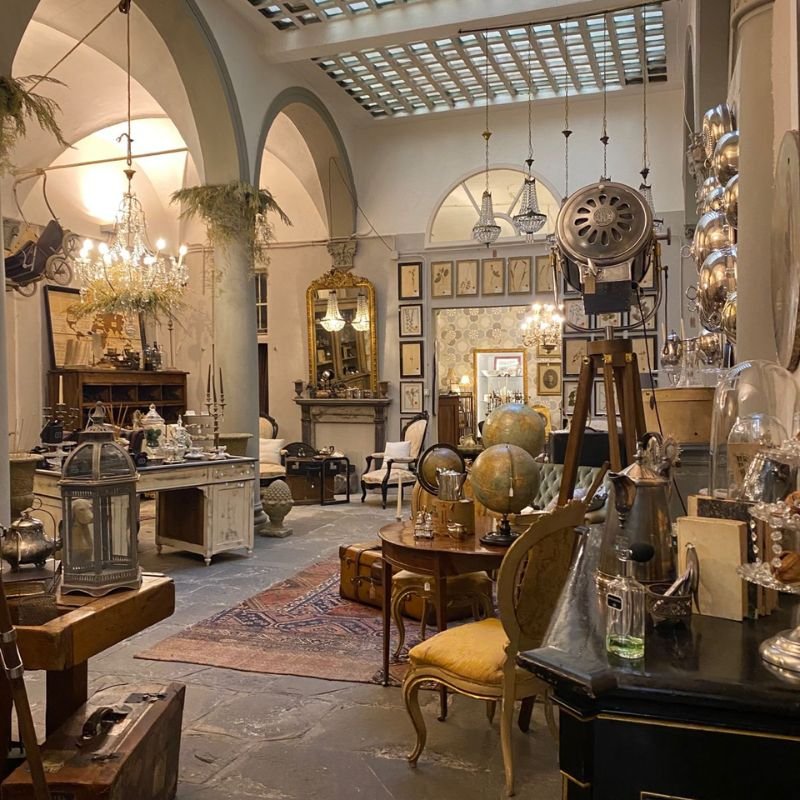
The hunt is half the joy but it helps to know where to look and what to look for.
- Estate sales and auctions are goldmines. Unlike thrift stores, pieces here come with context you often know the family, the decade, and the story.
- Antique markets reward early risers. Go at opening time, build relationships with regular dealers, and never be afraid to negotiate politely.
- Thrift stores require patience and frequency. Visit the same stores regularly stock turns over quickly and good pieces disappear fast.
- Online platforms like eBay, Etsy, and local Facebook Marketplace groups have expanded the hunt significantly. Always ask for measurements, additional photos, and provenance details before purchasing.
Mixing Modern and Vintage Home Decor: The Art of the Harmonized Look
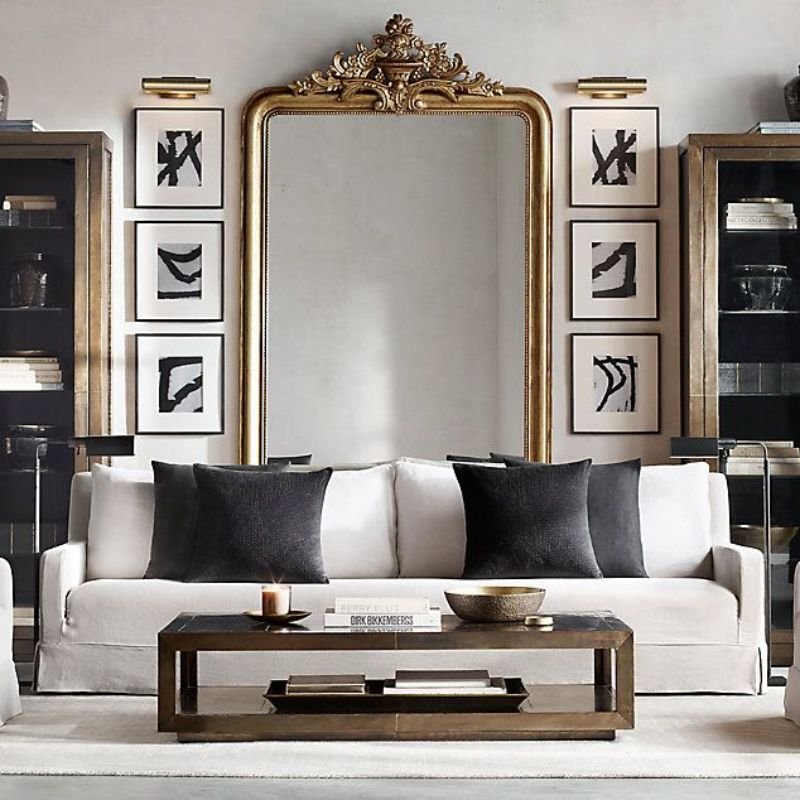
Accent Wall Ideas Here is where most people go wrong: they commit entirely to one era and end up with something that feels costume y rather than curated. The secret to stunning vintage home decor is tension. A 1950s Formica kitchen table looks extraordinary with sleek, contemporary chairs. An Art Deco mirror above a minimalist concrete console? Breathtaking. The contrast is the point.
A few rules that actually work in practice:
- Anchor with one hero vintage piece per room a statement sofa, a dramatic armoire, a chandelier and let modern pieces support it rather than compete.
- Keep a consistent color story. Mixed eras work beautifully when the palette ties them together. Pull a color from your vintage piece and echo it in modern textiles or accessories.
- Avoid vintage overload. A room with thirty antique pieces looks cluttered and exhausting. Eight carefully chosen ones look like a gallery.
- Let function lead. Vintage home decor should still serve your actual life. If you need good task lighting, buy a clean modern lamp then dress the table it sits on with vintage objects.
Budget Friendly Tips for Classic Interior Decor
Beginners
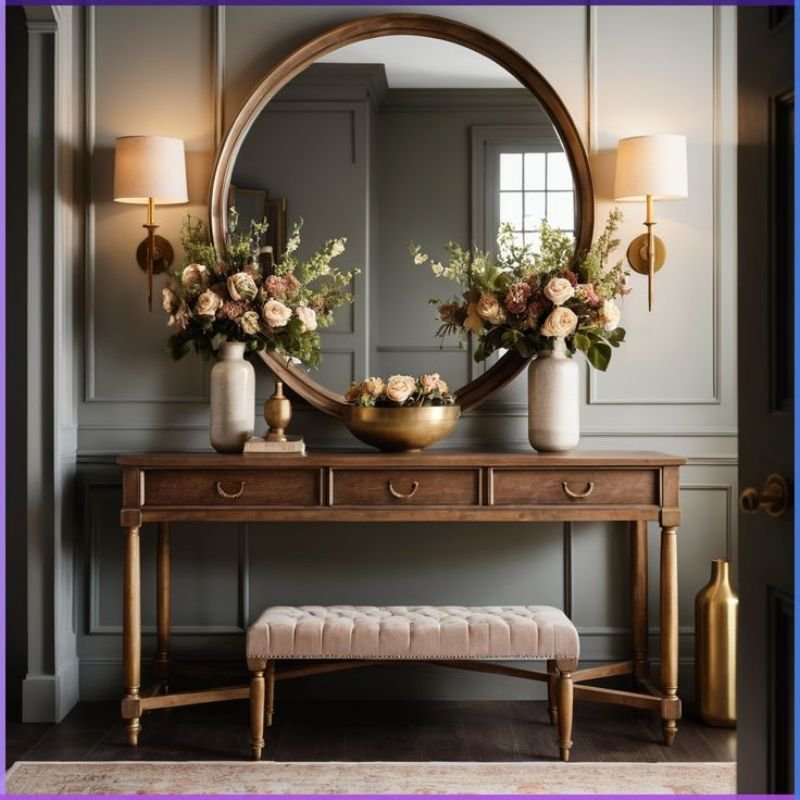
You do not need a designer’s budget or a sprawling farmhouse to start. Vintage home decor is, genuinely, one of the most accessible design philosophies there is if you know where to begin.
- Start small and singular: One vintage ceramic lamp. One framed vintage botanical print. One kilim rug. Small anchor pieces can completely shift the feeling of a modern room without touching furniture.
- Upcycle with intention: A battered old dresser repainted in a rich, deep sage and fitted with new brass handles is a vintage home decor piece. The bones matter more than the current condition.
- Focus on accessories first: Old books, vintage glassware, mismatched candlestick holders, antique frames these can be found for a few dollars and make an immediate visual impact.
- Patience is free: The best vintage home decor collectors build their spaces slowly, over years. That measured approach is what creates rooms with soul rather than rooms that look “done.”
Conclusion
Vintage home decor is not about recreating the past. It is about choosing objects that carry meaning, building a space that reflects a genuine personality, and rejecting the idea that a home should look like it arrived in a box. Every chipped ceramic, every worn leather seat, every faded textile is a small act of refusal a refusal to settle for the generic.
So start where you are. Visit one thrift store this weekend. Pick up one piece that makes you feel something. Set it on your windowsill, your shelf, your bedside table and notice how the room shifts. That is the beginning. From one object, entire worlds are built. Your vintage story is waiting to be written.
FAQs
Q1. What is the difference between vintage and antique home decor?
Antiques are generally items over 100 years old; vintage refers to pieces from roughly 20 to 99 years ago typically the 1920s through the early 2000s.
Q2. How do I know if a vintage piece is authentic?
Look for maker’s marks, natural wear patterns consistent with age, original hardware, and construction techniques typical of the era hand dovetail joints on drawers, for example, indicate pre 1900s craftsmanship.
Q3. Can vintage home decor work in a small apartment?
Absolutely in fact, small spaces benefit enormously from a few well chosen vintage pieces because each object becomes a focal point rather than competing with dozens of others.
Q4. What vintage home decor era is most popular right now?
Mid Century Modern remains the dominant trend, but 1970s Bohemian and early 20th century Rustic Farmhouse are both experiencing strong revivals in contemporary interior design.
Q5. Is vintage home decor really more sustainable than buying new furniture?
Yes choosing second hand pieces avoids new production emissions entirely, and vintage items built with solid materials typically outlast modern flat pack alternatives by decades, making them both an environmental and financial investment.