
Stage decorations are the heart and soul of any successful event. Whether you’re planning a wedding, corporate gathering, school play, or birthday party, the right stage decorations can turn an ordinary space into something truly spectacular. From simple backdrop arrangements to elaborate themed displays, stage decorations help create the perfect atmosphere and leave lasting memories for your guests.
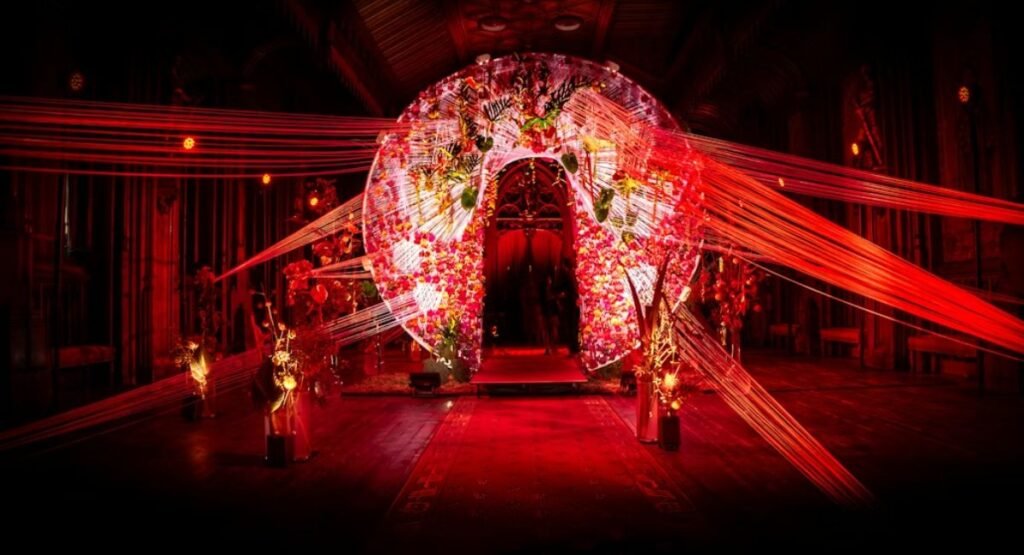
Creating beautiful stage decorations doesn’t have to be expensive or complicated. With the right planning, creativity, and some basic materials, anyone can design stunning displays that wow their audience. This guide will walk you through everything you need to know about stage decorations, from planning to execution.
What Are Stage Decorations?
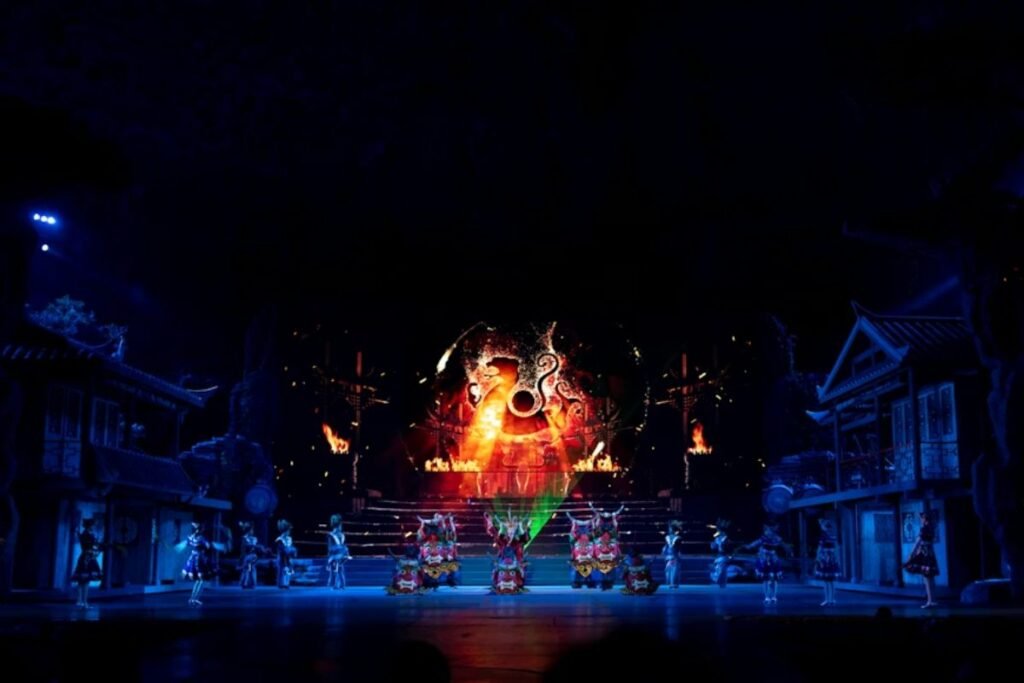
Stage decorations refer to all the visual elements used to enhance and beautify a performance area or event space. These decorations serve both functional and aesthetic purposes, helping to:
- Set the mood and theme of your event
- Create a focal point for photographs
- Hide unsightly background elements
- Guide audience attention to important areas
- Enhance the overall experience for guests
Stage decorations can range from simple flower arrangements to complex lighting systems and elaborate backdrops. The key is choosing elements that match your event’s style, budget, and venue requirements.
Types of Stage Decorations
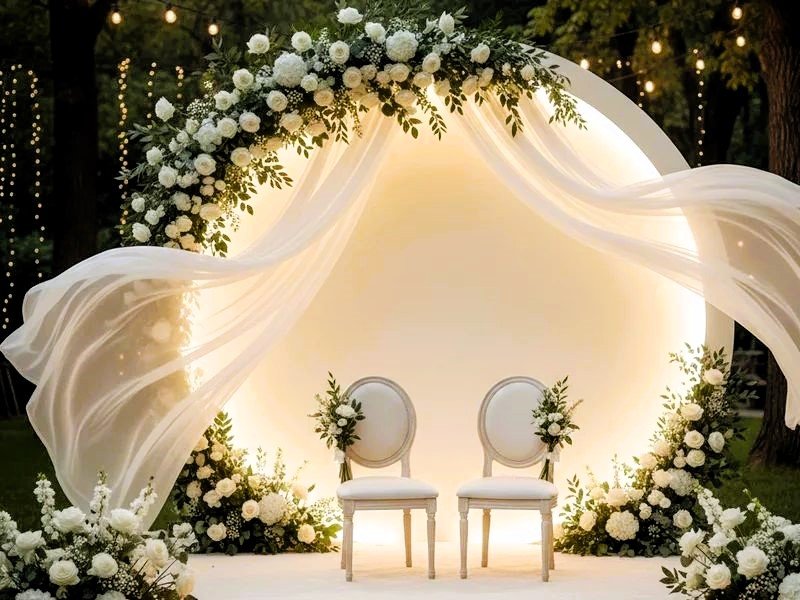
Wedding Stage Decorations
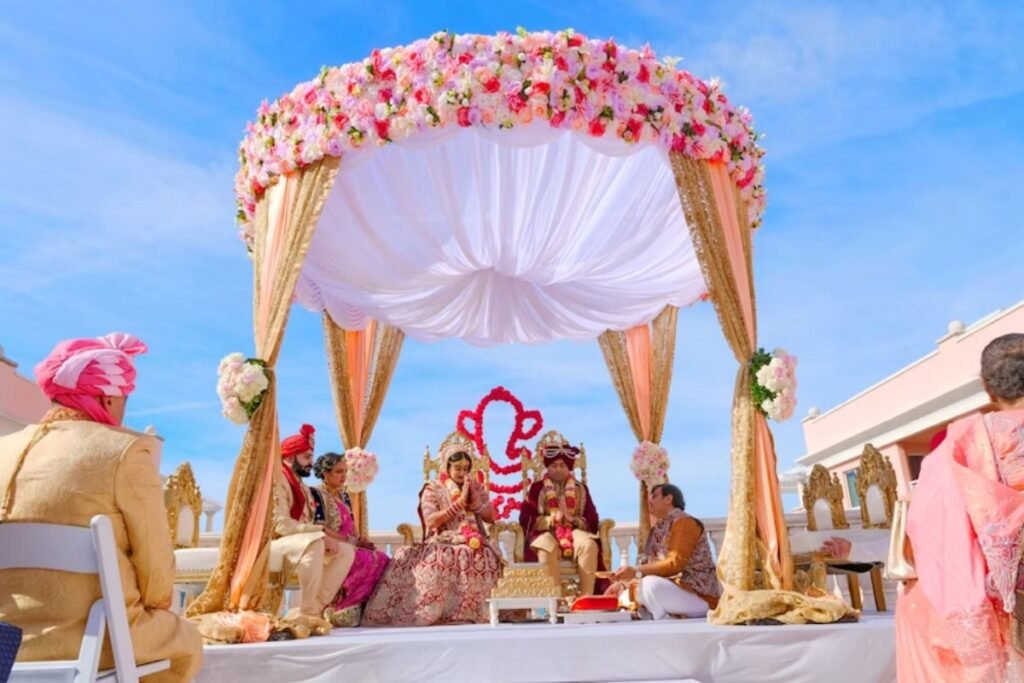
Wedding ceremonies and receptions require special attention to detail. Popular wedding stage decorations include:
- Floral arches and backdrops
- Draped fabric panels in wedding colors
- String lights and fairy lighting
- Elegant centerpieces
- Photo booth backgrounds
- Mandap decorations for Indian weddings
Wedding stage decorations should reflect the couple’s personality while creating a romantic atmosphere that photographs beautifully.
Corporate Event Decorations
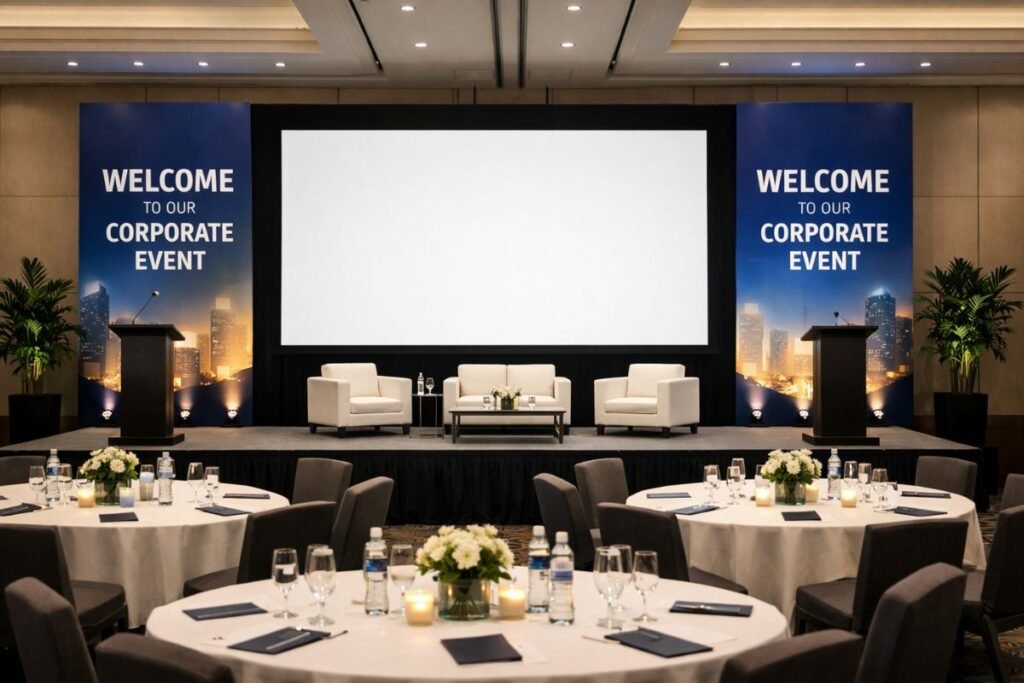
Business events need professional yet engaging decorations:
- Company logo displays
- Clean, modern backdrop designs
- Professional lighting setups
- Branded banners and signage
- Minimal but elegant arrangements
Theater and Performance Decorations
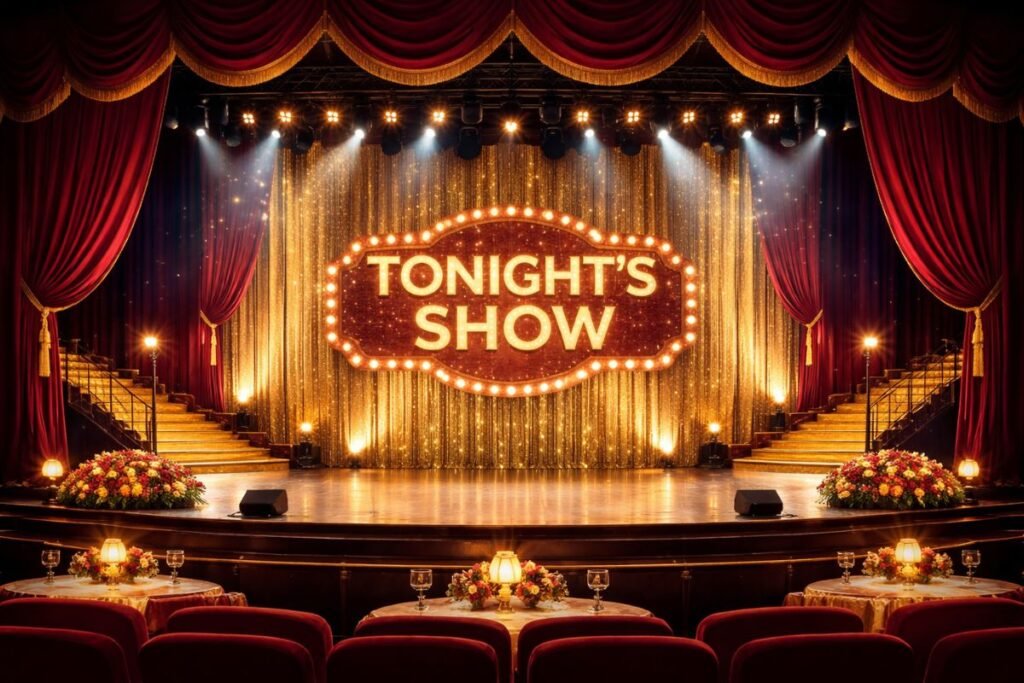
Stage decorations for performances must support the story:
- Painted backdrops that match the setting
- Props and set pieces
- Specialty lighting effects
- Changeable scene elements
- Sound-friendly materials
Party and Celebration Decorations
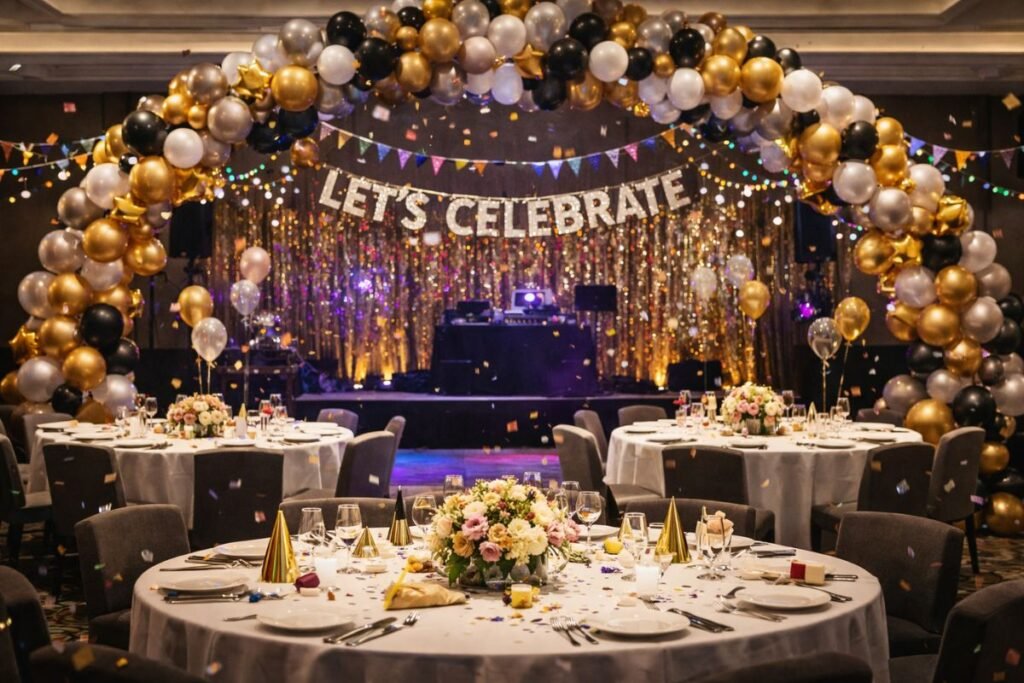
Fun events allow for more creative freedom:
- Colorful balloon arrangements
- Theme based decorations
- Interactive photo backgrounds
- Festive lighting displays
- DIY craft elements
Benefits of Well Planned Stage Decorations
Creates Memorable Experiences
Good stage decorations help guests remember your event long after it ends. When people look back at photos or videos, beautiful decorations make the memories even more special.
Enhances Photography
In today’s social media world, photo worthy backgrounds are essential. Well designed stage decorations provide perfect backdrops for:
- Professional event photography
- Guest selfies and group photos
- Social media sharing
- Wedding albums
- Corporate marketing materials
Sets the Right Atmosphere
Stage decorations immediately communicate your event’s mood and style. They help guests understand whether they’re attending a formal ceremony, casual celebration, or themed party.
Provides Value for Money
Investing in good stage decorations gives you the biggest visual impact for your budget. A well decorated stage area becomes the centerpiece that ties your entire event together.
Covers Imperfections
Most venues have some less than perfect areas. Strategic stage decorations can hide wall damage, cover unsightly equipment, or disguise architectural flaws.
Stage Backdrop Design Ideas
Fabric Based Backdrops
Fabric backdrops are versatile and budget friendly:
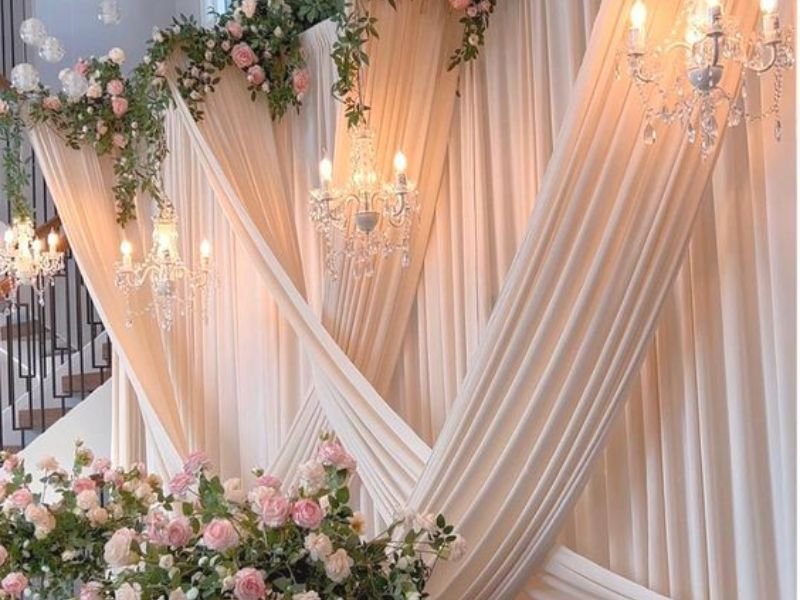
- Draped chiffon or organza for elegant events
- Burlap and lace for rustic themes
- Satin panels for formal occasions
- Sheer curtains with backlighting
- Colorful cotton for casual celebrations
Floral and Natural Elements
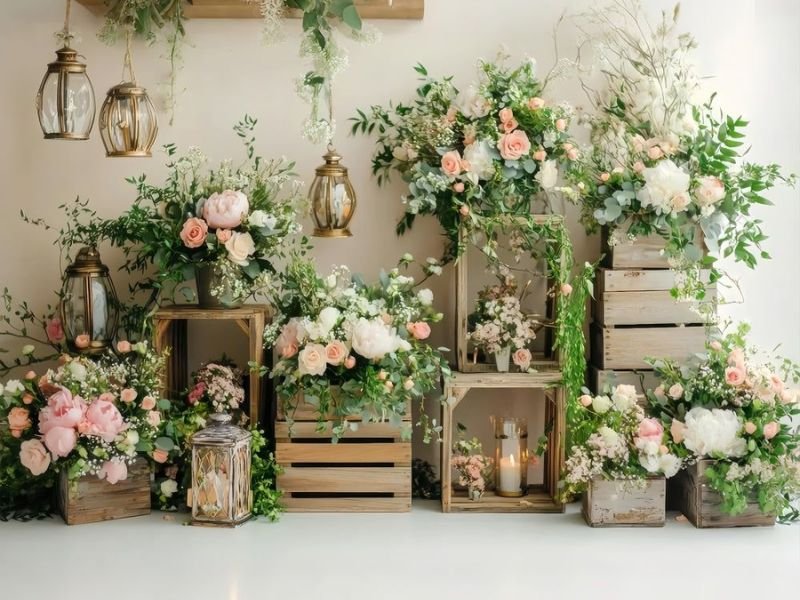
Nature inspired backdrops never go out of style:
- Fresh flower walls
- Greenery panels with eucalyptus or ivy
- Wooden lattice with climbing flowers
- Bamboo screens
- Living walls with potted plants
Modern and Geometric Designs
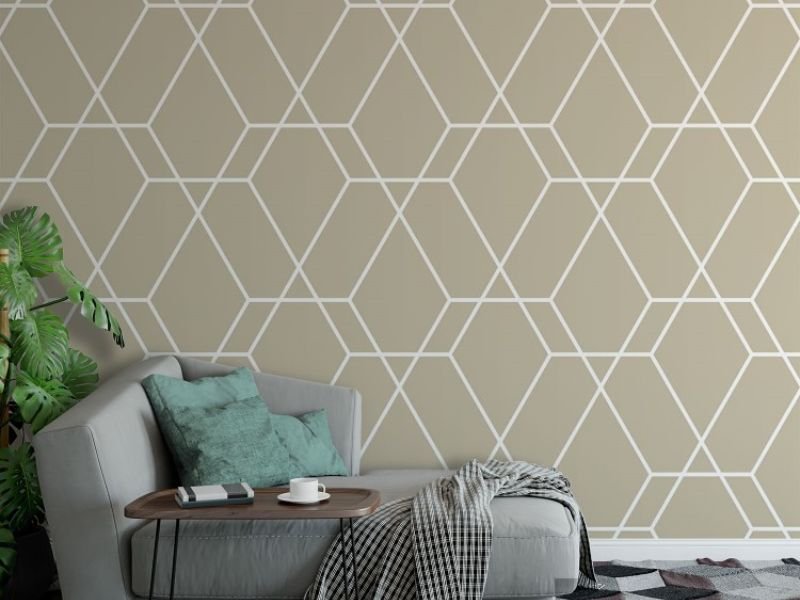
Contemporary events benefit from clean, structured looks:
- Geometric panel arrangements
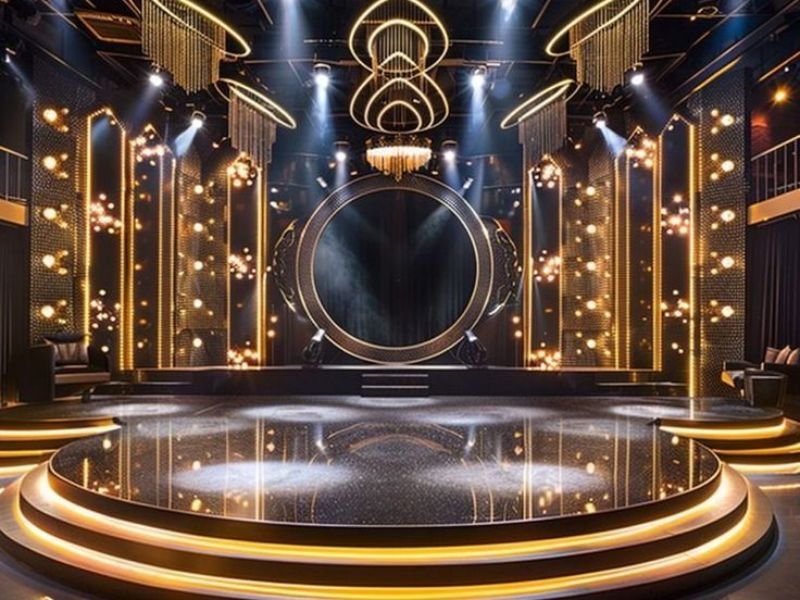
- Metallic backdrop screens
- LED panel displays
- Abstract art installations
- Minimalist color blocks
Themed Decorations
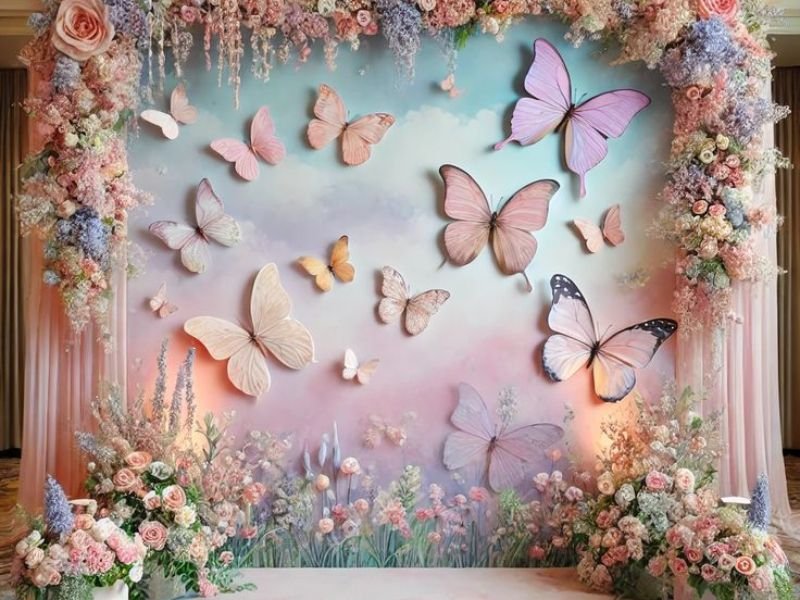
Match your backdrop to your event theme:
- Beach themes with shells and sand colors
- Vintage styles with antique frames and old lace
- Garden parties with arbors and climbing roses
- Hollywood glamour with sequins and gold accents
- Seasonal themes matching the time of year
Step by Step Guide to Planning Stage Decorations
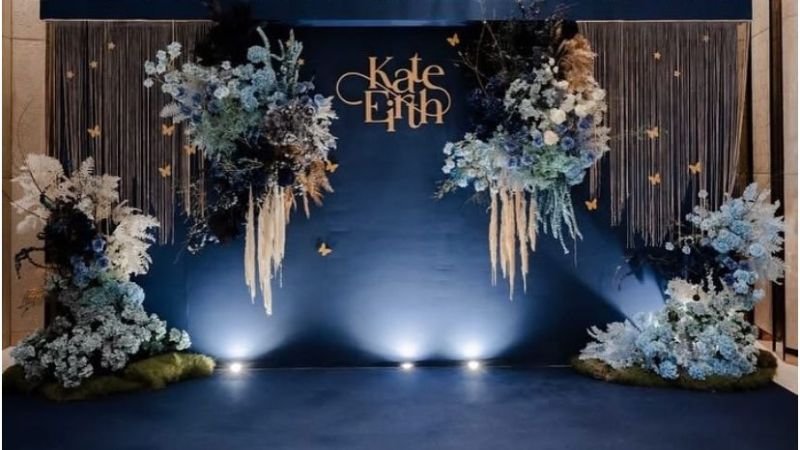
Step 1: Define Your Vision
Start by clearly understanding what you want to achieve:
- Determine your event type and formality level
- Choose a color scheme that matches your theme
- Decide on your overall style (modern, rustic, elegant, etc.)
- Consider your target audience and their expectations
Step 2: Assess Your Venue
Visit your venue and take detailed notes:
- Measure the stage or focal area dimensions
- Check ceiling height and hanging restrictions
- Identify power outlets for lighting
- Note any existing decorative elements
- Test acoustics if sound is important
- Take photos for reference during planning
Step 3: Set Your Budget
Create a realistic budget breakdown:
- Materials and supplies (40-50% of budget)
- Labor costs if hiring professionals (30-40%)
- Equipment rental like lighting or stands (10-15%)
- Miscellaneous expenses and contingency (5-10%)
Step 4: Create a Design Plan
Sketch your ideas and make detailed plans:
- Draw the stage area to scale
- Plan the placement of major elements
- Choose specific colors, flowers, and materials
- Create a timeline for setup and breakdown
- Make backup plans for weather or other issues
Step 5: Source Your Materials
Shop smart to stay within budget:
- Compare prices at multiple suppliers
- Ask about bulk discounts for large orders
- Consider renting expensive items like lighting
- Look for seasonal sales on flowers and materials
- Don’t forget basic supplies like tape, wire, and tools
Step 6: Prepare and Organize
Get organized before setup day:
- Prepare all materials in advance
- Create an assembly timeline
- Recruit enough helpers for setup
- Test all equipment before the event
- Have backup materials ready for emergencies
Step 7: Execute Your Design
Follow your plan but stay flexible:
- Start with the largest backdrop elements
- Add layers gradually from back to front
- Test lighting and adjust as needed
- Take photos during setup to track progress
- Make final adjustments before guests arrive
Step 8: Document and Clean Up
Finish strong and learn for next time:
- Take final photos of your completed design
- Note what worked well and what didn’t
- Carefully remove decorations to save reusable items
- Return any rental equipment promptly
- Store materials properly for future use
Common Mistakes to Avoid
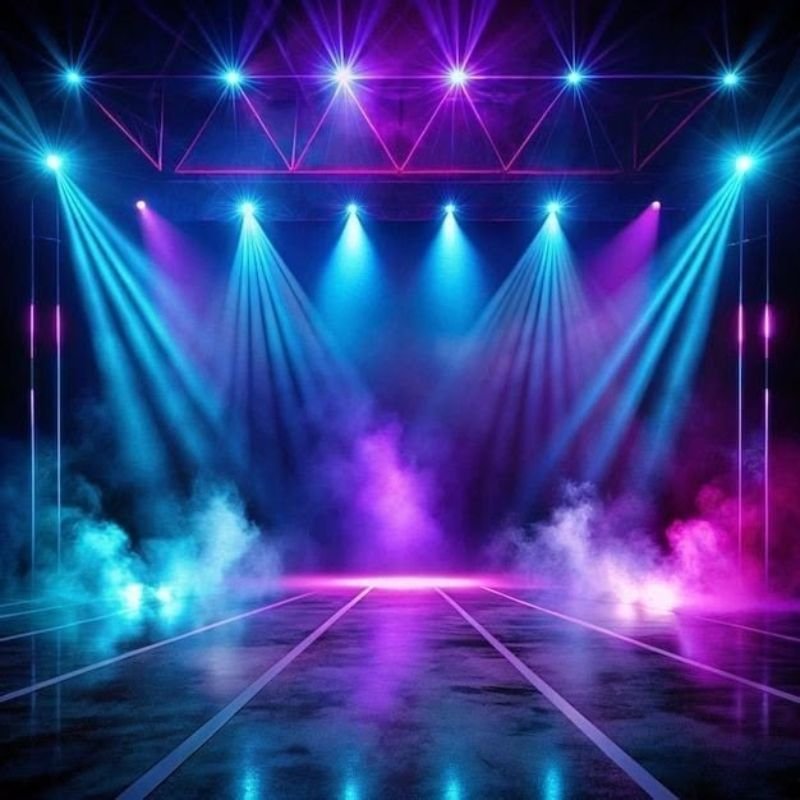
Ignoring Venue Limitations
Many decorators make the mistake of planning elaborate designs without checking venue rules. Always confirm:
- Weight limits for hanging decorations
- Fire safety requirements for materials
- Setup and breakdown time restrictions
- Power availability for lighting
- Access routes for large props
Choosing the Wrong Scale
Scale is crucial for effective stage decorations:
- Too small: Decorations get lost in large venues
- Too large: Overwhelming decorations dwarf the event
- Unbalanced: Mixing different scales looks unprofessional
Always consider your venue size when planning decoration dimensions.
Poor Color Coordination
Color mistakes can ruin otherwise beautiful decorations:
- Using too many competing colors
- Choosing colors that clash with venue lighting
- Ignoring how colors photograph
- Not considering seasonal appropriateness
- Forgetting to coordinate with other event elements
Inadequate Planning Time
Rushing stage decorations leads to disappointing results:
- Starting planning too late
- Underestimating setup time requirements
- Not having backup plans for problems
- Skipping venue visits and measurements
- Failing to test equipment in advance
Forgetting Practical Considerations
Beautiful decorations must also be functional:
- Blocking important sight lines for guests
- Creating safety hazards with loose materials
- Ignoring acoustics for speaking events
- Making decorations that are easily damaged
- Forgetting about breakdown and cleanup
Budget Mismanagement
Money problems can derail your decoration plans:
- Not tracking expenses throughout the planning process
- Forgetting to budget for tools and supplies
- Overspending on one element and shortchanging others
- Not factoring in labor costs for complex designs
- Failing to have contingency funds for emergencies
Material Options for Stage Decorations
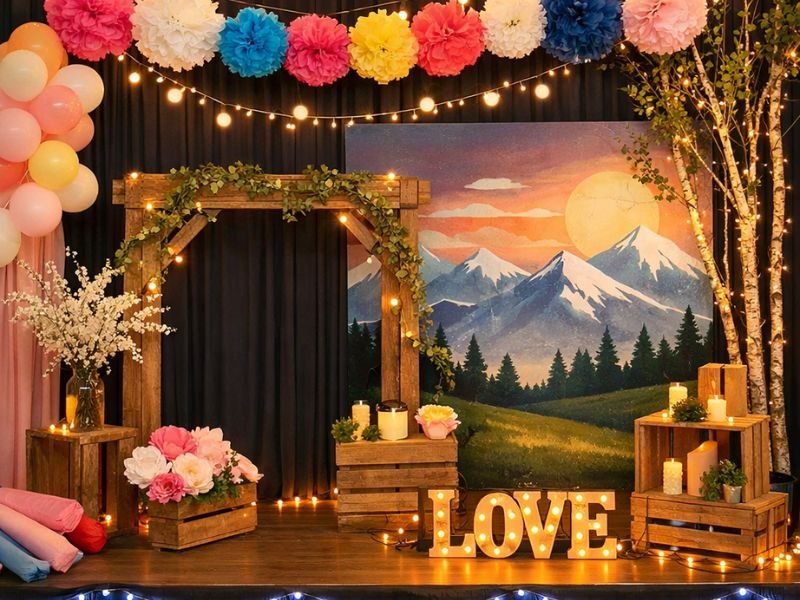
Budget Friendly Materials
Great decorations don’t require expensive materials:
- Paper flowers and pompoms
- Fabric from discount stores
- Balloon arrangements
- DIY wooden elements
- Seasonal branches and greenery
- String lights and LED strips
- Painted cardboard backdrops
Mid Range Options
Step up your game with these moderate cost materials:
- Quality silk flowers
- Rental linens and draping
- Professional lighting equipment
- Fresh flowers in season
- Bamboo and natural wood elements
- Metallic accents and props
Premium Materials
For special occasions that warrant extra investment:
- Fresh exotic flowers and arrangements
- Custom fabric panels and draping
- Professional sound and lighting systems
- Hand crafted wooden or metal backdrops
- Living walls and specialty plants
- Custom neon or LED signage
Seasonal Considerations for Stage Decorations
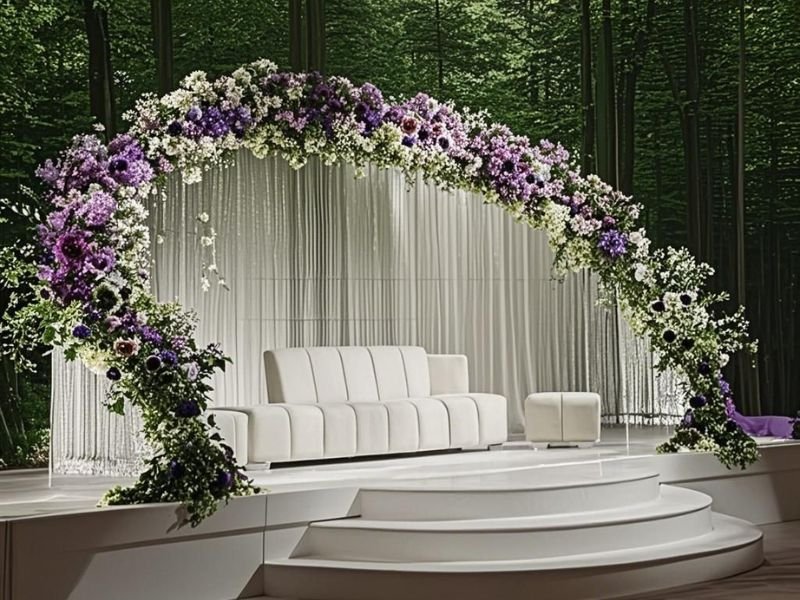
Spring Events
Take advantage of spring’s natural beauty:
- Fresh tulips, daffodils, and cherry blossoms
- Light pastel color schemes
- Garden themed backdrops
- Butterfly and bird accents
- Fresh green foliage and new growth
Summer Celebrations
Bright, bold summer decorations work well:
- Vibrant tropical flowers
- Beach and nautical themes
- Outdoor lighting for evening events
- Fresh fruit and vegetable accents
- Cooling elements like fans or misters
Fall Gatherings
Autumn offers rich colors and textures:
- Warm oranges, reds, and golden yellows
- Pumpkins, gourds, and harvest themes
- Fall foliage and dried arrangements
- Cozy lighting with candles and lanterns
- Rustic wood and burlap elements
Winter Events
Create magic with winter-themed decorations:
- Silver, white, and deep blue color schemes
- Twinkling lights and sparkly accents
- Evergreen branches and pine cones
- Elegant drapery and rich fabrics
- Candles and warm lighting effects
DIY vs Professional Stage Decorations
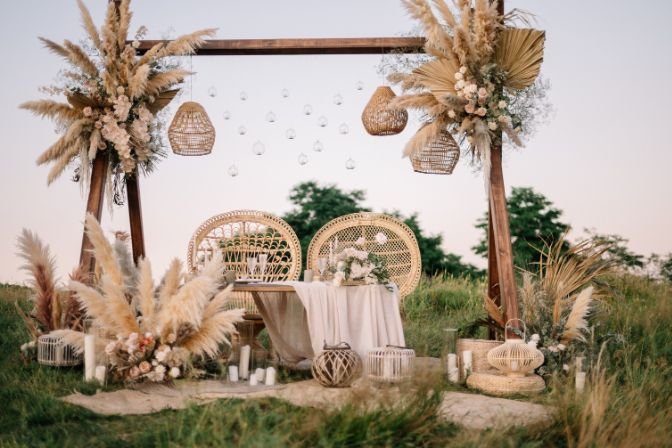
When to DIY
Do-it-yourself decorations work well for:
- Small, intimate gatherings
- Budget conscious events
- Simple designs with basic materials
- Events where personal touch matters most
- Occasions with helpful friends and family
When to Hire Professionals
Consider professional decorators for:
- Large or complex events
- High-stakes occasions like weddings
- Corporate events requiring polished results
- Venues with challenging installation requirements
- Events where you want to enjoy rather than work
Hybrid Approaches
Many successful events combine both approaches:
- Hire professionals for complex backdrop installation
- DIY smaller accent pieces and details
- Professional lighting with DIY decorative elements
- Expert advice with personal execution
Lighting for Stage Decorations
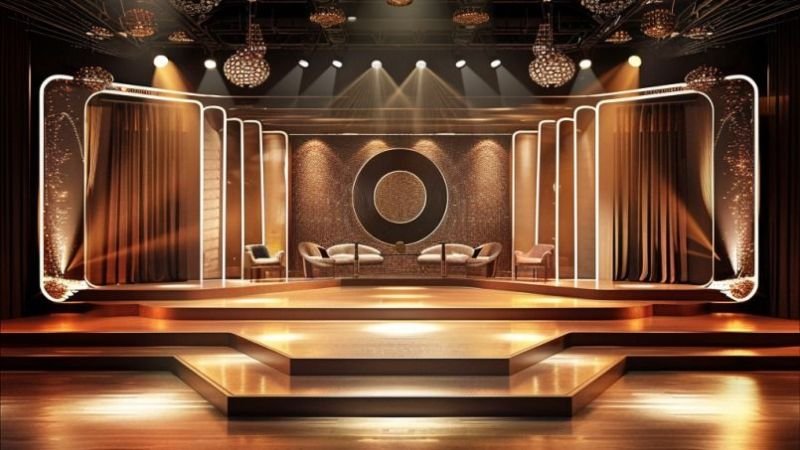
Basic Lighting Principles
Good lighting transforms stage decorations:
- Front lighting illuminates decorations clearly
- Back lighting creates dramatic silhouettes
- Side lighting adds depth and dimension
- Colored lighting enhances mood and theme
- Moving lights add dynamic interest
Types of Lighting Equipment
Choose the right lighting for your needs:
- LED strip lights for accent lighting
- Spotlights for focal point illumination
- String lights for romantic ambiance
- Uplighting to highlight backdrop elements
- Gobo projectors for patterns and designs
Safety Considerations
Always prioritize safety with lighting:
- Use outdoor-rated equipment for exterior events
- Ensure all electrical connections are secure
- Keep lights away from flammable materials
- Have fire extinguishers readily available
- Test all equipment before the event
Maintenance and Troubleshooting
During the Event
Keep decorations looking perfect throughout your event:
- Assign someone to monitor decorations
- Have repair supplies readily available
- Check lighting periodically for burned-out bulbs
- Refresh flowers and perishable elements
- Make adjustments for weather changes
Common Problems and Solutions
Be prepared for these typical issues:
- Drooping fabric: Use additional support clips
- Wilting flowers: Mist lightly or replace as needed
- Loose elements: Secure with additional fasteners
- Lighting failures: Have backup bulbs and equipment
- Weather damage: Protect with covers or move indoors
Trending Stage Decoration Styles
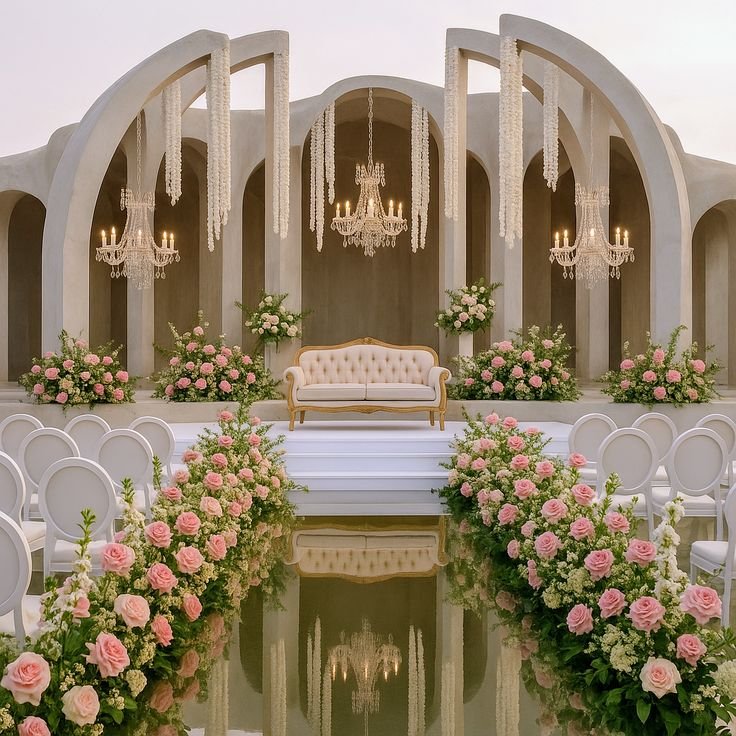
Minimalist Designs
Clean, simple decorations are increasingly popular:
- Neutral color palettes
- Simple geometric shapes
- Quality over quantity approach
- Negative space as design element
- Focus on texture rather than color
Sustainable and Eco-Friendly
Environmental consciousness influences decoration choices:
- Reusable and recyclable materials
- Living plants instead of cut flowers
- Solar-powered lighting options
- Locally sourced natural elements
- Vintage and repurposed items
Interactive Elements
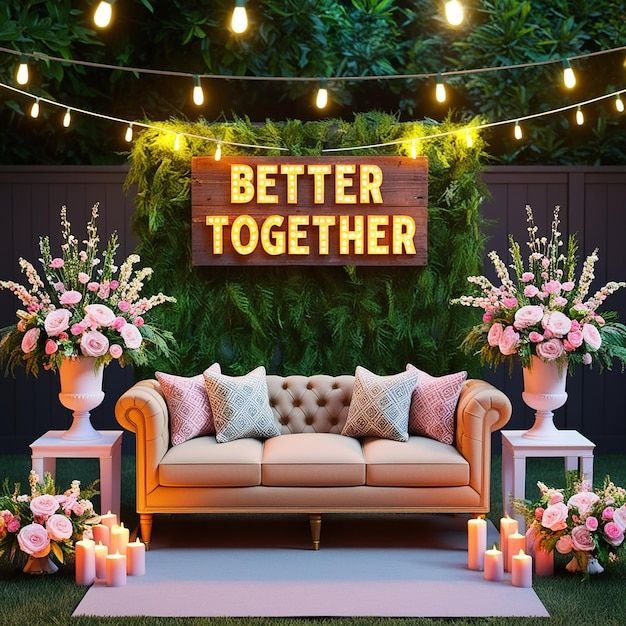
Modern events often include participatory decorations:
- Photo booth backgrounds with props
- Digital displays with guest messages
- Interactive lighting that responds to movement
- Guest-created decoration elements
- Social media integration points
Frequently Asked Questions
Q1: How far in advance should I start planning stage decorations?
Start planning at least 6-8 weeks before your event, especially for weddings or large celebrations. This gives you enough time to source materials, test designs, and handle any unexpected issues. For corporate events, 3-4 weeks is usually sufficient. Holiday events may require earlier planning due to increased demand for supplies and services.
Q2: What’s a reasonable budget for stage decorations?
Stage decoration budgets vary widely based on event size and style. For small gatherings, $100-300 can create beautiful displays. Medium events typically spend $500-1500, while large formal events may invest $2000-5000 or more. Generally, allocate 10-15% of your total event budget to decorations. Remember that DIY approaches can significantly reduce costs.
Q3: Can I reuse stage decorations for multiple events?
Yes, many stage decoration elements can be reused with proper planning. Invest in quality backdrop stands, lighting equipment, and durable props that work with different themes. Fabric panels can be dyed new colors, and neutral elements like wooden arches work for various occasions. Store reusable items carefully between events to maintain their condition.
Q4: How do I choose decorations that photograph well?
Consider these photography tips when selecting stage decorations: Use colors that contrast with clothing for clear subject separation. Avoid busy patterns that distract from people in photos. Ensure adequate lighting for good picture quality. Test your decoration setup with sample photos before the event. Consider the viewing angles where most photos will be taken.
Q5: What should I do if something goes wrong during setup?
Always have a backup plan and emergency supplies ready. Bring extra materials like tape, wire, and basic tools. Have contact information for local suppliers in case you need last minute replacements. Assign a point person to handle decoration emergencies during the event. Remember that minor imperfections often go unnoticed by guests, so don’t stress over small issues.
Conclusion
Stage decorations have the power to transform any event from ordinary to extraordinary. Whether you’re planning wedding stage decorations for your special day, creating a professional backdrop for a corporate event, or designing a fun atmosphere for a birthday party, the right decorative elements make all the difference.
Success with stage decorations comes from careful planning, creative thinking, and attention to detail. Start with a clear vision, work within your budget, and don’t be afraid to try new ideas. Remember that the best decorations support your event’s purpose rather than overwhelming it.
The most important thing is creating an atmosphere that helps your guests feel welcome and engaged. With these stage backdrop design ideas and practical tips, you’re ready to create stunning decorations that will make your event truly memorable.
Pingback: Aria Events Balloon Decor: Elevating Your Events with Creative