
A bare wall is a missed opportunity. Most people default to canvas prints or framed photographs, yet one material metal carries an entirely different energy. Metal wall art brings texture, depth, and permanence that fabric or paper simply cannot replicate. It catches light at dawn differently from how it glows under an evening lamp. More importantly, it communicates something deliberate about the space it inhabits.

Whether you are designing a minimalist apartment, a creative studio, or a corporate lobby, metal art fits. wall decor ideas Furthermore, it suits every design philosophy from raw industrial brutalism to soft Scandinavian calm. This guide walks you through everything: materials, styles, placement strategy, and the case for bespoke pieces that no catalogue can replicate.
Why Metal Wall Art Outperforms Other Wall Décor
Canvas art fades. Wood cracks in humidity. Metal, on the other hand, ages with character. Metal wall art develops a patina a natural narrative of time that actually increases its visual richness. Specifically, materials like copper and raw steel reward patience; they look better at ten years than at ten days.
Consequently, interior designers increasingly specify metal pieces for permanent installations rather than seasonal rotations. The material holds weight on a wall visually and literally in a way that makes a room feel considered, not assembled.
Understanding the Materials: Steel, Copper, and Iron
Each metal brings its own personality. Choosing the right one means aligning the material’s character with the room’s emotional tone.
Steel: The Modernist’s Choice
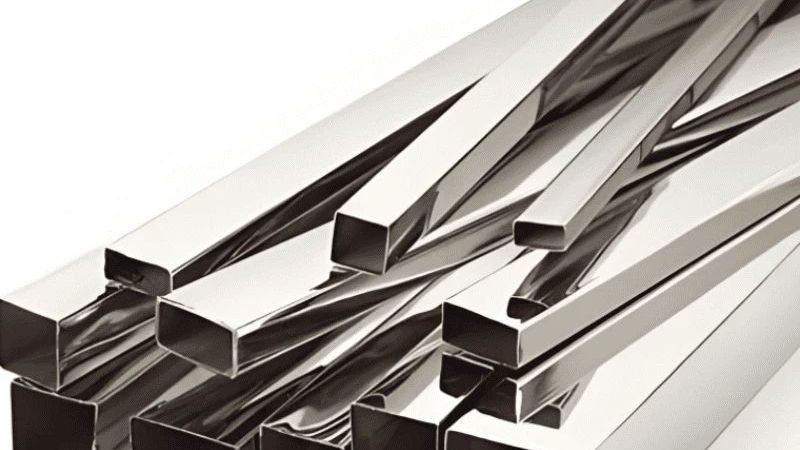
Steel offers clean lines and an almost architectural presence. Powder-coated steel comes in matte blacks, whites, and deep charcoals colours that anchor a gallery wall without competing with surrounding furniture. Furthermore, steel is exceptionally durable and resists warping, making it ideal for both indoor and outdoor placements.
Copper: Warmth and Movement
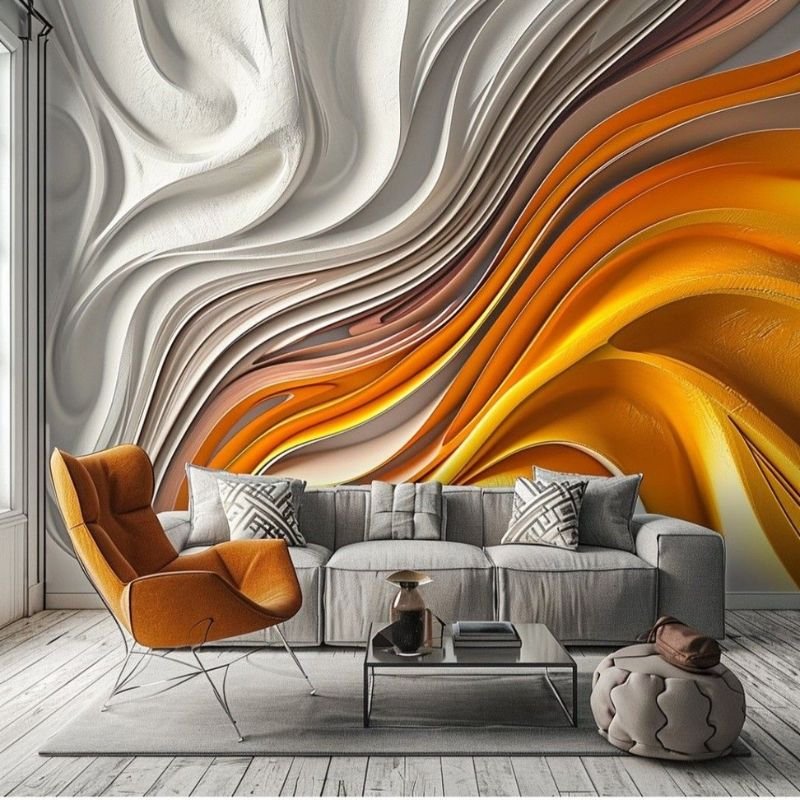
Copper metal wall art introduces warmth that colder metals lack. Its reddish gold tones pair naturally with earthy interiors terracotta tiles, linen sofas, reclaimed wood. Specifically, hammered copper panels create an almost liquid movement on the surface, catching ambient light as it shifts through the day. In addition, copper develops a verdigris patina over time, adding organic depth without any intervention.
Iron: Raw and Sculptural
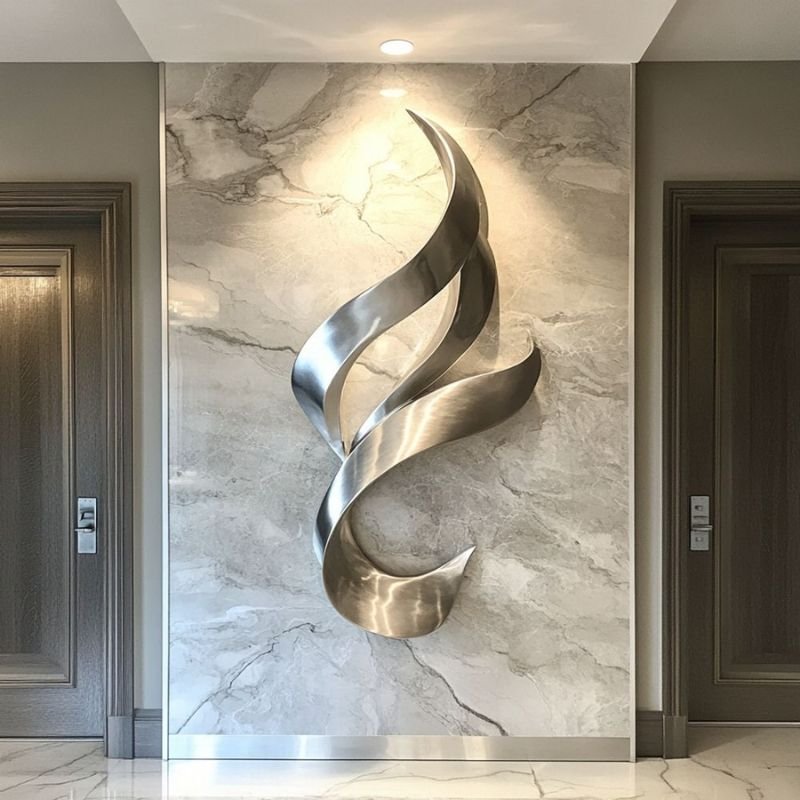
Cast and wrought iron wall art leans heavily sculptural. It suits spaces that embrace texture and weight exposed brick lofts, heritage style dining rooms, or eclectic creative studios. Because iron carries significant visual mass, it works best as a singular focal point rather than part of a clustered arrangement.
Popular Styles of Metal Wall Art
Abstract Metal Art
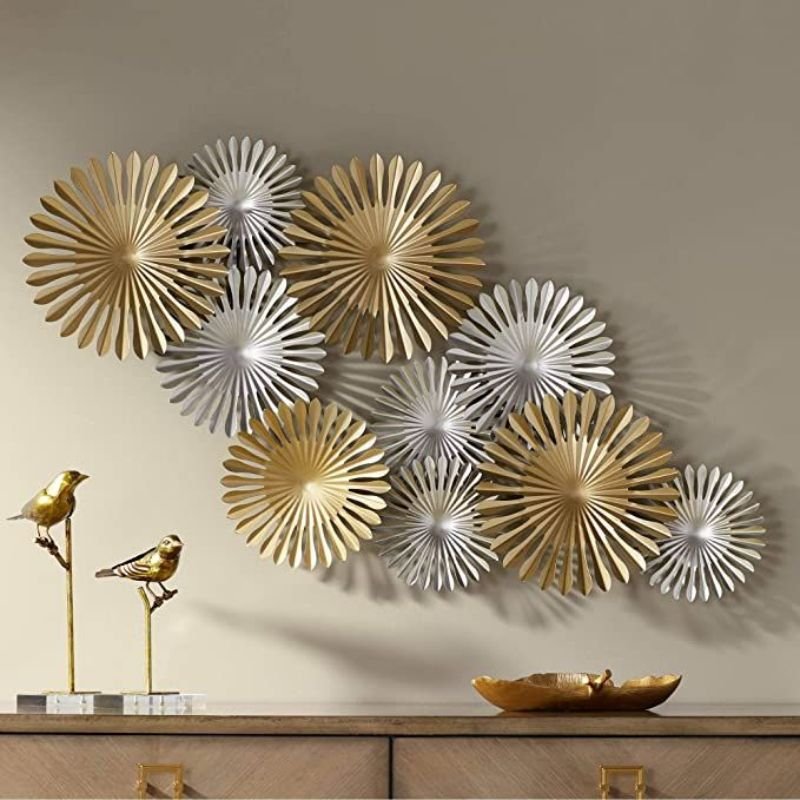
Abstract compositions in metal are perhaps the most versatile. Flowing curves and asymmetric cutouts allow the viewer to interpret meaning personally making abstract pieces conversation starters. They integrate seamlessly into contemporary and transitional interiors alike. Moreover, abstract metal wall art avoids the risk of clashing with specific colour palettes because it functions more as sculpture than as illustration.
Geometric Metal Art
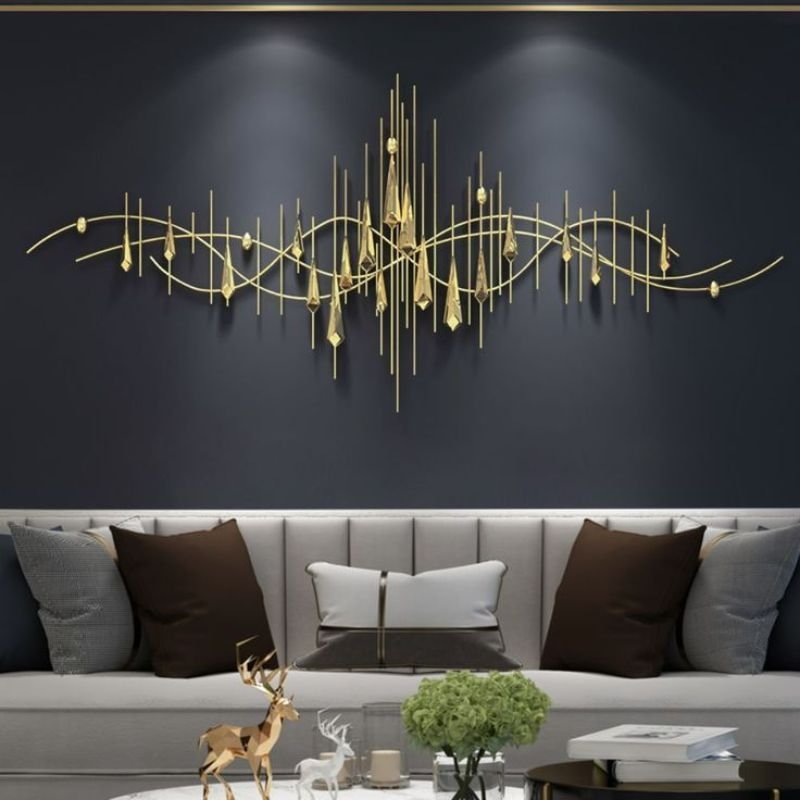
Geometric designs, including hexagons, triangles, and interlocking rings, bring mathematical precision to a wall. This style of metal wall art pairs especially well with mid century modern and Bauhaus inspired interiors. Repeating forms create a sense of visual rhythm without overwhelming the space. As a result, such pieces work beautifully across a wide range of room sizes.
Nature Inspired Metal Art
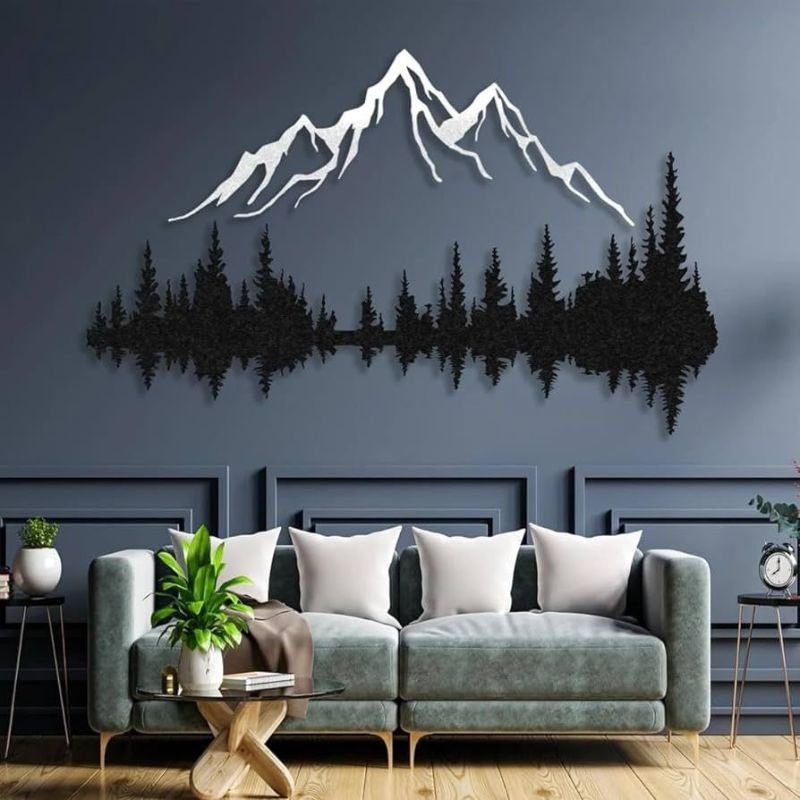
Trees, leaves, birds in flight, and botanical silhouettes translate beautifully into laser cut or hand forged metal. Nature inspired metal wall art softens industrial spaces and adds an organic counterpoint to otherwise hard edged rooms. In addition, it brings the sensation of the outdoors inside a quality increasingly valued in urban interior design.
Placement Tips: Where to Hang Metal Wall Art
In the Living Room
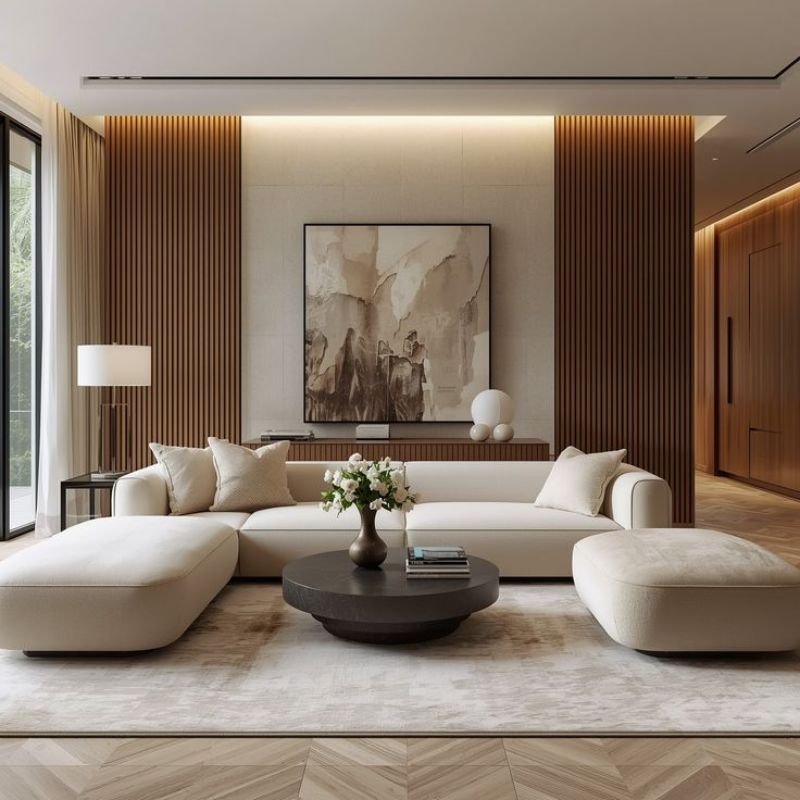
The living room is the most natural home for a statement piece. living room decor Position metal wall art above the sofa at eye level approximately 145 to 150 centimetres from the floor to the artwork’s centre. Large scale pieces work best on wide, uninterrupted walls. Furthermore, ensure the piece spans roughly two-thirds the width of the furniture beneath it for visual balance.
- Avoid placing metal art directly above a fireplace with high heat output.
- Use picture lights or directional spotlights to accentuate texture.
- Mix metal finishes carefully one dominant metal with one accent keeps the palette coherent.
In the Home Office or Studio
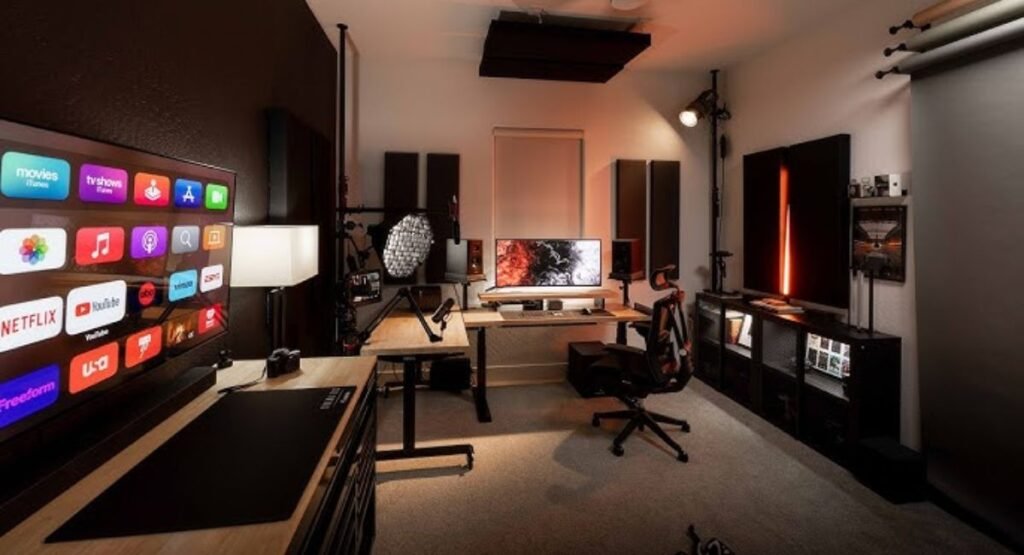
An office benefits enormously from art that stimulates without distracting. Metal wall art in a workspace specifically geometric or minimalist abstract forms adds visual interest while maintaining the focused energy a productive environment requires. Place it within the sightline from your primary work position, not behind you.
In the Dining Room
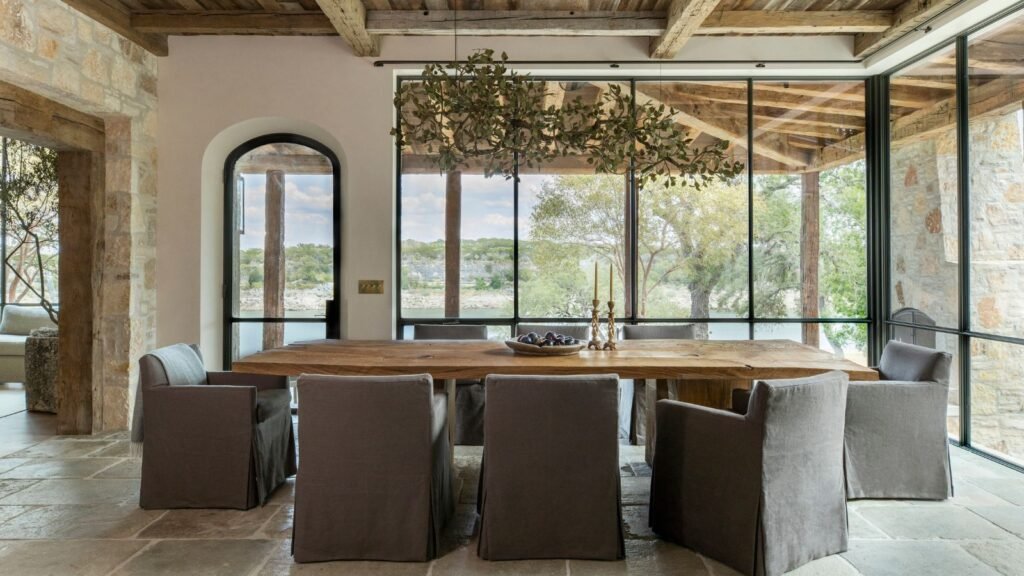
The dining room wall, particularly the one visible from the table, deserves something with warmth and presence. dining room wall decor Copper or bronze finished metal art reflects candlelight and pendant lighting beautifully, consequently creating an intimate, gallery like atmosphere during meals.
Outdoors and on Feature Walls
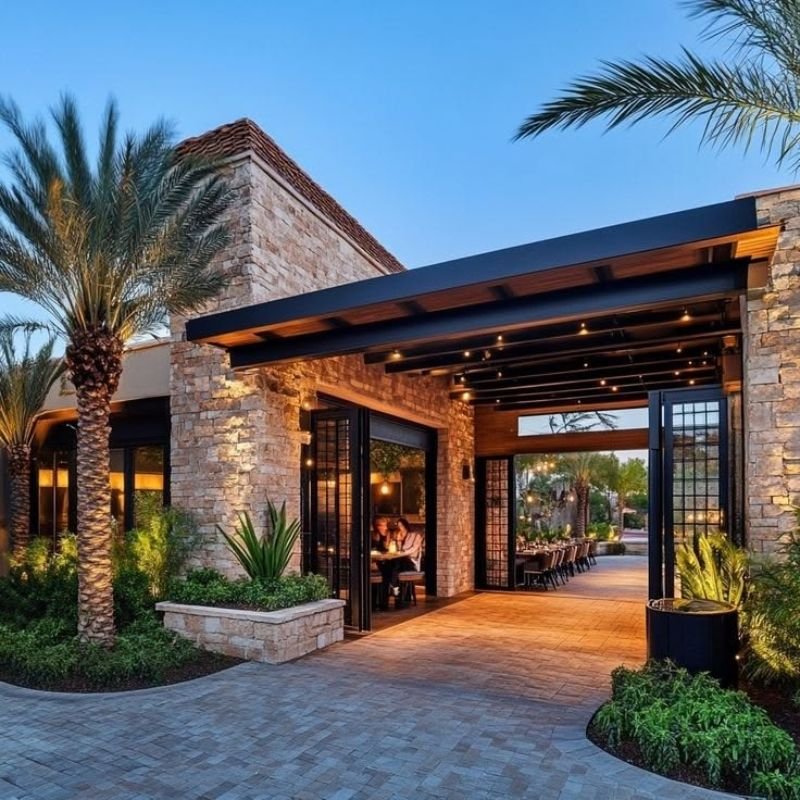
Powder coated and weathered steel metal art performs excellently in outdoor spaces garden walls, pergolas, entryways. Additionally, feature walls in hallways benefit from vertically oriented metal panels that draw the eye upward, making low ceiling corridors feel taller.
Bespoke and Customised Metal Wall Art The Case for One of a Kind Pieces
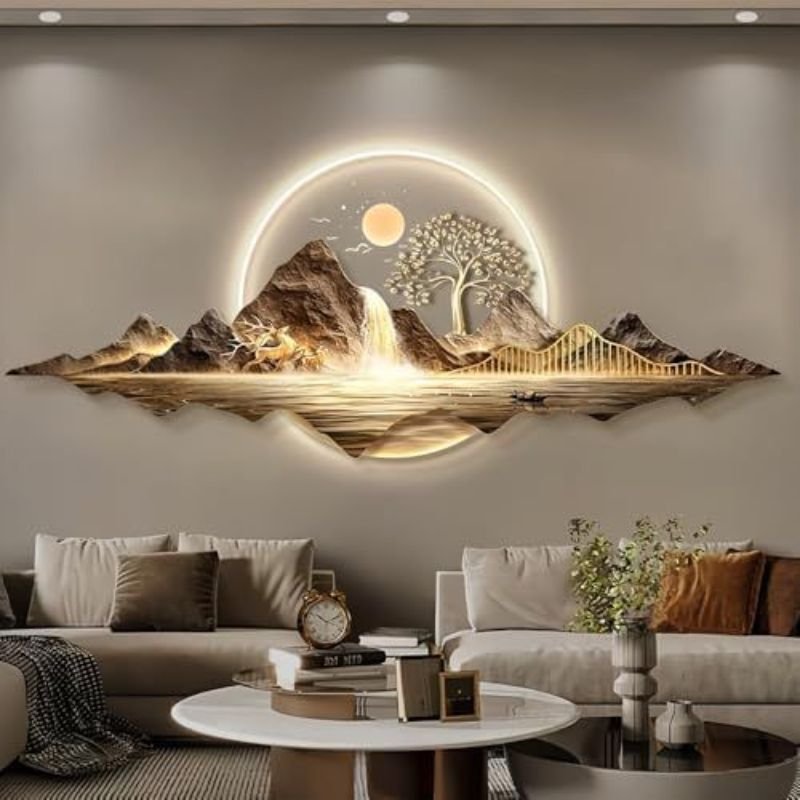
Mass produced art fills a wall. Custom art defines it. Bespoke metal wall art designed to a specific size, finish, and concept offers something no catalogue piece can: a direct relationship between the artwork and the space it was made for.
Specifically, custom metal pieces address the practical challenges of unusual wall dimensions, specific colour schemes, and unique architectural features. Furthermore, they carry a provenance a story of collaboration between designer and maker that adds cultural value beyond aesthetics.
- Size accuracy: Custom pieces fill a wall precisely, without awkward proportional compromises.
- Finish matching: Patina, powder coat, and texture choices align with existing hardware and furniture tones.
- Longevity: Handcrafted metal art, made from quality stock, lasts decades without degradation.
- Exclusivity: No two custom pieces are identical an important consideration for high end residential and commercial projects.
Consequently, interior designers and architects increasingly collaborate with metal artists early in the design process, treating the artwork as an architectural element rather than an afterthought.
How to Care for Metal Wall Art
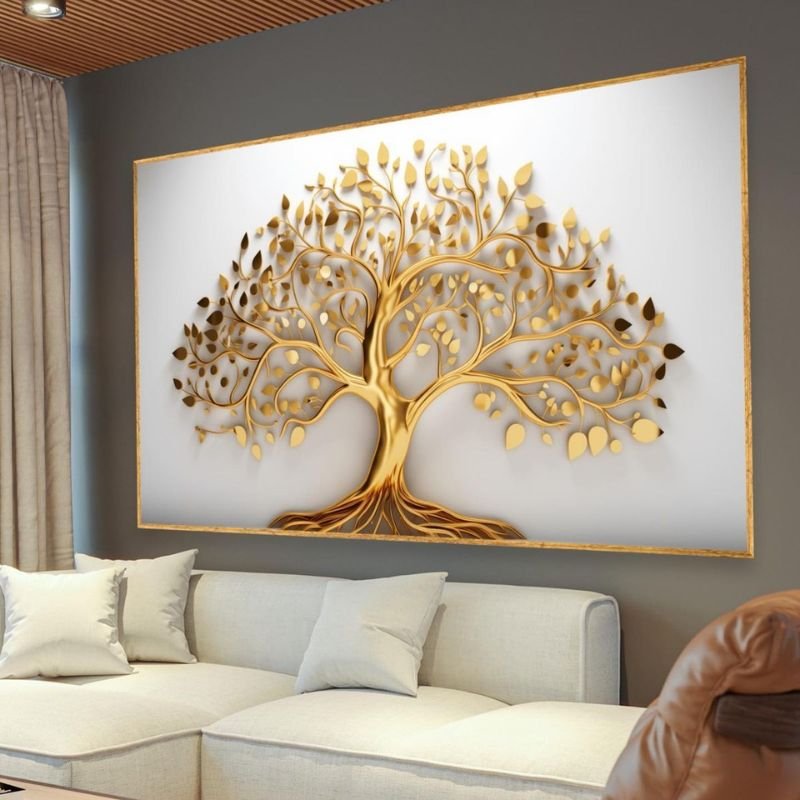
Maintenance is minimal but worth doing correctly. Dust metal surfaces regularly with a soft, dry cloth. For powder coated finishes, a slightly damp microfibre cloth works well. Additionally, avoid abrasive cleaners that strip protective coatings. For raw steel or iron pieces with intentional rust patinas, apply a thin coat of clear wax annually to slow further oxidation.
Frequently Asked Questions
1. Is metal wall art suitable for humid rooms like bathrooms and kitchens?
Yes provided the piece carries a moisture resistant finish such as powder coating or lacquer; stainless steel and aluminium are particularly well suited to high humidity environments.
2. How do I hang heavy metal wall art safely?
Always locate wall studs or use masonry anchors rated for the piece’s weight; professional installers recommend using two fixing points for any piece exceeding 5 kg to prevent tilting.
3. Does metal wall art work in minimalist interiors?
Absolutely matte black powder coated steel with geometric or abstract cutouts is a staple of minimalist design, adding depth without visual clutter.
4. How do I choose the right size of metal wall art for my room?
As a general rule, the artwork should occupy 60–75% of the available wall width; for walls above furniture, the piece should be roughly two thirds the width of the piece below it.
5. Can metal wall art be used outdoors year round?
Yes weathering steel (Corten), powder coated aluminium, and galvanised iron all perform reliably outdoors, developing rich patinas over time rather than degrading.
Conclusion
Metal wall art is not simply décor it is a design decision that shapes the emotional register of an entire room. From the warm depth of hand hammered copper to the crisp authority of powder coated steel, every material choice communicates something distinct. Furthermore, the versatility of metal across styles, scales, and environments makes it one of the most intelligent investments a homeowner or designer can make.
If you are ready to move beyond generic prints and fill your walls with something genuinely lasting, explore bespoke metal art crafted specifically for your space. A piece made for your wall in your dimensions, your finish, your vision is the difference between a decorated room and a designed one.