
The dining room is more than a place to eat. It is where families share meals, guests gather, and everyday moments become memories. Thoughtful dining room wall decor can make this space feel warmer, more inviting, and more connected to your personal style.
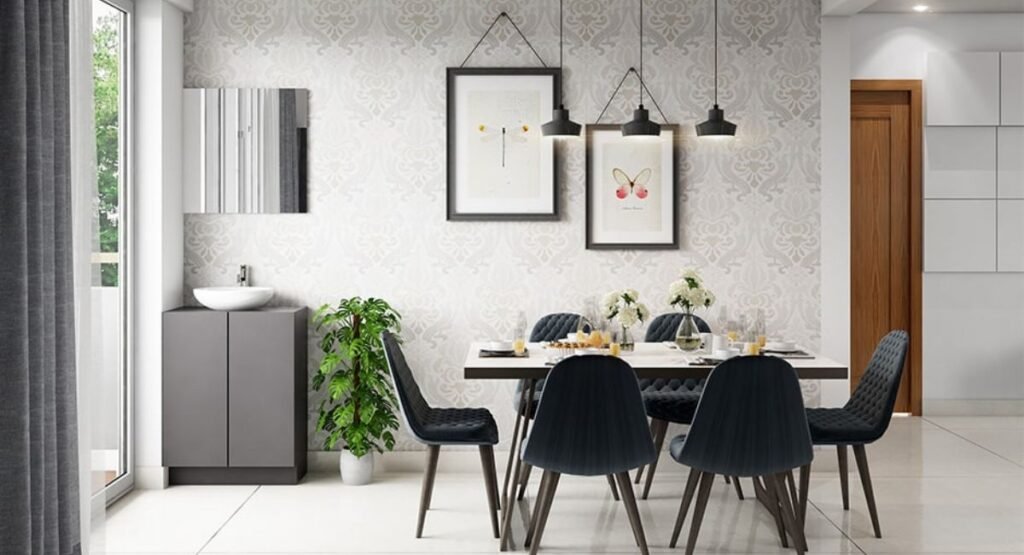
Whether your dining area is large, compact, modern, or traditional, the right wall decor can add character without making the room feel crowded. From artwork and mirrors to wood panels, shelves, and textured wall hangings, there are plenty of ways to create a balanced and attractive dining space.
From choosing a cohesive theme and arranging gallery walls to using mirrors, textured materials, and functional shelving, this guide covers practical ideas for decorating your dining room walls.
1. Choosing a Theme: The Foundation of Cohesive Dining Room Wall Decor
Before a single nail goes into the wall, establish your visual language. A theme is not a rigid rulebook; it is a lens through which every decorative decision becomes easier and more intentional. Three dominant styles define contemporary dining spaces:
Minimalist Dining Room Wall Decor Style
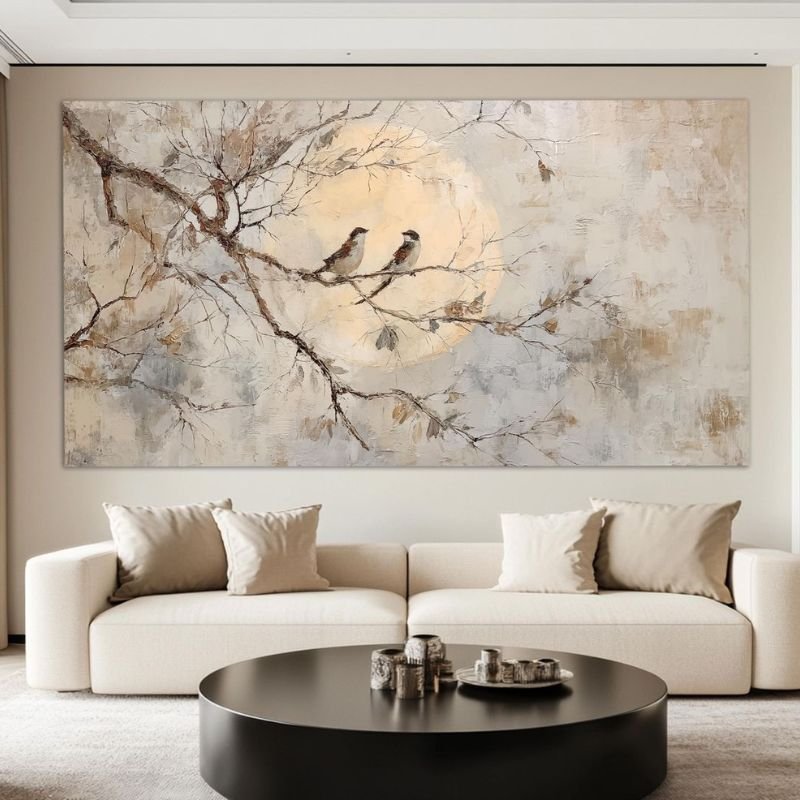
Minimalism thrives on restraint. The guiding principle is that negative space is itself a design element powerful, breathing, and deliberate. In a minimalist dining room, wall decor favors a single large format artwork with strong compositional lines, a limited palette of two or three tones, and zero visual clutter. Think monochrome photography, abstract line drawings, or a single sculptural relief panel. The focal point is singular and commanding. Everything else steps back.
Checklist for a Minimalist Dining Wall:
- Keep the arrangement simple and avoid unnecessary visual clutter
- Choose frames in matte black, warm white, or natural oak
- Allow plenty of open wall space around your artwork
- Position artwork at a comfortable viewing height based on the room and furniture
Rustic Farmhouse Wall Decor for Dining Rooms
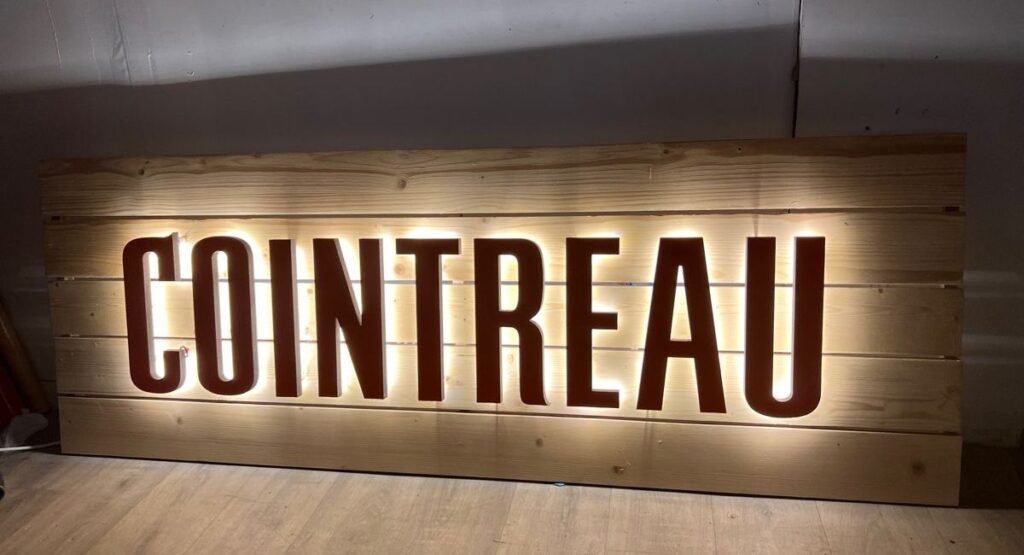
The rustic aesthetic leans into organic imperfection. Reclaimed wood panels, wrought iron wall sconces, vintage signage, and botanical prints all carry the visual weight of history. Warmth is the operative word here. Layering is not only acceptable it is encouraged. A gallery wall mixing antique oil portraits, pressed flower frames, and a hand lettered typography piece reads as curated, not chaotic, when held together by a warm amber and cream color story.
Checklist for a Rustic Dining Wall:
- Incorporate at least one reclaimed or distressed material
- Mix frame finishes such as aged gold, dark walnut, and raw iron for a collected look.
- Use warm toned lighting to enhance texture and depth
- Use one larger anchor piece to give the arrangement visual weight.
Modern and Contemporary Dining Wall Decor Ideas
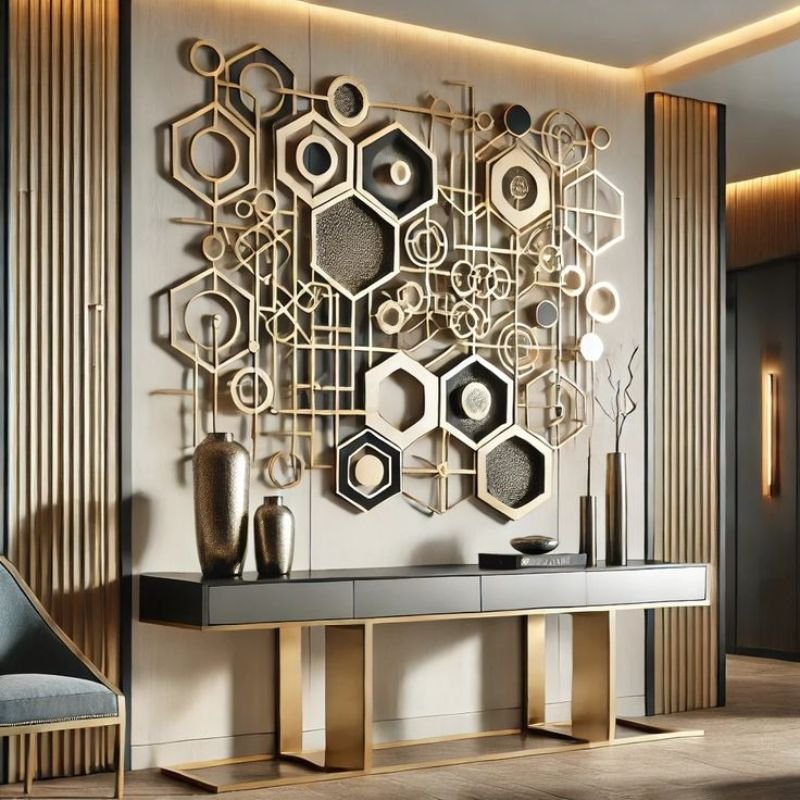
Modern dining room wall decor is defined by clean geometry, bold contrasts, and material experimentation. Abstract canvases with high chroma color, oversized typographic prints, metallic wall sculptures, and backlit art panels all belong here. The key is intentional asymmetry. Modern design does not have to feel sterile. A vivid triptych above a sleek sideboard, for example, can create visual energy, while a group of circular mirrors can add movement and balance.
Checklist for a Modern Dining Wall:
- Use geometric shapes as a recurring motif across pieces
- Introduce at least one metallic element brass, copper, or brushed steel
- Opt for floating shelves over traditional picture rails
- Consider backlit art panels for integrated ambient lighting
2. Gallery Wall Ideas for Dining Room Wall Decor
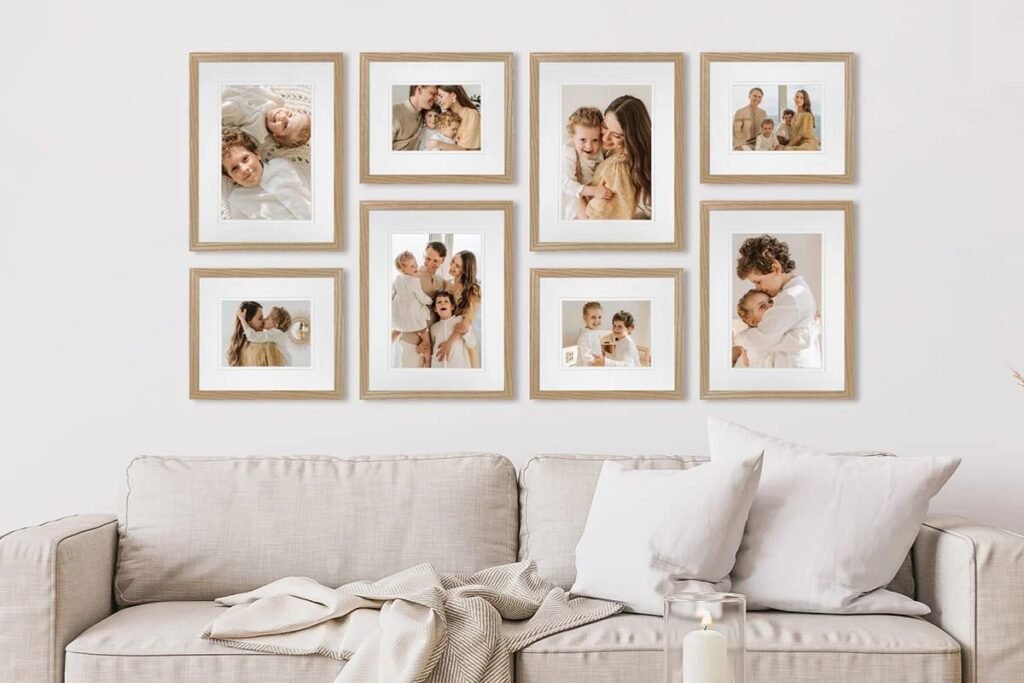
A gallery wall is simultaneously the most rewarding and most intimidating aspect of dining room wall decor. Done right, it is a living archive of taste. Done poorly, it looks like a yard sale. The difference lies entirely in three variables: sizing, spacing, and compositional ratio.
Gallery Wall Ratios That Transform Dining Room Decor
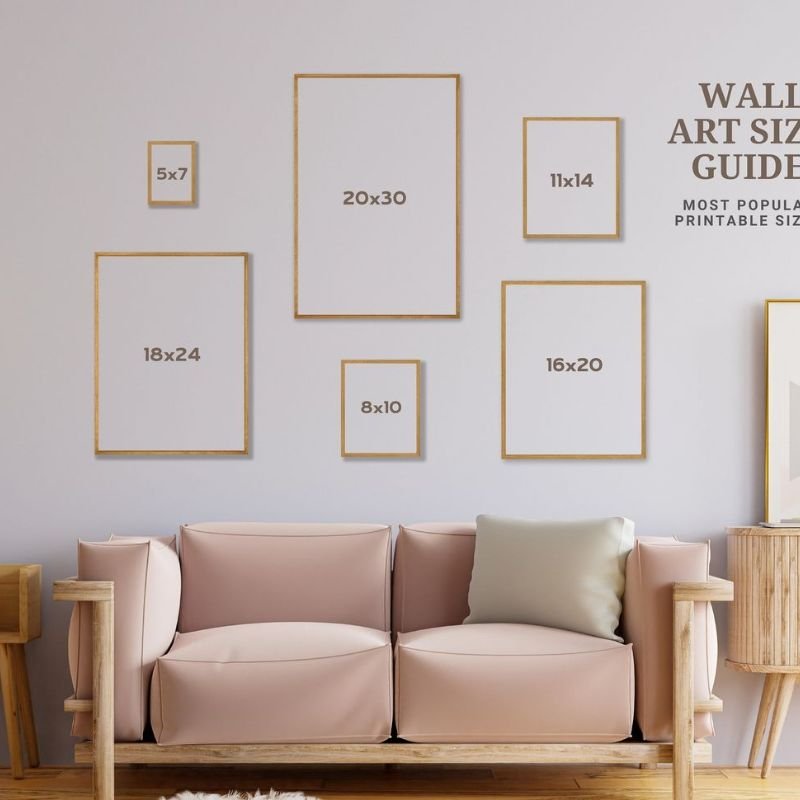
A 60-30-10 approach can be a useful way to balance a gallery wall. Use larger pieces as the main visual anchors, medium-sized artwork to support the composition, and smaller accents such as miniature frames or decorative objects to complete the arrangement. If you want more layout inspiration, explore our gallery wall ideas guide.
This approach can make the arrangement feel balanced and organized while giving each piece enough visual space. Adjust the size and number of pieces according to your wall size, furniture, and overall decorating style.
Spacing: The Rule of Threes
Maintain consistent gaps between frames. A gap of around 5 to 8 cm can work well between frames, although the ideal spacing depends on the size of the artwork and the wall. Before drilling, use painter’s tape to outline each frame and test the arrangement from different angles. Anything tighter reads as crowded; anything wider fragments the arrangement into isolated objects.
Additional sizing and spacing guidelines:
- The total gallery arrangement should occupy no more than 75% of the wall’s width
- Keep the center of the gallery at a comfortable viewing height, taking the dining table and seated eye level into account
- When mixing horizontal and vertical orientations, cluster at least two pieces of the same orientation together to create visual anchors
- Use odd numbers in groupings three, five, or seven pieces feel more dynamic than even numbers
3. Using Mirrors to Create Depth, Light, and Perceived Space
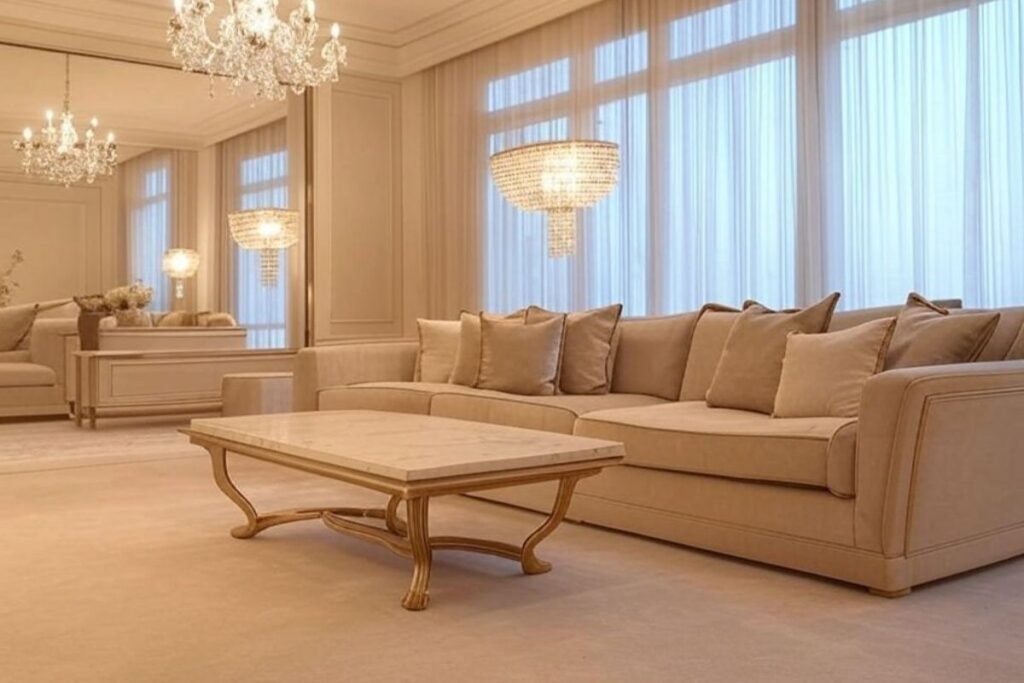
If there is one tool that earns its place in almost every dining room wall decor scheme, it is the mirror. Strategically placed mirrors perform three distinct functions that no other wall element can replicate: they amplify natural light, create an illusion of expanded space, and introduce a second perspective of the room itself often revealing architectural elements or table arrangements from flattering new angles.
Placement Principles for Maximum Impact
Position mirrors where they can reflect a window, skylight, or another light source. This can make the dining room feel brighter and more open, although the effect depends on the mirror’s size, position, and available natural light. This is particularly transformative in north facing dining rooms that receive limited direct sun.
For rooms with a statement chandelier or pendant, placing a mirror on the adjacent wall catches the fixture’s warm glow and scatters it softly across the ceiling creating the kind of ambient lighting integration that would otherwise require recessed lighting on a dimmer.
Mirror Shapes and Their Visual Personalities
- Arched mirrors: Soften angular rooms; add architectural drama without structural change
- Round mirrors: The most versatile shape; works across minimalist, rustic, and modern contexts
- Sunburst mirrors: High decorative impact; best used as a solo focal point rather than in groupings
- Rectangular leaning mirrors: Elongate narrow dining spaces; ideal for apartments
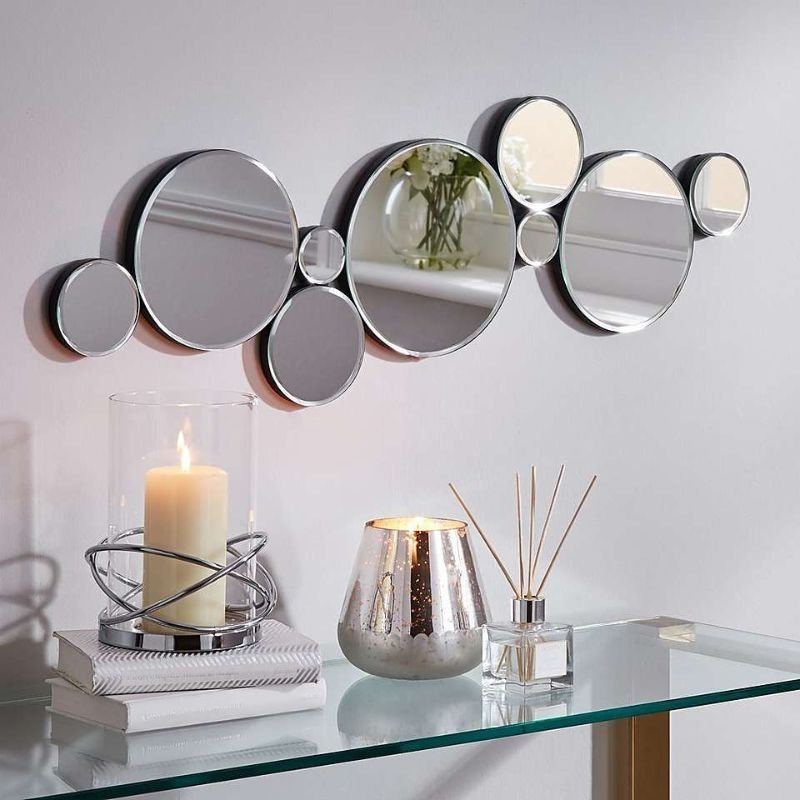
- Clustered small mirrors: Can replace a gallery wall; creates a mosaic-like reflective surface
One important caution: Avoid positioning mirrors where diners constantly see their own reflections. Instead, angle them toward natural light, artwork, or an attractive architectural feature. The goal is reflected light and perceived space not a surveillance effect.
4. Textural Elements: Tapestries, Wood Slats, and 3D Wall Art
Dining room wall decor enters its most sensory dimension when texture is introduced. While paintings and photographs engage the eye, tactile wall elements engage a deeper, more visceral response. They create rooms that feel finished not just decorated. And in the dining room, where guests linger and conversation flows, a wall that rewards a second look keeps the atmosphere alive.
Tapestries and Woven Wall Hangings
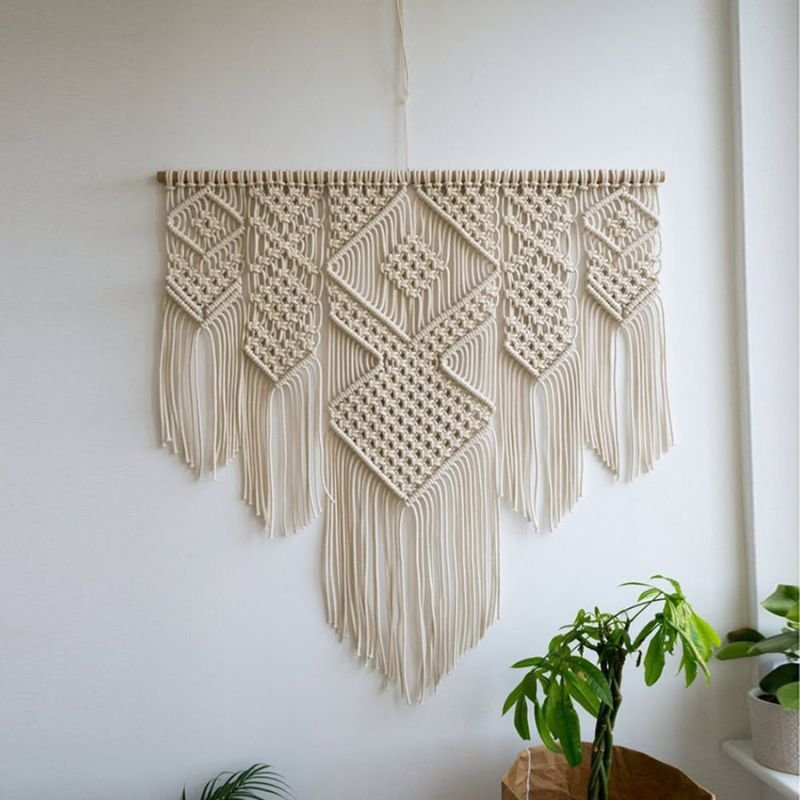
A large-format woven tapestry is among the most acoustically and visually generous things you can do for a dining room. Beyond aesthetics, the textile surface absorbs sound, reducing the echo that plagues hard surfaced open plan dining spaces. From Moroccan kilim inspired weavings to contemporary macramé panels, the language of textiles in interior design is rich and growing.
The large textile can become a strong focal point while its texture adds warmth and visual softness to the room. For a modern dining room, choose abstract geometric patterns in a two tone palette. For rustic interiors, natural fibers in undyed cream, terracotta, and bark brown feel authentically earthy.
Wood Slat Panels
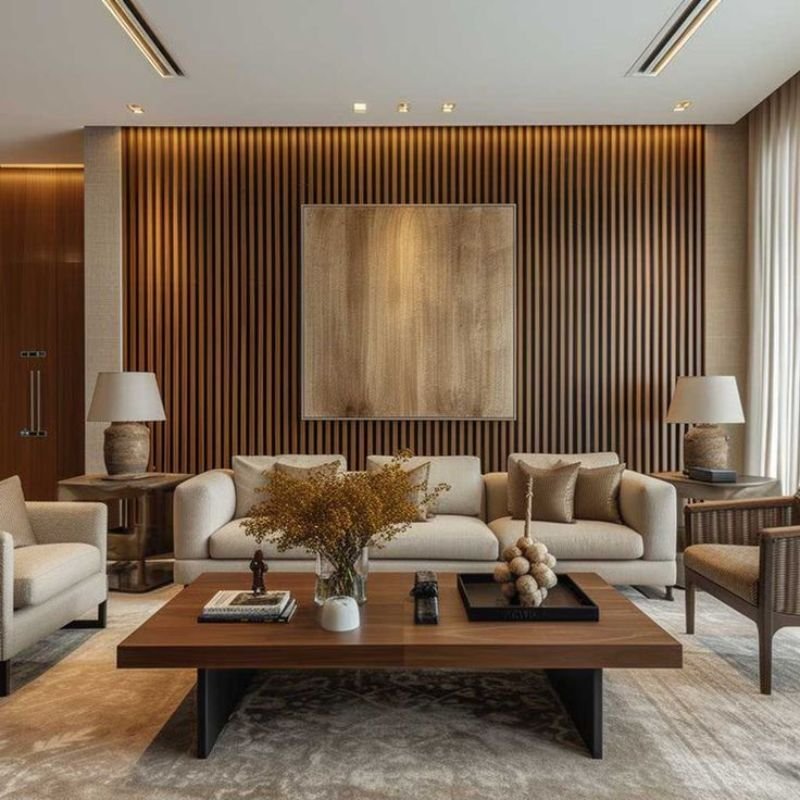
Wood slat panels are a popular option for dining room walls because they combine the warmth of natural materials with a strong sense of visual rhythm. Oak, walnut, pine, and bamboo can each create a different look depending on the finish and surrounding decor.
Installation tips for wood slat panels:
- Choose a slat spacing that complements the size of the wall and the overall look you want to create
- Apply a matte finish to minimize glare from overhead lighting
- Integrate recessed LED strip lighting behind the slats for ambient glow a technique that dramatically elevates evening dining atmosphere
- Limit slat panels to one wall to preserve visual breathing room
3D Wall Art and Sculptural Reliefs
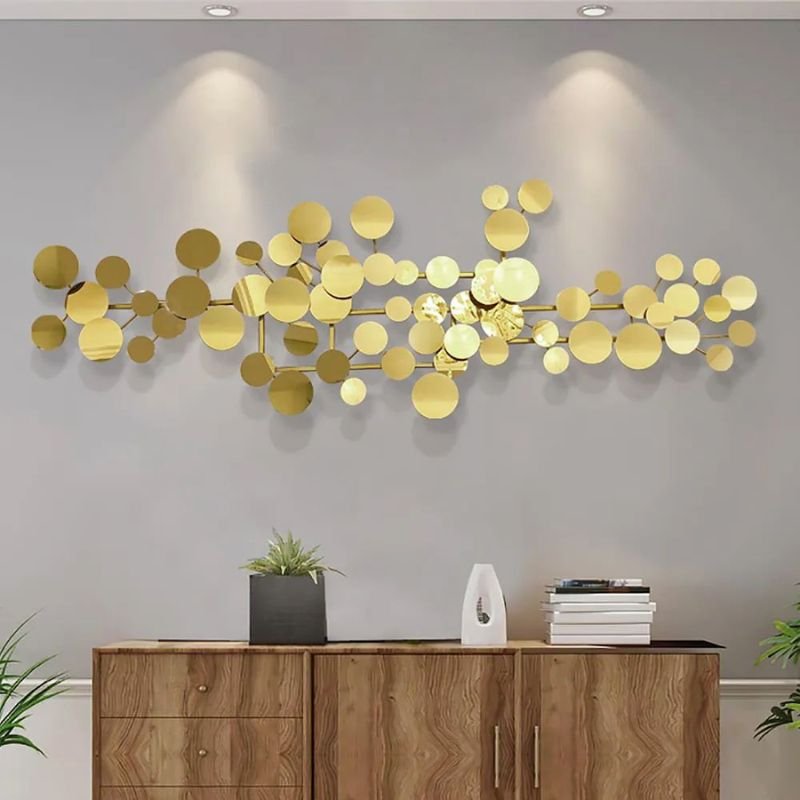
Three-dimensional wall art, including ceramic relief tiles, metal sculptures, carved stone panels, and resin-cast geometric forms, can create a different visual effect from flat artwork. It interacts with light dynamically, casting shadows that shift throughout the day and evening. In dining rooms illuminated by adjustable pendant lighting, a sculptural wall piece becomes an entirely different object at dinner than it was at lunch.
When selecting 3D art for dining room wall decor, consider visual weight carefully. A heavily textured piece commands attention and should function as the room’s focal point. Surrounding it with lighter, flatter elements, such as a simple console below or sconces on either side, can help the sculpture feel intentional rather than overwhelming.
5. Functional Decor: High End Shelving and Wine Displays
Good dining room wall decor can combine beauty and utility, especially when shelving or storage becomes part of the design. A thoughtfully designed wall system that incorporates open shelving, wine storage, and curated object display transforms the dining room from a single-purpose eating space into a layered, living environment.
Floating Shelves as Design Architecture
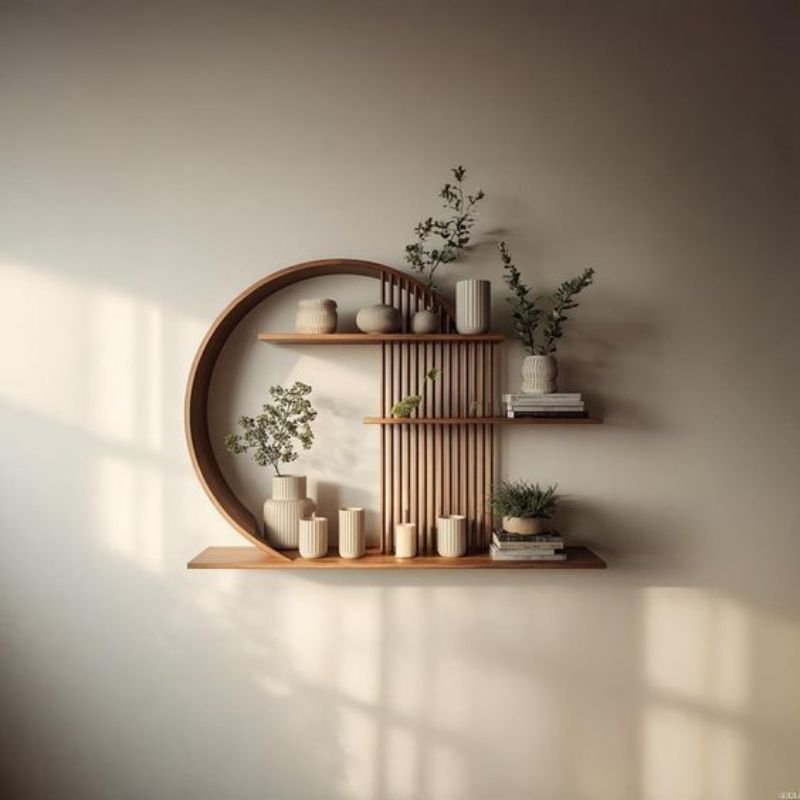
Floating shelves in a dining room serve a dual role: they display beautiful objects and they tell a story about the people who live there. Layering books, ceramics, candles, and natural elements on well-proportioned shelves can create a collected look. The goal is to make the space feel personal rather than overly coordinated.
For dining rooms, the most successful shelf arrangements follow these guidelines:
- Install shelves at staggered heights rather than in uniform rows
- Vary the depth of objects by bringing some toward the front edge and placing others farther back
- Add a plant, dried botanical, or another natural element where it suits the arrangement
- Leave some empty space on each shelf so the display does not feel crowded
- Choose a shelf material that complements the room, such as marble for a modern look or raw oak for a rustic style
Wine Displays as Statement Art
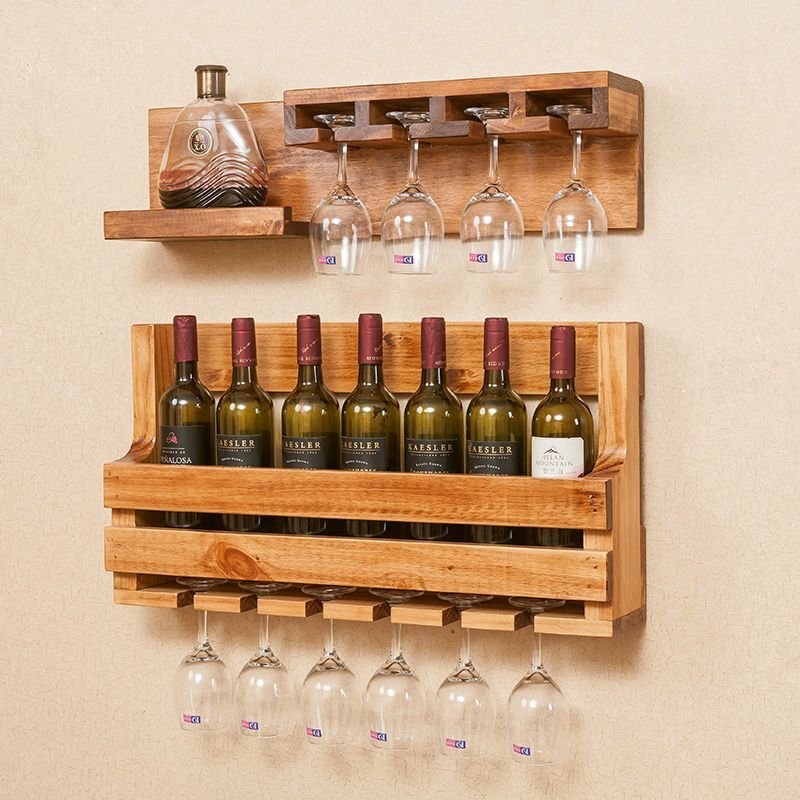
A well-designed wine display can add visual interest while providing practical storage in a dining space.
The key to integrating a wine display elegantly is proportionality. A compact wall-mounted display can create a focal point without overwhelming the room. Position it where it is easy to access and visually connected to the dining area.
Bonus: Color Strategy and Ambient Lighting Integration
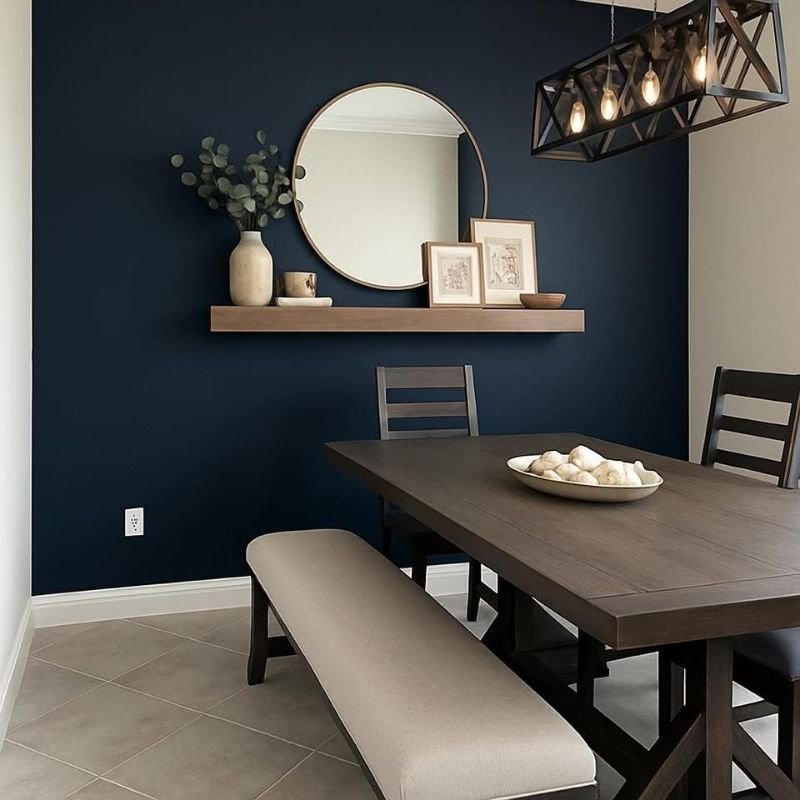
No discussion of dining room wall decor is complete without addressing the two invisible elements that govern how every visible element is perceived: color and light. Even the most beautifully chosen artwork will disappoint if the wall color fights against it, or if the lighting bleaches out its tonal range.
Wall Color as a Supporting Actor
In dining rooms, wall color should serve the decor not compete with it. Deep tones such as navy, forest green, burnt sienna, and charcoal can create a dramatic backdrop for artwork. Neutral tones like warm greige, soft linen, and aged white provide maximum versatility for frequent redecorating.
A practical rule: if your dining room wall decor features high contrast, colorful art, choose a low saturation wall color. If your art is minimal and monochromatic, a rich wall color adds the visual weight the space needs.
Ambient Lighting Integration
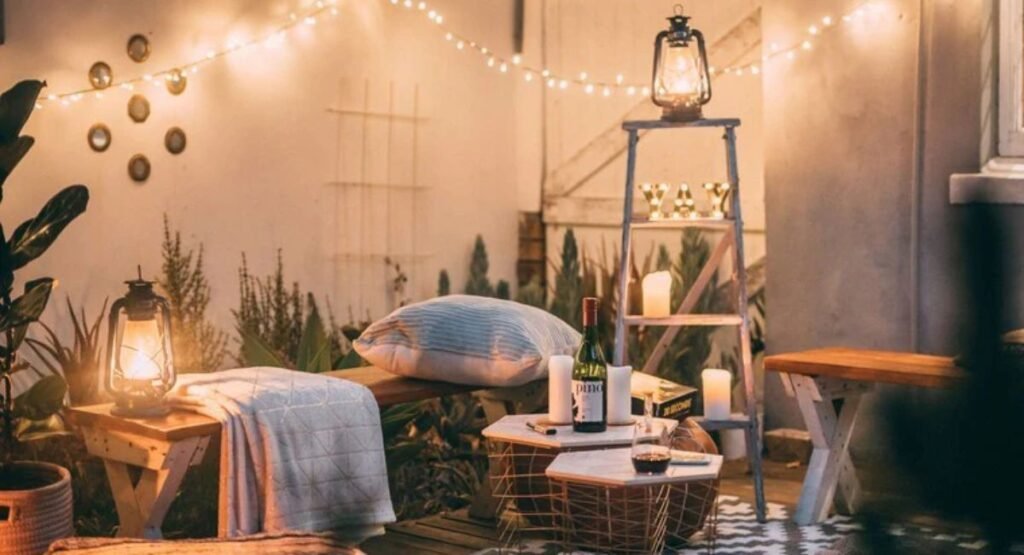
Ambient lighting integration means designing light as a layer of decor rather than a functional afterthought. In the dining room, this translates to:
- Picture lights mounted above key artworks to provide focused, artwork-friendly lighting
- LED strip lighting behind wood slat panels or floating shelves for a warm, diffused glow
- Sconces flanking a mirror or focal-point artwork to frame it architecturally
- Dimmer controlled pendant lighting that shifts the room’s mood from energetic lunch to intimate dinner
Frequently Asked Questions About Dining Room Wall Decor
Q1: What is the best height to hang dining room wall decor?
Aim to place the center of the artwork at a comfortable viewing height. In a dining room, consider how the artwork looks from both seated and standing positions.
Q2: How do I choose dining room wall decor for a small space?
Use one large statement piece, add a mirror for depth, and choose wall mounted storage.
Q3: Can I mix different styles of dining room wall decor in one room?
Yes, maintain cohesion through a consistent color palette or material.
Q4: How many pieces of art should I hang in a dining room?
Start with one or two larger anchor pieces, then add medium and smaller pieces to create balance without overcrowding the wall.
Q5: What dining room wall decor works best for rental apartments?
Use removable hanging solutions, lean canvases, tapestries, and removable wallpaper to reduce the risk of damaging the walls.
Q6: Should dining room wall decor match the furniture?
Dining room wall decor does not need to match the furniture exactly. Instead, create a connection through complementary colors, materials, finishes, or shapes. This approach can make the room feel coordinated without looking overly matched.
Conclusion:
A well-planned dining room wall decor scheme can make the space feel welcoming, balanced, and personal. You do not need to decorate every wall or follow a strict design formula. Instead, start with one focal point, such as artwork, a mirror, textured panels, or shelving, and build the rest of the room around it.
The best dining room walls reflect your personal style while supporting the way you use the space. Choose pieces that complement your furniture, lighting, and available wall space, and allow the design to evolve over time. With the right combination of color, texture, artwork, and practical elements, your dining room can become a comfortable and inviting part of your home.