
Bedroom decor shapes more than the look of a room; it shapes the way you feel every single day. When you walk into a well designed bedroom, you notice the calm atmosphere immediately. However, many homeowners struggle to translate their vision into a cohesive space. This guide breaks down every element of a well planned room, from color palettes to furniture choices, so you can build a space that supports rest, relaxation, and personal style. Whether you rent a small apartment or own a spacious house, these ideas apply to almost any layout and budget.
Because this room holds such an important place in daily life, it deserves more attention than a quick coat of paint and a matching comforter. Instead, treat the process as a series of small, deliberate choices that add up to a space you genuinely enjoy spending time in. The sections below walk through every major decision, from the big picture style you choose to the smallest finishing touches.
Why Bedroom Decor Matters More Than You Think
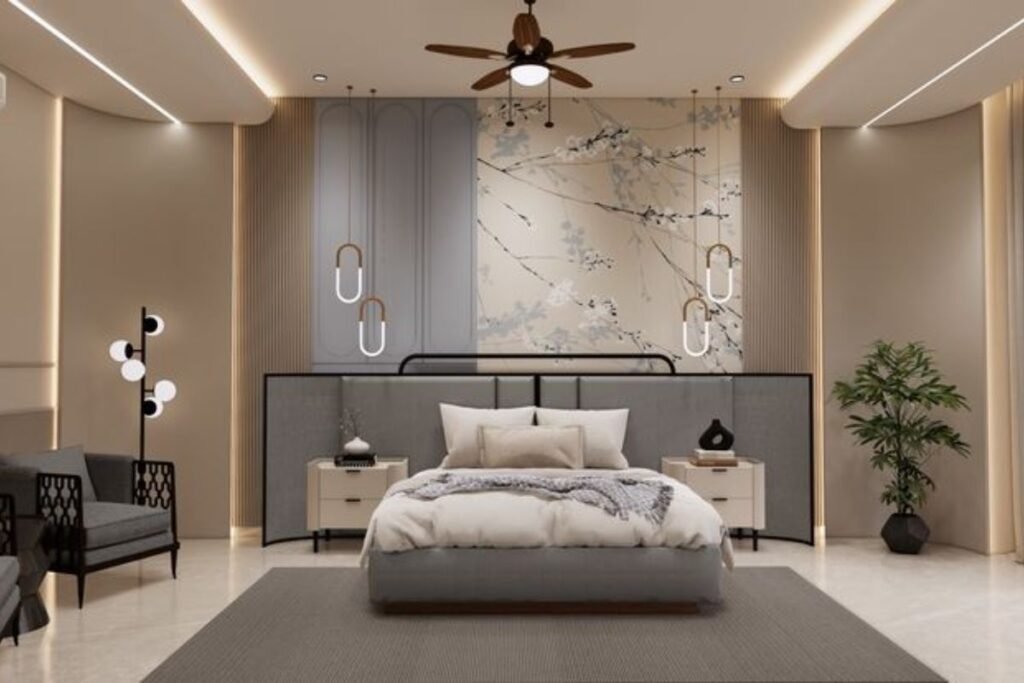
Your bedroom serves as a retreat from the noise of daily life. Consequently, the decisions you make about this space directly influence your sleep quality, stress levels, and overall mood. In fact, research consistently links cluttered, poorly lit rooms to restless sleep. In contrast, a thoughtfully arranged space encourages relaxation and helps you unwind after a long day.
Furthermore, the way you design a bedroom reflects your personality. It tells a story about who you are without a single word. Therefore, treating this room as an afterthought wastes an opportunity to create something meaningful. Instead, approach the project as an investment in both your mental well being and your home’s overall value.
Beyond emotional benefits, a well planned room also improves practical daily routines. A dedicated spot for reading, a clutter free surface for getting dressed, and accessible storage all reduce small daily frictions. Over time, these conveniences add up, making mornings smoother and evenings more restful.
Understanding Your Bedroom Decor Style
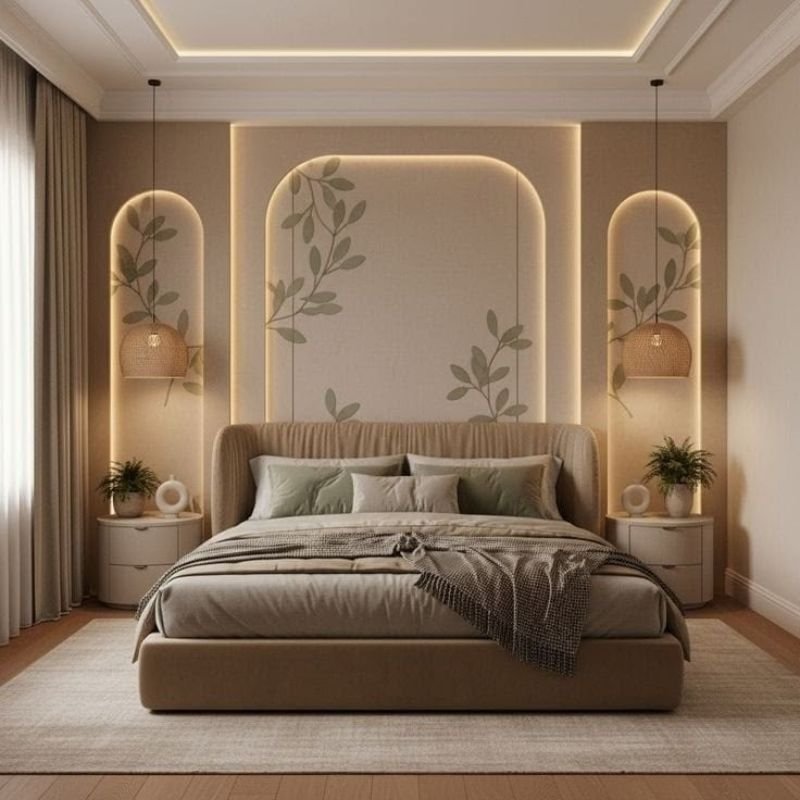
Bedroom decor style is the foundation every other decision builds on, so it deserves careful thought before any shopping begins.
First, before you buy a single item, identify the style that resonates with you. Otherwise, you risk ending up with a mismatched collection of furniture and accessories that never quite comes together. Spend time browsing magazines, saving images, and noting which rooms consistently catch your eye. Patterns will emerge quickly once you gather enough examples.
Minimalist Style
A minimalist approach focuses on clean lines, neutral tones, and functional furniture. Consequently, every item in the room serves a clear purpose, and clutter has no place here. As a result, the space feels open and calm. To achieve this look, choose a simple bed frame, limit your color palette to two or three shades, and keep surfaces free of unnecessary objects. Storage stays hidden behind closed doors or drawers so nothing disrupts the visual quiet of the room.
Bohemian Style
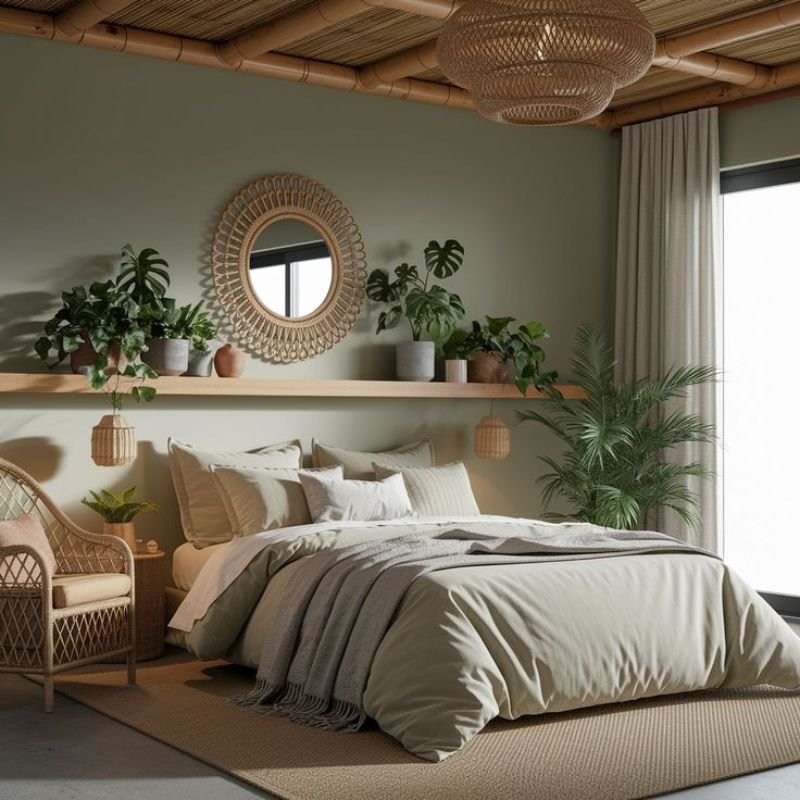
A bohemian approach embraces texture, pattern, and a relaxed, eclectic feel. Layered rugs, woven wall hangings, and mismatched textiles all work together in this style. Meanwhile, plants and natural materials like rattan and jute add warmth. This approach suits anyone who wants a room that feels collected over time rather than staged in a single afternoon. Vintage finds, secondhand textiles, and handmade pieces all fit naturally into this look.
Traditional Style
A traditional approach relies on classic furniture shapes, rich wood tones, and symmetrical arrangements. Elegant headboards, matching nightstands, and detailed moldings define this timeless look. Additionally, traditional spaces often include heavier drapery and warm, layered lighting that creates a formal yet welcoming atmosphere. Antique inspired hardware and tailored bedding complete the polished, classic feel.
Modern and Transitional Blends
Many homeowners now mix elements from several styles rather than committing fully to one. A modern traditional blend, for instance, might pair a sleek platform bed with a single antique dresser passed down through the family. This flexible approach allows the room to evolve gradually as tastes and budgets change, rather than requiring everything to be purchased and finalized at once.
Choosing the Right Color Palette for Bedroom Decor
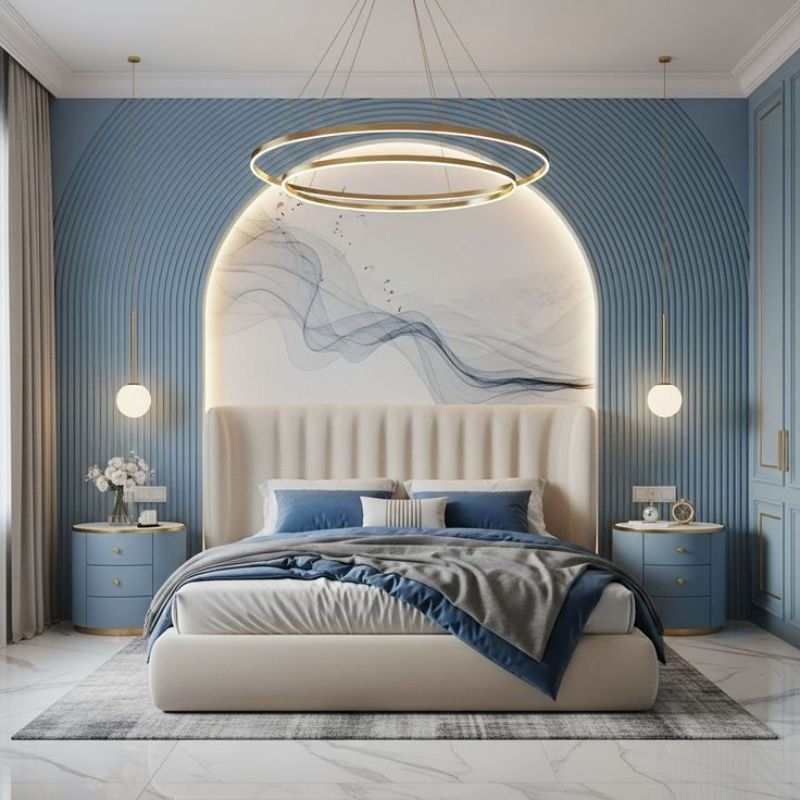
Color influences mood more than almost any other design element. Soft blues and greens promote calm, while warm neutrals like beige and taupe create a cozy, grounded feeling. On the other hand, bold colors like deep navy or forest green add drama when used on an accent wall.
When planning your palette, start with a base neutral for large surfaces such as walls and flooring. Then, layer in secondary colors through bedding, curtains, and accessories. Finally, add one or two accent colors through smaller decorative pieces like throw pillows or artwork. This layered approach keeps the room balanced and prevents any single color from overwhelming the space.
It also helps to test paint samples directly on the wall before committing to a full room. Lighting changes dramatically throughout the day, so a color that looks perfect in the afternoon might feel flat under evening lamplight. Viewing swatches at different times ensures the final choice holds up around the clock.
Lighting Tips That Elevate a Bedroom
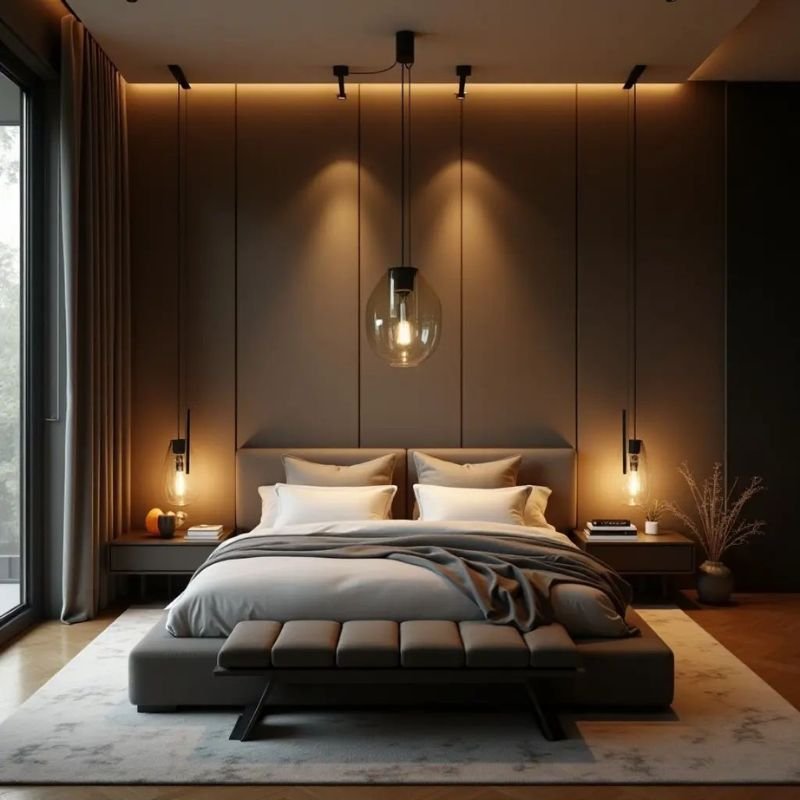
Lighting can make or break the overall feel of a room. A single overhead fixture rarely provides enough flexibility for a space meant for both bright mornings and relaxed evenings. Instead, incorporate multiple light sources at different heights.
Bedside lamps offer soft, targeted light for reading, while a dimmable overhead fixture allows you to adjust brightness based on the time of day. In addition, string lights or a statement pendant can introduce personality without overwhelming the room. Natural light also plays a major role, so avoid heavy curtains that block daylight unless privacy is a primary concern. Sheer curtains paired with blackout liners give you the best of both worlds.
Furthermore, consider the color temperature of your bulbs. Warm white light, generally between 2700K and 3000K, creates a cozier atmosphere than cooler, bluish tones. As a result, most bedrooms benefit from warmer bulbs, especially in fixtures used during the evening wind down routine.
Furniture Essentials for Smart Bedroom Decor
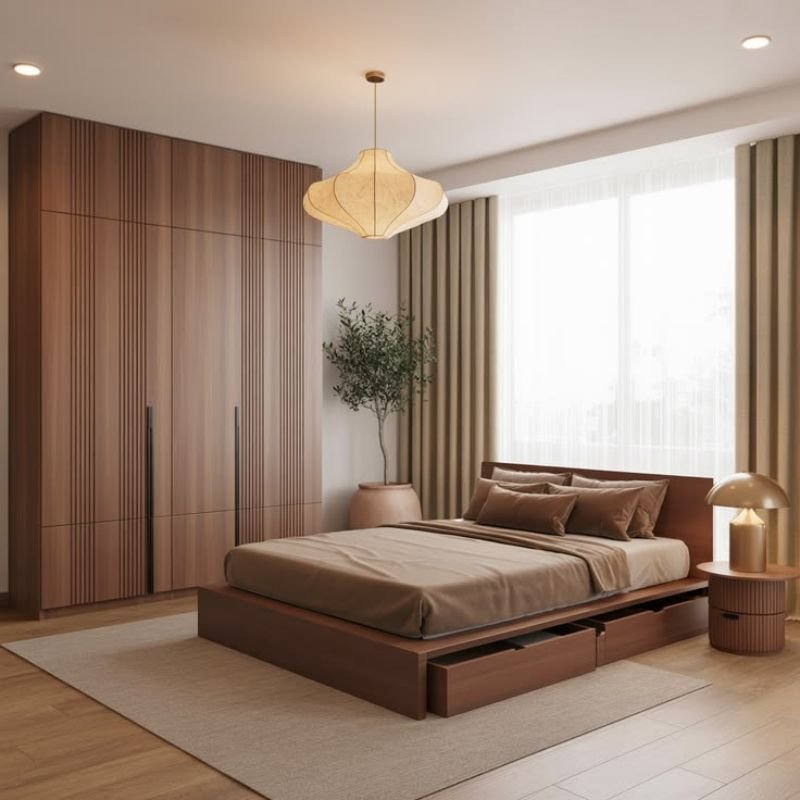
Furniture forms the backbone of any well planned room. Choosing pieces that balance function and style ensures the space works for daily life while still looking polished. Before purchasing anything, measure the room carefully and sketch a rough layout, since even a beautiful piece of furniture can ruin the flow of a room if it does not fit the available floor space. Walking paths around the bed, closet doors, and dresser drawers all need enough clearance to open fully without obstruction.
Bed Frames and Headboards
The bed anchors the entire room, so choose a frame and headboard that match your chosen style. Upholstered headboards add softness and comfort, while wood or metal frames suit more minimalist or industrial looks. Moreover, the size of your bed frame should match the proportions of the room; an oversized frame in a small space overwhelms the layout, while a small frame in a large room can feel lost.
Nightstands and Storage
Nightstands provide essential storage while completing the visual balance of the room. Matching nightstands create symmetry, whereas mismatched pieces add an eclectic touch. Beyond nightstands, consider a dresser, a bench at the foot of the bed, or built in closet organizers to keep the room tidy. Clutter undermines even the best-planned space, so prioritize storage solutions that keep everyday items out of sight.
Seating and Extra Surfaces
If space allows, a small chair, bench, or window seat adds both function and visual interest. These pieces create a spot to set down clothes, read a book, or simply pause for a moment before starting the day. Even a narrow bench at the foot of the bed can double as extra seating and a landing spot for shoes or bags.
Textiles and Soft Furnishings
Textiles add warmth, texture, and comfort to any bedroom. Layered bedding, including a fitted sheet, duvet, and decorative throw, creates depth and invites you to climb into bed. Meanwhile, an area rug grounds the furniture arrangement and adds softness underfoot.
Curtains also play a dual role, since they control light while contributing to the room’s color scheme and texture. Additionally, throw pillows in varying sizes and patterns allow you to update the look of the room without a full redesign. As trends change, swapping out textiles offers an affordable way to refresh the space without replacing furniture.
Consider the season as well. Heavier wool or flannel bedding suits colder months, while lightweight linen or cotton keeps the room comfortable during warmer seasons. Rotating textiles twice a year is a simple habit that keeps the room feeling current and comfortable year round.
Wall Decor and Artwork Ideas
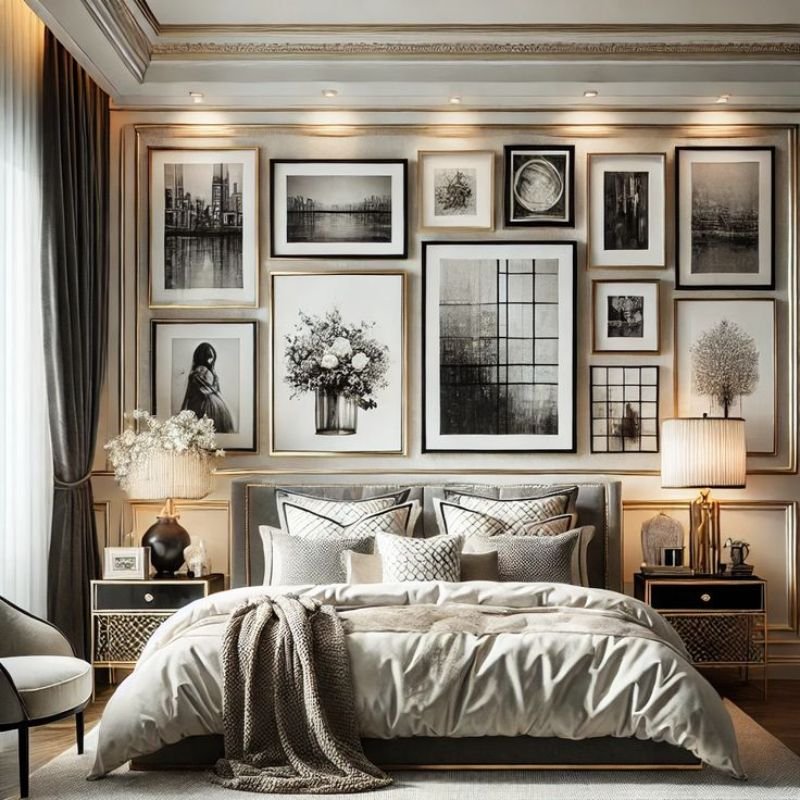
Empty walls make a room feel unfinished, so thoughtful wall decor completes the design. Framed artwork, family photographs, and mirrors all add personality while making the space feel complete. A large mirror also reflects light, which makes smaller rooms feel more spacious.
Gallery walls work well for collectors of art or photography, while a single oversized piece above the bed creates a dramatic focal point. Regardless of the approach, keep the scale of the artwork proportional to the wall and the furniture below it. Otherwise, the arrangement can look either sparse or cluttered.
Textured wall treatments, such as wood paneling, wallpaper, or a painted accent wall, also add depth without requiring extensive artwork. These treatments work particularly well behind the headboard, where they frame the bed as the natural focal point of the room.
Small Space Bedroom Decor Solutions
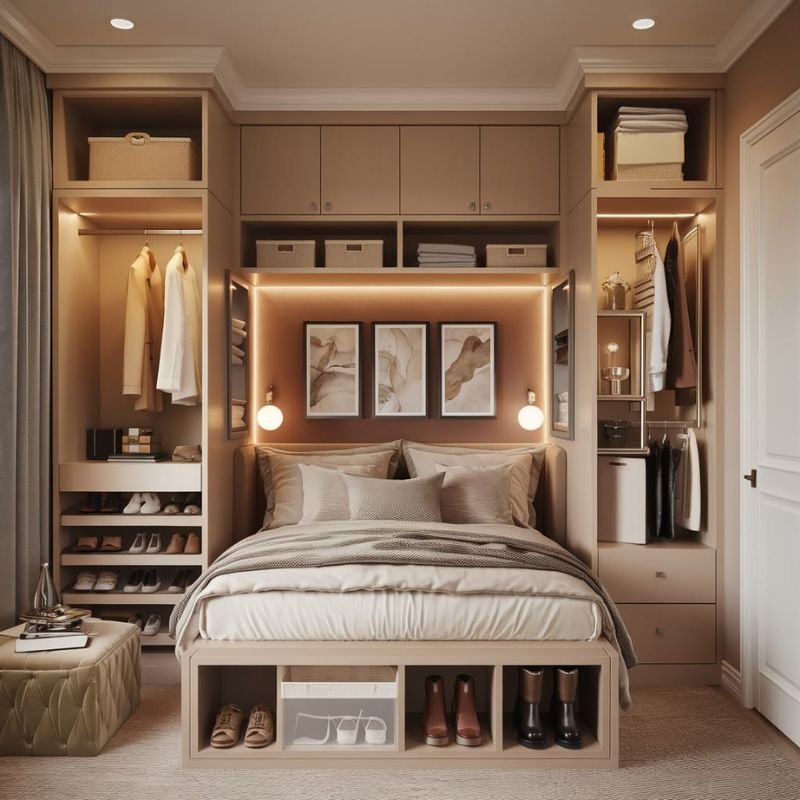
Small bedrooms present unique challenges, yet clever choices can make even the tightest space feel comfortable. Multi functional furniture, such as a bed with built in drawers or a fold down desk, maximizes usable space. Similarly, vertical storage solutions like tall bookshelves draw the eye upward and free up floor space.
Mirrors, light colors, and minimal clutter also help small rooms feel larger. Furthermore, choosing furniture with slim profiles and exposed legs creates a sense of openness compared to bulky, boxy pieces. Every decision in a compact layout should prioritize function without sacrificing style.
Floating shelves, wall-mounted nightstands, and under bed storage bins all free up valuable floor space as well. As a result, even a small footprint can feel organized and intentional rather than cramped.
Budget-Friendly Bedroom Decor Tips
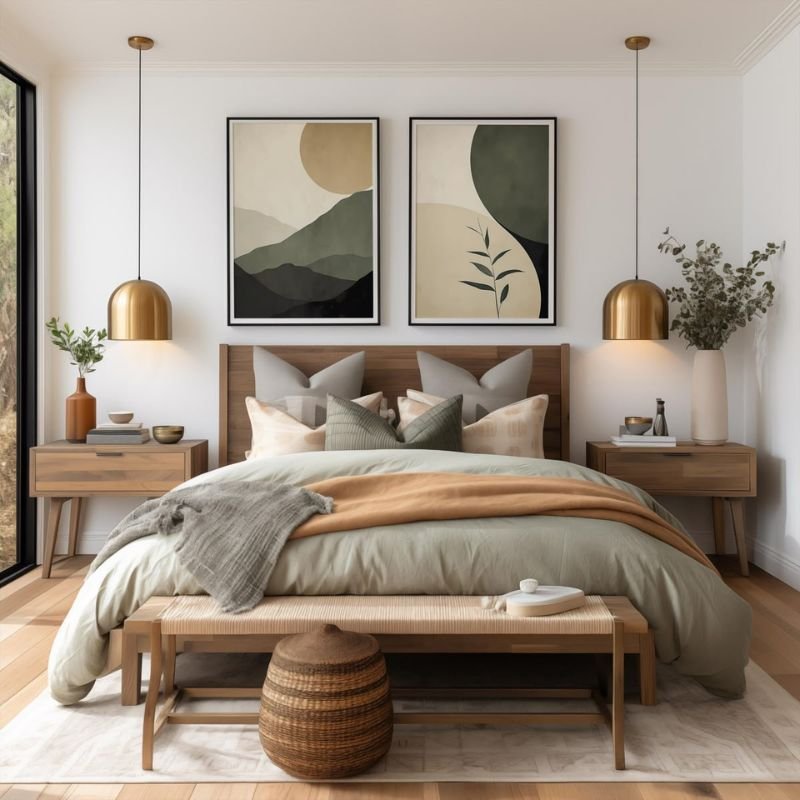
You do not need a large budget to achieve a stylish, well designed bedroom. Simple changes, such as repainting the walls or swapping out hardware on existing furniture, can transform the room at a fraction of the cost of a full renovation. Secondhand shops and online marketplaces often carry quality furniture at a lower price than retail stores.
In addition, DIY projects like reupholstering a headboard or creating your own artwork add a personal touch while keeping costs low. Finally, prioritize spending on items you interact with daily, such as your mattress and bedding, while saving on purely decorative pieces that can be swapped out later.
Shopping end of season sales for bedding and accessories is another practical way to stretch a limited budget further. Meanwhile, rearranging existing furniture, before buying anything new, often reveals a better layout at no cost at all.
Sustainable and Eco-Friendly Choices
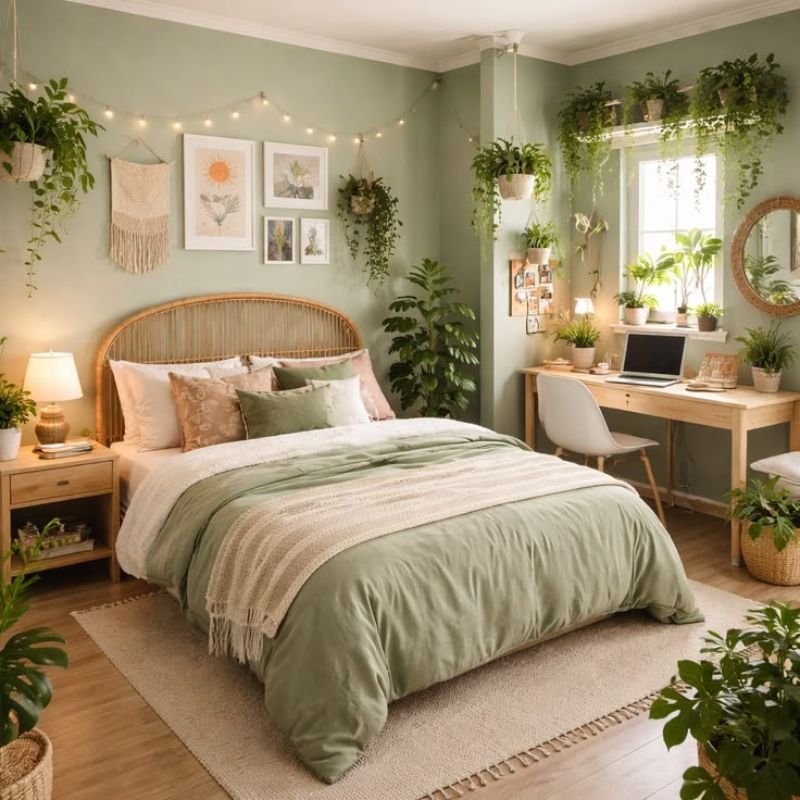
More homeowners now consider sustainability when planning their bedroom. Choosing furniture made from responsibly sourced wood, organic cotton bedding, and low VOC paint reduces the environmental impact of the room without sacrificing style. Additionally, buying fewer, higher-quality pieces that last for years is generally more sustainable than frequently replacing cheaper items.
Secondhand and vintage furniture also fit naturally into an eco conscious approach, since reusing existing pieces avoids the resource cost of manufacturing something new. As a result, a sustainable bedroom can still feel curated, personal, and stylish.
Accessorizing the Finishing Touches
Once the major furniture and color decisions are settled, small accessories bring the entire bedroom decor plan together. Scented candles, a stack of favorite books on the nightstand, or a woven basket for spare blankets all add personality without cluttering the space. Similarly, a small tray on the dresser keeps jewelry, watches, and other daily essentials organized and visible rather than scattered across the surface.
Plants also deserve a place in almost any bedroom decor plan, since greenery softens hard edges and introduces a sense of life into the room. Low maintenance varieties, such as snake plants or pothos, tolerate lower light levels common in many bedrooms and require minimal upkeep. Even a single well-placed plant on a windowsill or dresser can noticeably improve the overall atmosphere.
Finally, consider scent alongside sight. A subtle diffuser or scented candle, used sparingly, reinforces the calming mood that good bedroom decor aims to create. Lavender, sandalwood, and other soft, warm scents pair particularly well with a restful bedtime routine.
Bedroom Decor for Shared and Multi-Purpose Rooms
Not every bedroom serves a single function. Many households use part of the room as a home office, nursery, or reading nook, which adds an extra layer of planning to any bedroom decor project. In these situations, visually separating zones becomes essential. A room divider, a strategically placed bookshelf, or even a distinct rug can signal where the sleeping area ends and the work or play area begins.
Shared bedrooms, whether between siblings or partners with different tastes, also benefit from a flexible approach. Choosing a neutral base palette that both people agree on, then allowing each person to personalize their own side with artwork, bedding, or accessories, balances individual style with a cohesive overall look. This strategy prevents the room from feeling like two competing designs pushed together.
Common Mistakes to Avoid
Even well-intentioned homeowners make mistakes when planning this room. Oversized furniture in a small space, poor lighting choices, and ignoring scale are among the most common errors. Additionally, many people choose a color palette without considering how it will look in both natural and artificial light, which leads to disappointing results.
Another frequent mistake involves neglecting storage needs, which results in clutter that undermines an otherwise well-designed room. Finally, rushing the process often leads to impulsive purchases that do not fit the overall plan. Instead, take time to gather inspiration, measure your space accurately, and choose pieces that genuinely support your daily routine.
Conclusion
Thoughtful bedroom decor transforms a simple room into a personal sanctuary that supports rest and reflects your unique style. From choosing the right color palette to selecting furniture that balances form and function, every decision plays a role in the final result. As you plan your own bedroom decor, remember that small, intentional changes often create the biggest impact. With patience and a clear vision, you can design a bedroom that feels both beautiful and truly yours.
FAQs
- What colors work best for bedroom decor?
Soft blues, greens, and warm neutrals tend to promote calm and suit most design styles. - How can I make a small bedroom feel bigger?
Using mirrors, light colors, and multi functional furniture helps a small bedroom feel more open and spacious. - What lighting is best for a bedroom?
Layered lighting, including bedside lamps and a dimmable overhead fixture, gives the most flexibility for a bedroom. - How often should I update my bedroom decor?
Swapping textiles and accessories every season keeps a bedroom feeling fresh without a full redesign. - What is the biggest mistake in bedroom decor?
Choosing oversized furniture for the available space is one of the most common mistakes homeowners make.