
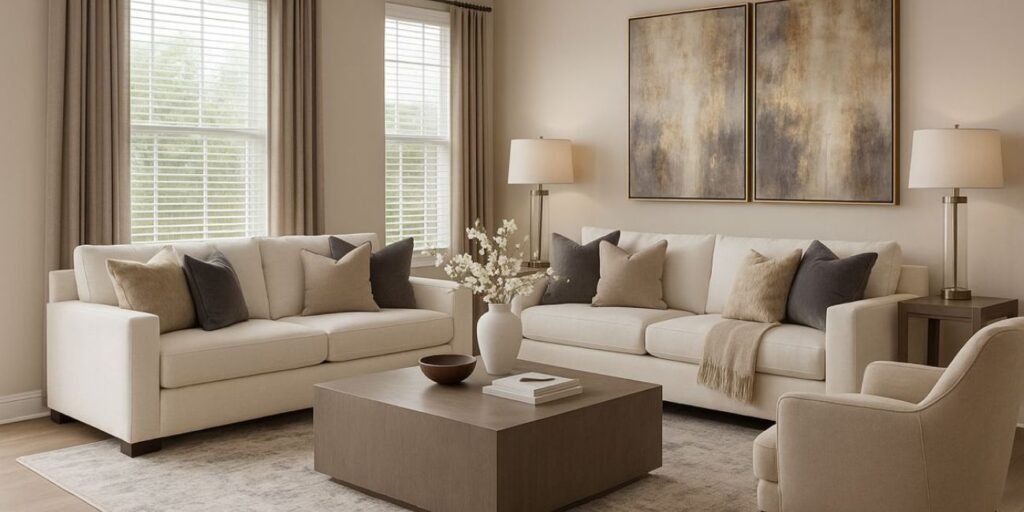
Choosing the right home decor styles can feel overwhelming, especially when you scroll through countless design photos online. However, once you understand the basics, the process becomes much simpler. Home decor styles are not just trends; they reflect your personality, your lifestyle, and the way you want your space to feel. In fact, the right style can transform a house into a home you genuinely love. Furthermore, learning about different home decor styles helps you avoid costly trial and error purchases that often end up in storage.
This guide walks you through the most popular home decor styles, explains how to choose one, and offers practical tips for combining different looks with confidence. By the end, you will understand exactly how to apply these ideas to your own rooms. If you are decorating your main living area, don’t miss our Living Room Decor guide for practical ideas that match different home decor styles. At Decore Info Hub, we research popular home decor styles and practical decorating ideas to help homeowners create beautiful and functional living spaces.
Why Home Decor Styles Matter for Every Room
Every room tells a story, and home decor styles are the language that tells it. Additionally, a consistent style creates flow between rooms, so your home feels intentional rather than random. For instance, a house that mixes too many unrelated styles often looks chaotic instead of curated. Therefore, understanding home decor styles before you buy furniture or accessories saves both time and money.
Moreover, your chosen style influences color palettes, furniture shapes, textures, and even lighting choices. As a result, homeowners who identify their preferred style first tend to make fewer regretful purchases. Consequently, learning about home decor styles early in the design process pays off in the long run.
In addition, a clear sense of style makes shopping far less stressful. Instead of wandering through stores or scrolling endlessly online, you can search specifically for pieces that match your chosen aesthetic. As a result, you save time, reduce decision fatigue, and build a home that feels cohesive from room to room. You can also explore our Wall Decor for Living Room guide to see how wall decorations can complement different decorating styles.
Popular Home Decor Styles You Can Try Today
There are dozens of home decor styles, but a handful stand out as the most popular and versatile. Below, you will find detailed breakdowns of each style, along with tips on how to bring them into your own home.
| Style | Best For | Budget |
|---|---|---|
| Modern | Apartments | $$ |
| Farmhouse | Family Homes | $$ |
| Scandinavian | Small Rooms | $$ |
| Bohemian | Creative People | $ |
Modern Home Decor Style
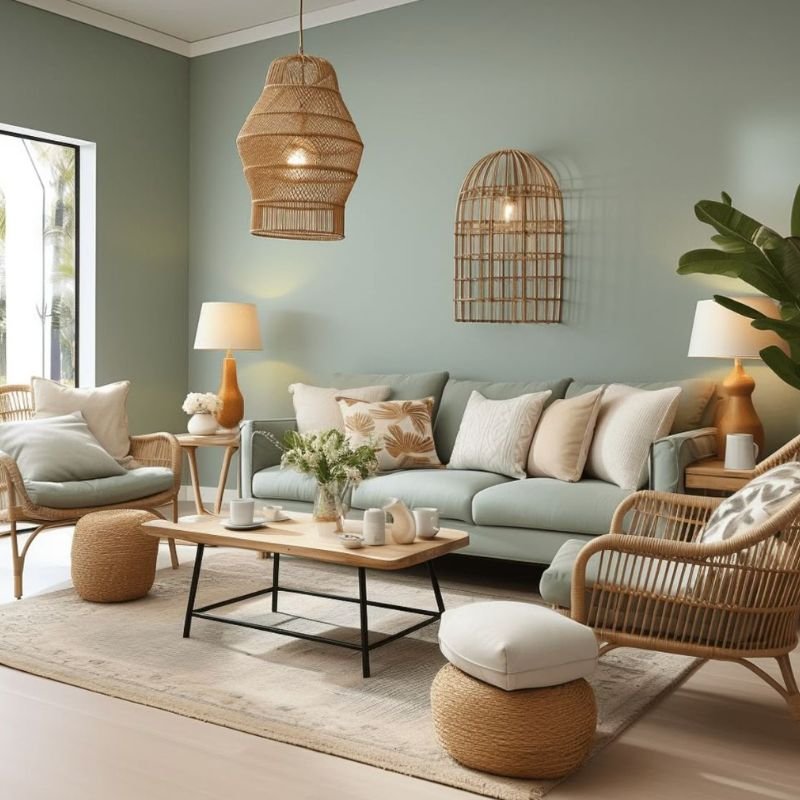
The modern home decor style focuses on clean lines, neutral colors, and minimal ornamentation. Unlike traditional interiors, modern spaces avoid excessive detail and instead emphasize function. Furthermore, materials like glass, metal, and polished wood dominate this look. For example, a modern living room might feature a simple sofa, a glass coffee table, and abstract art on the walls. As a result, the space feels open, airy, and uncluttered. Additionally, modern homeowners often choose statement lighting fixtures with geometric shapes, since these pieces add visual interest without cluttering the room. Consequently, this style suits people who prefer order and simplicity over ornate detail. Complete the look with our Coffee Table Decor guide for stylish centerpiece ideas. For more professional design inspiration and the latest decorating trends, you can also explore Architectural Digest.
Minimalist Style
Minimalism takes simplicity even further than modern design. Specifically, this style embraces the idea that less truly is more. Every item in a minimalist room serves a clear purpose, and homeowners remove unnecessary decor entirely. Consequently, rooms decorated in this style often use a limited color palette, usually whites, grays, and blacks. Additionally, storage solutions play a big role here, since hiding clutter keeps the space visually calm. Furthermore, minimalist homeowners often invest in fewer, higher quality pieces rather than filling rooms with inexpensive decor. As a result, this approach reduces long term costs while still delivering a polished, intentional look.
Bohemian Style
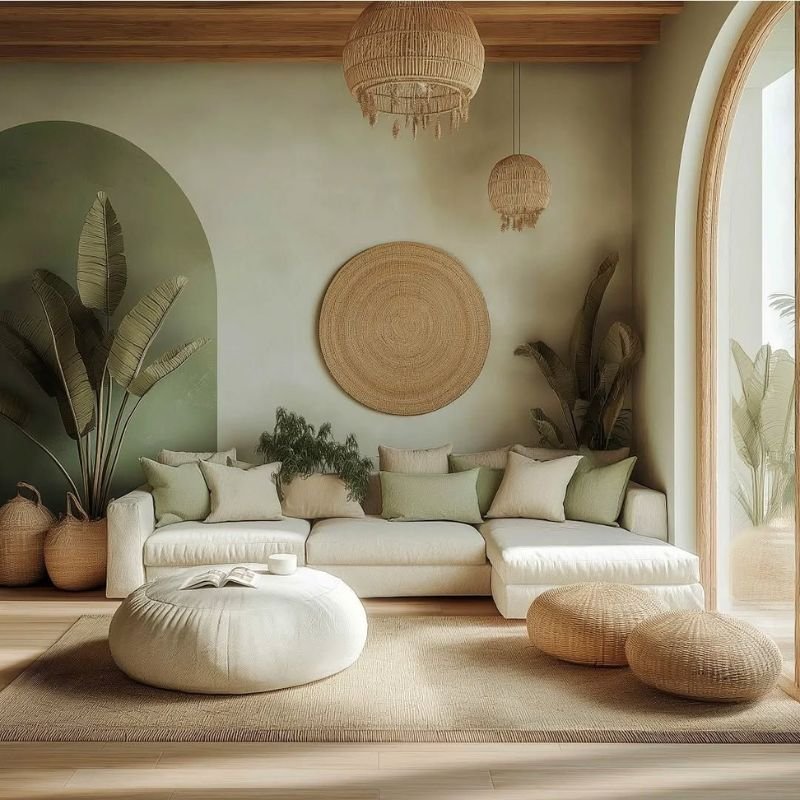
Bohemian, or “boho,” decor celebrates color, texture, and eclectic mixing. Unlike minimalist interiors, boho spaces layer patterns, plants, and vintage finds to create a lived in, artistic feel. For instance, a bohemian bedroom might include a macrame wall hanging, layered rugs, and mismatched throw pillows. Nevertheless, boho design still requires balance; otherwise, the room can feel cluttered rather than curated. Therefore, designers often recommend anchoring boho spaces with one neutral element, such as a plain wall color. In addition, houseplants play a central role in this style, since greenery adds life and softens busy patterns throughout the room.
Farmhouse Style
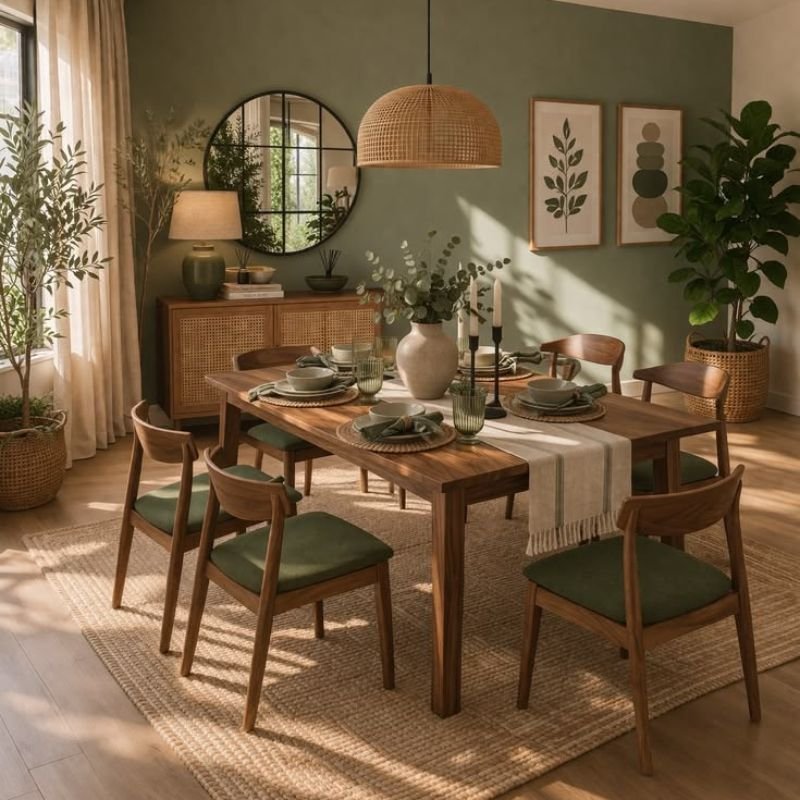
Farmhouse decor blends rustic charm with modern comfort. Typically, this style features reclaimed wood, shiplap walls, and vintage inspired accessories. In addition, neutral colors like white, cream, and soft gray dominate farmhouse interiors, while black metal accents add contrast. As a result, farmhouse kitchens often include open shelving, apron sinks, and wooden dining tables that feel both cozy and functional. Moreover, vintage signage and woven baskets often complete this look, adding character without overwhelming the space.
Industrial Style
Industrial design draws inspiration from old warehouses and factories. Consequently, exposed brick, raw metal, and unfinished wood define this aesthetic. Moreover, industrial spaces often feature high ceilings, exposed ductwork, and statement lighting fixtures made from metal or Edison bulbs. Although this style might sound cold, thoughtful layering of textiles and greenery keeps industrial rooms feeling warm and inviting. Additionally, leather furniture and reclaimed wood tables pair naturally with this look, since they echo the raw, utilitarian feel of the overall design.
Scandinavian Style
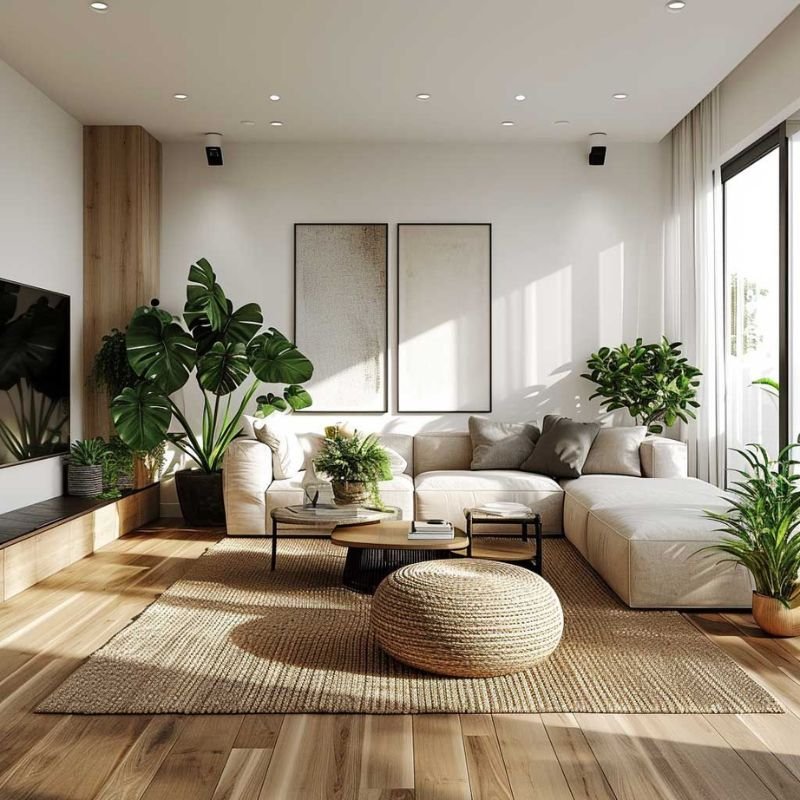
Scandinavian design, often called “Scandi,” combines minimalism with warmth. Unlike strict minimalism, this style incorporates natural materials like light wood, wool, and linen to soften clean lines. Furthermore, Scandinavian interiors favor functionality, so furniture often doubles as storage. In addition, soft lighting and cozy textiles, known as “hygge” elements, make these spaces feel comfortable rather than sterile. Therefore, this style works particularly well in smaller homes, since its light colors and clean layouts make rooms feel larger and brighter. If you have limited space, our Small Living Room Design guide offers more practical ideas.
Traditional Style
Traditional home decor draws from classic European influences and timeless furniture shapes. Typically, this style includes rich wood tones, symmetrical layouts, and elegant fabrics like velvet or damask. Additionally, traditional rooms often feature ornate details, such as crown molding, tufted upholstery, and antique-inspired accessories. As a result, this style suits homeowners who prefer a formal, polished look. Furthermore, traditional interiors often rely on matching furniture sets, which create a cohesive and elegant appearance throughout the home.
Coastal Style
Coastal decor brings the relaxed feeling of the beach into everyday living spaces. Specifically, this style uses light, breezy colors like white, sandy beige, and soft blue. Moreover, natural textures such as rattan, jute, and linen appear frequently in coastal rooms. Consequently, coastal spaces feel airy and relaxed, making them a popular choice for vacation homes and sunny climates alike. Additionally, nautical accents, such as rope details or driftwood accessories, often reinforce the beach-inspired theme without feeling overly literal.
Mid-Century Modern Style
Mid-century modern decor draws inspiration from furniture design of the 1950s and 1960s. Specifically, this style features tapered wooden legs, organic curves, and bold accent colors like mustard yellow or burnt orange. Furthermore, functional simplicity defines this look, since furniture pieces often combine sculptural form with everyday usability. As a result, mid-century modern rooms feel retro yet timeless, appealing to homeowners who appreciate vintage design with a contemporary edge.
How to Choose the Right Home Decor Style for Your Space
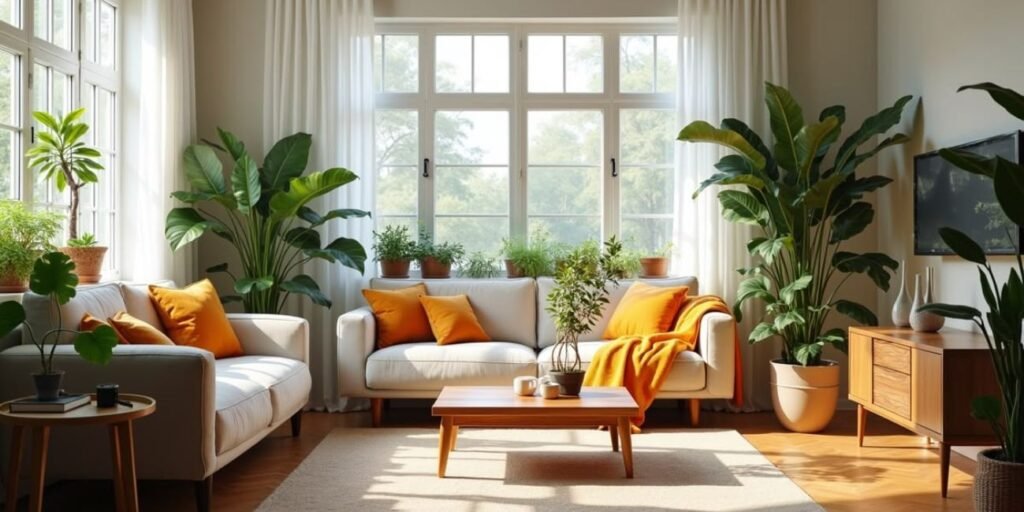
With so many home decor styles available, choosing one can feel daunting. However, a few simple steps make the decision much easier.
First, consider your lifestyle. For example, families with young children may prefer durable, low maintenance styles like farmhouse or Scandinavian design. On the other hand, homeowners without children might lean toward more delicate traditional pieces or intricate bohemian layers.
Second, think about the natural light in your home. Bright, sunny rooms suit bold colors and dark accents well, while darker rooms often look better with lighter, airy palettes like coastal or Scandinavian styles. Additionally, consider the size of your rooms, since smaller spaces generally benefit from minimalist or Scandinavian approaches, while larger rooms can handle bolder industrial or traditional statements.
Third, gather inspiration before committing. Save images that resonate with you, and look for common threads, such as recurring colors, textures, or furniture shapes. As a result, you will notice patterns that reveal your true style preference, even if you cannot name it right away. Furthermore, creating a mood board, whether physical or digital, helps you visualize how different home decor styles might translate into your actual living space.
Finally, start small. Rather than renovating an entire home at once, choose one room to experiment with your preferred home decor style. Consequently, you can evaluate whether the style truly fits your life before committing further resources. Moreover, testing a style in a single room, such as a guest bedroom or home office, lowers financial risk while still giving you a genuine sense of how the aesthetic feels day to day. Looking for timeless inspiration? Explore our Vintage Home Decor guide to discover classic decorating ideas.
Tips for Combining Different Home Decor Styles
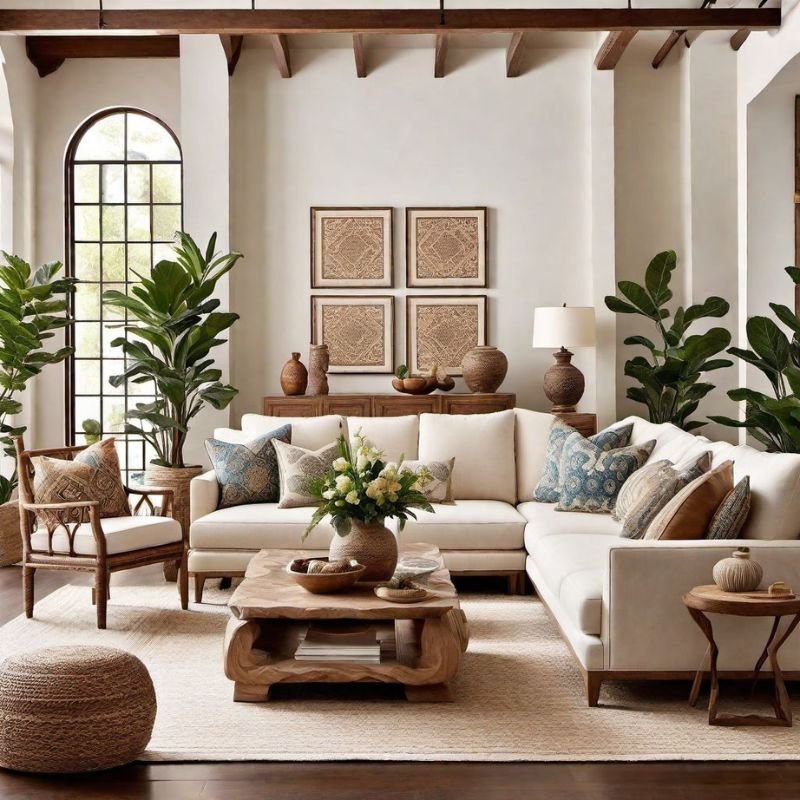
Many homeowners hesitate to mix home decor styles, fearing the result will look mismatched. However, thoughtful combinations often produce the most personal and interesting spaces.
To begin, choose one dominant style to anchor the room, then layer in accents from a secondary style. For instance, a mostly modern living room might include a few bohemian textiles for warmth and texture. Similarly, a farmhouse kitchen could incorporate industrial lighting fixtures for contrast.
Additionally, maintain a consistent color palette across styles, even if furniture shapes differ. This technique creates visual harmony despite mixing aesthetics. Furthermore, repeating one or two materials, such as wood or metal, throughout the space ties different elements together seamlessly.
Also, pay attention to scale and proportion. Mixing a delicate traditional chair with an oversized industrial table, for example, can feel unbalanced unless intentionally styled. Therefore, testing furniture placement before finalizing purchases helps avoid costly mistakes. In addition, arranging furniture on a paper floor plan, or using an online room planner, allows you to preview proportions before any items arrive.
Finally, trust your instincts. Ultimately, the best home decor styles are the ones that feel authentic to you, regardless of design rules. As a result, blending styles thoughtfully often creates a home that feels far more personal than following a single aesthetic rigidly. Moreover, many professional designers actively encourage this kind of eclectic mixing, since it produces spaces with genuine character rather than a showroom feel. If you love clean and balanced interiors, you may also enjoy our Japandi Interior Design guide.
Budgeting for Your Preferred Home Decor Style
Cost often influences which home decor styles homeowners ultimately choose. Fortunately, every style can work within a range of budgets, provided you plan carefully.
For example, minimalist and Scandinavian styles typically require fewer items overall, which can reduce total spending despite occasionally higher price tags on individual pieces. Conversely, bohemian and traditional styles often involve layering many smaller items, so costs can add up gradually rather than all at once.
Additionally, secondhand shops, online marketplaces, and vintage stores offer affordable ways to achieve farmhouse, industrial, or traditional looks without paying full retail prices. As a result, patient shoppers can furnish an entire room around their favorite home decor style while staying within a modest budget. Furthermore, painting existing furniture or swapping hardware often updates a piece enough to match a new aesthetic, saving significant money compared to buying new items outright. Budget-friendly furniture styling becomes easier with our Console Table Decor guide.
Common Mistakes to Avoid When Decorating
Even with a clear vision, homeowners often make avoidable mistakes when applying home decor styles. Recognizing these pitfalls in advance helps you save both time and money.
One common mistake involves ignoring scale. Oversized furniture in a small room, or tiny accessories in a large space, can throw off the entire balance. Consequently, always measure your room before purchasing large pieces.
Another mistake is neglecting lighting. Regardless of style, poor lighting can make even the most beautifully decorated room feel flat. Therefore, layer lighting sources, including ambient, task, and accent lighting, for the best results.
Additionally, many homeowners rush the process, buying everything at once instead of layering pieces over time. However, spaces that evolve gradually often feel more curated and personal. As a result, patience truly pays off in interior design.
Finally, some homeowners follow trends too closely, without considering their own preferences. Although trends offer inspiration, the most successful home decor styles remain those rooted in genuine personal taste rather than fleeting fads. Moreover, chasing trends too aggressively often leads to costly renovations just a few years later, once the trend fades.
Refreshing Your Home Decor Style Through the Seasons
Home decor styles do not need to stay completely static throughout the year. In fact, small seasonal updates keep a room feeling fresh without requiring a full redesign.
For example, a farmhouse living room might swap heavy wool throws for lighter linen options in summer, while adding warm candles and plaid accents in winter. Similarly, a coastal bedroom could introduce deeper blue tones and cozy textures during colder months, then return to lighter fabrics once warmer weather arrives.
Additionally, rotating artwork, cushions, and small accessories allows homeowners to experiment with new colors or textures without committing to permanent changes. As a result, seasonal refreshes give any home decor style room to evolve naturally over time.
Furthermore, houseplants offer an easy way to update a space seasonally, since swapping flowering plants for evergreen varieties can shift a room’s entire mood. Consequently, homeowners who embrace small seasonal changes often find that their chosen home decor style feels dynamic rather than fixed. Seasonal wall updates can make a big difference. Read our Gallery Wall Ideas guide for fresh inspiration.
For more seasonal decorating ideas, visit Better Homes & Gardens for practical inspiration throughout the year.
How Home Decor Styles Affect Resale Value
Beyond personal enjoyment, home decor styles can also influence how potential buyers perceive a property. Therefore, homeowners planning to sell soon should consider broader appeal alongside personal taste.
Generally, neutral and versatile styles, such as modern, minimalist, or Scandinavian design, tend to appeal to the widest range of buyers. Consequently, real estate agents often recommend these home decor styles when staging a home for sale, since they allow buyers to imagine their own belongings in the space.
On the other hand, highly specific styles, such as bold industrial or eclectic bohemian decor, may appeal strongly to some buyers while alienating others. Nevertheless, this does not mean sellers must abandon personal style entirely; rather, toning down the boldest elements before listing often strikes a helpful balance. As a result, homeowners can enjoy their preferred home decor style while living in the space, then adjust temporarily during the selling process.
Conclusion
Ultimately, home decor styles offer a powerful way to express your personality while creating a functional, comfortable living space. Whether you gravitate toward modern minimalism, cozy farmhouse charm, or eclectic bohemian flair, understanding the fundamentals of each style helps you make confident decisions. Moreover, combining styles thoughtfully, avoiding common mistakes, and starting small all contribute to a home that truly feels like yours. As a result, with a little research and patience, you can create a space that reflects exactly who you are, one thoughtful choice at a time.
FAQs
- What are the most popular home decor styles today?
The most popular home decor styles include modern, minimalist, bohemian, farmhouse, industrial, Scandinavian, traditional, and coastal. - How do I know which home decor style suits my home?
Consider your lifestyle, natural lighting, and personal inspiration photos to identify which home decor style fits you best. - Can I mix different home decor styles in one room?
Yes, mixing home decor styles works well when you choose one dominant style and layer in complementary accents. - What is the easiest home decor style for beginners?
Minimalist and Scandinavian styles are typically the easiest home decor styles for beginners because they require fewer decorative decisions. - Do home decor styles need to match throughout the whole house?
No, home decor styles do not need to match perfectly throughout the house, as long as a consistent color palette ties the rooms together.