
A dining room bench can completely transform the look and feel of your dining space. Unlike traditional chairs, a bench creates a warm, inviting atmosphere while offering flexible seating for family meals, casual gatherings, and special occasions. Its space saving design makes it an excellent choice for both small dining areas and large open concept homes.
As more homeowners embrace modern and practical interiors, dining room benches have become a popular alternative to standard seating. They provide comfort, maximize available space, and add a stylish touch to any dining table. In this guide, you’ll discover the different bench styles, materials, sizing recommendations, buying tips, and maintenance advice to help you choose the perfect dining room bench for your home. If you are decorating your entire dining space, be sure to explore our Dining Room Wall Decor guide for creative ideas that perfectly complement your dining room bench.
Why Choose a Dining Room Bench?
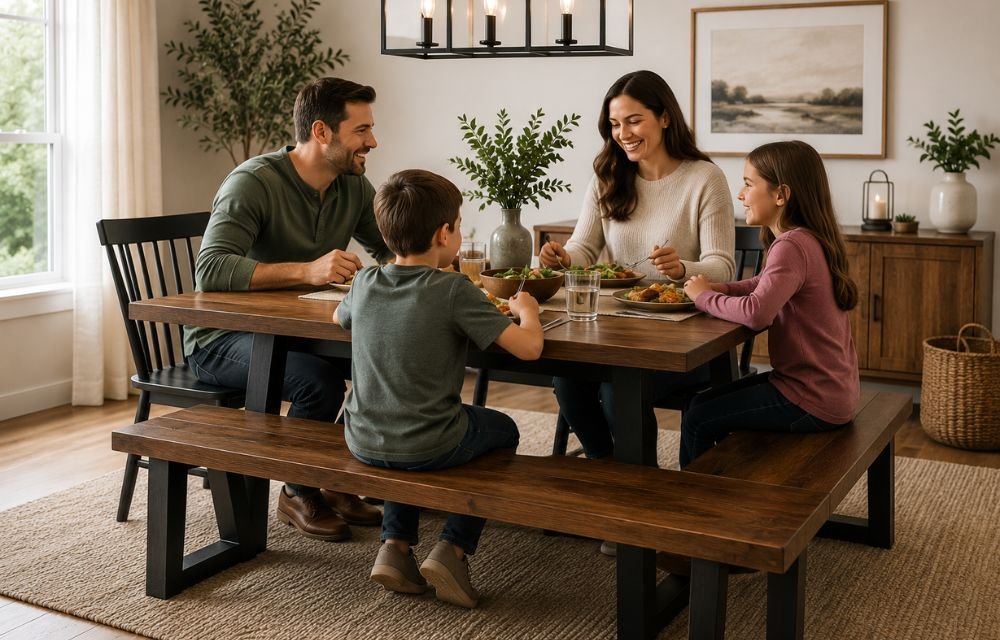
A bench does more than fill empty space along the table’s edge. Because it seats multiple people without individual frames or legs cluttering the floor, it opens up the room visually. Consequently, even a modest dining area can feel airier once you swap a few chairs for one long bench.
Additionally, a bench invites flexibility that chairs cannot match. Guests can slide closer together when extra people show up, so you rarely need to hunt for a folding chair before a holiday dinner. Meanwhile, kids find it far easier to climb onto a bench than to wrestle with a heavy dining chair, which makes family mealtimes smoother.
Beyond practicality, this piece of furniture also adds a distinct design element. A mix of bench and chairs breaks the matchy matchy look that many dining sets fall into, and as a result, the whole room feels more curated and less like a showroom display.
Dining Room Bench for Small Spaces
Because a bench tucks fully under the table, it leaves the surrounding floor clearer than a row of chairs would. Therefore, narrow dining rooms and open plan kitchens both benefit from this space conscious choice. In fact, many small space homeowners treat a bench as a non negotiable piece specifically because of this advantage.
Dining Room Bench for Growing Families
As a family expands, a fixed set of chairs quickly becomes limiting. A bench, however, simply asks people to shift over a little. Consequently, parents with young or growing children often prefer benches over individually plated seats, since the arrangement grows with the household rather than against it.
Dining Room Bench for Comfortable Dining
Sitting shoulder to shoulder on a shared bench naturally draws people closer together, both physically and conversationally. Thus, dinners feel warmer and less formal, especially when the bench includes soft cushions or a fabric seat pad.
Popular Dining Room Bench Styles
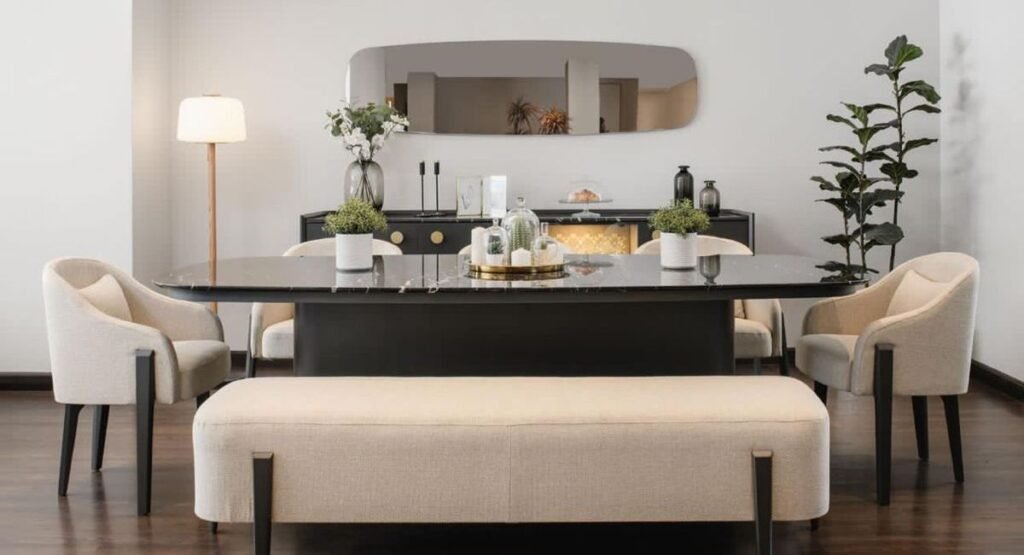
Not every dining room bench looks or functions the same way. Here is a closer look at the main styles you will encounter while shopping.
Backless Dining Room Bench
A backless bench keeps the look clean and unobtrusive. Because it has no vertical elements rising above the tabletop, it disappears visually when tucked in, which suits minimalist or Scandinavian-style rooms particularly well. However, longer meals may call for a cushion, since a bare seat can feel firm after an hour at the table.
Benches with a Built In Backrest
For households that linger over dinner, a backed bench adds real comfort. Additionally, the backrest often becomes a design feature in its own right, echoing slats, spindles, or upholstered panels found elsewhere in the room.
Fully Upholstered Options
An upholstered bench brings a plush, hotel lobby feel to a dining space. Fabric or leather covering adds cushioning throughout the seat, and consequently, guests tend to linger longer at a table with this kind of seating. Nevertheless, upholstery does require more regular cleaning than a bare wood or metal surface.
Multi Purpose Storage Benches
A bench with a lift up seat or built in drawers solves two problems simultaneously. Not only does it provide a place to sit, but it also holds table linens, extra chargers, or seasonal décor out of sight. Therefore, this style suits apartments and smaller houses where storage space runs short.
Rustic and Reclaimed Wood Benches
Thick, solid wood benches with a distressed finish pair naturally with farmhouse tables, exposed beams, and industrial lighting. As a result, this style has become a go to choice for homeowners chasing a lived in, welcoming aesthetic.
Streamlined Contemporary Benches
Thin metal legs, tight upholstery, and a low profile define the modern take on this furniture category. Consequently, these benches suit glass or lacquered tables where a heavier wood piece would feel out of place.
Dining Room Bench Buying Guide
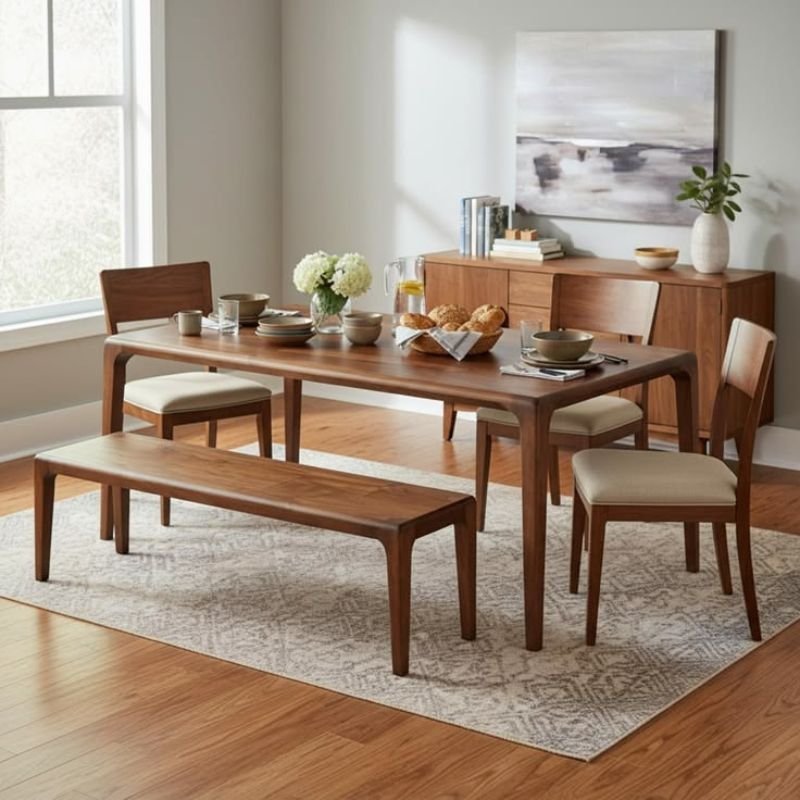
Shopping for the right dining room bench involves more than picking a style you like. Consider the following factors before you commit to a purchase.
Start with Accurate Measurements
Measure your table’s length first, then subtract a few inches to find an appropriate bench length. Otherwise, a bench that matches the table exactly can look oversized or block the ends of the table where people need to walk past.
Check Seat Height Against Table Height
A comfortable dining setup usually leaves about ten to twelve inches between the seat and the tabletop. Therefore, always compare the bench’s seat height to your table’s height before finalizing a purchase, since a mismatch makes every meal awkward.
Think Through Daily Use
If you plan to use the bench every day rather than only for guests, prioritize comfort features like cushioning or a backrest. Additionally, ask whether the frame can handle repeated use without wobbling, since daily wear differs significantly from occasional entertaining.
Weigh Material Against Lifestyle
Households with children or pets should lean toward wipeable materials such as leather, faux leather, or treated wood. Meanwhile, quieter households with fewer spills might comfortably choose a delicate fabric without much added risk.
Plan Your Budget Range
Decide on a spending ceiling before you start browsing, since prices for this furniture category vary enormously by material and craftsmanship. Consequently, setting a range in advance keeps you from overspending on features you do not truly need.
Best Dining Room Bench Materials
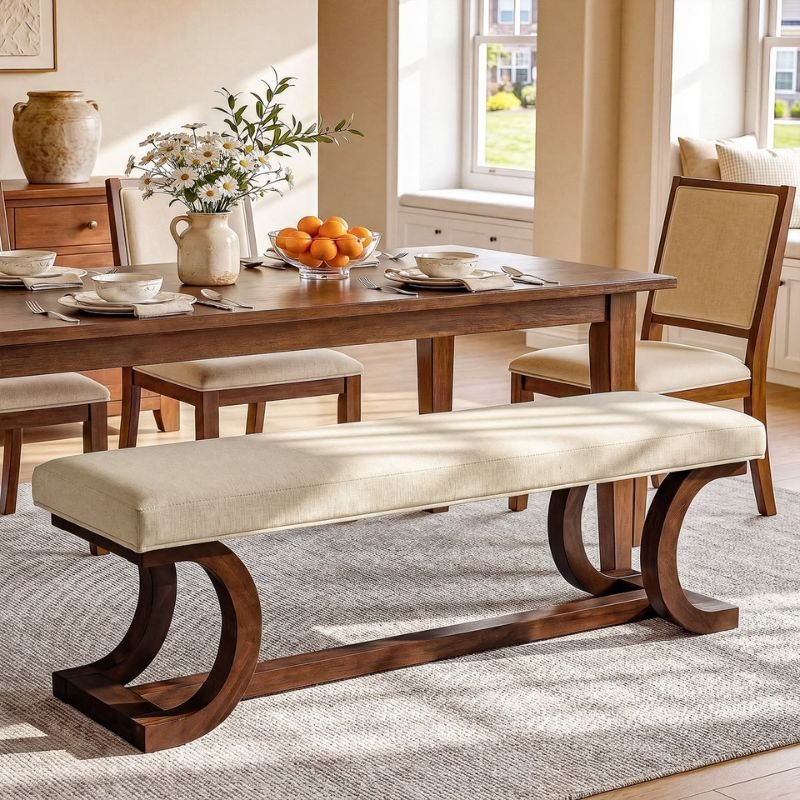
The material of a dining room bench affects everything from its look to its lifespan.
Solid Wood
Oak, walnut, and pine benches offer excellent durability and develop a rich patina with age. Moreover, solid wood pairs with nearly any table finish, which makes it a safe, versatile choice.
Metal Frames
A metal framed bench resists dents, scuffs, and daily wear better than most alternatives. Additionally, its slim profile suits contemporary rooms that favor open, airy sightlines.
Fabric Upholstery
Fabric adds warmth and softness underfoot and under seat alike. However, choose a performance or stain resistant fabric if your household eats messy meals often.
Leather and Faux Leather
Both options wipe clean in seconds, which makes them ideal for families with young children. Furthermore, leather ages beautifully, gaining character rather than looking worn.
Natural Fiber Weaves
Rattan and wicker benches bring texture and a relaxed, breezy feel. Consequently, they suit sunrooms, coastal-themed dining rooms, and homes with a bohemian design sensibility.
If sustainability is important to you, look for furniture made from FSC Certified Wood, which comes from responsibly managed forests.
Dining Room Bench Placement and Styling Tips
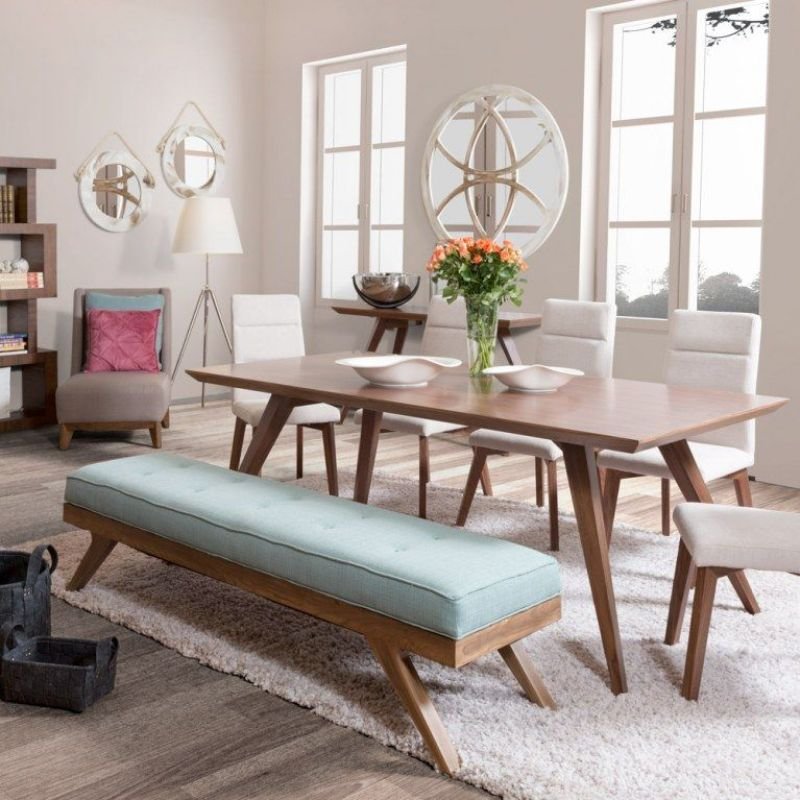
Where and how you place a dining room bench shapes both comfort and the overall look of the room.
Against a Wall
Pushing the bench flush against a wall saves the most floor space and creates a banquette style nook, especially when paired with a few throw pillows.
Paired with Chairs
Many households place a bench on one side of the table and chairs on the other. As a result, the setup gains visual variety while still offering the back support that chairs provide.
Benches on Every Side
Large families sometimes choose benches on two or more sides to maximize how many people the table can seat. Therefore, this configuration works well for households that host frequently.
Layering in Soft Textiles
Cushions, seat pads, and throw pillows soften a bench’s look and add comfort in equal measure. Additionally, washable covers make it easy to keep the bench looking fresh between deep cleans.
Lighting the Seating Area
A pendant or chandelier positioned above the bench highlights its material and finish. Furthermore, warm lighting makes the whole seating arrangement feel more inviting during evening meals.
Complete your dining setup with beautiful centerpieces by reading our Table Decor Ideas guide for stylish and practical decorating inspiration.
How to Clean and Maintain a Dining Room Bench
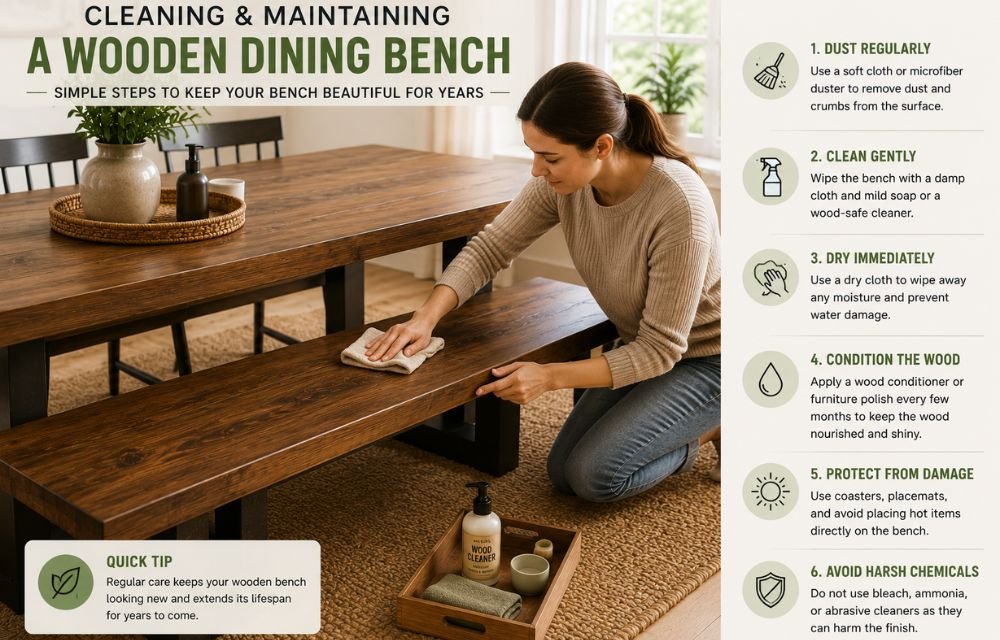
A little routine care keeps a dining room bench looking sharp for years.
Wood Care
Dust wood surfaces with a soft, dry cloth, and apply a wood safe polish every few months to prevent the finish from drying out or cracking.
Fabric Care
Vacuum fabric seats regularly, and treat spills immediately with a mild upholstery cleaner before they set into the fibers.
Metal Care
Wipe metal frames with a damp cloth to prevent dust and grime buildup, and periodically tighten any loose screws or joints.
Leather Care
Condition leather every few months to keep it supple, since dry leather is far more prone to cracking over time.
Floor Protection
Attach felt pads to the bottom of the legs to prevent scratches, and lift rather than drag the bench whenever you need to move it.
Dining Room Bench vs. Dining Chairs
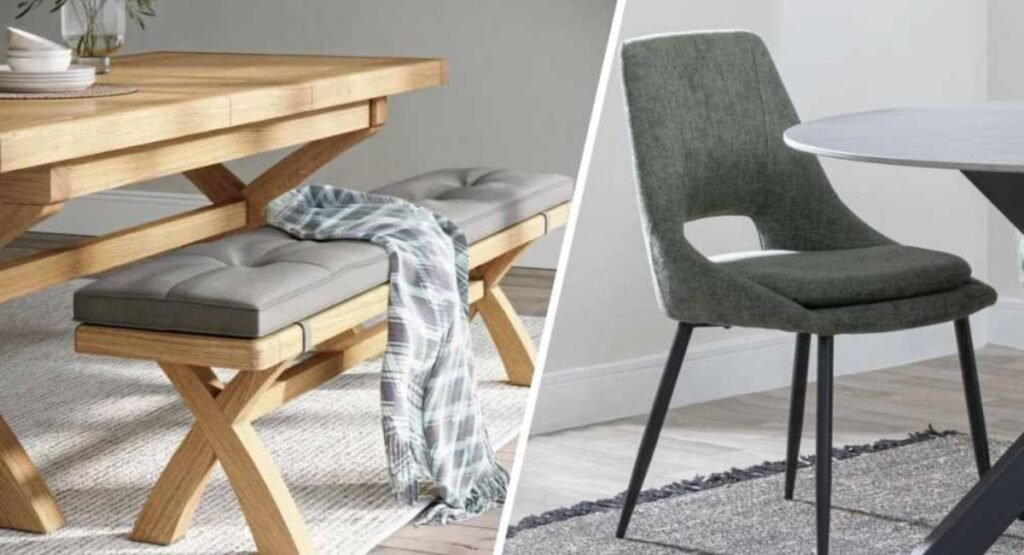
Many shoppers pause here and wonder whether a bench truly beats a matching set of chairs. In terms of cost, a bench usually wins, since it uses less material and less labor per seat than several individual frames. It also assembles faster, and it takes up noticeably less visual real estate along one side of the table.
Chairs, on the other hand, offer individual back support and armrests, which some people prefer for long meals or work-from-home lunches at the table. Because of this trade-off, many households settle on a hybrid layout: a bench along one side for flexibility, and chairs on the other for anyone who wants dedicated back support. This combination captures the best of both approaches without forcing a single choice for the whole room.
Latest Dining Room Bench Trends
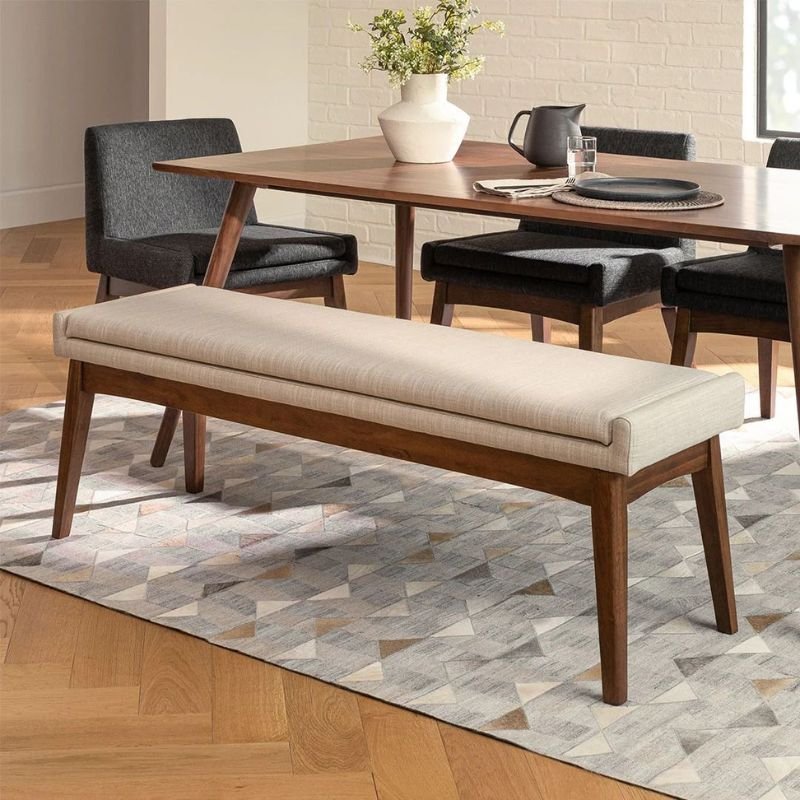
Furniture trends shift constantly, and this seating category has seen several notable shifts recently. Curved, softly rounded bench frames have grown popular among buyers who want to soften an otherwise angular dining set. Meanwhile, mixed material construction, such as a wood seat on slim black metal legs, continues to dominate mid range and higher end collections alike.
Neutral upholstery, in shades like oatmeal, taupe, and soft gray, remains the safest choice for buyers who plan to change other décor elements over time. However, a growing number of shoppers now opt for bolder textures, such as bouclé or textured linen, to give an otherwise simple bench more personality. Therefore, browsing a handful of current collections before deciding can help you land on a look that feels current rather than dated within a year or two.
Sustainability has entered the conversation as well. Consequently, benches built from reclaimed timber or FSC certified wood appeal strongly to buyers who care about sourcing. Furthermore, a well built bench in any material typically outlasts several cheaper replacements, which ultimately reduces long term environmental impact regardless of the specific material chosen.
If you enjoy modern home interiors, don’t miss our Living Room Decor guide for more furniture and decorating inspiration.
Where to Buy a Dining Room Bench
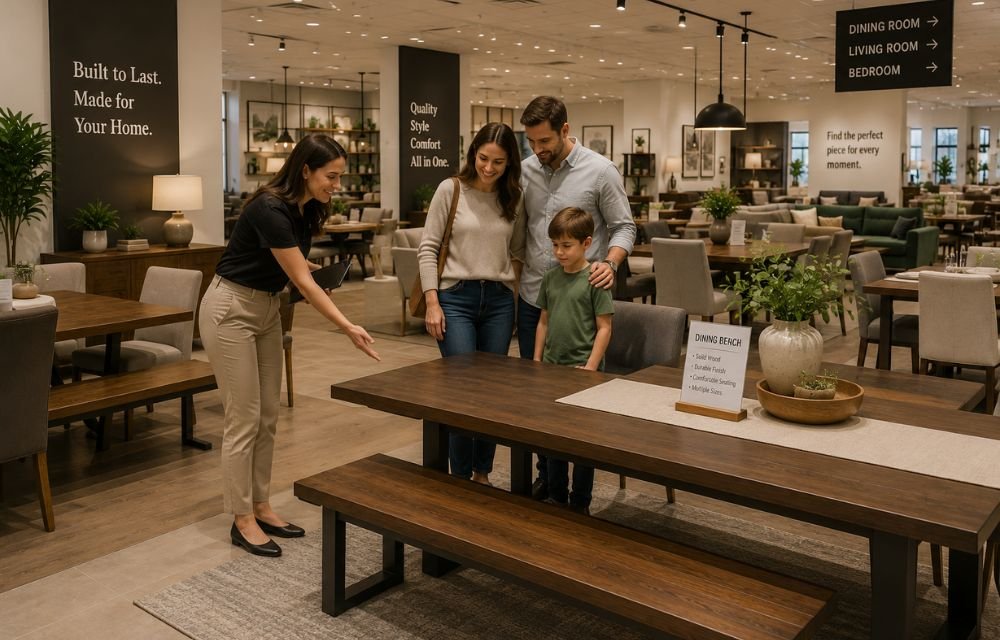
Once you have a style, material, and rough size in mind, the actual shopping process becomes much easier to navigate. Visiting a showroom lets you sit on the bench, check its sturdiness, and compare finishes in person, which matters most for upholstered or cushioned pieces where photos rarely tell the full story.
Shopping online, meanwhile, opens up a far larger selection, and detailed customer reviews often reveal durability issues that a product photo would never show. Additionally, some manufacturers and local carpenters will build a bench to your exact table dimensions, which helps enormously if your table falls outside standard length ranges. Therefore, weigh convenience against precision, and pick whichever approach matches your timeline and how particular you are about an exact fit.
You can also explore modern dining room design ideas and furniture inspiration on HGTV before making your final purchase.
Common Dining Room Bench Buying Mistakes
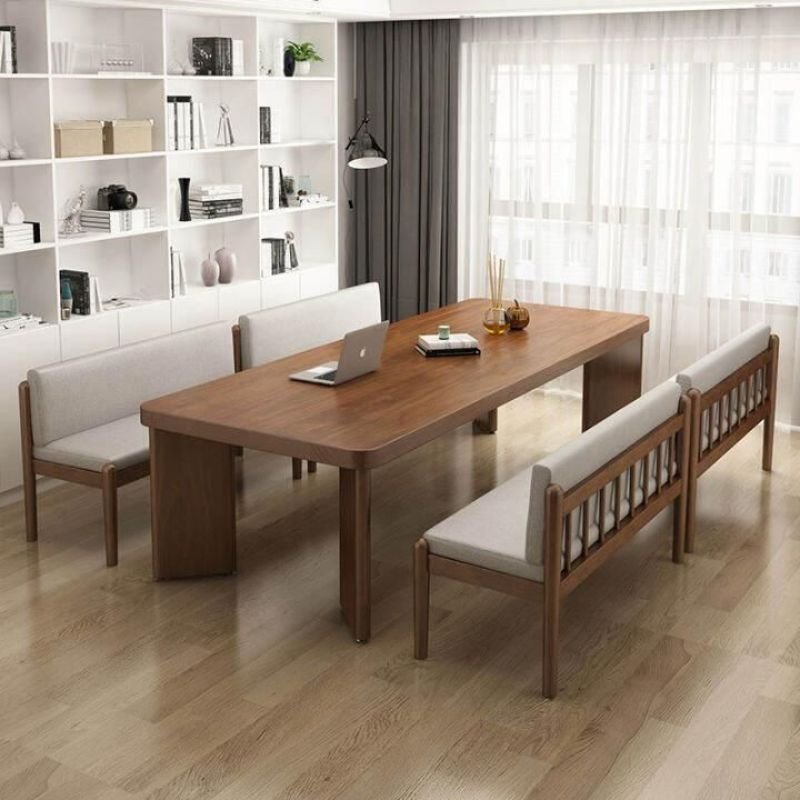
A handful of avoidable mistakes trip up many first time bench buyers. First, choosing a bench that runs longer than the table itself throws off the visual balance of the whole setup instantly. Second, ignoring the height relationship between the bench and the table often leads to an uncomfortable dining experience that no amount of styling can fix.
Additionally, skipping any form of cushioning on an all hard surface bench can make long dinners genuinely unpleasant for guests. Therefore, sit on a floor model whenever one is available, or read through several verified reviews before ordering sight unseen.
Choosing the Right Dining Room Bench for Different Table Shapes
Rectangular tables suit a bench most naturally, since the long, straight edge gives the bench a clean line to sit against. Square tables can work too, though a shorter bench usually looks more proportional than a full length one crammed against a compact edge. Round and oval tables pose more of a challenge, since a straight bench edge meets a curved table line, so many households reserve benches for straight edged tables and use chairs around curves instead.
Beyond table shape, think about how many people you realistically want to seat on the bench at once. As a rule of thumb, allow roughly twenty four inches of width per adult, so a six-foot bench comfortably seats three people without anyone feeling cramped. Therefore, count your usual dinner party size before settling on a final length, rather than guessing based on the table alone.
Final Thoughts on Choosing a Dining Room Bench
A dining room bench offers a rare combination of practicality, comfort, and style that a full set of chairs often cannot match. Whether you choose a rustic reclaimed wood design, a sleek metal framed piece, or a fully upholstered option, the right dining room bench adapts to your space, your family, and your everyday routine. Ultimately, this single piece of furniture can reshape how your household gathers around the table for years to come.
Before you finalize your purchase, revisit your measurements one more time, confirm the material suits your household’s daily habits, and picture how the finished look will sit alongside your existing table and chairs. A little extra planning at this stage saves you from a costly return later, and it ensures your new dining room bench earns its place at the head of every family meal.
FAQs
1. Is a dining room bench a good fit for small dining rooms?
Yes, a dining room bench tucks under the table and frees up floor space in tight rooms.
2. Can I use a dining room bench with mismatched chairs?
Yes, pairing a dining room bench with chairs on the opposite side creates a balanced, layered look.
3. What material holds up best for daily family meals?
Leather or faux leather holds up best for daily use since it wipes clean quickly.
4. Do dining room bench designs come with storage?
Yes, many dining room bench designs include a lift up seat or drawers for hidden storage.
5. How often should I clean an upholstered dining room bench?
Vacuum an upholstered dining room bench weekly and treat spills as soon as they happen.