
Every room deserves warm, inviting lighting, and floor lamps are one of the easiest ways to achieve it. They brighten dark corners, create comfortable reading spaces, and add style without requiring any electrical installation. A well placed lamp can replace harsh overhead lighting, highlight your favorite furniture, and instantly transform the atmosphere of a room. Whether your home features a modern, classic, or minimalist design, the right floor lamp combines beauty and functionality to enhance your living space.
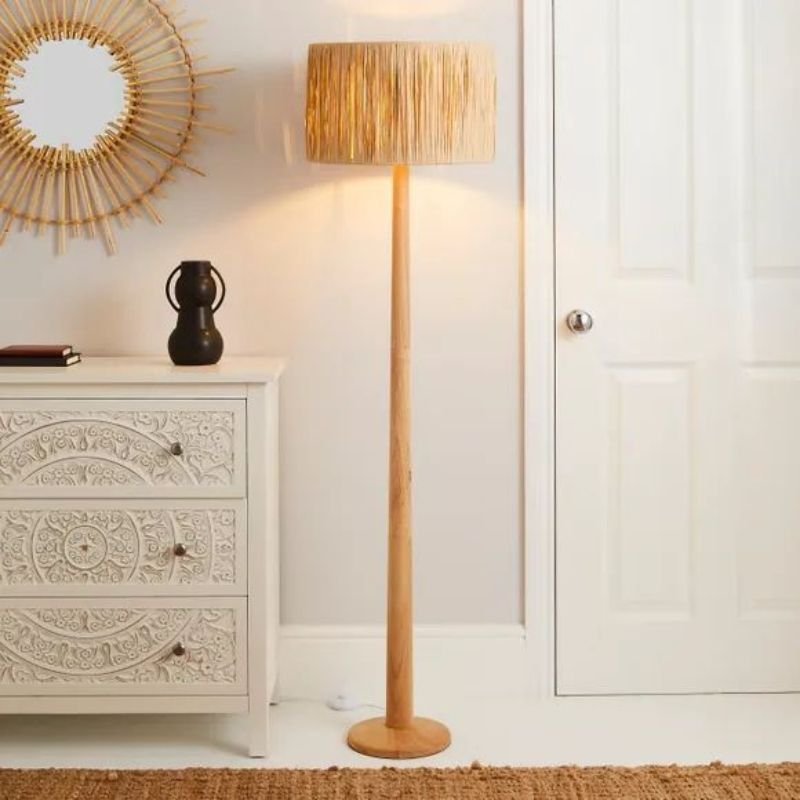
This guide covers everything you need to know about choosing the perfect floor lamp for your home. You’ll discover different lamp styles, their benefits, placement ideas for every room, and practical tips for selecting the right size and design. In addition, you’ll learn simple maintenance techniques, compare floor lamps with other lighting options, and explore creative decorating ideas. By the end, you’ll have the confidence to choose a floor lamp that complements your décor, fits your budget, and creates the perfect ambiance in any room. If you’re also looking to transform your living space, be sure to read our Living Room Decor Complete Guide for expert decorating tips, furniture arrangement ideas, and inspiration to create a stylish and comfortable home.
Why Floor Lamps Matter in Home Décor
Lighting shapes how a room feels, and standing fixtures play a starring role in that transformation. Unlike table lamps, they do not compete for surface space. Unlike ceiling fixtures, they do not require an electrician or a ladder to install. Therefore, they offer flexibility that few other lighting choices can match, and homeowners can rearrange them as often as they like.
A well-placed floor lamp draws the eye upward and adds height to a room, which makes ceilings feel taller and spaces feel more open. It also fills dark corners that overhead lighting often misses, especially in rooms with irregular layouts or limited natural light. Consequently, many interior designers treat this type of lamp as both a functional tool and a decorative statement piece. When you choose the right one, it becomes a focal point that ties your furniture, wall art, and color palette together into a cohesive whole.
Beyond aesthetics, floor lamps also support the way people actually live in their homes. Reading, working, relaxing, and entertaining all require different lighting levels, and a movable lamp adapts instantly to each activity. Consider how often you shift from watching television to reading a book on the same sofa; a single overhead light cannot serve both tasks well, but a nearby lamp can switch the mood in an instant.
Popular Types and Styles of Floor Lamps
Floor lamps come in many shapes, and each style serves a different purpose. Understanding these categories helps you narrow down your search quickly and avoid buying something that clashes with your existing décor.
Traditional Floor Lamp Designs
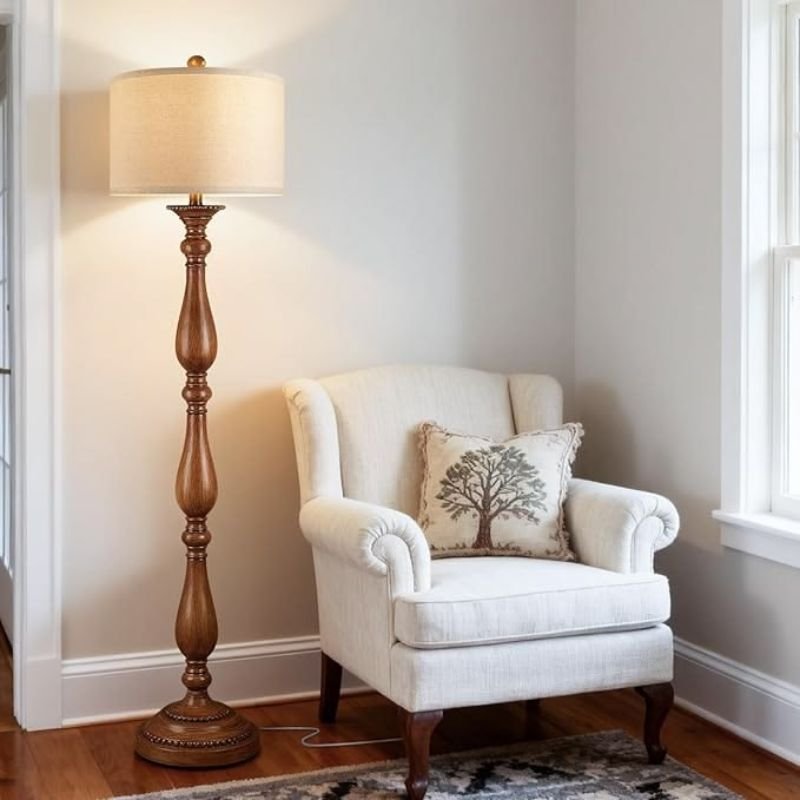
Traditional lamps feature classic silhouettes, often with fabric shades and wooden or brass bodies. They suit formal living rooms, libraries, and spaces filled with vintage or transitional furniture. Because of their timeless design, these pieces rarely go out of style, and they often become family heirlooms passed down through generations.
Modern Floor Lamp Designs
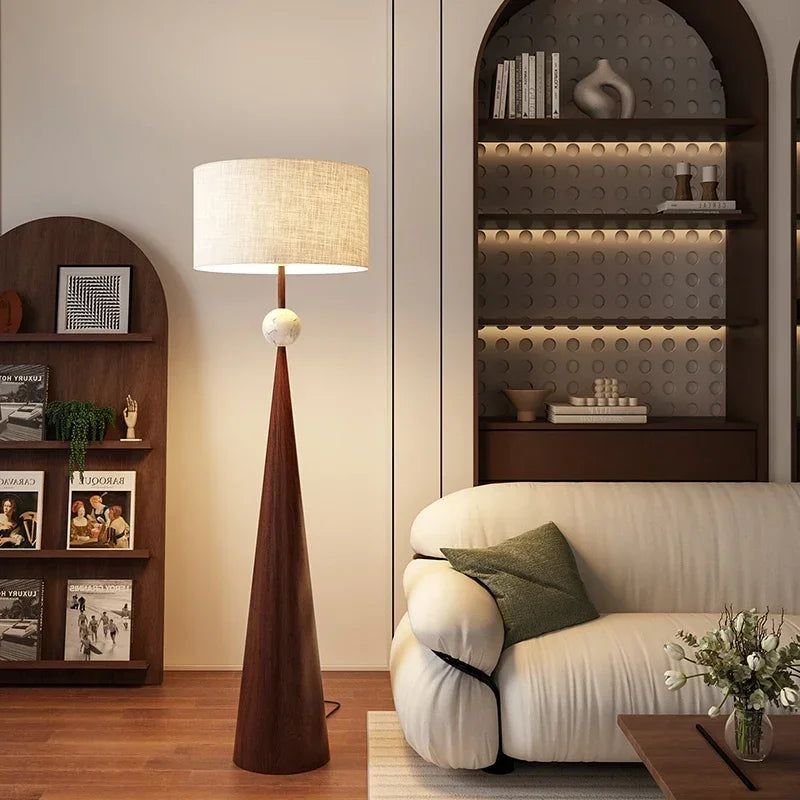
Modern floor lamps pair perfectly with clean, functional furniture and minimalist interiors. To create a balanced and stylish living space, combine your lighting with carefully selected decorative accents. For more ideas on styling your centerpiece, explore our Coffee Table Decor guide and discover simple ways to complete your living room design.
Arc-Style Floor Lamps
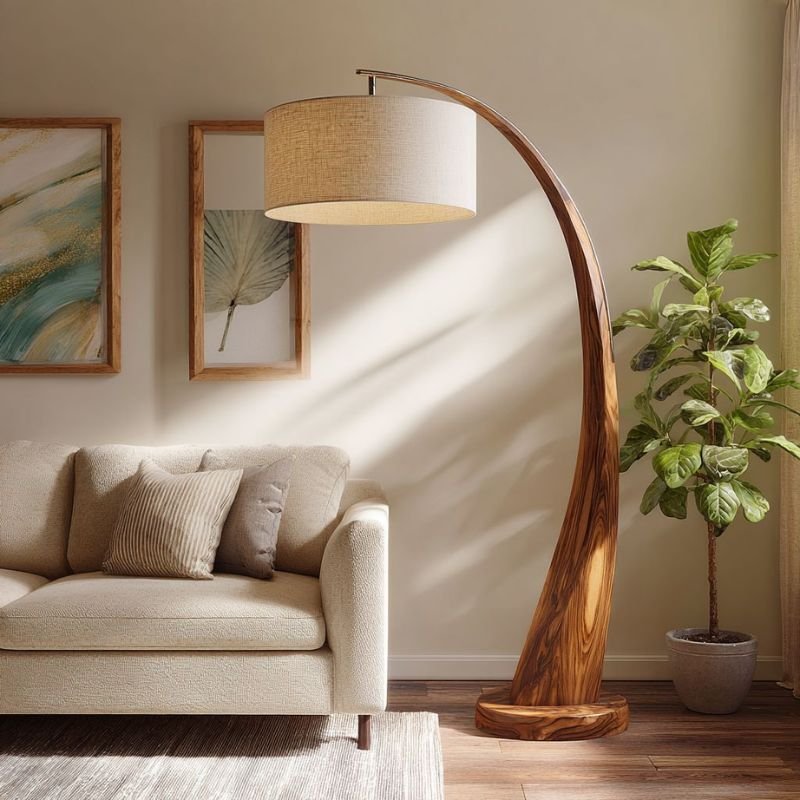
Arc style lamps curve dramatically over a sofa or dining table, casting light downward without a hanging fixture overhead. This style suits open concept spaces where a pendant light is not practical or where running new wiring would prove costly. However, this design needs enough floor clearance, so measure your space carefully before buying one.
Tripod Base Floor Lamps
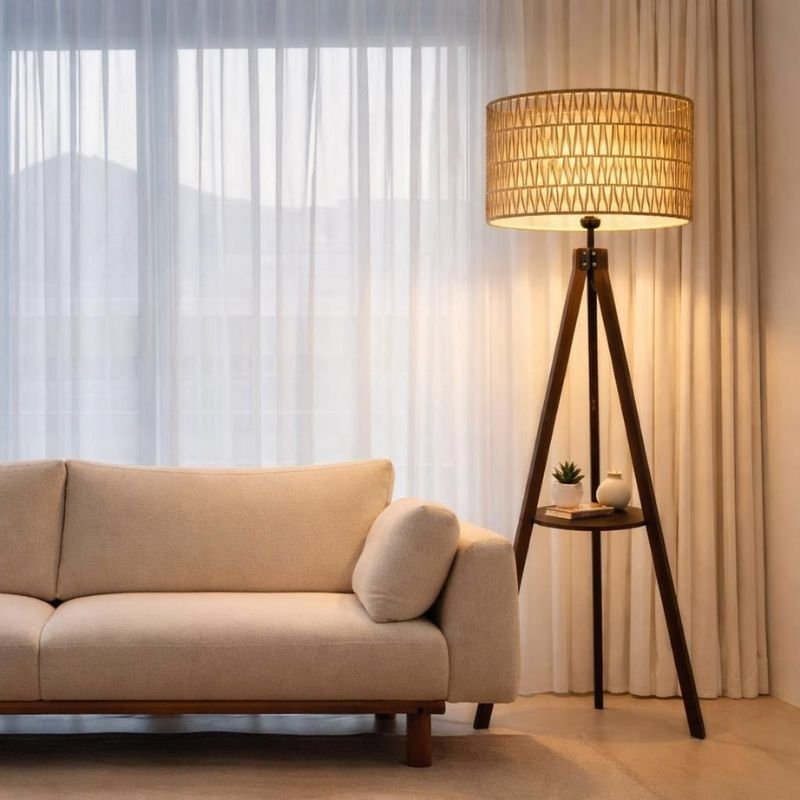
Tripod base lamps rest on three angled legs, which gives them a sturdy, mid-century look that feels both retro and current. They pair well with Scandinavian, industrial, or retro interiors, and their open leg structure keeps the overall silhouette feeling light rather than bulky. Because the legs spread outward, they also feel more stable than single-pole designs, which matters in homes with curious pets.
Torchiere Style Floor Lamps
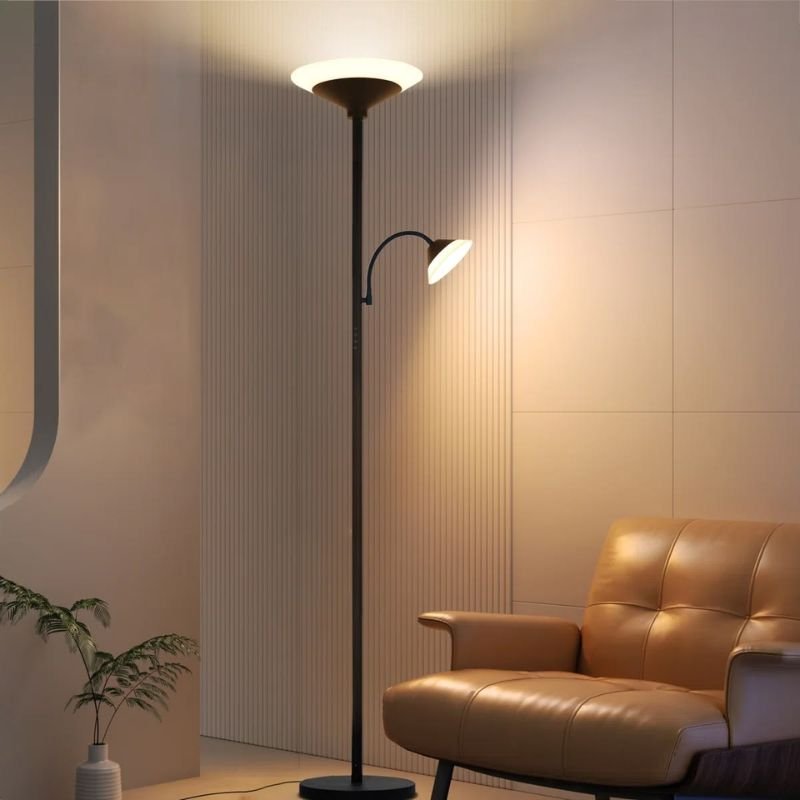
Torchiere style lamps direct light upward toward the ceiling, creating soft, indirect illumination that bounces around the room. This style works well in bedrooms and living rooms where you want ambient light rather than a bright, direct beam aimed at a specific task. As a result, torchiere designs rarely cause glare, and they suit rooms where several people gather for conversation rather than focused work.
Task and Reading Floor Lamps
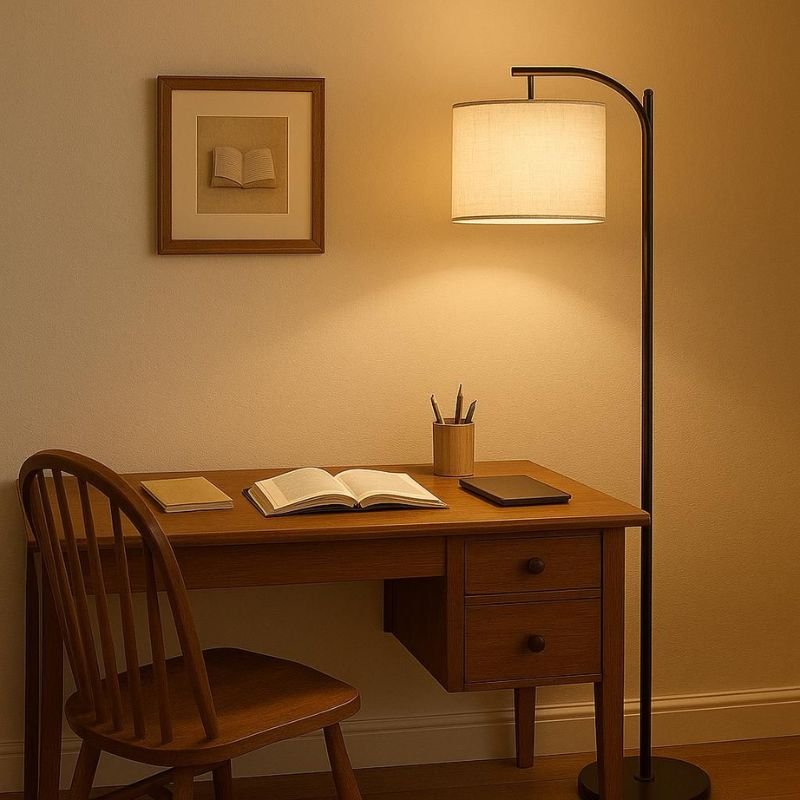
Task oriented lamps typically include adjustable necks or swiveling arms that let you direct light exactly where you need it. Readers, hobbyists, and remote workers often prefer this category because it eliminates shadows on a page or workspace. Many models also include built-in dimmers, so you can fine tune brightness depending on the time of day.
Key Benefits of Adding Floor Lamps to Your Space
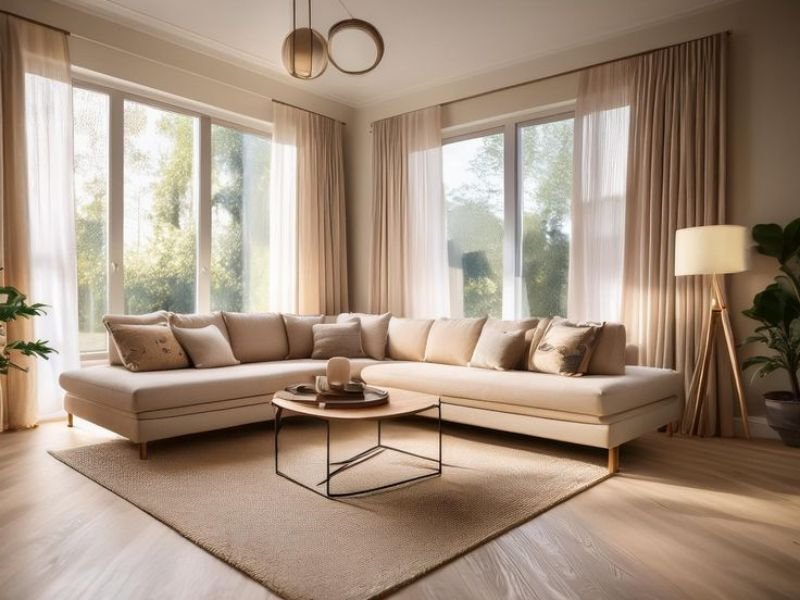
Floor lamps offer more than just illumination; they bring several practical advantages to any home, and homeowners often notice the difference within the first week of use.
First, they improve flexibility. You can move the fixture from one corner to another whenever you rearrange furniture, host guests, or simply want a fresh layout. Second, they layer your overall lighting scheme. Interior designers often recommend combining ambient, task, and accent lighting, and a tall standing lamp easily fills the task or accent role without competing with your ceiling fixture. Third, they enhance mood almost instantly. A warm toned bulb in this kind of fixture can turn a stark room into a cozy retreat within minutes, which matters enormously during darker winter months.
Moreover, floor lamps require no wiring or installation. You simply plug them in and place them where you need light, which makes them ideal for renters who cannot modify built-in fixtures or drill into walls. Finally, these pieces come in countless price points, so you can find an option that fits nearly any budget without sacrificing style or quality. Whether you shop at a budget retailer or a boutique design studio, you will find something that suits your taste.
Another underrated benefit involves seasonal flexibility. During the darker months, homeowners often add an extra lamp near a favorite chair to combat shorter daylight hours. During summer, that same lamp can move outside to a covered porch for evening relaxation, provided the model is rated for that use. This adaptability sets standing lighting apart from fixed installations that stay locked in one place year round.
How to Choose the Right Floor Lamp
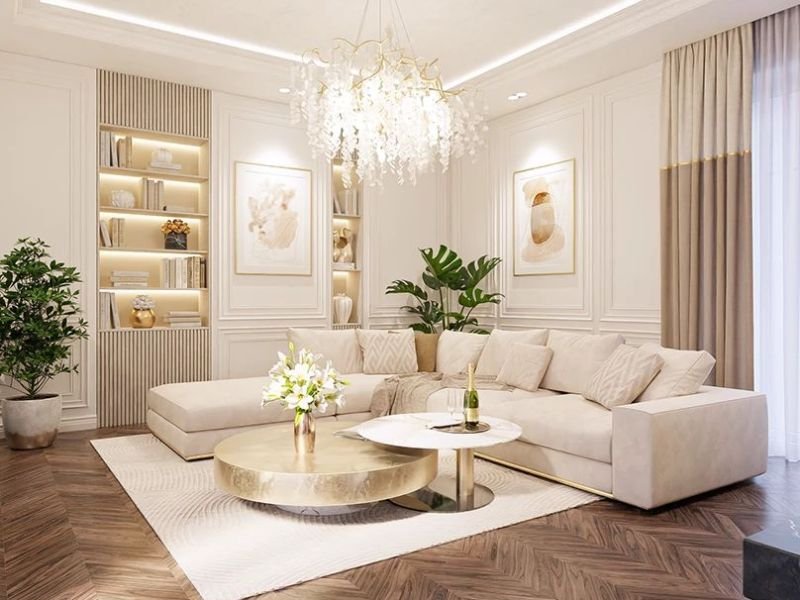
Selecting the perfect floor lamp involves more than picking a design you like. Several practical factors influence how well it performs in your space, and skipping these steps often leads to disappointment after purchase.
Consider the Room’s Purpose
Think about how you use the room before you shop. A home office needs bright, focused task lighting, while a bedroom benefits from soft, diffused light that supports relaxation. Therefore, match the fixture’s brightness and light direction to the room’s primary function rather than choosing based on looks alone.
Measure Height and Proportion
A lamp should relate proportionally to nearby furniture. For reading beside a sofa, choose a model that reaches slightly above shoulder height when you are seated. For general ambient lighting, taller torchiere styles often work better because they spread light across the ceiling and walls rather than focusing it in one spot.
Choose the Right Shade
The shade controls how light spreads through the room. Opaque shades direct light downward and create focused pools, while translucent shades diffuse light more broadly across the space. Consequently, your shade choice should reflect whether you want concentrated task lighting or a softer, ambient glow throughout the evening.
Pick the Correct Bulb Type
LED bulbs use less energy and last longer than incandescent options, making them a smart long term choice for any household. Warm white bulbs, generally rated between 2700K and 3000K, suit living rooms and bedrooms, while cooler tones work better in home offices and craft spaces. Additionally, dimmable bulbs give you control over brightness throughout the day, which helps reduce eye strain during evening hours.
Match the Style to Your Décor
Your chosen fixture should complement your existing furniture and color scheme rather than clash with it. If your space leans modern, avoid ornate traditional designs with heavy ornamentation. If your décor feels eclectic, however, a bold statement piece can become a fun conversation starter for guests.
Think About Placement and Cord Length
Before you buy, plan exactly where the lamp will sit and confirm it will reach a nearby outlet comfortably. Otherwise, you may end up with visible extension cords stretched across the floor, which can undermine an otherwise polished look and create a tripping hazard.
Factor in Base Stability
A wide, weighted base prevents tipping, which matters most in homes with children, pets, or heavy foot traffic. If you plan to place your lamp near a walkway, prioritize a stable design over a slim, minimalist silhouette, even if the sleeker option looks more appealing in photos.
Styling Ideas for Floor Lamps in Every Room
Floor lamps adapt beautifully to nearly every room in your home. Here are some practical ways to style them so they earn their place in your décor.
Living Room
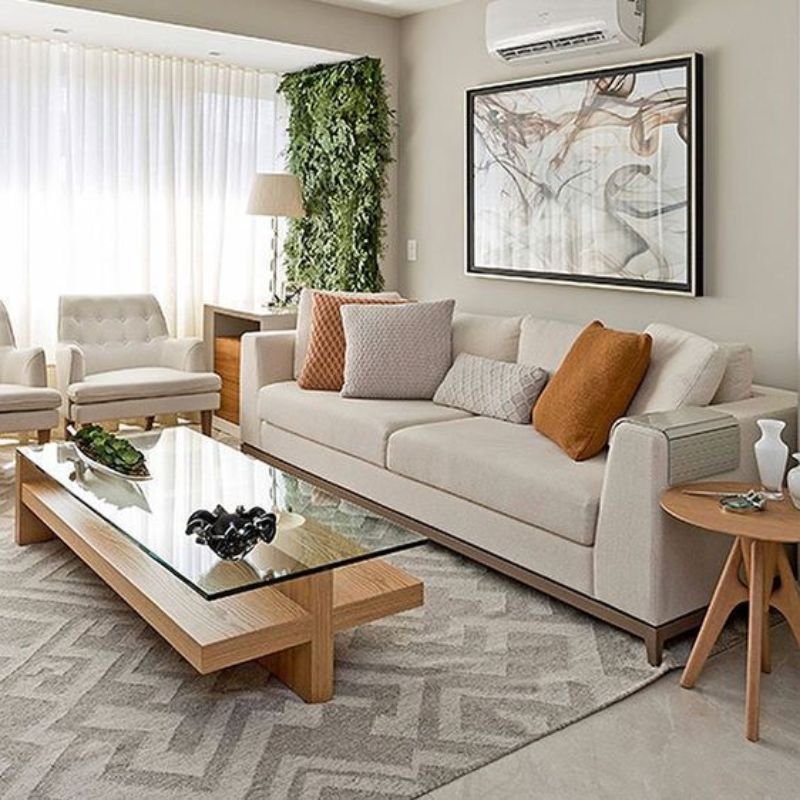
Place a tall lamp beside your sofa or accent chair to create a cozy reading spot that invites you to slow down after a long day. Pair it with a side table for drinks and books, and layer it with your ceiling light for balanced illumination throughout the evening. Two matching lamps flanking a sofa can also create striking symmetry in larger living rooms.
Bedroom
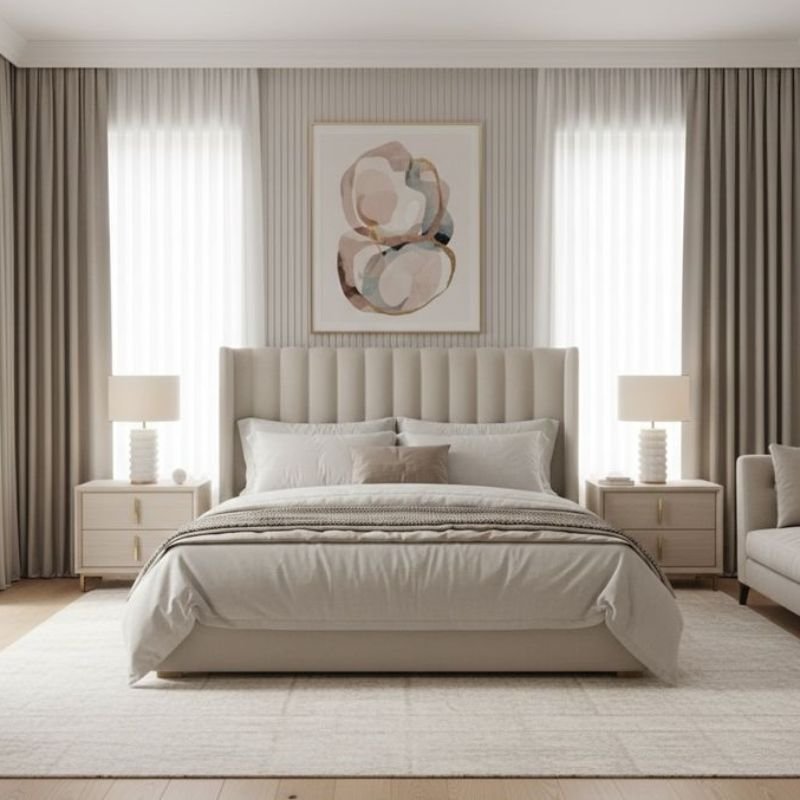
A torchiere or tripod style lamp beside your nightstand adds soft, relaxing light without taking up drawer space. This approach works especially well in smaller bedrooms where table lamps compete for limited surface area, and it frees up your nightstand for books, a glass of water, or a charging phone.
Reading Nook
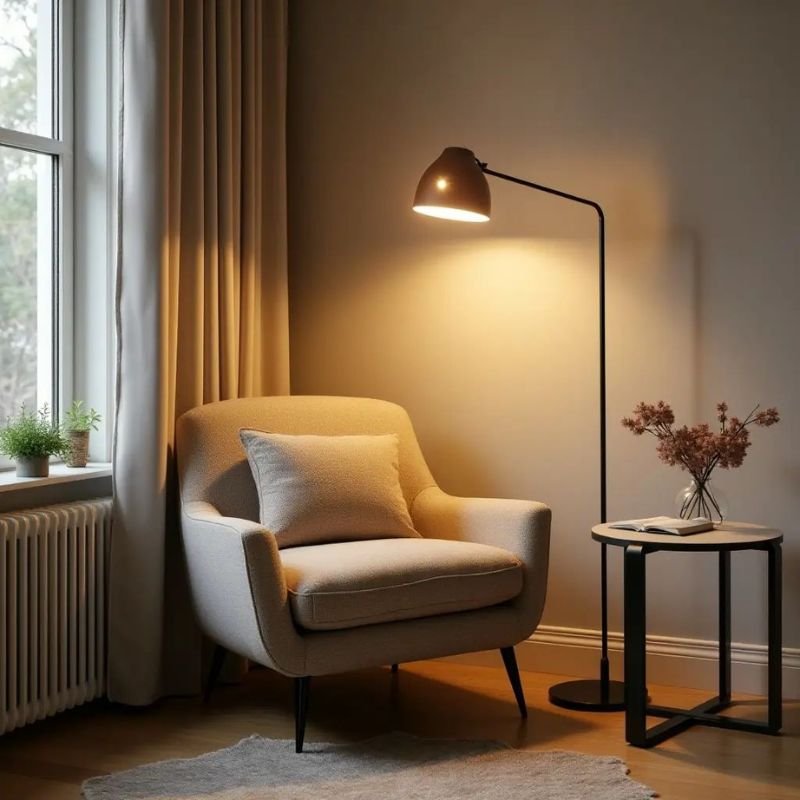
An arc or adjustable fixture positioned behind your favorite armchair delivers focused light exactly where you need it most. Choose a design with an adjustable head so you can angle the beam directly onto your book without straining your neck or squinting at the page.
Home Office
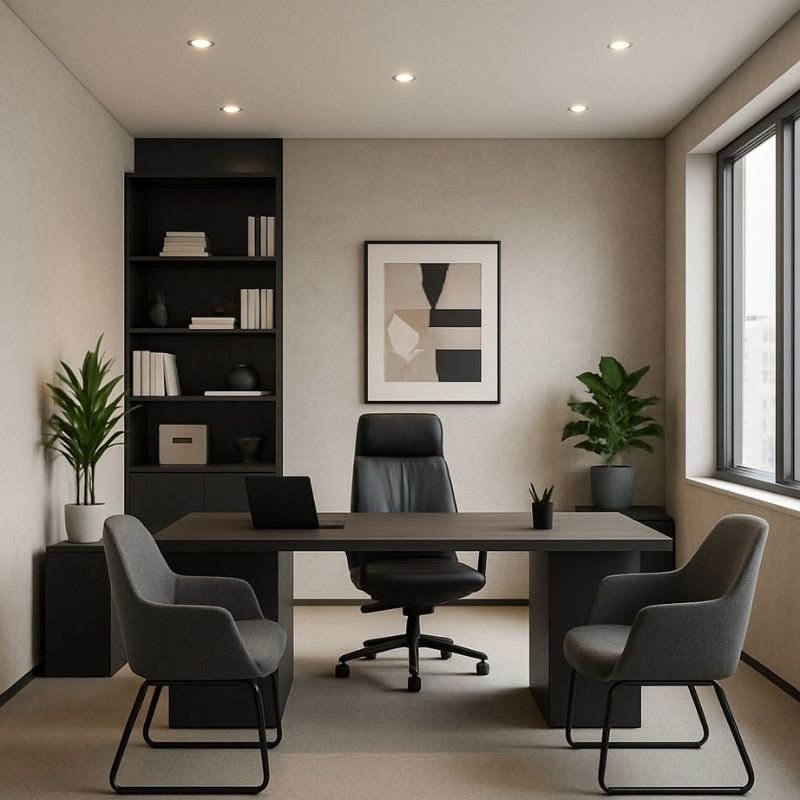
A slim, modern lamp with an adjustable arm reduces eye strain during long work sessions in front of a screen. Position it near your desk so it supplements natural daylight without creating glare on your monitor, and consider a model with a built in USB port for added convenience.
Entryway or Hallway
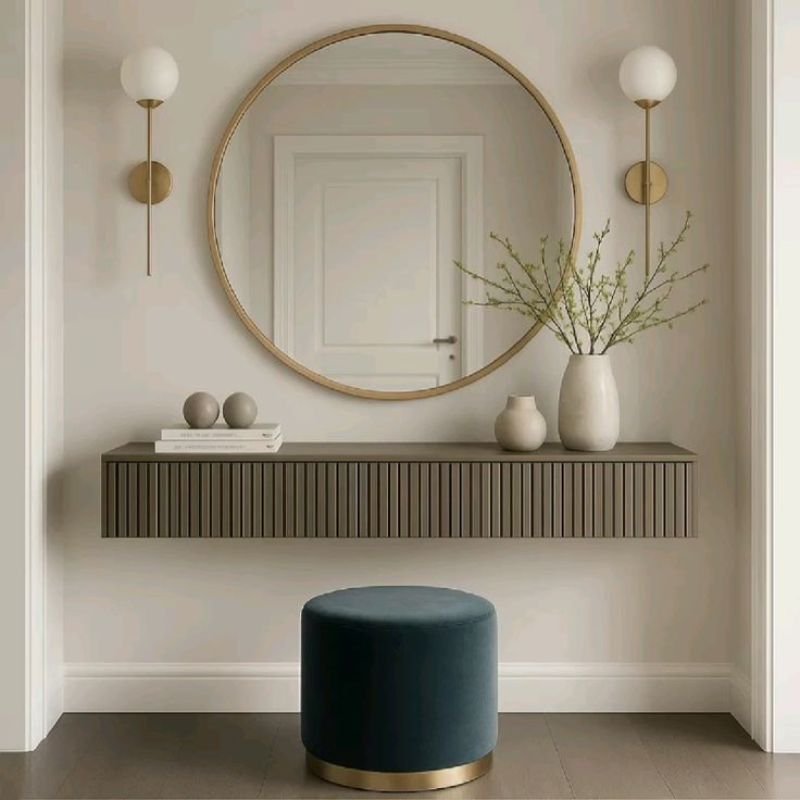
A tall, slender lamp fills an empty corner near your front door and welcomes guests with a warm first impression the moment they step inside. This spot often gets overlooked during décor planning, yet it makes a noticeable difference in how the entire home feels from the very first glance.
Dining Room
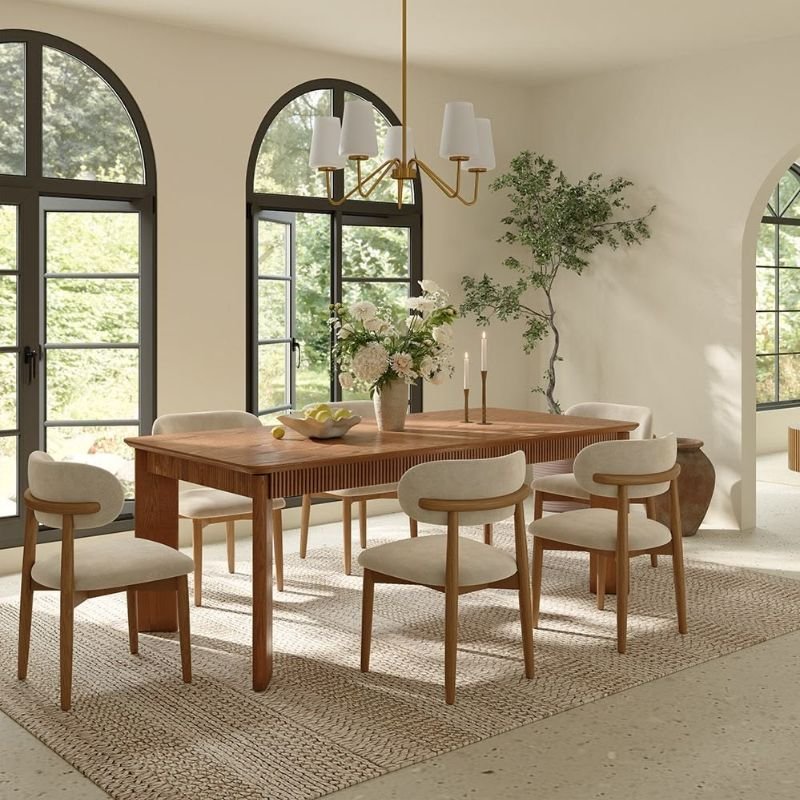
An arc floor lamp can add warmth and elegance to your dining area, making family meals and gatherings feel more inviting. When paired with the right wall accents and furniture, it creates a balanced and stylish look. For more decorating inspiration, explore our Dining Room Wall Decor guide to discover beautiful ideas for enhancing your dining space.
Floor Lamps vs Other Lighting Options
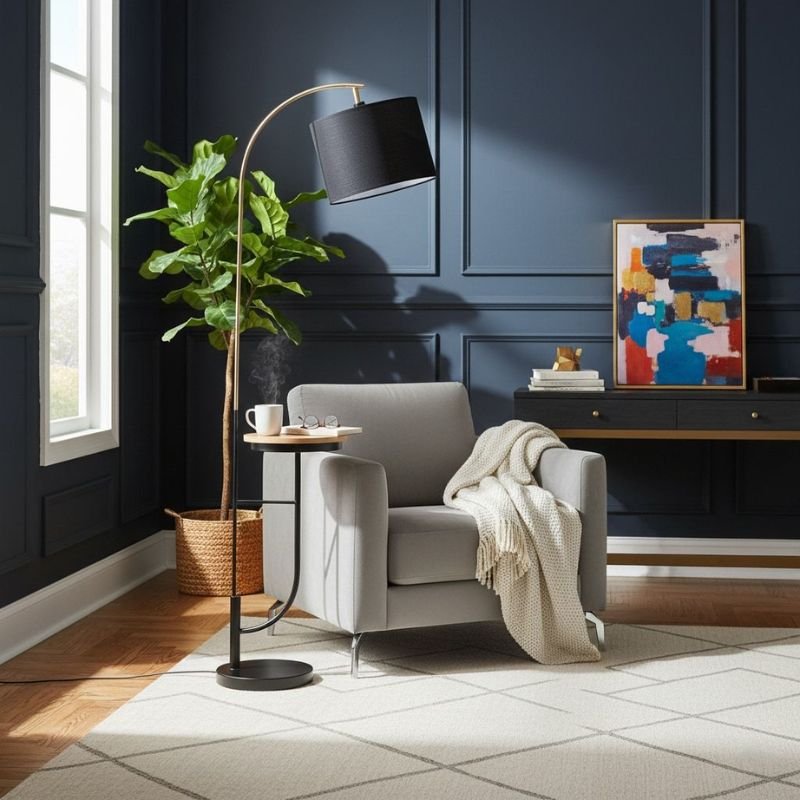
Homeowners often wonder whether a standing fixture outperforms other lighting choices, and the answer depends on the situation. Ceiling fixtures illuminate an entire room evenly, but they require professional installation and cannot be moved once mounted. Table lamps offer similar warmth, yet they occupy valuable surface space that a taller, standing option does not need.
This category of lighting, on the other hand, combines mobility with strong visual impact. You can reposition it instantly, and it frees up tabletops for décor or daily essentials rather than crowding them with a bulky base. However, these fixtures generally illuminate a smaller area than ceiling lights, so most rooms benefit from combining both types. This layered approach gives you flexibility during the day and cozy ambiance in the evening, which single-source lighting simply cannot replicate.
Wall sconces present another alternative, and they share some benefits with standing lamps, such as freeing up floor and table space. However, sconces require installation and cannot move once fixed to the wall. If you rent your home or like to rearrange furniture often, a portable lamp remains the more practical choice by comparison.
Caring for Your Floor Lamp

Proper maintenance keeps your floor lamp looking sharp and functioning safely for years to come. Dust the shade and base weekly using a soft, dry cloth to prevent buildup that dulls the material’s appearance over time. For fabric shades, a handheld vacuum brush attachment removes dust without damaging the delicate fibers.
Additionally, check the cord regularly for fraying or exposed wiring, since damaged cords pose a genuine fire risk in any home. Replace bulbs promptly when they burn out, and always match the wattage recommended by the manufacturer to avoid overheating. If your lamp includes a dimmer switch, test it periodically to confirm smooth operation and catch any flickering issues early. Finally, keep the fixture away from high-traffic areas where it could tip over, especially in homes with young children or curious pets running through the room.
For metal bases, an occasional wipe with a slightly damp cloth keeps finishes looking new, though you should dry the surface immediately afterward to prevent water spots. Wooden bases benefit from furniture polish applied a few times a year, which keeps the wood from drying out or losing its shine.
Conclusion
Floor lamps offer an easy, affordable way to transform any room in your home. They add warmth, style, and flexibility that few other lighting fixtures can match, and they require far less commitment than a permanent installation. Whether you prefer a sleek modern design or a classic traditional silhouette, the right lamp elevates both the function and the atmosphere of your space.
As you shop, remember to consider room purpose, proportion, shade type, and bulb choice before making a final decision. Pay attention to base stability and cord placement as well, since these small details often determine whether a lamp feels like a natural fit or an afterthought. With thoughtful placement, floor lamps can become one of the most valuable additions to your home’s overall design, quietly doing the work of pulling a room together every single evening.
FAQs
1. What is the ideal height for a floor lamp next to a sofa?
A floor lamp should sit slightly above shoulder height when you are seated for comfortable reading light.
2. Are floor lamps more energy efficient than ceiling lights?
Floor lamps with LED bulbs use less energy than most ceiling fixtures, especially when you only light the area you need.
3. Can floor lamps replace overhead lighting completely?
Floor lamps work best as a complement to overhead lighting rather than a full replacement in most rooms.
4. What type of bulb works best in a floor lamp?
Warm white LED bulbs between 2700K and 3000K create a cozy, inviting glow for most living spaces.
5. Where should I avoid placing a floor lamp?
Avoid placing a floor lamp in narrow walkways or high traffic areas where it could easily tip over.