
Have you ever walked into a living room and felt like something was missing? In most cases, the answer is right under your feet. Living room rugs are one of the most powerful yet most overlooked elements of interior design. Living Room in Spanish They tie a room together, add warmth, define spaces, and bring personality to an otherwise plain floor. Whether you live in a cozy apartment or a spacious home, the right rug can completely transform how your living room looks and feels. In this guide, you will find everything you need to choose, style, and maintain the perfect rug for your space.
Why Living Room Rugs Matter More Than You Think
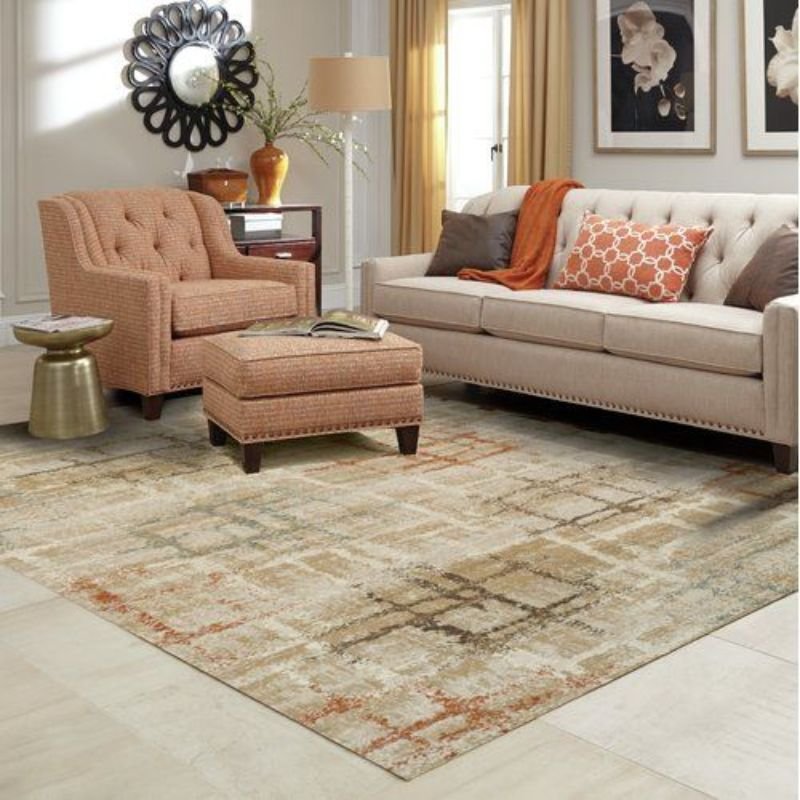
Most homeowners focus on furniture, wall colors, and lighting when decorating their living rooms. However, they often overlook the floor and that is a costly mistake. A well chosen rug does far more than cover hardwood or tile. It creates a visual anchor for your seating arrangement, softens the acoustics of a room, and adds a layer of texture that makes the entire space feel complete.
Furthermore, living room rugs protect your floors from everyday wear and tear. They also make the space safer, especially in homes with children or elderly family members. Additionally, rugs allow you to introduce color, pattern, and style without committing to a permanent change like paint or new furniture. As a result, they offer one of the most flexible and affordable ways to refresh your home’s interior.
Beyond aesthetics, area rugs also define separate zones within an open plan living space. For instance, you can use a rug to distinguish the seating area from the dining section in a combined room. This zoning technique makes large, open spaces feel more intentional and organized. Therefore, investing in the right rug is one of the smartest home improvement decisions you can make.
How to Choose the Right Rug Size for Your Living Room
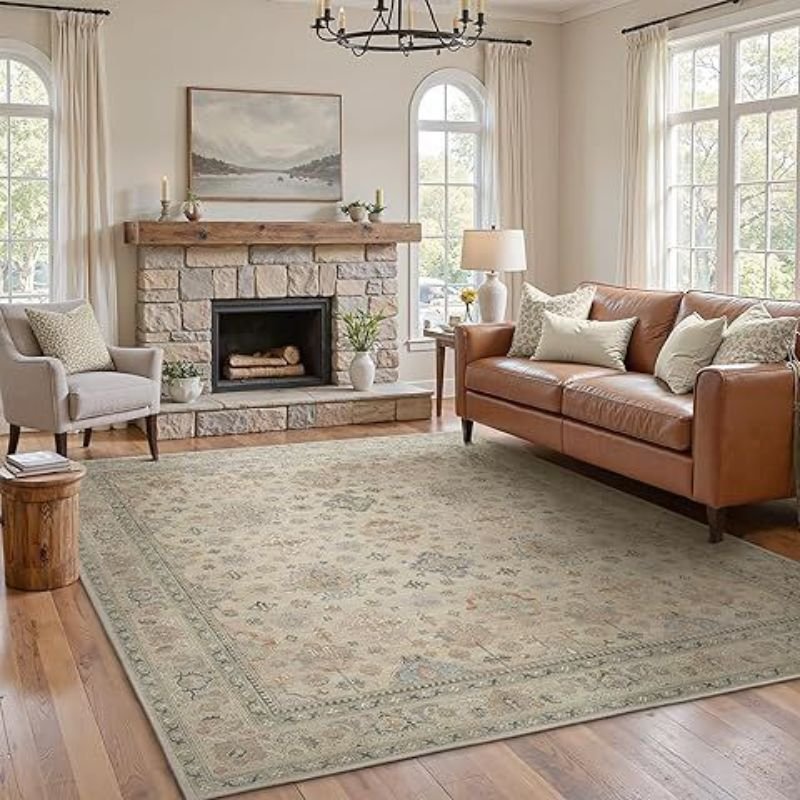
Size is the single most important factor when you select living room rugs. Choosing the wrong size is one of the most common decorating mistakes people make. A rug that is too small makes a room feel disconnected and awkward. On the other hand, a rug that is too large can overwhelm the space and hide beautiful flooring details.
Common Rug Sizes and What They Work For
The most popular rug size for living room spaces is 8×10 feet. This size works well in medium to large rooms and allows all front legs of your sofa and chairs to rest on the rug. Alternatively, a 9×12 rug suits larger living rooms where you want all furniture legs fully on the rug for a more formal, cohesive look. For smaller spaces, a 5×8 rug can work well if you position it correctly under the coffee table.
To find the ideal rug size for living room layouts, start by measuring your seating area. Leave at least 18 inches of bare floor between the rug edge and the walls. This gap creates a natural border that makes the room feel balanced. Moreover, you can use painter’s tape on your floor to mark the dimensions before you buy this simple trick saves a lot of guesswork and returns.
Best Materials for Living Room Rugs
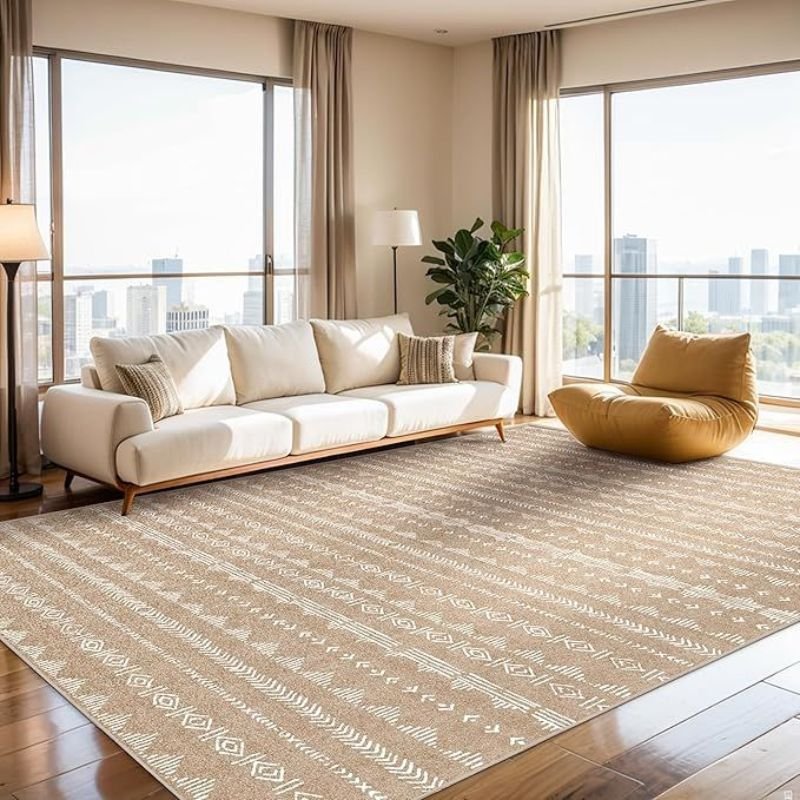
The material of your rug affects everything how it looks, how it feels underfoot, how long it lasts, and how easy it is to clean. Therefore, you should understand your options before you make a purchase. Best Living Room Sets The best rugs for living room use balance comfort, durability, and visual appeal.
Wool Rugs
Wool rugs rank among the most popular choices for living rooms because they offer exceptional softness, durability, and natural stain resistance. Additionally, wool naturally regulates temperature, which makes it comfortable in both warm and cool months. Although wool rugs cost more than synthetic options, they last significantly longer and maintain their beauty with minimal effort.
Synthetic Rugs (Polypropylene & Nylon)
Synthetic rugs, especially those made from polypropylene or nylon, deliver excellent value for budget conscious shoppers. They resist stains, moisture, and fading far better than most natural fibers. Consequently, they work especially well in high traffic living rooms and homes with pets or young children. Moreover, modern manufacturing technology allows synthetic rugs to mimic the look of wool or cotton at a fraction of the cost.
Natural Fiber Rugs (Jute & Sisal)
Jute and sisal rugs bring an earthy, organic feel to any living room. They suit bohemian, coastal, and minimalist design styles particularly well. However, these natural fibers absorb moisture easily, so they perform best in dry environments. If your living room gets good airflow and stays dry, a jute area rug adds beautiful texture and a grounded, natural aesthetic.
Creative Living Room Rug Ideas for Every Style
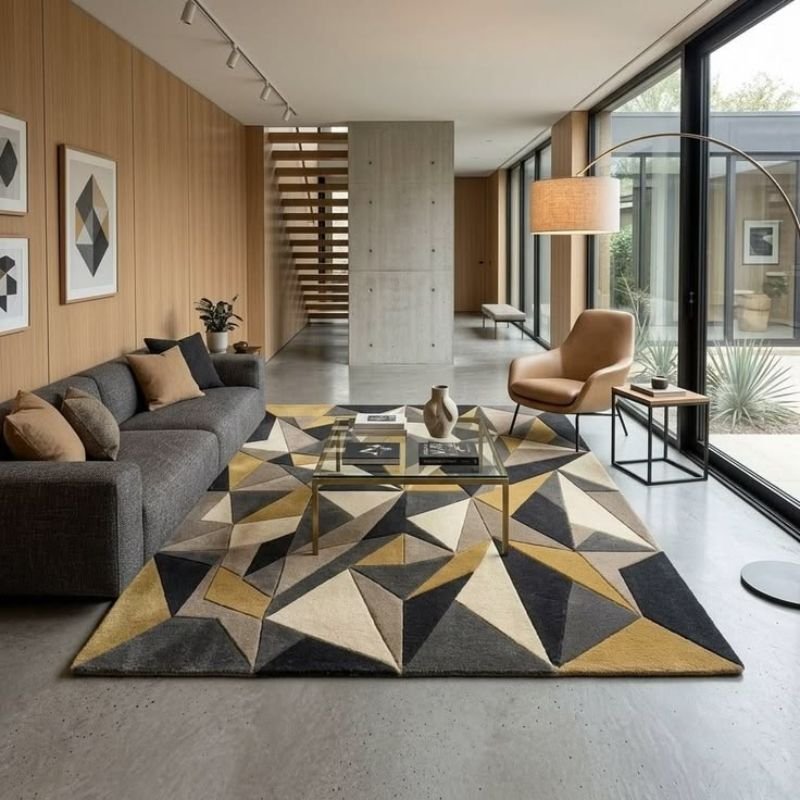
Choosing a rug style is where the real fun begins. Today’s market offers an extraordinary range of living room rug ideas, from bold geometric patterns to soft solid neutrals. Country Home Decor The key is to match the rug’s style with the overall design direction of your room.
If you prefer a modern living room aesthetic, go with rugs that feature clean lines, abstract patterns, or monochrome tones. Modern living room rugs in shades of gray, charcoal, cream, or black pair exceptionally well with contemporary furniture and minimalist decor. Furthermore, low pile rugs work best in modern spaces because they keep the look sleek and uncluttered.
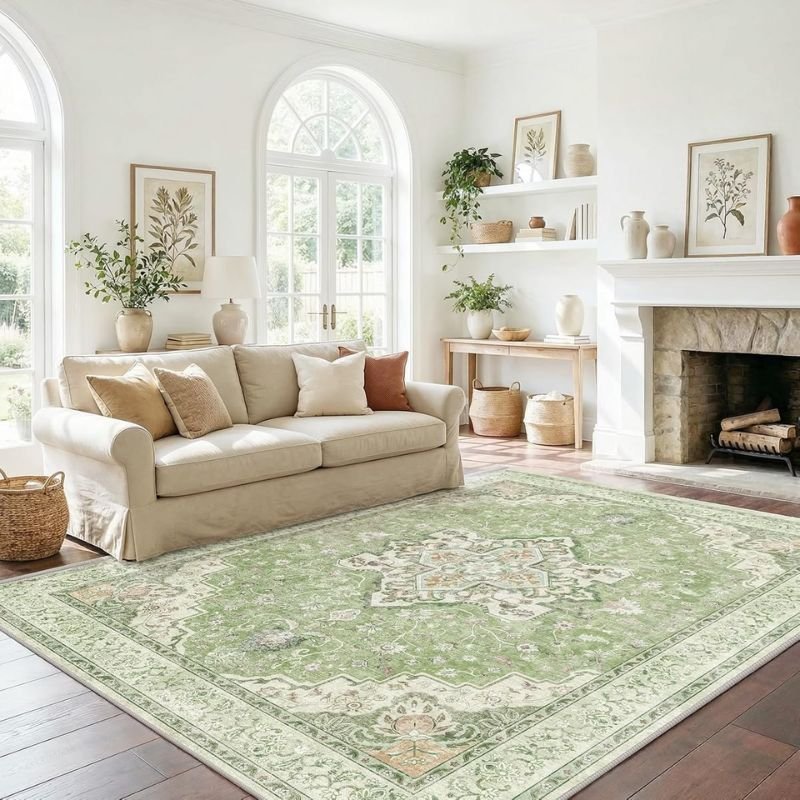
For a more traditional or transitional living room, consider Persian style or Oriental rugs with rich jewel tones and intricate patterns. These classic designs add depth, warmth, and timeless elegance to the space. Additionally, layering two rugs a flat woven base rug topped with a smaller, textured accent rug creates a trendy, designer look that adds dimension without clutter.
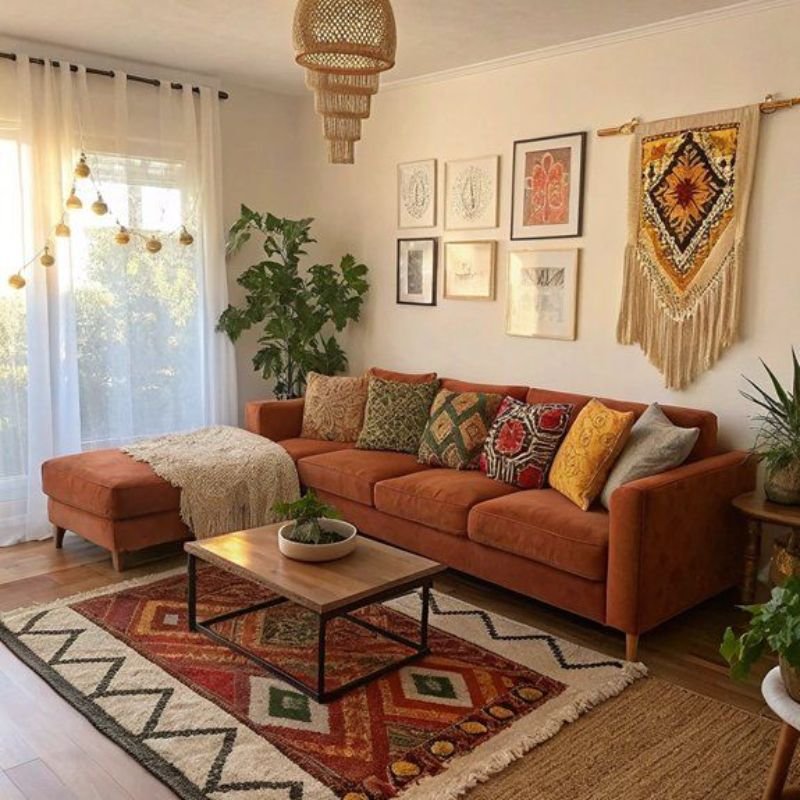
Bohemian and eclectic living rooms benefit from colorful, patterned rugs with lots of visual personality. Mix bold colors with natural textures to create a layered, well traveled aesthetic. In contrast, Scandinavian and Japandi style rooms call for simple, neutral rugs in natural tones that let the furniture and architecture take center stage.
How to Care for Your Living Room Rugs and Keep Them Looking New
Even the most beautiful rug loses its appeal without proper care. Fortunately, maintaining living room rugs does not require a lot of time or effort just a few consistent habits. First, vacuum your rug at least once a week to remove dust, dirt, and allergens that settle into the fibers. Use a low suction setting for delicate or high pile rugs to avoid damaging the weave.
Next, address spills immediately. Blot never rub liquid spills with a clean, dry cloth to prevent the stain from spreading or soaking deeper into the fibers. After you remove the excess liquid, apply a mild carpet cleaner appropriate for your rug’s material. Then, allow the area to air dry completely before placing furniture back on it.
Additionally, rotate your rug every six months to ensure even wear across the entire surface. High traffic areas and sun exposed spots tend to show wear and fading faster than other sections. Rotating the rug distributes this exposure evenly and significantly extends the rug’s life. Moreover, use a quality rug pad underneath your rug it prevents slipping, adds cushioning, and protects both the rug and your floor from friction damage.
Conclusion
Overall, living room rugs play a central role in bringing any interior space to life. They add warmth, define zones, protect your floors, and express your personal style all at the same time. To summarize, the right rug combines the correct size, the best material for your lifestyle, and a style that complements your existing decor.
Indeed, the process becomes much simpler once you know what to look for. Start by measuring your space, then identify your design style, and finally choose a material that fits your budget and maintenance preferences. Most importantly, do not rush the decision the perfect rug is worth taking the time to find. So go ahead, explore your options, and let your living room rugs become the statement piece your home deserves.
FAQs
Q1: What size living room rugs should I choose for a small room?
A: For a small room, choose living room rugs that measure 5×8 feet to define the seating area without overwhelming the space.
Q2: How do I keep living room rugs from sliding on hardwood floors?
A: Place a non slip rug pad underneath your rug to keep it securely in place and protect your hardwood floors from scratches.
Q3: What material works best for living room rugs in high traffic areas?
A: Nylon or polypropylene rugs work best in high traffic areas because they resist stains, wear, and fading far better than natural fibers.
Q4: How often should I clean my living room rug?
A: Vacuum your living room rug at least once a week and deep clean it professionally every 12 to 18 months for best results.
Q5: Can I layer two living room rugs on top of each other?
A: Yes, layering rugs is a popular design trend that adds texture and depth start with a flat jute base rug and place a smaller, patterned rug on top.
Meta Description:
Discover how to choose the best living room rugs for your home. Explore sizes, styles, materials, and expert tips to transform your space today.