
Choosing the right Wall Art for Living Room spaces is more than just a decorating decision. It is an emotional investment that defines the personality of your home. Furthermore, wall art sets the tone of your interior design and creates a lasting impression on anyone who enters your space. In addition, it reflects your taste, lifestyle, and creativity in a subtle yet powerful way.
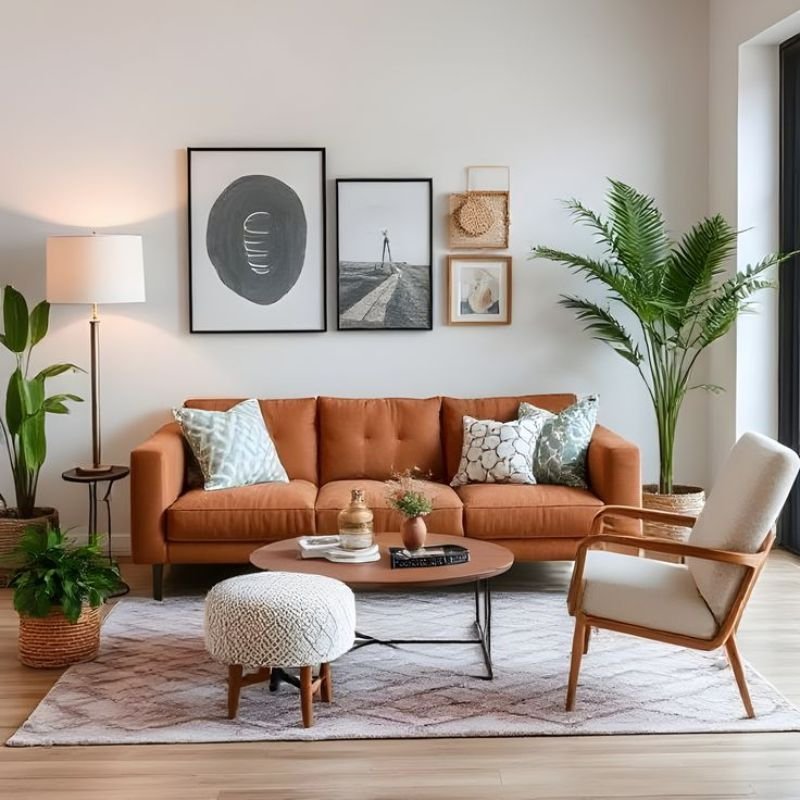
A well chosen piece of art can transform a plain wall into a captivating focal point. Living Room Decor Complete Guide Consequently, it can turn an ordinary living room into a visually rich and inspiring environment. Whether you prefer modern abstracts, calming nature themes, or bold statement pieces, your wall art becomes the visual language of your home.
Why Selecting the Right Wall Art for Living Room Areas Matters
Selecting Wall Art for Living Room interiors is not only about aesthetics. It also influences mood, energy, and the overall atmosphere of your space. Furthermore, art has the power to evoke emotions and create a sense of balance within a room.
Emotional Impact of Living Room Wall Art
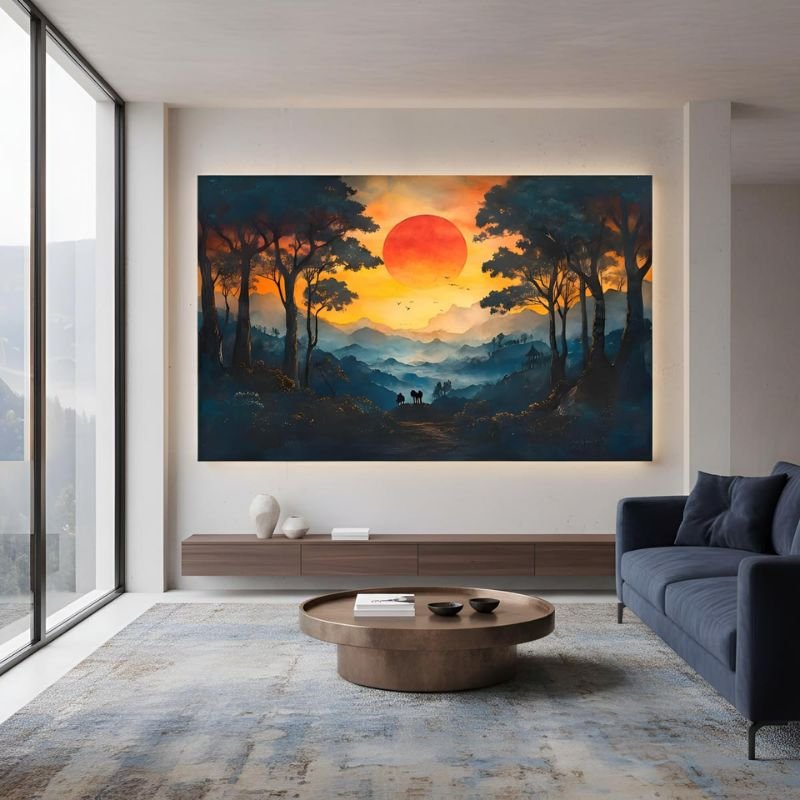
Art can make a room feel warm, calm, energetic, or luxurious. For example, soft landscapes often create a peaceful environment. In contrast, abstract and colorful pieces add excitement and vibrancy. Consequently, the right choice can significantly enhance your daily living experience.
Focal Point with Wall Art for Living Room
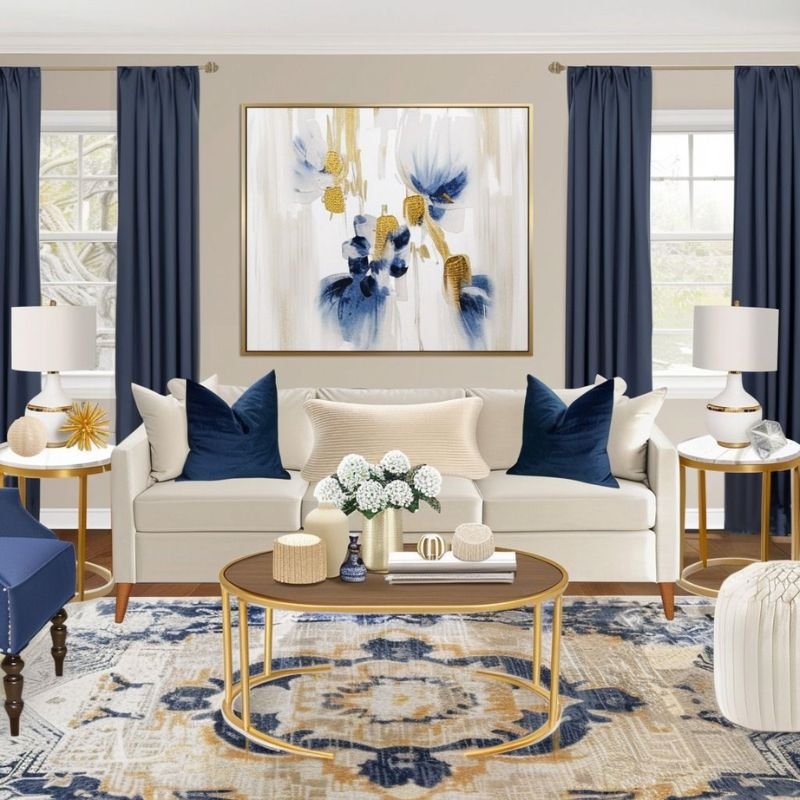
Every well designed living room needs a focal point. Wall art naturally draws the eye and anchors the design of the space. Moreover, it helps tie together furniture, color schemes, and décor elements into a unified look.
Reflecting Personal Identity
Your living room should tell your story. Therefore, selecting meaningful artwork allows you to express your personality. In addition, it makes your home feel more authentic and inviting.
Current Trends in Modern Wall Art for Living Room Designs
Modern interior design has introduced exciting trends in Wall Art for Living Room decoration. These trends focus on simplicity, creativity, and natural inspiration Wall Art for Home Decor.
Minimalist Wall Art Styles for Living Rooms
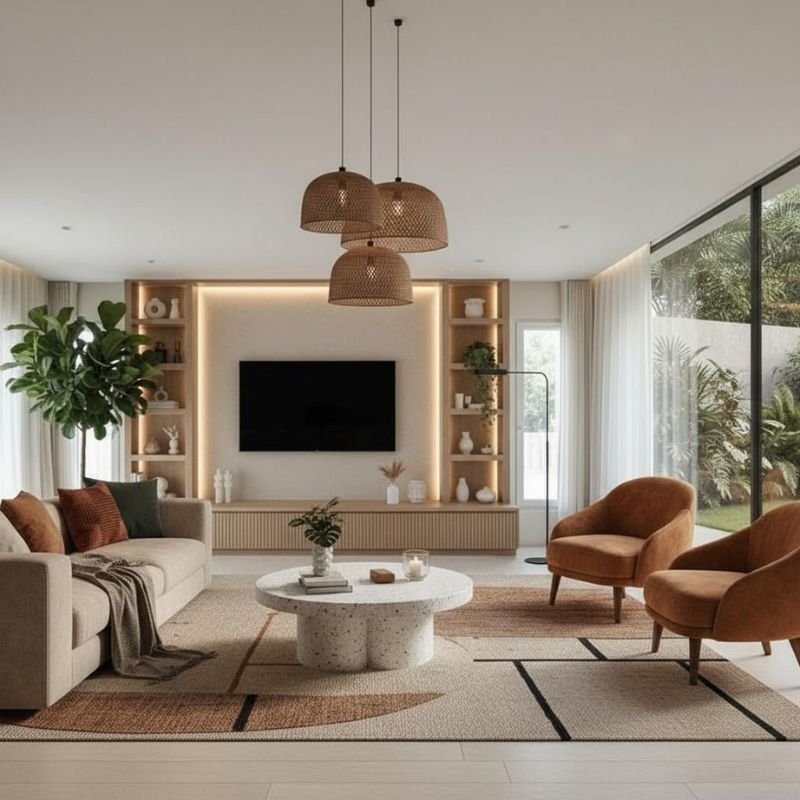
Minimalism continues to dominate modern interiors. Clean lines, neutral tones, and simple compositions create a clutter free aesthetic. Furthermore, minimalist art blends seamlessly with contemporary furniture and open spaces.
Abstract Wall Art for Living Room Spaces
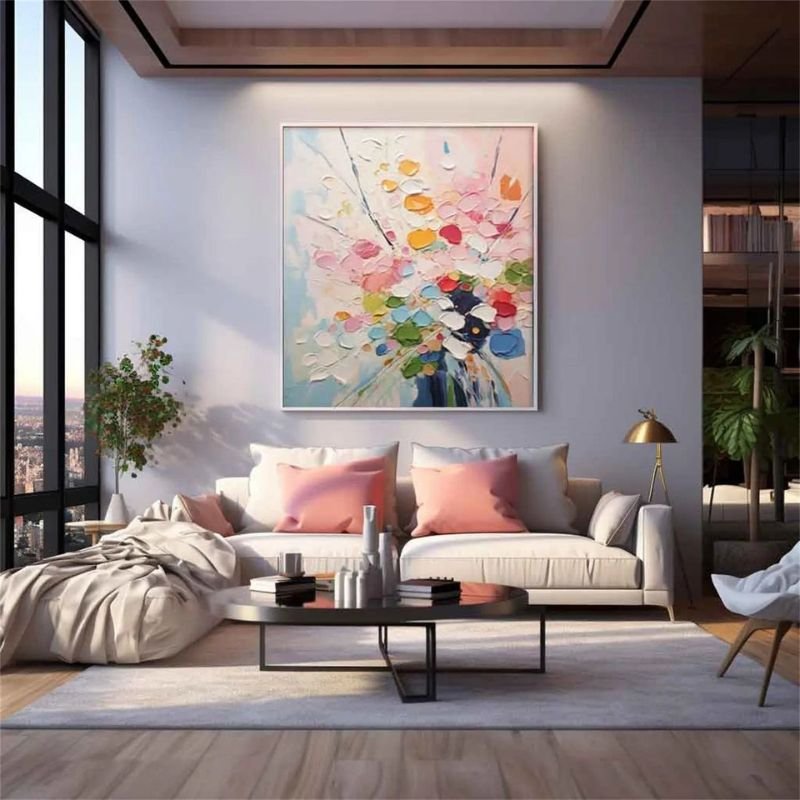
Abstract art is perfect for those who appreciate creativity and interpretation. It allows viewers to find their own meaning within the design. Consequently, abstract pieces often become conversation starters in living rooms Abstract Wall Art.
Botanical and Nature Inspired Art
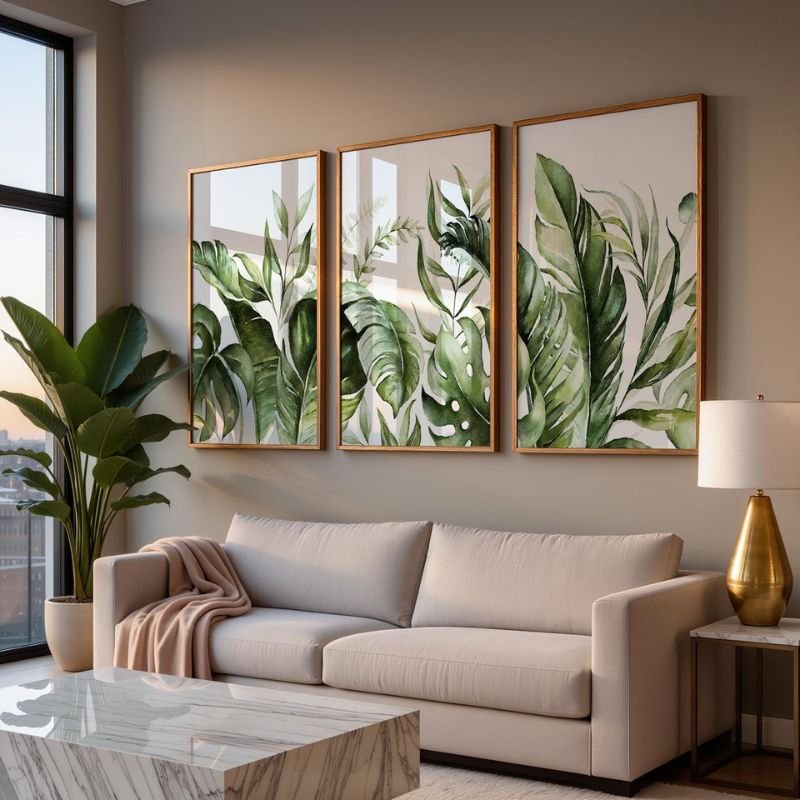
Nature inspired wall art brings freshness and tranquility into your home. Floral prints, leaf patterns, and landscape paintings create a calming effect. In addition, they work beautifully with wooden furniture and natural textures.
Choosing Wall Art for Living Room Sizes: Scale and Proportion
Understanding scale is essential when selecting Wall Art for Living Room spaces. The wrong size can disrupt balance, while the right size enhances harmony.
Large Statement Pieces
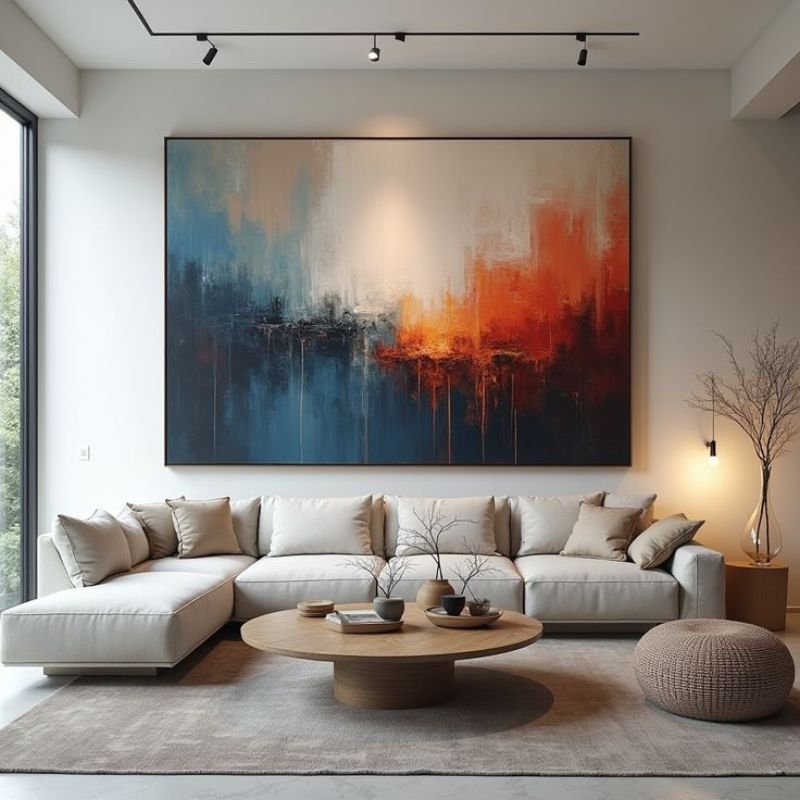
Large artwork works best in spacious living rooms. It creates a bold focal point and reduces the need for multiple decorations. Furthermore, oversized art adds sophistication and depth to blank walls.
Gallery Walls
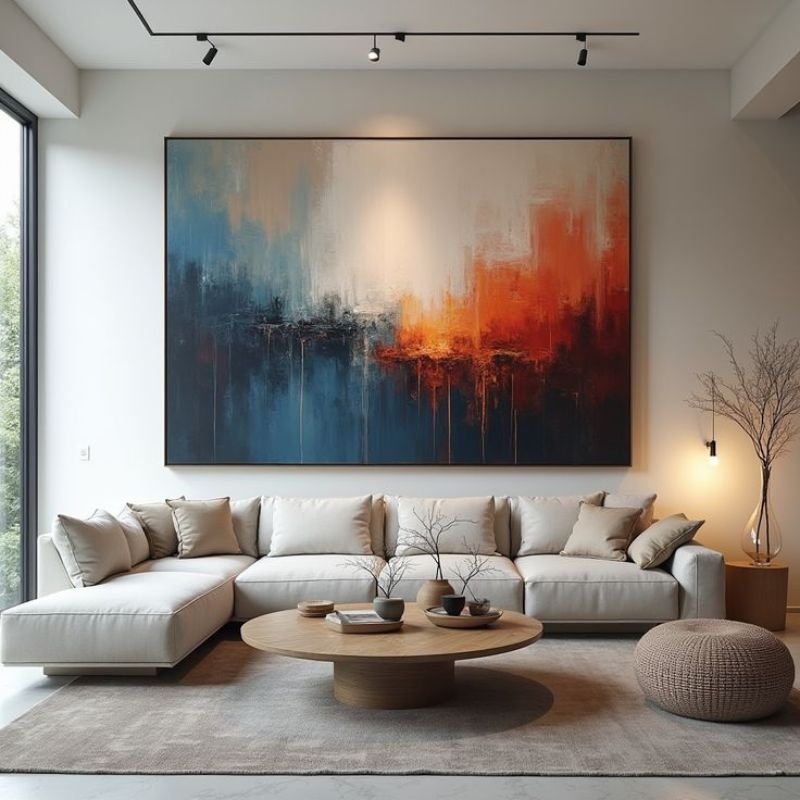
Gallery walls are perfect for storytelling. They allow you to combine multiple small and medium sized artworks into one cohesive display. Consequently, they add personality and visual interest to compact spaces.
Matching Proportion with Furniture
Always consider furniture size when choosing art. For example, artwork above a sofa should be about two thirds the width of the sofa. In addition, maintaining proportion ensures visual balance and prevents overcrowding.
Color Harmony and Lighting in Wall Art for Living Room Spaces
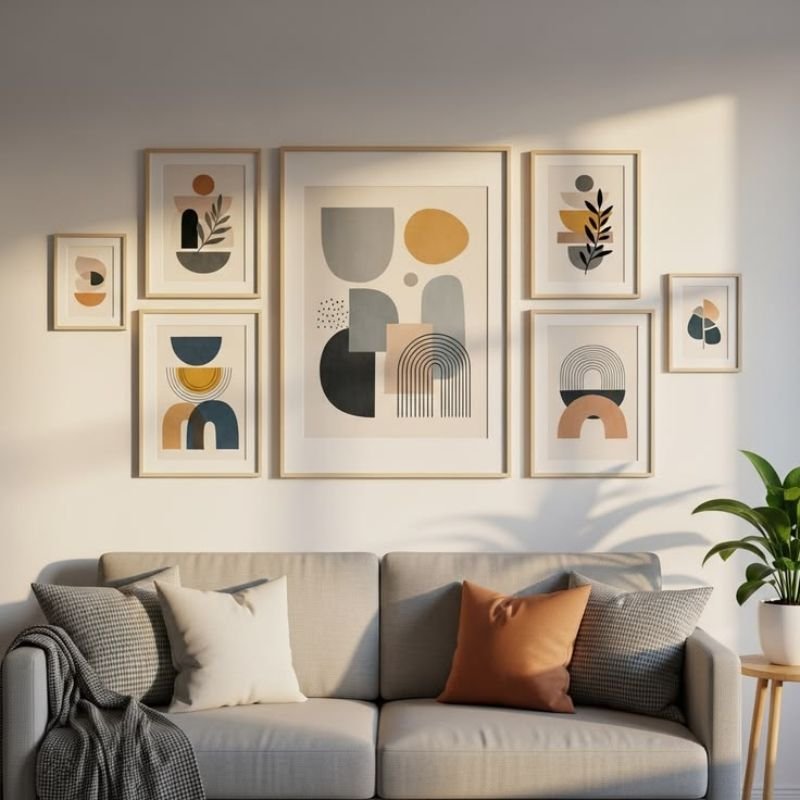
Color and lighting play a crucial role in how Wall Art for Living Room décor is perceived. Furthermore, they influence mood and visual comfort.
Matching Colors with Interior Design
Your artwork should complement your existing color palette. For instance, neutral interiors pair well with bold, colorful art. In contrast, colorful rooms benefit from neutral or monochrome artwork.
Creating Visual Balance
Balance is key in interior design. Therefore, avoid overwhelming your space with too many contrasting colors. Instead, choose tones that enhance harmony and flow.
Importance of Lighting
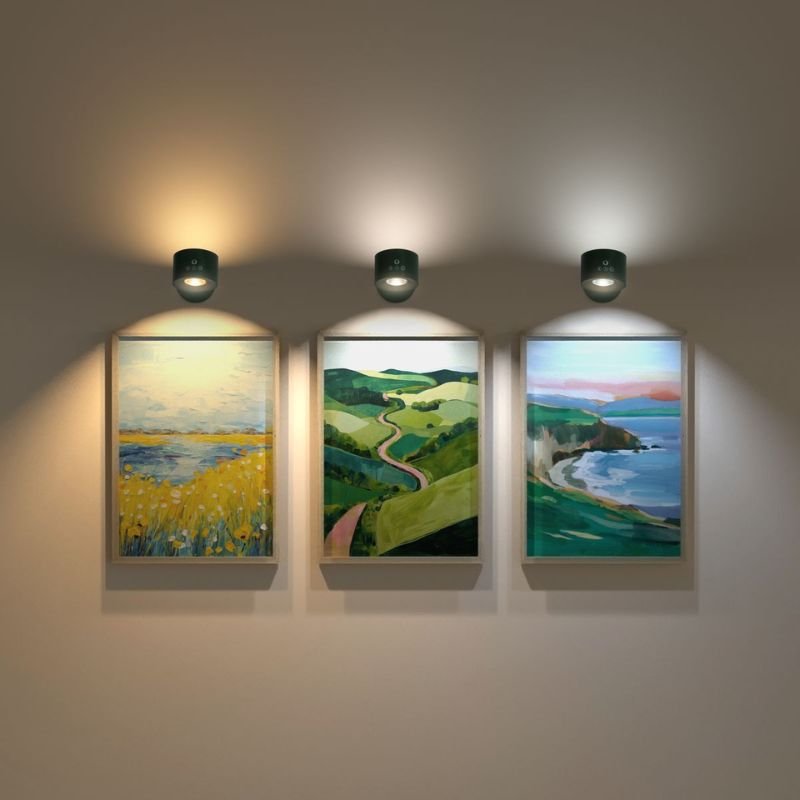
Proper lighting enhances the beauty of wall art. Natural light brings out true colors, while artificial lighting adds drama. Moreover, spotlighting can highlight key details and textures in the artwork.
Placement Tips for Living Room Wall Art
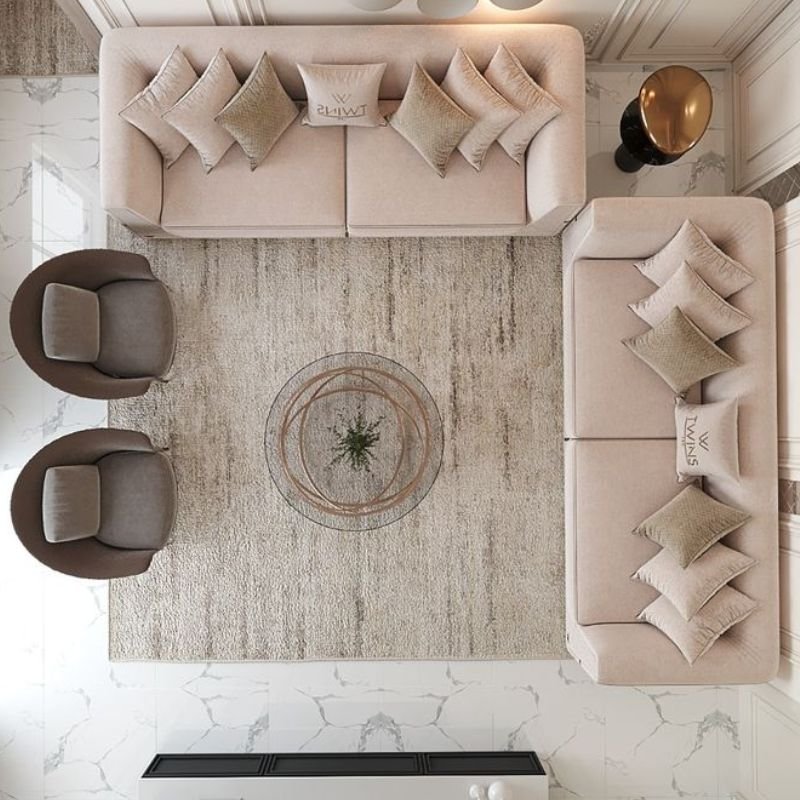
Proper placement is essential for maximizing the impact of Wall Art for Living Room designs. Furthermore, strategic positioning ensures visual comfort and aesthetic appeal.
Eye Level Placement Rule
The center of the artwork should be at eye level. Typically, this means placing it about 57 to 60 inches from the floor. Consequently, it creates a natural viewing experience.
Above Furniture Positioning
When placing art above sofas or consoles, leave adequate space between furniture and artwork. In addition, ensure the piece is centered to maintain balance.
Grouping and Arrangement
When creating gallery walls, maintain consistent spacing between frames. Furthermore, mix different sizes while keeping a unified theme. This approach adds depth and structure to your design.
Avoiding Common Mistakes
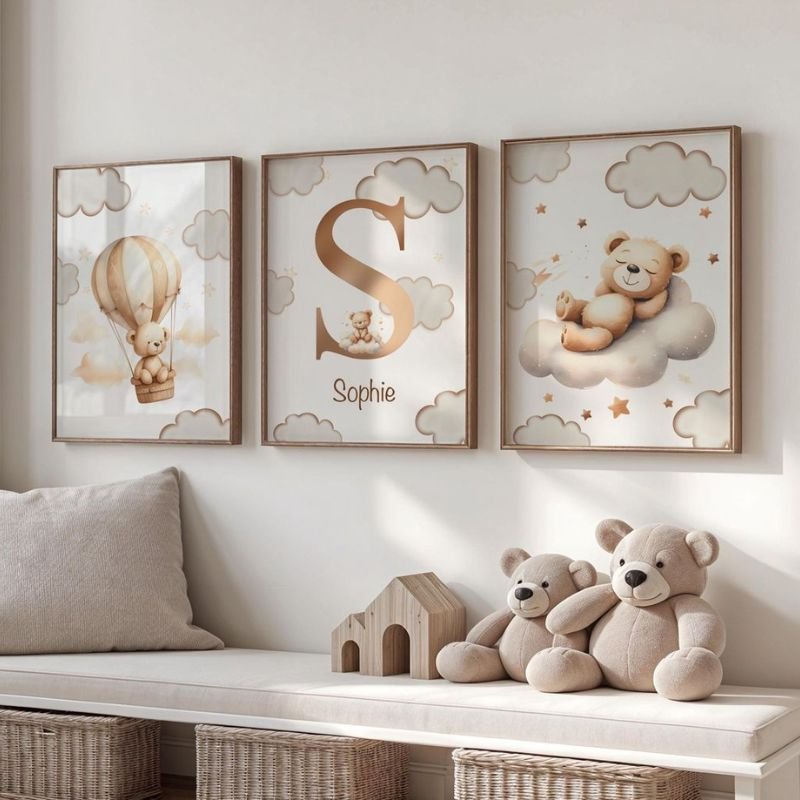
Avoid hanging art too high or too low. In addition, do not overcrowd walls with too many pieces. Simplicity often delivers the most elegant results.
Styling Tips for a Cohesive Living Room Look
To enhance your Living Room Art Decor setup, consider integrating it with your overall décor strategy.
Coordinate with Furniture Style
Modern furniture pairs well with abstract art, while traditional interiors suit classic paintings. Furthermore, consistency creates visual harmony.
Use Frames Wisely
Frames play an important role in presentation. For example, black frames add contrast, while wooden frames create warmth. In addition, frameless canvases offer a modern touch.
Mix Textures and Materials
Combining canvas, metal, and wood based art adds depth. Consequently, your living room becomes more dynamic and visually engaging.
Budget Friendly Wall Art for Living Room Ideas
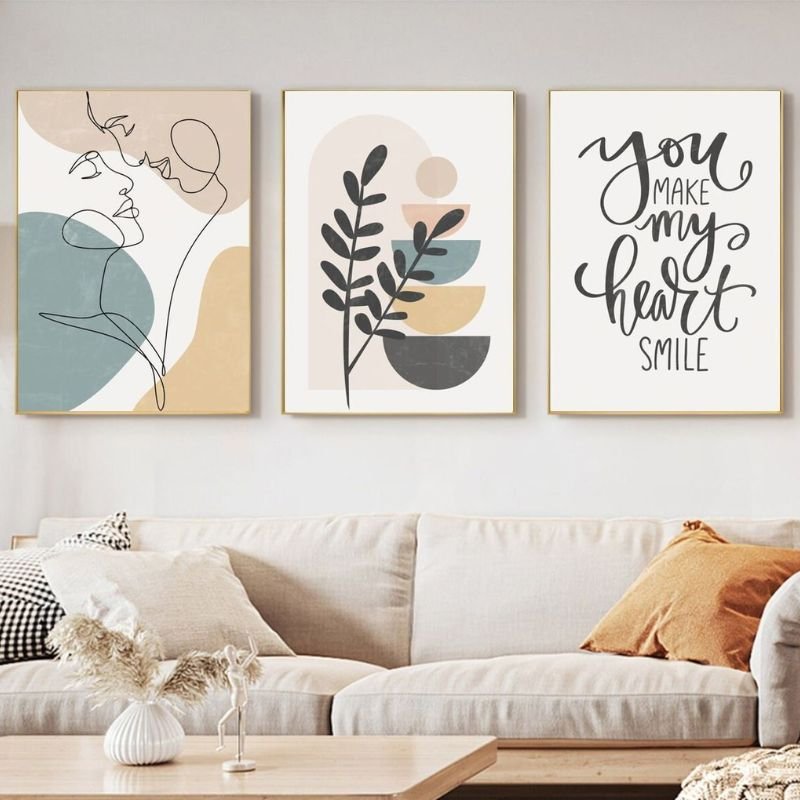
Decorating does not always require a large budget. There are many affordable ways to enhance your space.
Printable Art
Digital downloads allow you to print high-quality artwork at low cost. Furthermore, they offer endless customization options.
DIY Art Projects
Creating your own artwork adds a personal touch. In addition, it makes your space truly unique and meaningful.
Thrift and Local Art Markets
Exploring local markets can uncover hidden artistic gems. Moreover, supporting local artists adds cultural value to your home.
How to Maintain and Care for Living Room Art Decor
Proper care ensures your artwork remains beautiful for years.
Regular Cleaning
Dust your artwork gently using a soft cloth. Furthermore, avoid using harsh chemicals that may damage surfaces Wood Wall Art.
Avoid Direct Sunlight
Excessive sunlight can fade colors over time. Therefore, place artwork in areas with controlled lighting.
Humidity Control
Maintain balanced humidity levels to prevent warping or damage. In addition, avoid placing art near moisture heavy areas.
Conclusion
Choosing the right Wall Art for Living Room spaces is a powerful way to express who you are. It goes beyond decoration and becomes a reflection of your identity, emotions, and creativity. Furthermore, the right artwork can completely transform the atmosphere of your home.
Whether you prefer bold abstract pieces or calming natural themes, your choice should feel personal and meaningful. Consequently, your living room becomes more than just a space it becomes a story.
FAQs
1. What size wall art is best for a living room?
Large artwork works well for spacious rooms, while gallery walls suit smaller spaces.
2. How do I choose colors for wall art?
Match artwork with your furniture and overall color scheme for harmony.
3. Where should wall art be placed in a living room?
Ideally at eye level and centered above furniture like sofas.
4. Can I mix different art styles?
Yes, but maintain a consistent theme or color palette for balance.
5. Is wall art necessary in a living room?
Yes, it enhances personality, depth, and visual appeal of the space.