
Best Framed Wall Art for Home Decor can instantly transform a blank wall into a stylish focal point. It adds personality, color, texture, and visual interest without requiring a major renovation. Whether you prefer modern prints, classic paintings, botanical artwork, or personal photography, the right framed artwork can make your room feel more complete.
Framed wall art does more than fill empty space. It can connect your furniture, colors, lighting, and decorative accessories while creating a stronger sense of balance. The frame itself also gives artwork a polished and intentional appearance.
Whether you are decorating a living room, bedroom, dining area, hallway, or home office, choosing the right artwork, frame, size, and placement matters. For more inspiration, explore these wall and decor ideas before planning your artwork arrangement.
Why Best Framed Wall Art for Home Decor Matters
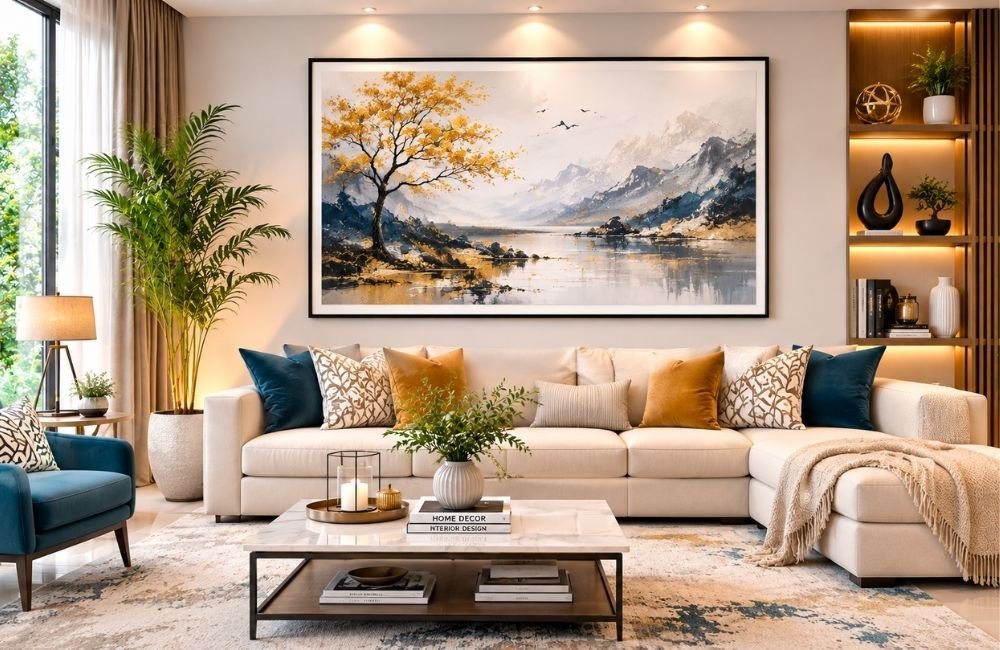
Every room benefits from a visual focal point. Framed wall art can provide that focal point while adding character and personality to an otherwise plain wall.
A carefully selected piece gives the eye somewhere to rest. It can also connect different elements in a room, including furniture, rugs, curtains, lighting, and decorative accessories.
Benefits of Framed Wall Art for Home Decor
Your choice of artwork says something about your taste. Abstract prints can create a modern atmosphere, while landscapes, botanical artwork, and traditional paintings can produce a more classic feeling.
Personal photographs can also make a room feel more meaningful. Therefore, choose artwork that you genuinely enjoy instead of selecting a piece simply because it follows a trend.
Create a Focal Point With Framed Wall Art
A large framed artwork can immediately attract attention. This makes it especially useful above a sofa, bed, console table, fireplace, or dining table.
One oversized piece can anchor a large wall, while several smaller frames can create visual interest in a hallway or open space.
How Framed Wall Art Completes Home Decor
Furniture alone does not always make a room feel complete. Wall art fills visual gaps and adds another layer to the overall design.
The frame also gives the artwork a defined border, making the display look more polished and intentional.
How Framed Wall Art Connects Your Color Palette
Artwork can introduce colors that already appear elsewhere in your room. For example, a framed print containing beige, brown, and green can connect a neutral sofa with wooden furniture and indoor plants.
This approach creates a coordinated look without requiring every item to match perfectly.
Types of Frames for the Best Framed Wall Art
The frame can change the entire appearance of your artwork. Before choosing the best framed wall art for home decor, consider your interior style, wall color, furniture, and artwork.
Choosing the best framed wall art for home decor also means considering how the frame works with the room’s furniture, lighting, and overall atmosphere.
1. Wooden Frames
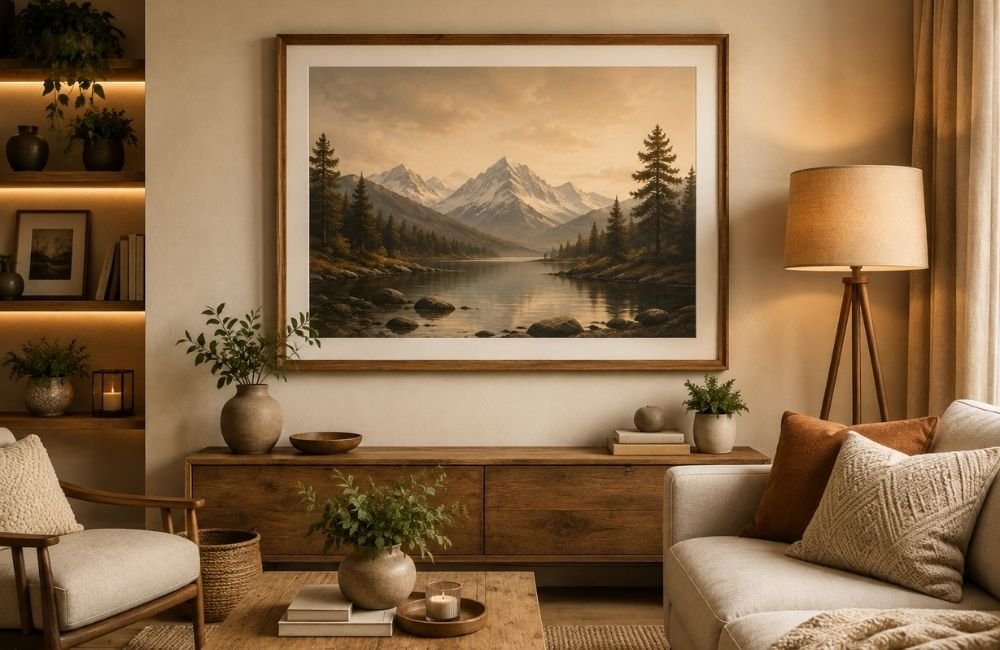
Wooden frames are a timeless choice. They introduce warmth and natural texture while working well with rustic, farmhouse, traditional, Scandinavian, and contemporary interiors.
Benefits of Wooden Frames
- Add warmth and natural character
- Work well with natural materials
- Complement wooden furniture
- Suit traditional and modern interiors
- Offer a timeless appearance
Light wood can make a room feel fresh and relaxed, while darker wood can create a more traditional and sophisticated look.
For additional inspiration, explore these wood wall decor ideas to see how natural materials can strengthen a wall design.
2. Metal Frames
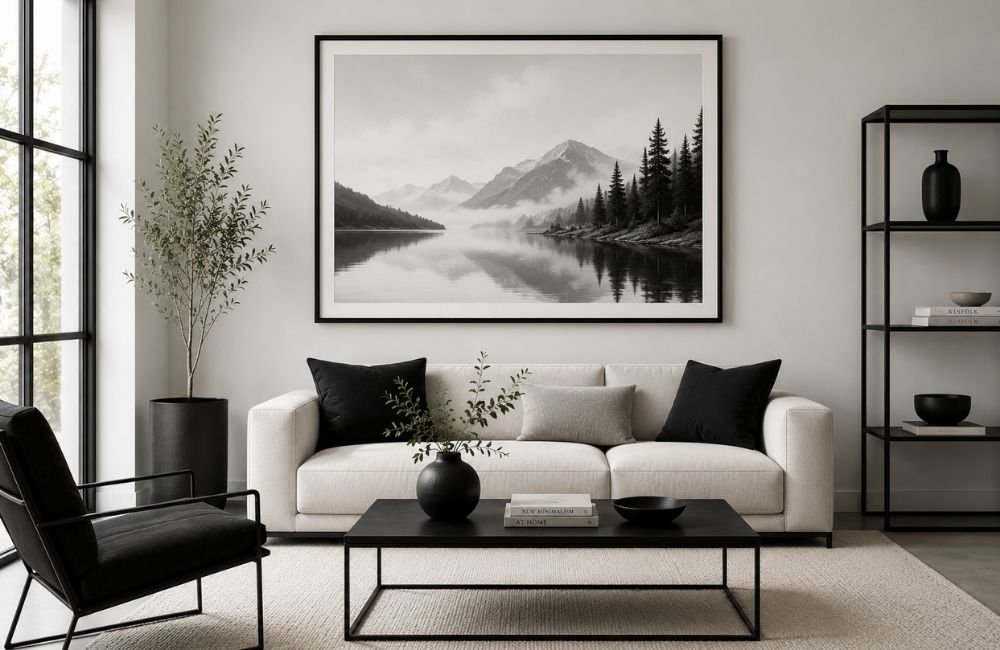
Metal frames are an excellent choice for modern, minimalist, industrial, and contemporary interiors.
Their clean lines allow the artwork to remain the main focus while giving the wall a sleek appearance.
Benefits of Metal Frames
- Create a clean modern look
- Work well with minimalist interiors
- Provide strong visual contrast
- Pair easily with neutral walls
- Suit abstract and contemporary artwork
Black metal frames can create bold contrast against white or light-colored walls. Gold and brass finishes can add a subtle decorative accent.
3. Gallery-Style Frames
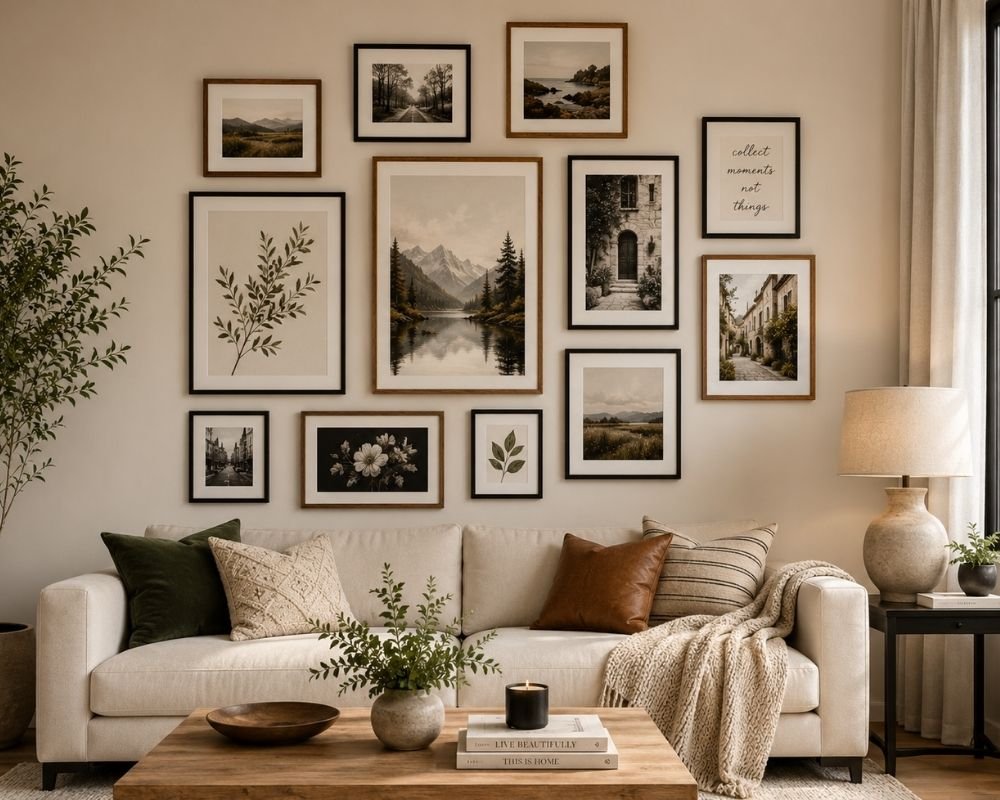
Gallery-style frames are ideal when you want to display several artworks together.
Using similar frames creates consistency, while different artwork subjects can add personality.
Benefits of Gallery-Style Frames
- Create a curated appearance
- Work well for multiple artworks
- Help organize large walls
- Suit hallways and living rooms
- Make personal photographs look polished
For a cohesive gallery wall, maintain similar spacing and repeat at least one visual element, such as frame color, artwork style, or matting.
How to Choose the Best Framed Wall Art for Home Decor
Selecting artwork should involve more than choosing something that looks attractive online. The piece should work with your room’s proportions, colors, furniture, and overall style.
Consider Your Room Style
Look at the existing furniture and decorative elements in the room.
For a minimalist space, choose artwork with clean lines and limited colors. For a traditional room, landscapes, portraits, or classic artwork may work better.
Consider the Wall Color
Your artwork should stand out from the wall without looking disconnected.
On a neutral wall, both colorful and monochromatic artwork can work well. On a strongly colored wall, artwork with complementary or softer tones may create better balance.
For another room-specific approach to wall styling, explore these kitchen wall decor ideas.
Consider Your Furniture
Artwork should relate visually to the furniture beneath it.
When hanging artwork above a sofa, for example, the artwork should generally be narrower than the furniture while remaining large enough to create a strong visual connection.
Styling Tips for Framed Wall Art
Choosing the right artwork is only part of the process. Placement can have an equally important effect.
Create a Clear Focal Point
Use one large framed piece when you want a simple statement.
Alternatively, combine several smaller pieces to create a gallery wall. Avoid filling every empty section of a wall because negative space allows artwork to stand out.
Keep the Arrangement Balanced
Balance does not always mean perfect symmetry. You can create balance through size, color, shape, and spacing.
For example, a large frame on one side can be balanced by two smaller frames on the other.
Match the Artwork to the Room
Think about the mood you want to create.
- Landscapes can bring a natural feeling.
- Abstract art can add energy and movement.
- Botanical prints can create a fresh atmosphere.
- Black-and-white photography can create a sophisticated appearance.
- Personal photographs can make the room feel more meaningful.
Best Framed Wall Art for the Living Room
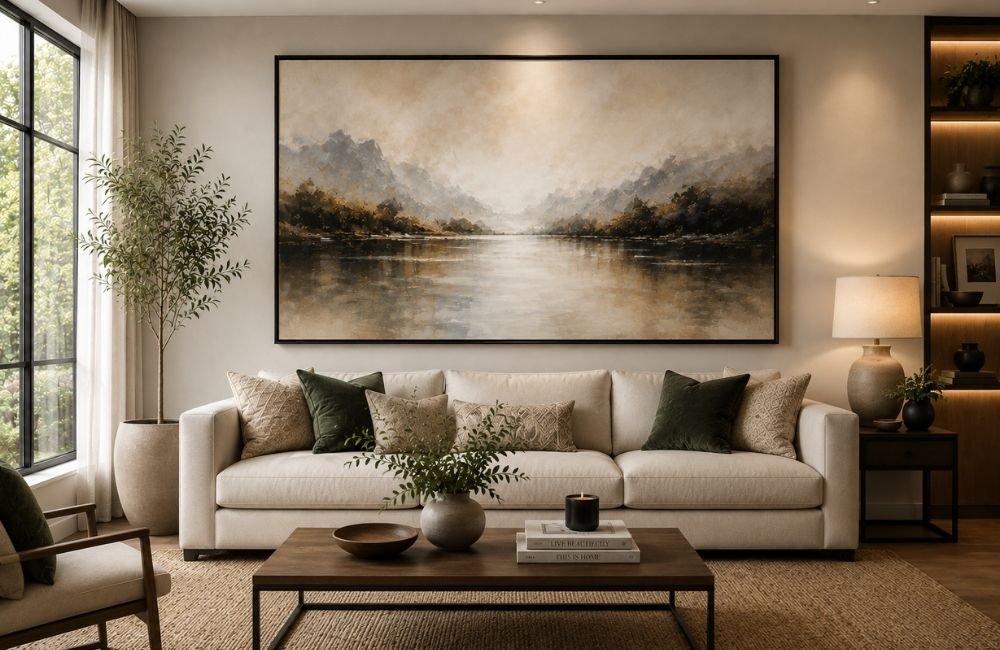
The living room is one of the best places to make a statement with wall art. Your artwork should work together with the sofa, lighting, rug, curtains, and other accessories.
For a broader decorating strategy, explore our complete living room decor guide.
A large framed piece above the sofa can become the main focal point. For larger walls, consider oversized artwork or a carefully planned gallery wall.
Living Room Styling Ideas
- Place one large piece above the sofa.
- Use a gallery wall on a wide empty wall.
- Coordinate artwork with cushions or rugs.
- Repeat one or two room colors in the artwork.
- Leave enough space between artwork and furniture.
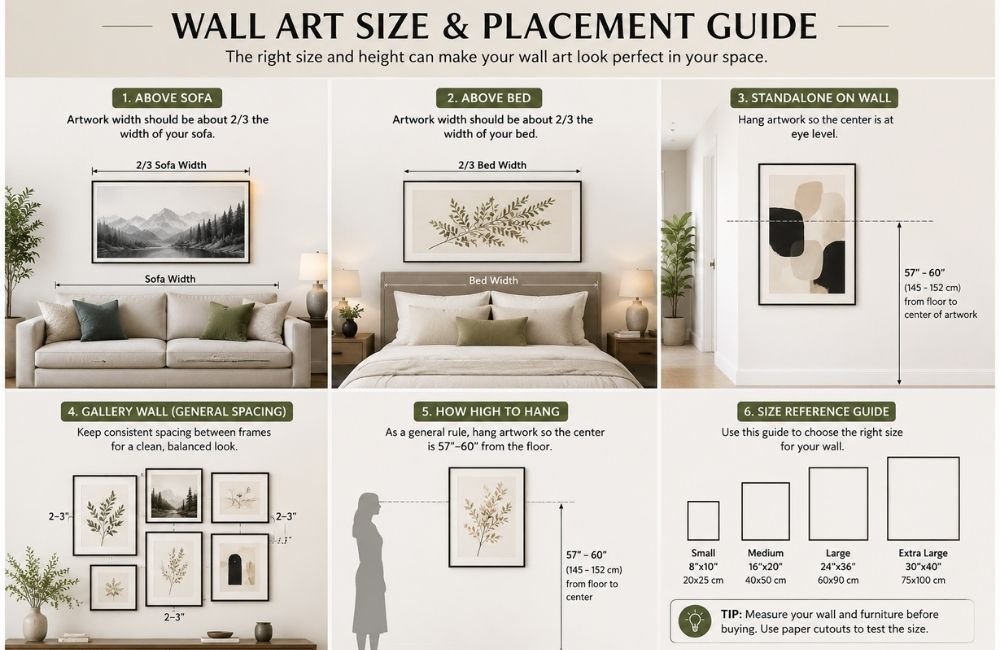
A useful starting point is to choose artwork that is around two-thirds the width of the furniture below it. This creates a visual relationship without making the artwork appear too small or oversized.
Best Framed Wall Art for the Bedroom
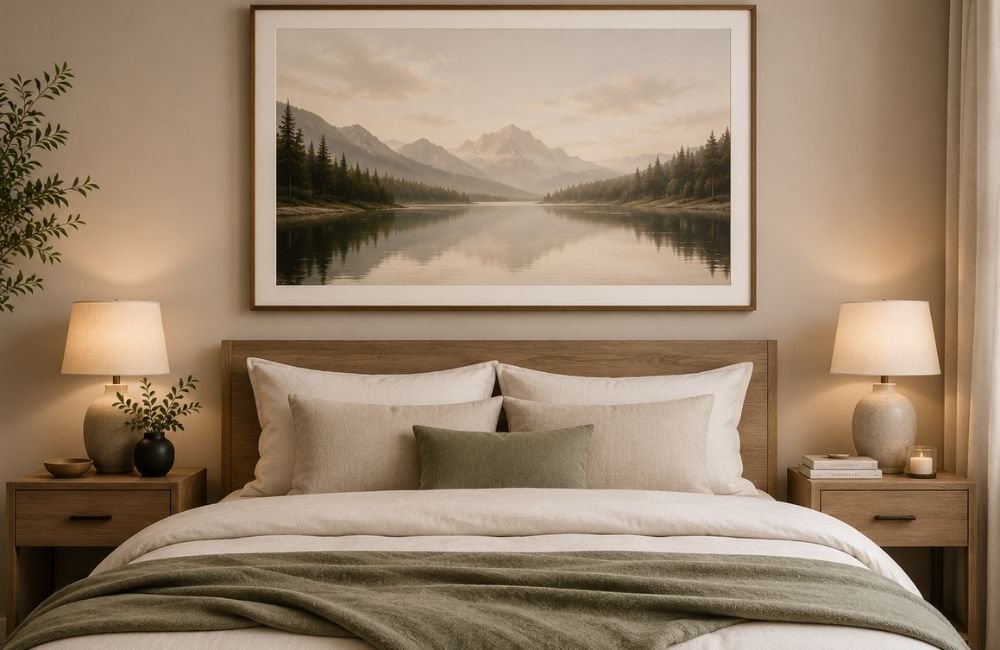
Bedrooms usually benefit from artwork that supports a calm and relaxing atmosphere.
Soft landscapes, botanical prints, abstract artwork, and neutral photography can work particularly well.
Bedroom Styling Ideas
- Choose soft and relaxing colors.
- Use symmetrical frames above bedside tables.
- Place a central artwork above the headboard.
- Select artwork that feels personal and meaningful.
- Avoid arrangements that make the wall feel crowded.
If you place artwork above the bed, make sure it is securely mounted and appropriately positioned.
Choosing the Right Wall Art Size
Size is one of the most important factors when choosing the best framed wall art for home decor.
Artwork that is too small can disappear on a large wall. On the other hand, an oversized piece can overwhelm a small area.
General Size Guidelines
Large walls: Consider oversized artwork or a multi-piece gallery arrangement.
Small walls: Choose one medium or small framed piece.
Above furniture: Choose artwork that relates proportionally to the furniture beneath it.
Gallery walls: Plan the complete arrangement before drilling holes.
Before purchasing artwork, measure the available wall space. You can also use paper templates to test different sizes and layouts.
This simple step can prevent expensive mistakes.
Choosing the Right Colors for Framed Wall Art
Color has a major effect on how framed artwork interacts with your room.
Instead of trying to match every color exactly, look for visual connections.
The best framed wall art for home decor should complement your existing color palette while adding enough contrast to keep the wall visually interesting.
Smart Color Strategies
- Repeat colors already present in the room.
- Use contrasting colors for visual impact.
- Choose neutral artwork for colorful interiors.
- Introduce accent colors through artwork.
- Keep the overall palette coordinated.
For example, if your room includes beige furniture and olive-green accessories, artwork containing similar neutral and natural tones can tie the design together.
A well-coordinated room should feel intentional rather than overly matched. This principle of visual harmony is also important when applying balanced home styling principles.
How to Arrange a Gallery Wall
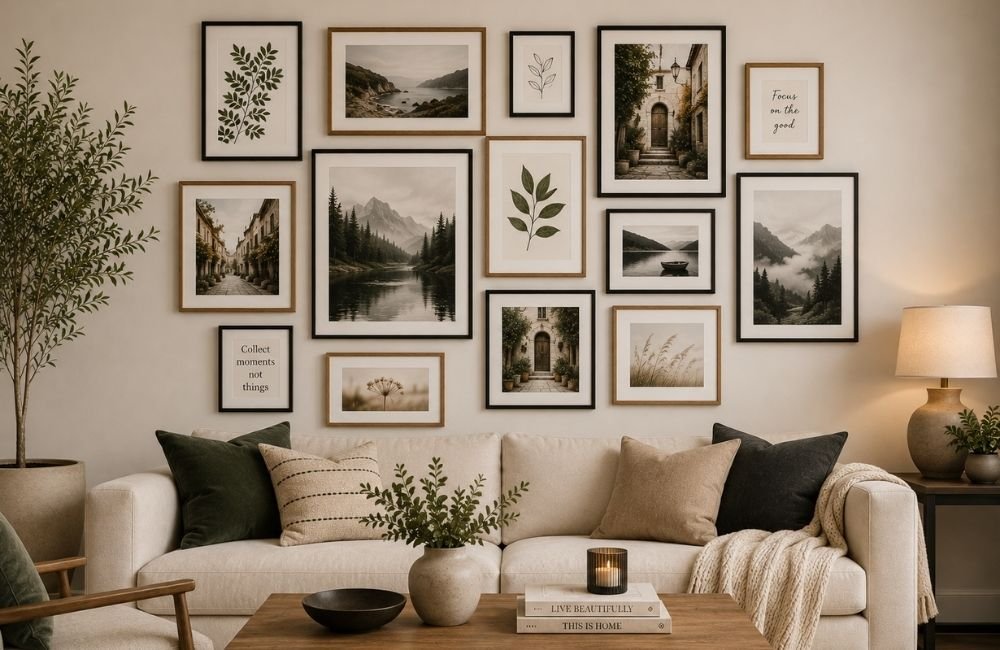
A gallery wall allows you to combine several artworks in one organized display.
However, random placement can make the wall look cluttered. Planning the arrangement first is much easier.
Step 1: Choose a Theme
Select artwork that shares a common idea, color palette, subject, or style.
Step 2: Measure the Wall
Determine how much space you want the gallery wall to occupy.
Step 3: Arrange the Frames on the Floor
Place the frames on the floor and experiment with different layouts before hanging them.
Step 4: Maintain Consistent Spacing
Keep the gaps between frames relatively consistent. This creates visual order.
Step 5: Start With the Main Piece
Place your largest or most important artwork first, then build the remaining pieces around it.
A successful gallery wall does not require every frame to be identical. The key is to create a clear visual connection between the pieces.
For another statement-wall concept that combines visual focus with practical styling, see these living room TV wall ideas.
How to Hang Framed Wall Art at the Right Height
Wall art should generally be positioned so that its center sits around 57–60 inches from the floor when viewed as a standalone piece.
However, this is a guideline rather than a strict rule.
When artwork is placed above a sofa, bed, console, or other furniture, the relationship between the artwork and furniture is more important than the exact measurement.
Leave enough breathing room between the bottom of the frame and the furniture below it.
How to Clean and Maintain Framed Wall Art
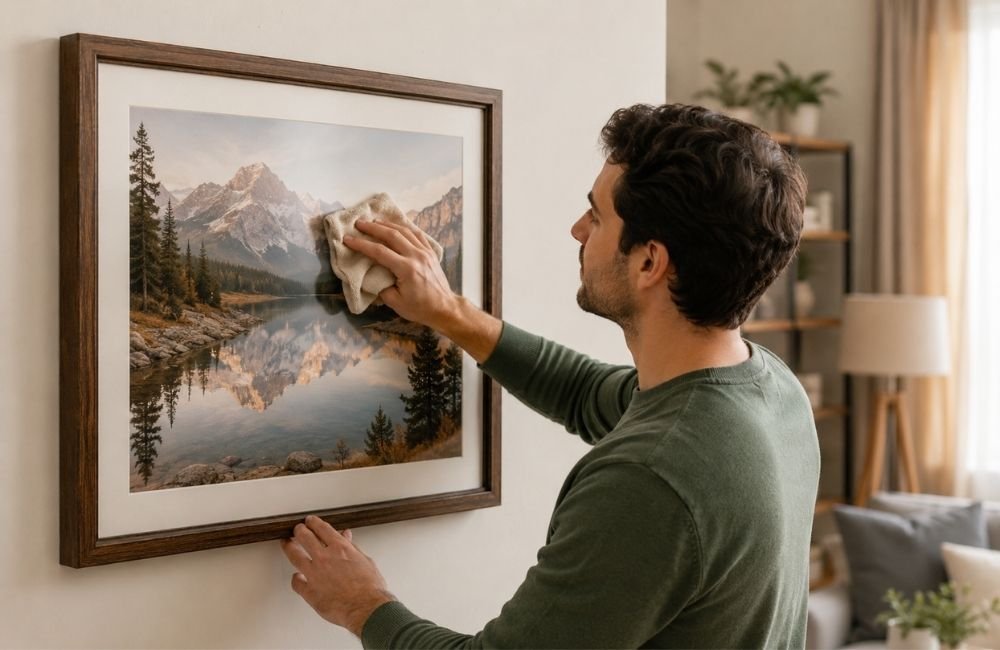
Proper maintenance helps keep framed artwork attractive for years.
Safe Cleaning Method
- Remove loose dust with a soft, dry microfiber cloth.
- Gently wipe the frame without applying excessive pressure.
- If the glass needs cleaning, apply an appropriate glass cleaner to the cloth rather than directly onto the frame.
- Avoid allowing liquid to enter the frame edges.
- Use a clean, dry cloth to remove remaining moisture.
Avoid harsh chemicals and abrasive materials because they can damage certain frame finishes, artwork, or protective coatings.
How to Protect Framed Artwork
Good placement is one of the simplest ways to protect artwork.
Keep Artwork Away From Direct Sunlight
Strong light can gradually affect some artwork, photographs, paper, and colors. The Library of Congress recommends limiting light exposure for paper-based works and notes that UV-filtering glazing can help reduce UV-related damage. Library of Congress framing and preservation guidance
If possible, place valuable or light-sensitive artwork away from prolonged direct sunlight.
Avoid Excessive Moisture
Bathrooms and other humid areas may not be suitable for certain framed artworks, especially pieces made with paper or materials sensitive to moisture.
Use Secure Hanging Hardware
Choose hanging hardware appropriate for the frame’s weight and wall material.
For larger or heavier pieces, make sure the mounting system can safely support the frame.
Consider UV-Filtering Glazing
If you display artwork that may be sensitive to light, UV-filtering glazing can provide an additional layer of protection. Keep in mind that UV filtering does not eliminate all light-related damage, so limiting intense or prolonged light exposure is still important.
Common Framed Wall Art Mistakes to Avoid
Even beautiful artwork can look out of place if it is poorly positioned.
Choosing Artwork That Is Too Small
A tiny frame can disappear on a large wall. Consider a larger piece or a group of artworks instead.
Hanging Everything Too High
Artwork positioned too high can feel disconnected from furniture and difficult to view comfortably.
Using Too Many Different Styles
Mixing frames can work, but too many unrelated colors, materials, and shapes may create visual clutter.
Ignoring the Room’s Color Palette
Artwork does not need to match everything, but it should have some connection to the surrounding colors.
Overcrowding the Wall
More artwork is not always better. Negative space helps individual pieces stand out.
If you want to coordinate framed artwork with nearby furniture and accessories, these coffee table decor ideas can provide additional styling inspiration.
Frequently Asked Questions About Framed Wall Art
1. How high should I hang framed wall art?
For standalone artwork, a common guideline is to position the center around 57–60 inches from the floor. Adjust the placement when artwork is above furniture so the overall arrangement looks balanced.
2. How do I choose the right frame for my artwork?
Consider the artwork’s colors, subject, style, and size along with your room’s furniture and interior design. Wooden frames add warmth, while metal frames often create a cleaner modern appearance.
3. Can I mix different frame styles?
Yes. Mixing frames can create an interesting gallery wall. To keep the display cohesive, repeat at least one element, such as frame color, artwork style, matting, or spacing.
4. What is the best layout for a gallery wall?
There is no single best layout. Grid arrangements create a structured appearance, while organic layouts feel more relaxed. Start with the largest piece and arrange the remaining frames around it.
5. How do I protect framed artwork from damage?
Keep artwork away from excessive sunlight and moisture, clean it gently, and use suitable hanging hardware. For sensitive artwork, UV-filtering glazing can offer additional protection.
6. Should wall art match my furniture?
It does not need to match exactly. Instead, look for complementary colors, materials, shapes, or themes that help the artwork connect with the rest of the room.
7. Is framed wall art suitable for small rooms?
Absolutely. In a small room, choose artwork that fits the available wall space without making the area feel crowded. A single well-selected piece can often have more impact than several small pieces.
Conclusion
Framed wall art is one of the simplest ways to give a room more personality, structure, and visual interest. The right artwork can transform a blank wall into a focal point while helping connect furniture, colors, and decorative accessories.
When choosing the best framed wall art for home decor, consider the frame material, artwork style, wall size, room colors, and placement. Wooden frames can bring warmth, metal frames can create a modern appearance, and gallery-style arrangements can make large walls more engaging.
Most importantly, choose artwork that reflects your personal taste. A well-planned piece does not simply decorate a wall; it helps make your home feel more complete, comfortable, and uniquely yours.