
Walk into a room that feels right and you notice everything is somehow in its place. The colors do not fight each other. The furniture does not beg for attention. There is a quiet confidence to the whole space. That feeling has a name. In the world of Italian design, they call it decoro. It is not just decoration. It is the discipline of making beauty feel inevitable.
What Decoro Really Means
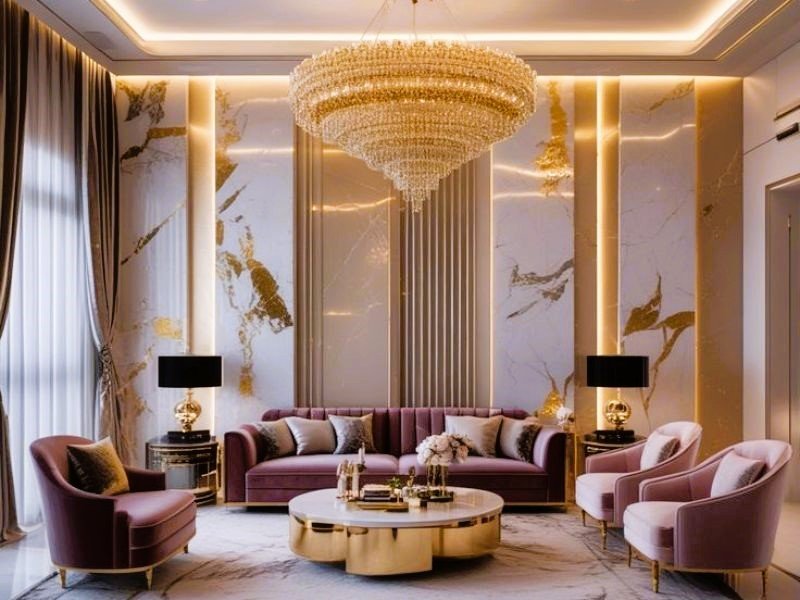
Most people use “decor” the way they use salt a little here, a little there, hoping something improves. Decoro is a different philosophy entirely.
Rooted in Italian design tradition, decoro refers to the appropriateness of form and ornament within a space. It asks not just “does this look nice?” but “does this belong here?” A gold chandelier in a minimalist loft is not necessarily bad taste it is bad decoro. The piece might be beautiful on its own, but it breaks the room when placed wrong.
Think of it this way: a masterfully written sentence can ruin a paragraph if placed in the wrong spot. Interior decoro works the same way. It is about coherence, not just beauty.
The History Behind Decoro
Decoro as a concept traces back to ancient Roman architectural theory. Vitruvius wrote about decor as one of the fundamental principles of good building every element should be suited to its context and purpose. You would not use a temple’s grand columns for a bread shop. That would violate decoro.

The Renaissance revived this thinking fiercely. Italian architects and artists treated decoro as a moral standard. A design choice was never purely aesthetic it carried social meaning. A building, a room, or even a piece of furniture said something about the people who occupied it.
Fast forward to today, and the spirit of that idea is alive and well even if most homeowners have never heard the word.
How Decoro Shapes Modern Interior Design
Modern interior design has a problem. Thanks to social media, we are drowning in inspiration endless images of beautiful rooms and beautiful objects. But inspiration without judgment produces clutter. You can buy all the right pieces and still end up with a room that feels hollow.
Decoro cuts through that noise. It gives you a way to evaluate every choice not just “is this beautiful?” but “is this right for this space?”
Contextual Harmony
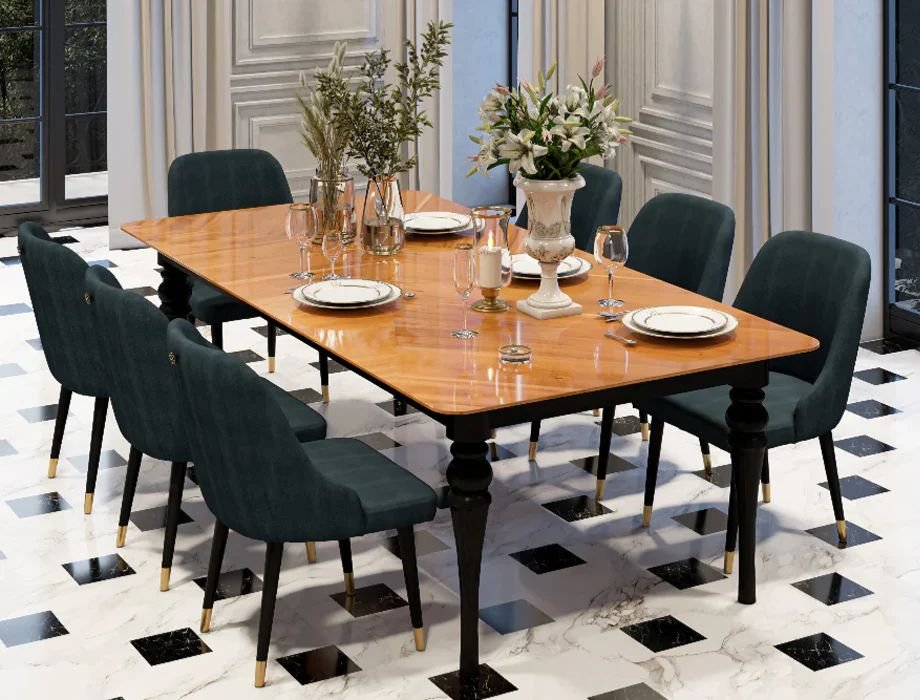
The first rule of decoro in a modern space is contextual harmony. Every choice you make should respond to what is already in the room not just in terms of color, but in terms of weight, period, material, and story.
A raw edge walnut dining table brings a natural, slightly rough energy. It wants chairs with a similar honesty maybe leather, maybe linen, probably not lacquered acrylic. If you pair that table with chairs from a completely different design era, the room starts to argue with itself. You feel it even if you cannot name it.
Contextual harmony does not mean matching everything. It means listening to the architecture, to the light, to the history of the objects you bring together.
Scale and Proportion
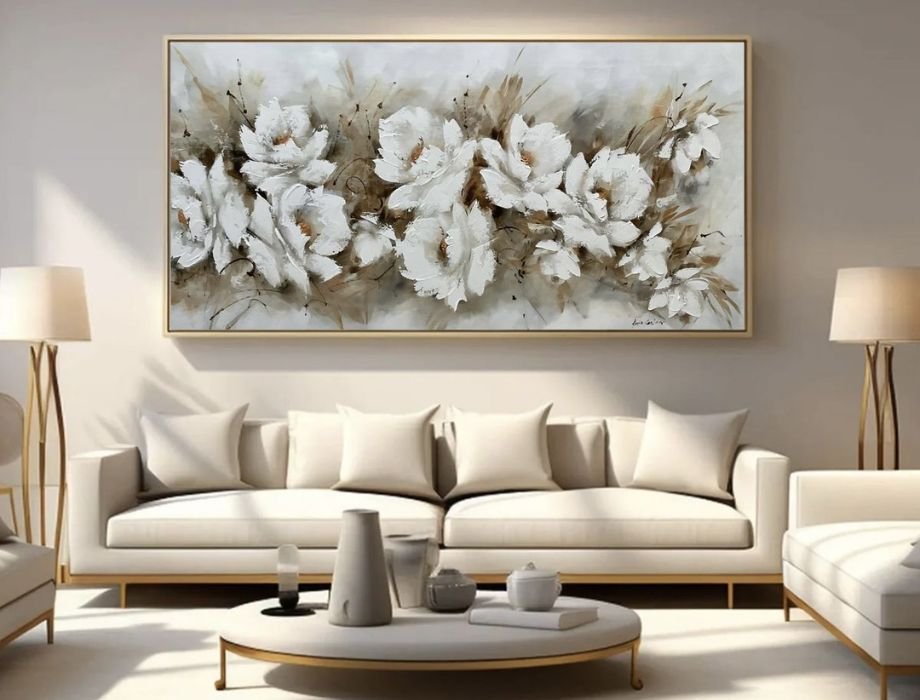
Scale is where most amateur interior decisions go wrong, and it is one of the areas where decoro thinking is most useful.
A sofa that is too small for a room creates a visual void. A rug that does not anchor the furniture makes everything float. A painting hung too high looks like it is trying to escape. These are not matters of personal taste they are violations of proportion, and our eyes feel them instantly.
A simple starting point: your rug should extend at least 6 inches beyond the edge of your sofa on all sides. Your largest wall art should never be smaller than one third the width of the furniture it hangs above. These proportional relationships have been refined over centuries because they work.
Decoro in Different Room Types
The principle of decoro does not change but its application shifts depending on the room.
Living Rooms
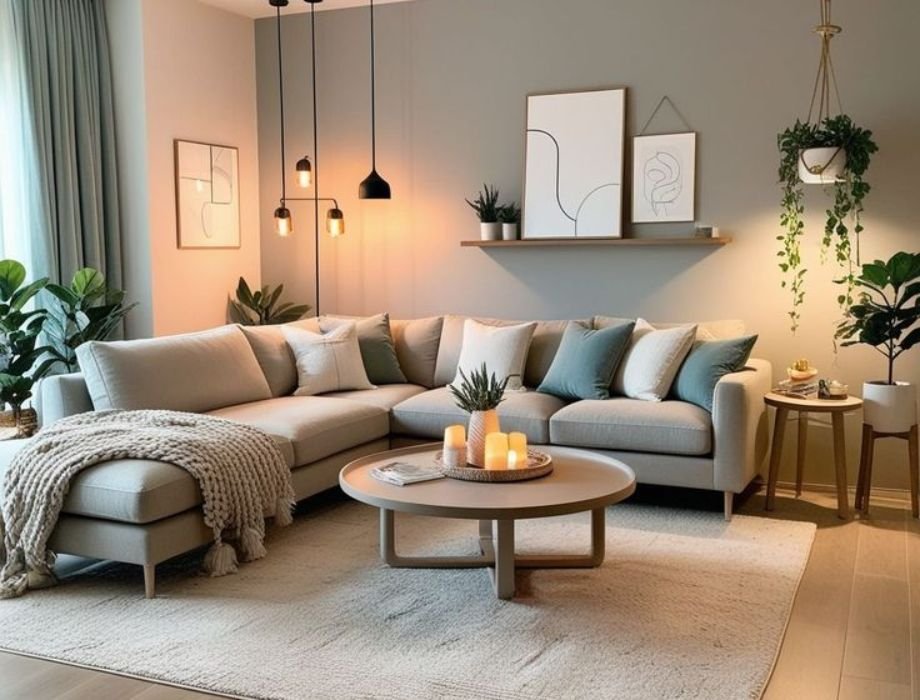
The living room is where decoro is tested most visibly, because it is the most public room in most homes. It needs to communicate something warmth, intellect, ease, creativity whatever the household genuinely is.
Start with the dominant material. If your floors are dark hardwood, anchor the palette in warmer tones like terracotta, olive, or cream. If you have light stone floors, you have more freedom to go cool or neutral. Let the fixed elements lead. Let the moveable ones follow.
The decoro principle here is simple: the room should feel earned, not assembled.
Bedrooms
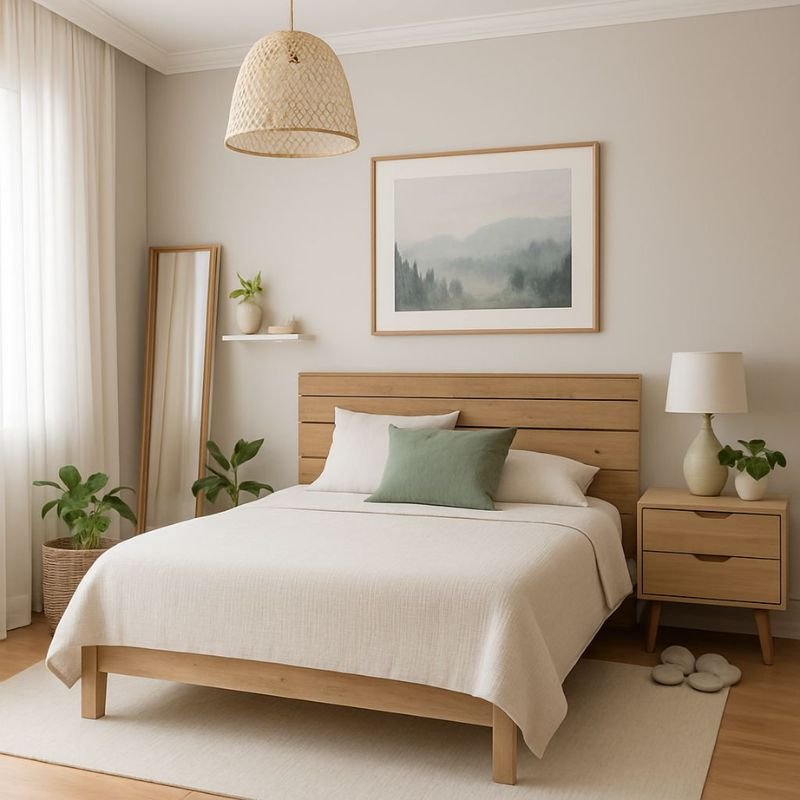
The bedroom can afford to be more personal and expressive. But that does not mean anything goes.
Bedrooms suffer from a specific kind of bad decoro the over decorated bedroom that feels like a hotel nobody actually lives in. Pillows everywhere, space nowhere.
Perfect balance in every corner.
But no warmth, no trace of a real person.
Good decoro in a bedroom means restraint with ornament but generosity with texture. A linen duvet, a knitted throw, a wooden nightstand with real character these create warmth without noise. Every object should whisper the same thing: rest.
Kitchens
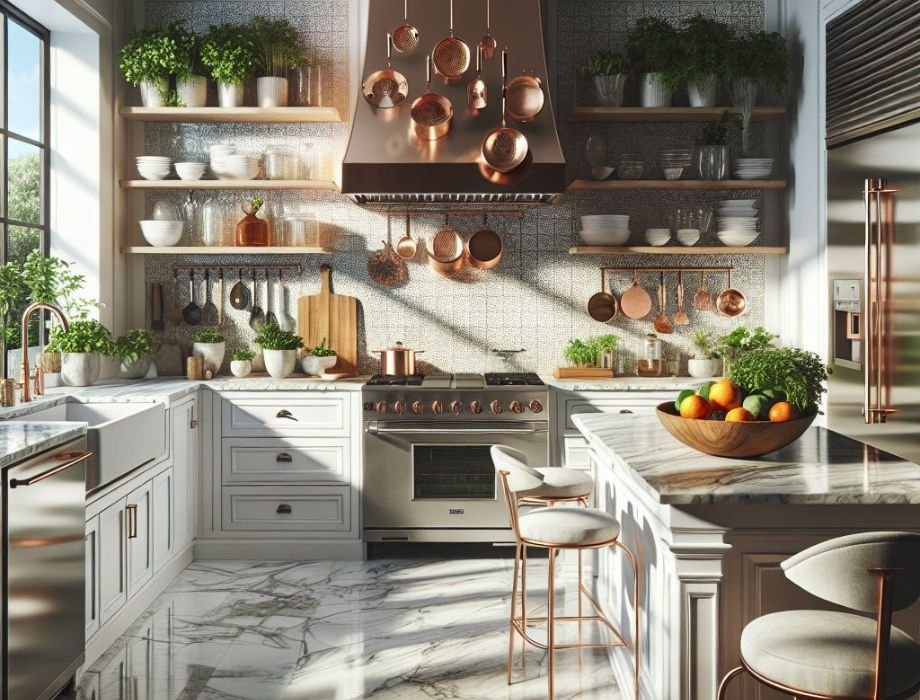
Here is an interesting twist: the kitchen is the room where decoro most directly meets function. And that is a beautiful tension, if you handle it well.
Italian kitchen design does not treat form and function as opposites they are the same thing, ideally. A beautiful copper pot on a rack is not just beautiful; it is usable, accessible, and honest about what the kitchen is for.
The decoro principle in kitchens: do not hide things that should be visible, and do not display things that should be tucked away. Your good olive oil can live on the counter. Your half finished grocery bag probably should not.
The Role of Materials in Authentic Decoro
If there is one shortcut to understanding whether a room has decoro, look at the materials.
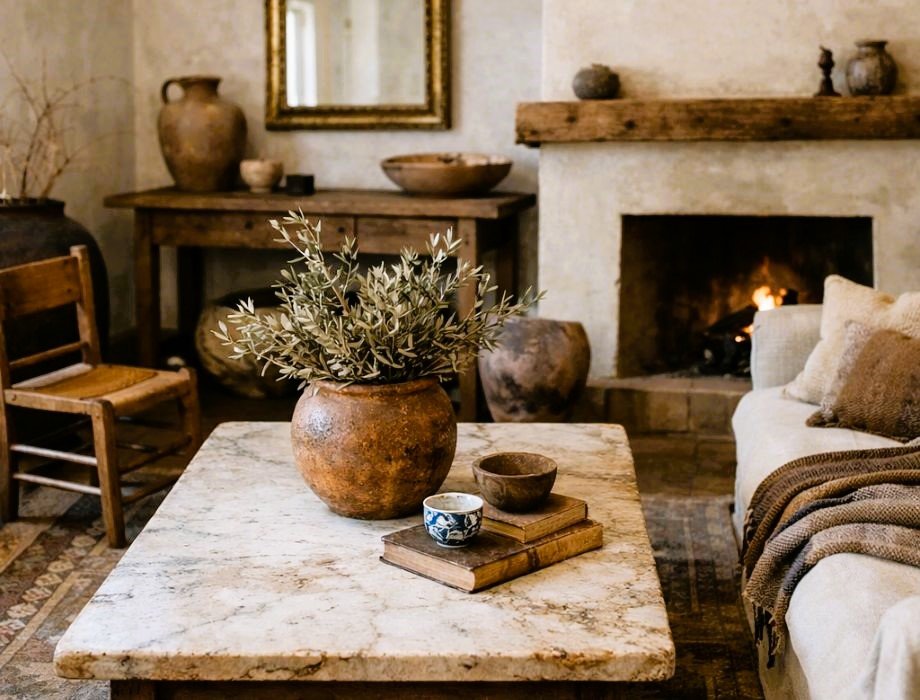
Authentic materials real wood, natural stone, hand thrown ceramics, woven textiles carry inherent decoro because they have variation, age, and history. They do not try too hard. A marble table used for ten years looks better than a brand new replica, because the patina is part of the story.
Fake materials undermine decoro almost immediately. Not because they are cheaper, but because they are pretending to be something they are not. A plastic veneer imitating wood is doing the opposite of what decoro demands.
But here is the catch: authenticity does not require wealth. It requires honesty. A room full of affordable pieces, used with clear intention and mixed with a few genuinely meaningful objects, can have far more decoro than an expensive room full of mismatched things nobody cares about.
Color, Pattern, and the Grammar of Decoro
Color is the vocabulary of a room. Decoro is its grammar. You can have all the right colors and still produce gibberish if you do not understand how they work together.
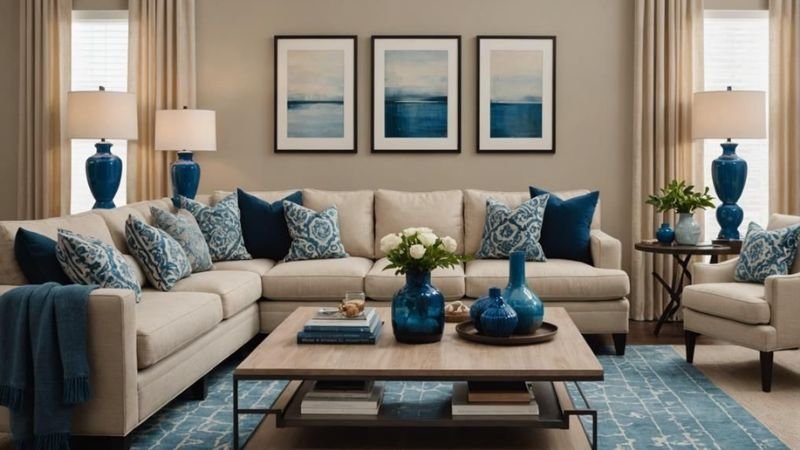
Building a Color Palette
The safest starting point is the 60-30-10 rule: 60% dominant neutral, 30% secondary tone, 10% accent. It works because it mirrors how decoro has traditionally handled color let one thing lead, let others support, let one thing surprise.
Beyond that, think in families. Warm colors like ochre, terracotta, and cream create intimacy. Cool colors like sage, slate, and grey-green create calm. Mixing families works but you need an anchor. Without one, the room simply feels confused.
Working with Pattern
Pattern is where most people lose the thread. A room can hold two or three patterns comfortably if they share a color family or operate at different scales. A large geometric rug, a mid-scale stripe on a cushion, and a small floral detail on a throw can coexist if they are drawn from the same palette. Decoro does not forbid mixing patterns it just asks that they have a reason to be together.
Lighting as the Final Expression of Decoro
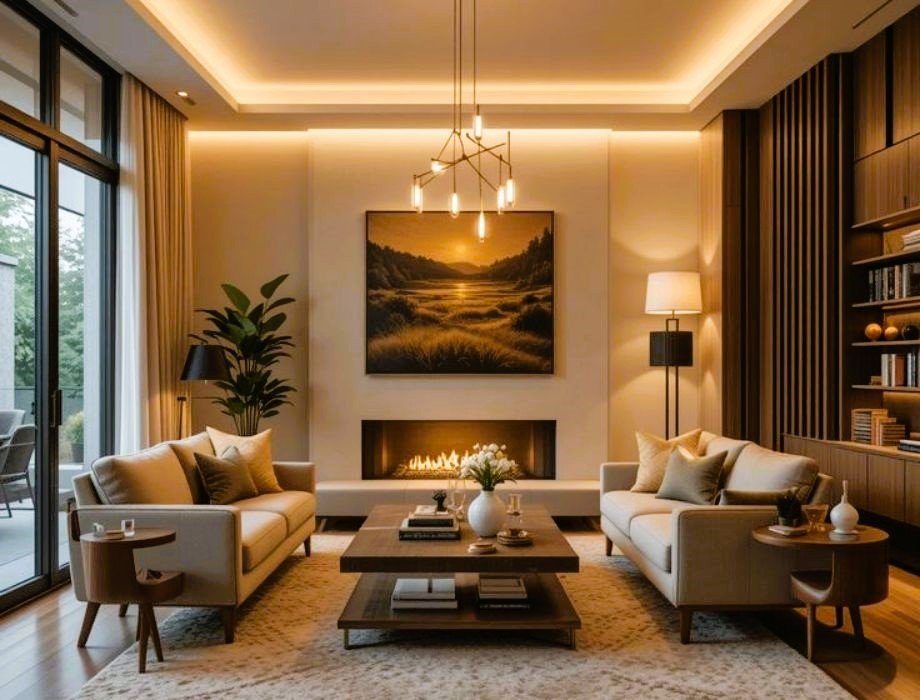
A room without good lighting does not have decoro. It does not matter how beautiful the furniture is or how perfect the proportions are bad lighting erases all of it.
Lighting has three jobs in a well designed space: it reveals texture, creates atmosphere, and defines hierarchy. Recessed ceiling lights alone flatten everything. Layer your light instead a statement pendant for focal drama, wall sconces or table lamps for warmth, and task lighting only where it is actually needed.
Warm light between 2700 and 3000K is the right default for most living spaces because it flatters both skin and material. Cool light belongs in studios and workspaces.
Decoro in Small Spaces
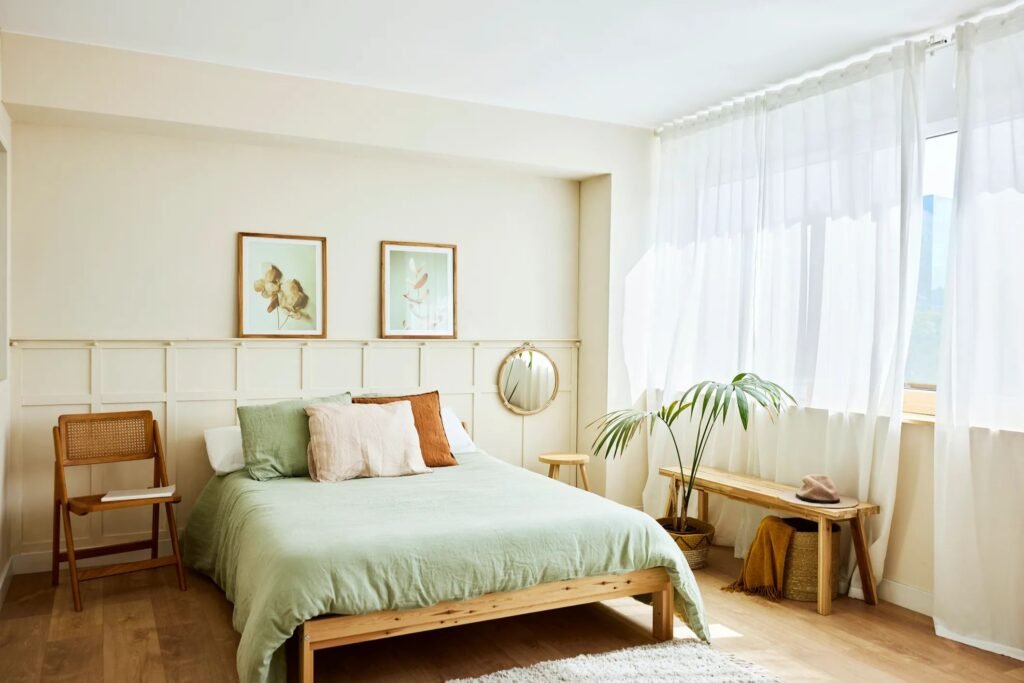
Small rooms have a reputation for being harder to style, and that is not wrong. But the problem is usually not size it is that people try to solve smallness with tricks instead of principles.
Mirrors are frequently prescribed for small rooms as if they were medicine. A well-placed mirror does expand perceived space. But a badly placed mirror just doubles the clutter.
In a small space, the highest expression of decoro is editing. Remove one thing. Then remove one more. See if the room breathes better. It almost always does.
Common Mistakes That Break Decoro
Trendy over truthful. Jumping on a trend without asking whether it fits your actual space is the most common violation of decoro. Trends can inform you they should not override your context.
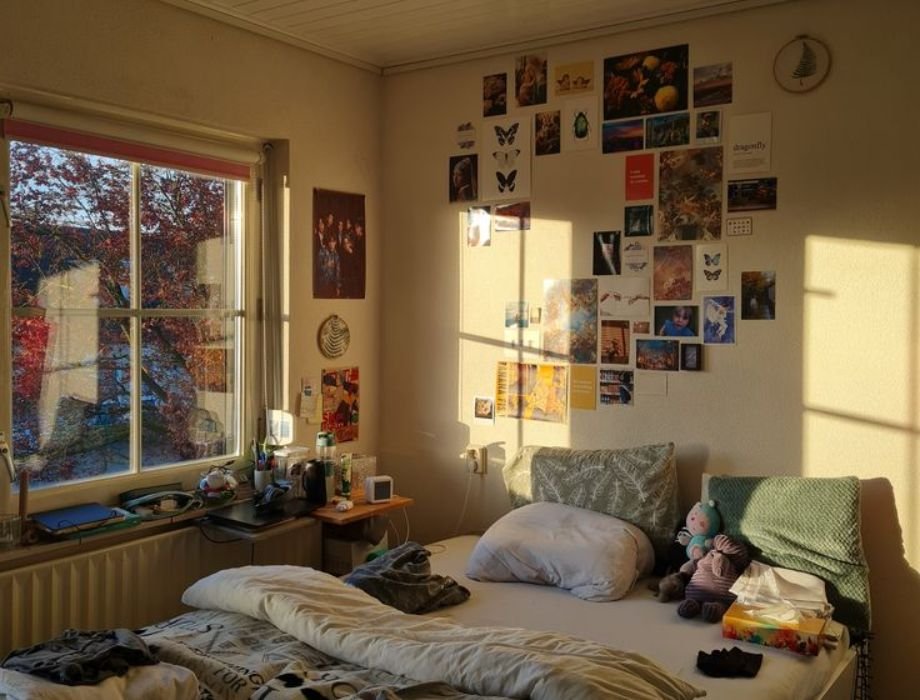
Too much, too fast. Filling a room immediately means you never discover what it actually needs. Decoro rewards patience. Live in a space before making major decisions. You will see where the light falls, what feels crowded, what feels empty.
Ignoring the ceiling. The ceiling is the fifth wall, and most people paint it white and forget it exists. A warm off-white or even a bold color on the ceiling can completely change the personality of a room and it remains one of the most underused tools in styling.
How to Develop Your Own Sense of Decoro
Decoro is not a fixed set of rules. It is a cultivated sensibility. You develop it the same way you develop any sensibility: by looking closely, questioning what you see, and gradually refining your judgment.
Visit spaces that feel right to you a restaurant, a museum, a well designed home and ask yourself why they work. Is it the scale? The palette? The quality of light? The relationship between objects? Start naming what you notice, and your eye will sharpen over time.
Slow down your decisions. Decoro is incompatible with impulse purchases. It rewards the person who waits for the right piece rather than filling a gap with whatever is available.
Beyond that, spending time with design history is genuinely worthwhile. Understanding why certain proportional relationships have recurred across centuries is not an academic exercise it is evidence that something in us recognizes and responds to these relationships at a deep level.
Frequently Asked Questions About Decoro
Q1: Is decoro the same as interior decoration?
No decoro refers to the principle of design appropriateness, not simply adding decorative elements to a space.
Q2: Can a minimalist room have decoro?
Yes minimalism and decoro are natural allies, since both prioritize intention and coherence over excess.
Q3: Does decoro require expensive materials or furniture?
No decoro is about honesty and contextual harmony in your choices, not the cost of what you buy.
Q4: How do I know if my room is missing decoro?
If the space feels restless, cluttered, or like it is trying too hard to impress, something is likely off.
Q5: Does decoro apply to contemporary and modern interiors?
Yes the principles of proportion, context, and material honesty apply in any design style or era.
Conclusion
There is something almost counterintuitive about decoro: the more carefully you apply it, the less visible it becomes. A room with genuine decoro does not shout. It does not compete for attention or announce its own good taste. It simply makes you feel at ease from the moment you walk in and you might not even be able to explain why.
That invisibility is exactly the point. Good design removes the noise so that life itself can be heard more clearly. When the proportions are right, the materials are honest, the light is warm, and every object has earned its place, the room becomes something rare a space that genuinely serves the people inside it rather than performing for visitors. That is worth pursuing. Not as a trend, not as a style, but as a way of living with more care and more attention, one considered choice at a time.