
Home Accessories can completely transform the look and feel of a home without requiring an expensive renovation. A carefully chosen cushion, decorative mirror, stylish vase, textured rug, or attractive storage basket can add color, warmth, personality, and function to an otherwise ordinary room.
The best part is that you do not need to replace your furniture to create a fresh interior. Instead, you can update smaller details and create a noticeable difference with a relatively modest budget. Whether you prefer minimalist interiors, modern designs, traditional styles, or relaxed bohemian decor, the right accessories can help you create a space that feels comfortable and personal. For more ideas, explore our guide to Living Room Decor.
Home accessories also make seasonal decorating easier. You can replace cushion covers, throws, artwork, table decorations, and other smaller pieces as your preferences change. This flexibility allows you to experiment with new colors and trends without making permanent changes to your home.
In this guide, you will learn what home accessories are, why they matter, which types are most useful, how to choose the right pieces, and how to style them in different rooms. You will also discover practical ideas for small spaces, budget-friendly decorating, sustainable shopping, seasonal updates, and common mistakes to avoid.
What Are Home Accessories?
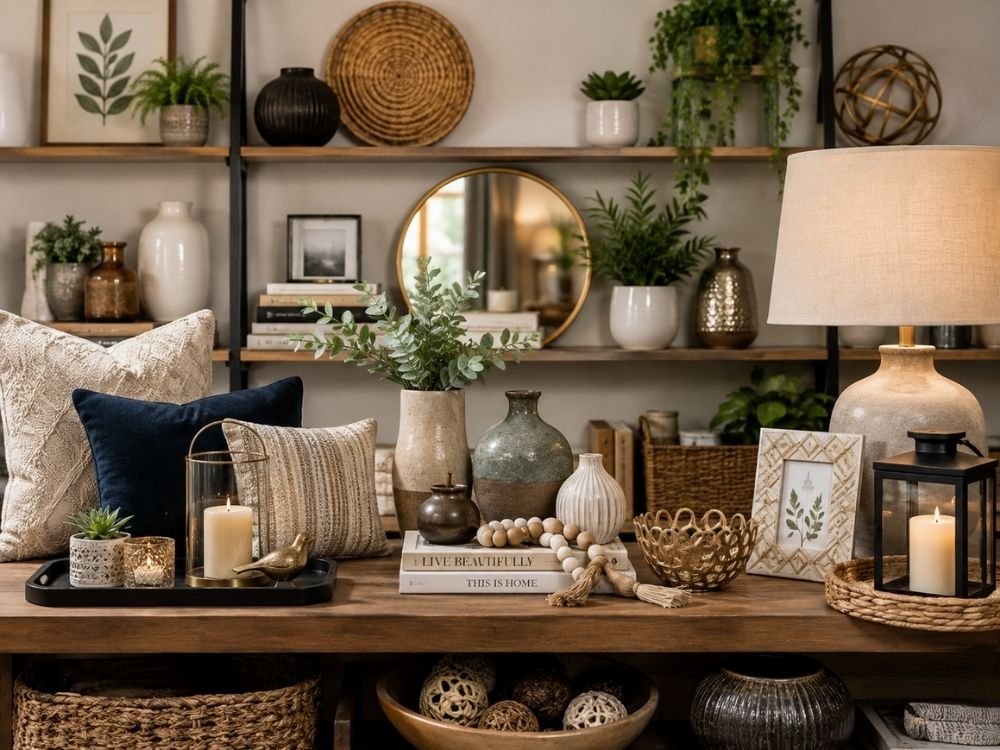
Home accessories are decorative and functional items that enhance the appearance, comfort, and organization of a living space. Common examples include cushions, rugs, curtains, mirrors, vases, wall art, decorative trays, baskets, lamps, candles, and other decorative objects.
Unlike large furniture pieces, accessories are usually easier to move, replace, or rearrange. This makes them an excellent way to refresh a room without making major structural changes.
For example, a neutral sofa can look completely different when you add patterned cushions, a textured throw, a decorative rug, and carefully selected wall art. Similarly, an empty shelf can become an attractive focal point when you combine books, plants, ceramics, and decorative objects.
In interior design, accessories act as finishing touches. Furniture establishes the foundation of a room, while accessories add color, texture, personality, and visual interest.
Why Home Accessories Matter
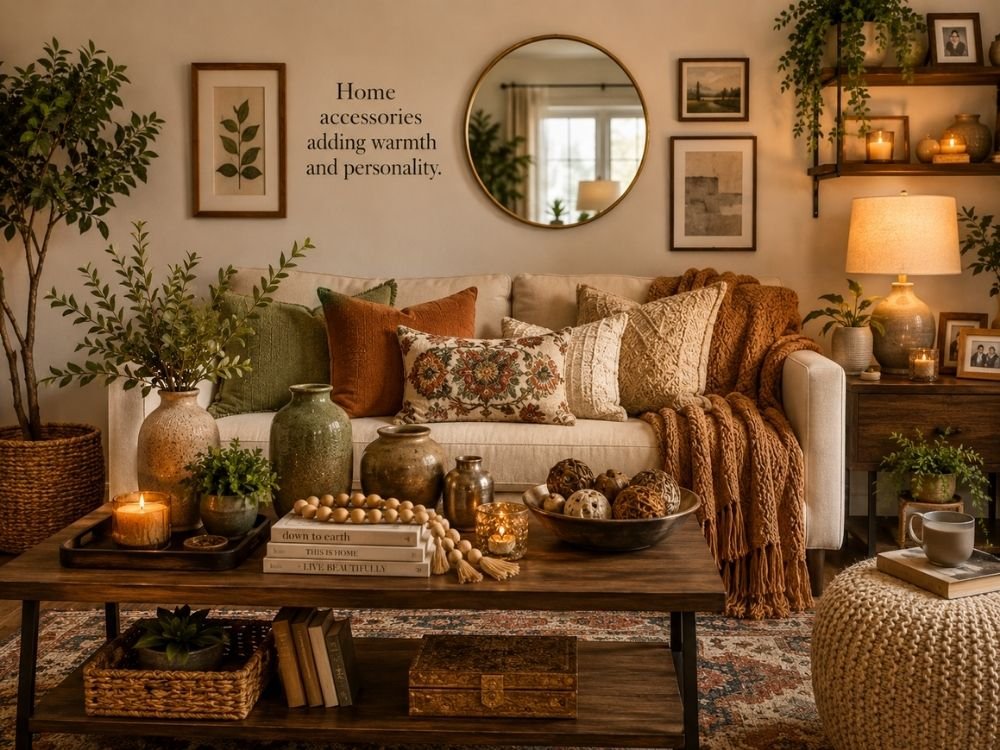
Home accessories are more than decorative extras. They help create the atmosphere and character of a room while often improving its functionality.
A plain living room can feel warmer with soft cushions and a textured throw. An empty wall can become a focal point with artwork or a mirror. A cluttered coffee table can look organized with a decorative tray.
If you are planning to refresh your entire living area, explore our detailed guide to Living Room Decor for additional inspiration.
Home Accessories Add Personality
Seasonal Home Accessories Ideas
Your home should reflect your taste and lifestyle. Accessories make this easier because you can choose colors, materials, patterns, and objects that represent your personality.
Family photographs, handmade ceramics, travel souvenirs, artwork, books, and plants can make a room feel more personal and lived-in.
Home Accessories Improve Functionality
Many accessories perform practical functions as well as decorative ones.
Storage baskets can hide everyday clutter. Decorative trays can organize remote controls and small objects. Lamps provide useful lighting, while rugs can define different areas within an open-plan room.
The most effective interiors often combine decorative beauty with practical functionality.
Home Accessories Make Decorating Flexible
Furniture can be expensive and difficult to replace. Accessories are generally easier to change.
You can switch cushions, throws, vases, artwork, and table decorations whenever you want a different look. This flexibility makes accessories especially useful for seasonal decorating and gradual home updates.
Decorative Accessories vs Functional Accessories
Some accessories primarily exist to improve the appearance of a room, while others combine decoration with practical use.
A ceramic vase, sculpture, or decorative figurine may mainly serve an aesthetic purpose. A storage basket, lamp, decorative tray, or stylish clock can provide both function and visual appeal.
The best approach is to create a balance between the two.
Before buying an accessory, ask yourself:
- Does it improve the room?
- Does it serve a useful purpose?
- Does it work with my existing colors?
- Is the size appropriate?
- Will I still like it after current trends change?
These simple questions can help prevent unnecessary clutter.
Benefits of Using Home Accessories
Home Accessories can influence how a room looks, feels, and functions. Even small changes can create a noticeable difference.
They Improve Visual Appeal
Bare walls and empty surfaces can make a room feel unfinished. Accessories introduce color, texture, shape, and contrast.
For example, combining a soft rug with cushions, artwork, and decorative objects can create visual depth.
The goal is not to fill every empty space. Instead, choose pieces that support the overall design and allow enough negative space around them.
They Reflect Personal Style
Accessories give you an opportunity to express your preferences.
You might prefer:
- Neutral and minimalist accessories
- Natural wood and woven materials
- Bold colors and patterns
- Vintage decorative pieces
- Modern metallic accents
- Handmade ceramics
- Botanical-inspired decor
There is no single correct decorating style. The best accessories are those that work with your space and feel authentic to you.
They Improve Organization
Decorative storage can make everyday items easier to manage.
Use baskets for blankets, trays for small objects, boxes for accessories, and organizers for workspaces. This approach keeps useful items accessible without making the room look cluttered.
They Can Be Budget-Friendly
You do not need to spend a large amount of money to refresh your interior.
Replacing cushion covers, rearranging existing accessories, adding inexpensive artwork, or introducing a small plant can change the appearance of a room.
This makes home accessories a practical option when you want to update your decor gradually.
They Create Comfort
Soft textiles, warm lighting, plants, photographs, and meaningful objects can make a space feel more comfortable and welcoming.
A well-accessorized room should not simply look attractive. It should also feel pleasant to use every day.
Types of Home Accessories
Understanding the main categories of Home Accessories makes it easier to plan your decorating strategy.
Textile Accessories
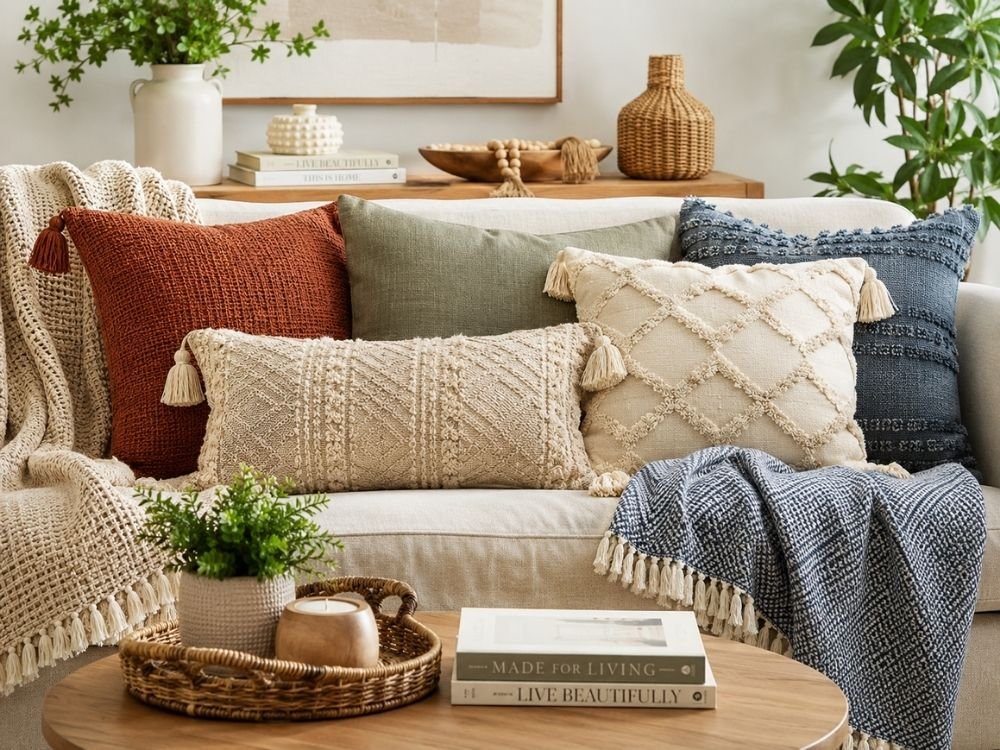
Textile accessories include cushions, throw blankets, rugs, curtains, table runners, decorative towels, and bedding.
Textiles are particularly useful because they introduce softness, warmth, color, and texture.
You can create depth by combining different materials. For example, pair a smooth fabric with a knitted throw or a flat rug with textured cushions.
Wall Decor
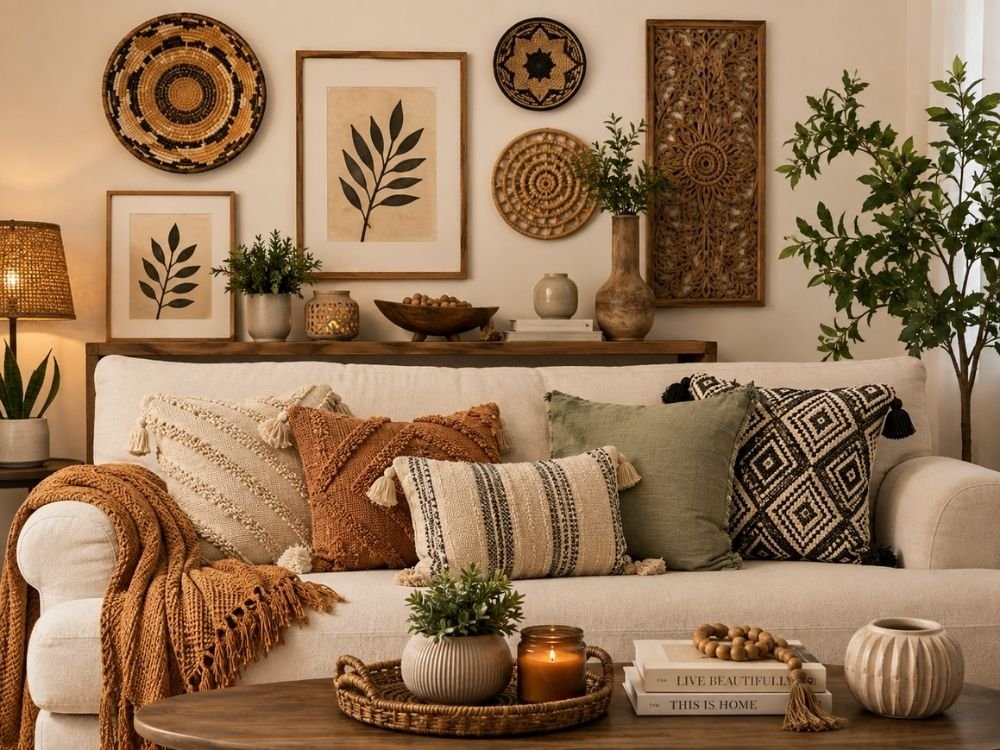
Wall decor includes framed artwork, mirrors, wall shelves, tapestries, decorative plates, wall sculptures, and wood wall art.
Walls often provide some of the largest decorating surfaces in a home, so thoughtful wall decoration can have a major visual impact.
For more inspiration, explore our complete guide to Wall & Decor.
If you want to bring natural warmth and texture into your interior, our Wood Wall Art Ideas guide can also provide useful inspiration.
Decorative Objects
Decorative objects include vases, sculptures, candle holders, figurines, bowls, clocks, and other display pieces.
When styling several objects together, vary their heights and shapes instead of using identical pieces. This creates a more balanced and interesting arrangement.
Lighting Accessories
Lighting is one of the most important parts of interior styling.
Useful lighting accessories include:
- Table lamps
- Floor lamps
- Pendant lights
- Wall lights
- Decorative lamps
- Accent lighting
Try to combine different types of lighting rather than relying on a single bright light source.
Ambient lighting provides general illumination, task lighting supports specific activities, and accent lighting highlights decorative features.
Storage Accessories
Storage accessories combine organization with design.
Examples include:
- Woven baskets
- Decorative boxes
- Storage trays
- Organizers
- Decorative cabinets
- Storage ottomans
Choose storage pieces that complement your existing color palette so they look intentional rather than simply functional.
Home Accessories Trends in 2026
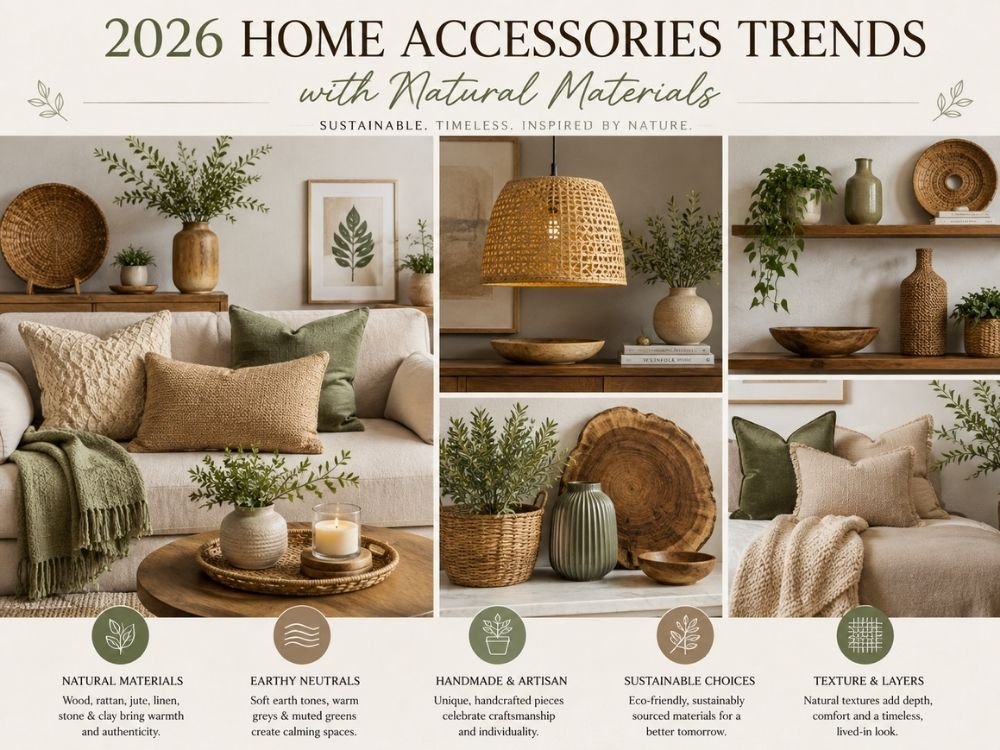
Interior trends change over time, but you do not need to follow every trend. Instead, choose trends that work with your existing space and personal preferences.
Natural Materials
Natural materials such as wood, rattan, jute, bamboo, and woven fibers can add warmth and texture.
These materials work particularly well with neutral color palettes and relaxed interior styles.
Bold Accent Colors
Neutral rooms can benefit from carefully selected accent colors.
Instead of using bold colors everywhere, introduce them through smaller pieces such as cushions, artwork, vases, rugs, or decorative objects.
This allows you to experiment without making the entire room feel overwhelming.
Layered Textures
Combining different textures creates depth.
Try mixing wood with fabric, ceramic with woven materials, metal with soft textiles, and smooth surfaces with rough finishes.
Texture becomes especially important in neutral interiors where color variation is limited.
Multi-Functional Accessories
Multi-purpose pieces are useful in modern homes, particularly where space is limited.
A storage ottoman can provide seating and storage. A decorative tray can organize small items. A nesting table can provide additional surface space when needed.
Handmade and Artisan Pieces
Handmade accessories can add individuality to a room.
Ceramics, woven baskets, handcrafted wall art, and locally made decorative objects can create a more personal interior than a room filled entirely with mass-produced decor.
How to Choose the Right Home Accessories
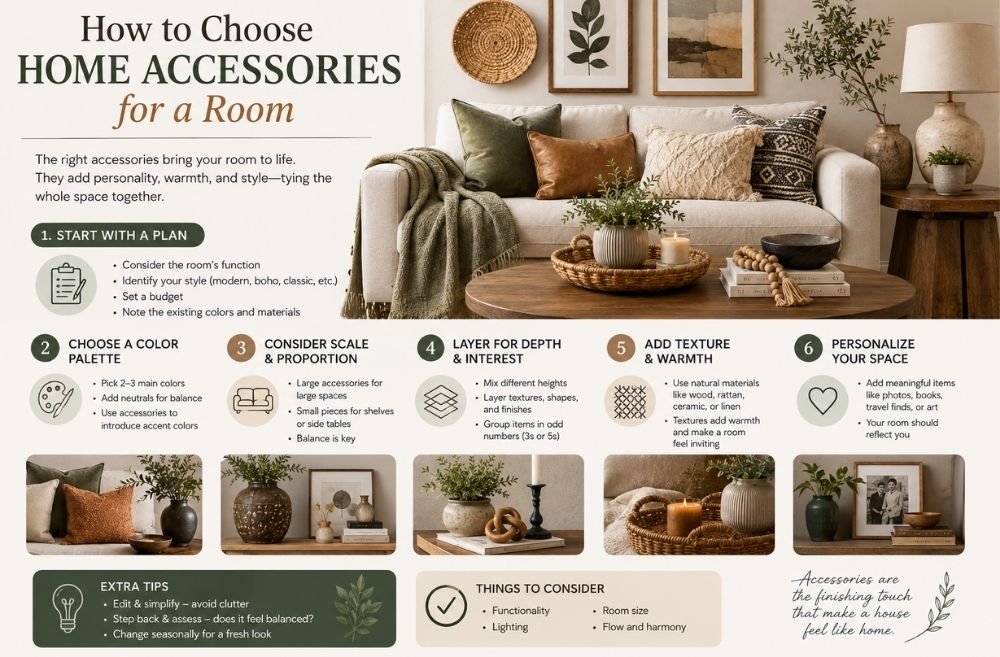
Choosing accessories becomes easier when you follow a clear process.
Start With Your Existing Color Palette
Look at the colors already present in your room.
Identify:
- Main color
- Secondary color
- Accent color
Then choose accessories that complement those colors.
If your room already contains several strong colors, consider neutral accessories to create balance. If your room is mostly neutral, a few carefully selected accent colors can add interest.
Follow the 60-30-10 Color Rule
A useful decorating guideline is the 60-30-10 rule.
Approximately:
- 60% of the room uses the dominant color
- 30% uses a secondary color
- 10% uses an accent color
You do not need to follow these percentages perfectly. Use the concept as a guide for creating a balanced palette.
Consider Scale and Proportion
Scale is extremely important.
Large furniture usually needs accessories with enough visual weight to feel balanced. Tiny objects may disappear on a large table, while oversized accessories can overwhelm a compact room.
Before purchasing an item, consider its relationship to the furniture and available space.
Mix Textures
Do not rely on one material throughout the room.
Combine wood, fabric, glass, metal, ceramic, and natural fibers to create visual variety.
Leave Negative Space
One of the most common decorating mistakes is filling every surface.
Empty space allows important accessories to stand out. Instead of displaying ten small objects, try grouping three or four complementary pieces.
Choose Accessories You Actually Like
Trends can provide inspiration, but they should not completely control your decorating decisions.
Choose pieces that suit your lifestyle and that you genuinely enjoy seeing in your home.
Room-by-Room Home Accessories Ideas
Different rooms require different decorating strategies.
Living Room Accessories
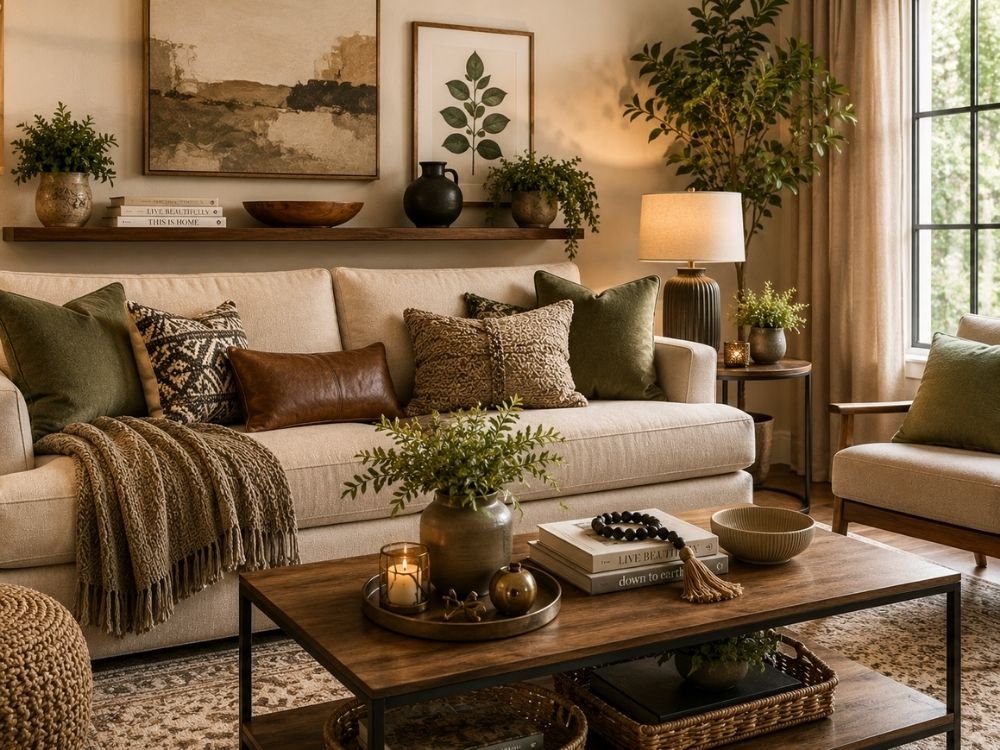
The living room is often the main social space in a home, so focus on comfort, balance, and visual interest.
Useful accessories include:
- Throw pillows
- Blankets
- Area rugs
- Coffee table decor
- Floor lamps
- Wall art
- Mirrors
- Decorative trays
- Indoor plants
A coffee table should look styled without becoming difficult to use. A tray can create a defined arrangement for books, coasters, candles, and small decorative objects.
For more detailed styling ideas, explore our guide to Coffee Table Decor.
Bedroom Accessories
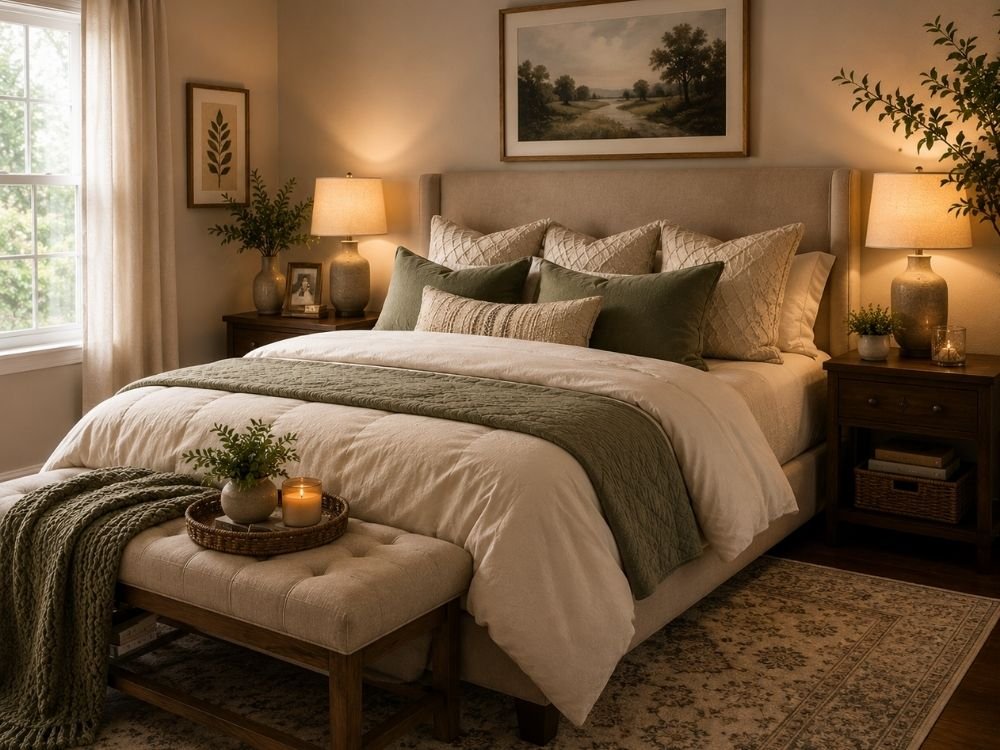
Bedrooms should feel comfortable and relaxing.
Consider:
- Layered bedding
- Decorative pillows
- Soft throws
- Bedside lamps
- Mirrors
- Small plants
- Area rugs
- Artwork
Keep the number of decorative objects under control. Too many accessories can make a bedroom feel visually busy.
Kitchen Accessories
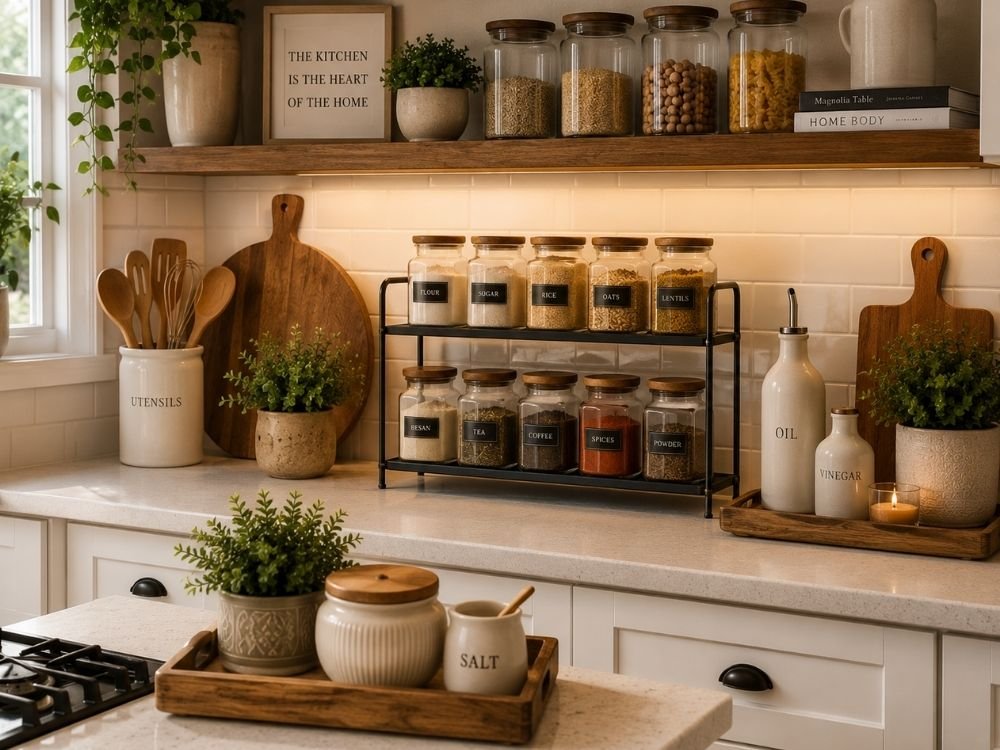
Kitchen accessories can combine decoration with everyday usefulness.
Consider:
- Ceramic jars
- Canisters
- Fruit bowls
- Decorative trays
- Dish towels
- Small plants
- Open-shelf displays
- Wall art
Keep frequently used items within easy reach while using decorative pieces to create visual interest.
For wall-focused inspiration, explore our guide to Kitchen Wall Decor Ideas.
Bathroom Accessories
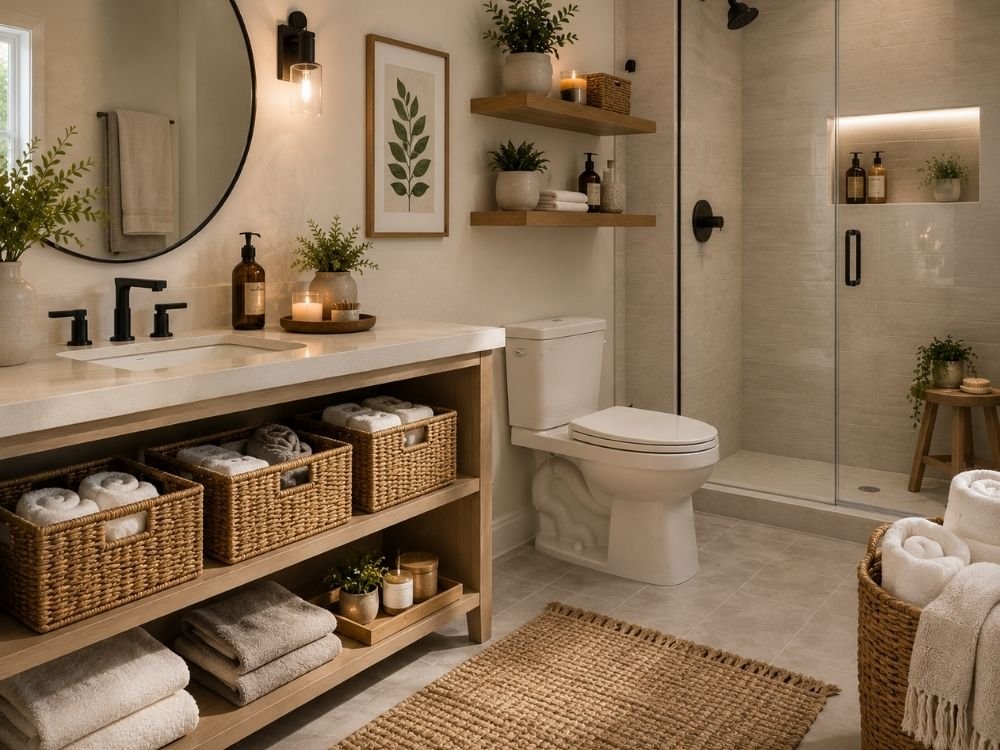
Bathrooms can benefit from simple, coordinated accessories.
Try:
- Matching towels
- Soap dispensers
- Storage baskets
- Bath trays
- Small plants
- Decorative containers
- Mirrors
- Bath mats
Choose moisture-resistant materials where appropriate and avoid placing sensitive decorative pieces in areas exposed to excessive water.
Dining Room Accessories
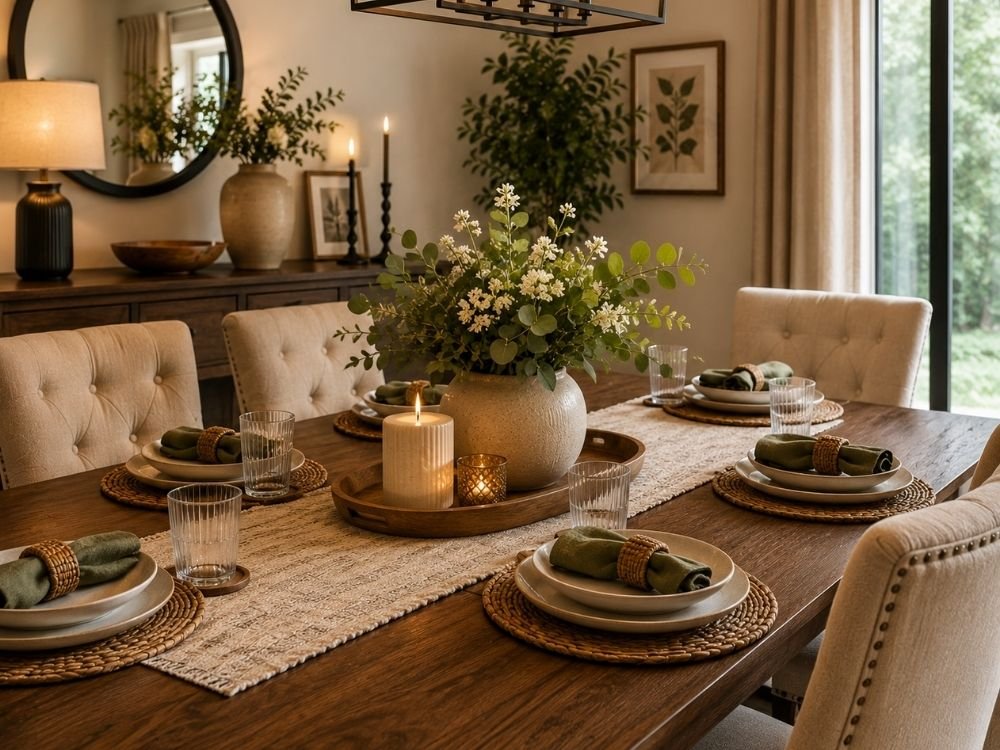
The dining room provides an excellent opportunity to decorate around the table.
Consider:
- Table runners
- Centerpieces
- Decorative bowls
- Vases
- Candles
- Place settings
- Wall art
- Pendant lighting
Change the centerpiece according to the season or occasion to keep the dining area interesting.
For additional inspiration, explore our guide to Table Decor.
You can also use your dining room walls to complement the table setting and create a more complete design.
Home Office Accessories
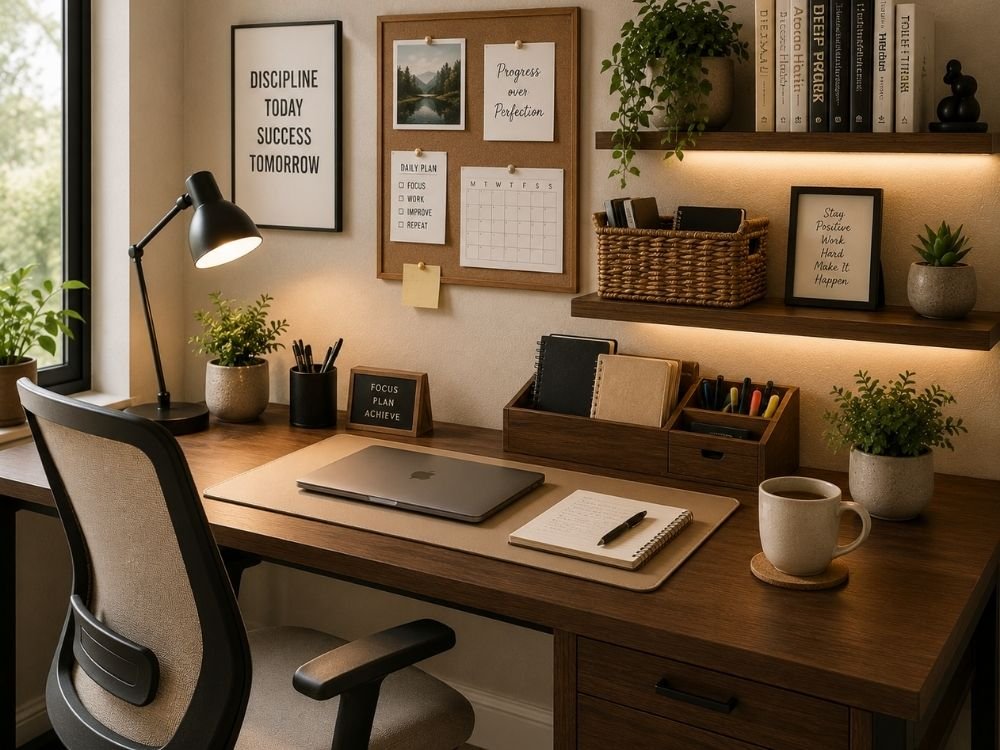
A home office should balance productivity and comfort.
Useful accessories include:
- Desk organizers
- Task lamps
- Small plants
- Pinboards
- Books
- Decorative storage boxes
- Desk trays
Avoid excessive decoration around your main working area. Keep the desk organized so accessories support productivity rather than creating distractions.
How to Mix Different Decorating Styles
Mixing styles can create a unique and layered interior when done carefully.
Find a Common Element
Choose one element that connects different styles.
This could be:
- Color
- Material
- Shape
- Pattern
- Finish
For example, a modern lamp and vintage accessories can work together when they share similar colors.
Balance Old and New
Combining vintage and contemporary accessories can create a collected look.
A modern room can feel more personal when you add one or two vintage pieces instead of decorating everything in the same style.
Choose a Dominant Style
Pick one primary decorating style and use other styles as accents.
For example, if your room is mainly modern, use only a few vintage or bohemian accessories.
This keeps the room visually cohesive.
Home Accessories for Small Apartments
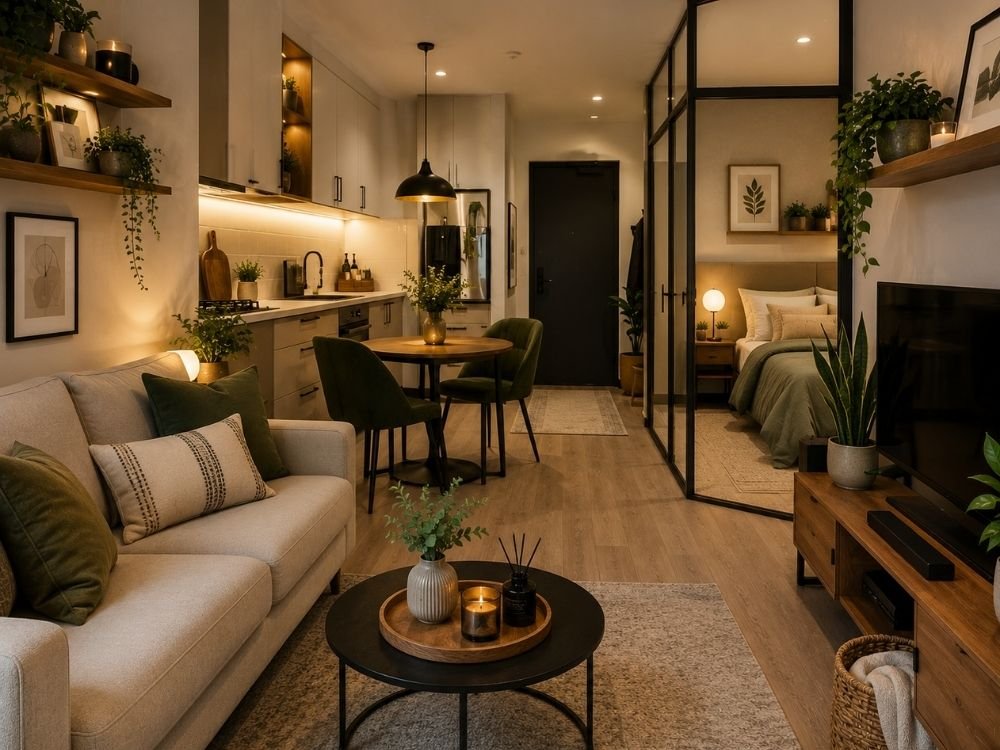
Small spaces require thoughtful decorating because every item occupies valuable space.
Choose Multi-Purpose Pieces
Look for accessories that perform more than one function.
Storage baskets, ottomans, nesting tables, and decorative organizers can help you use limited space efficiently.
Use Vertical Space
When floor space is limited, use walls.
Floating shelves, tall storage units, hanging plants, and wall-mounted artwork can add decoration without taking up much floor space.
Use Mirrors Strategically
Mirrors can reflect light and create a greater sense of visual openness.
Place them where they can reflect natural or artificial light without creating an awkward viewing angle.
Keep the Palette Cohesive
A limited color palette can make a small room feel more organized.
This does not mean you must use only neutral colors. Instead, repeat a few selected colors throughout the room.
Sustainable Ways to Shop for Home Accessories
Thoughtful shopping can reduce unnecessary waste and help you create a more meaningful home.
Buy Quality Over Quantity
Instead of purchasing many inexpensive pieces, consider investing in fewer items that are durable and useful.
Quality accessories may cost more initially, but they can remain useful for much longer.
Support Local Artisans
Handmade accessories can add character while supporting local craftspeople.
Look for locally produced ceramics, textiles, woven products, artwork, and other decorative pieces.
Repurpose Existing Items
Before buying something new, look around your home.
A vase from one room might work in another. A decorative tray can serve a different purpose. An old frame can be repainted and reused.
Rearranging existing items is one of the easiest ways to refresh your interior without spending money.
Seasonal Home Accessories Ideas
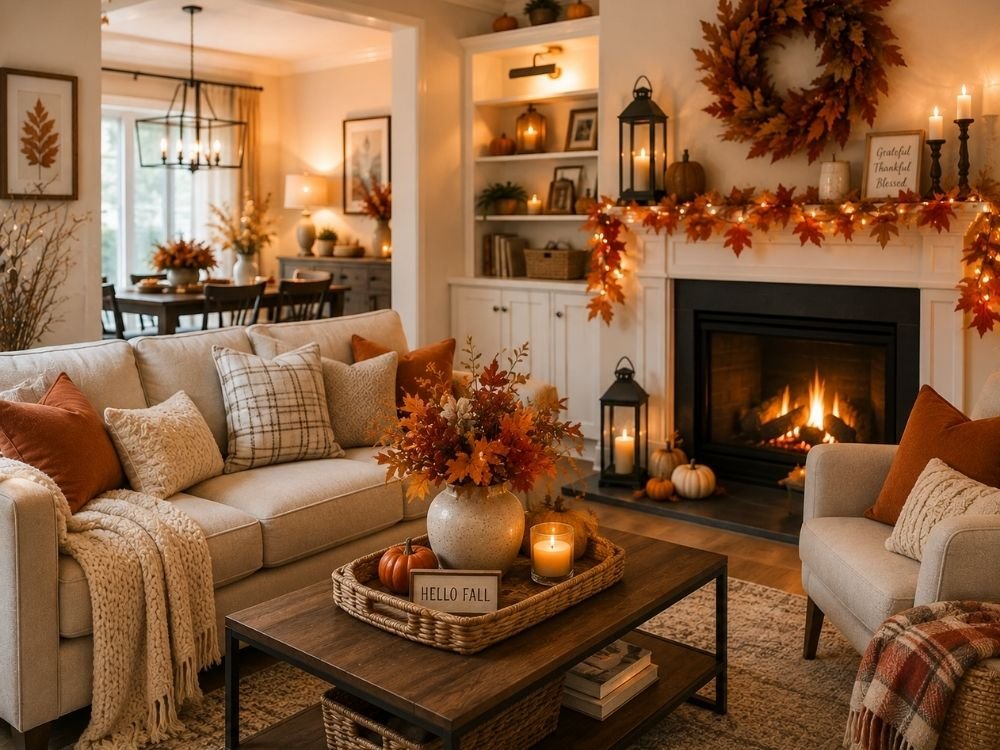
Seasonal decorating does not require completely changing your home.
Small changes can create a fresh atmosphere.
Spring and Summer
During warmer months, consider:
- Lightweight fabrics
- Fresh greenery
- Floral patterns
- Lighter colors
- Natural textures
- Sheer curtains
You can also replace heavier throws with lighter textiles.
Fall and Winter
During colder months, introduce:
- Warm-toned accessories
- Heavier throws
- Textured cushions
- Wool or knitted fabrics
- Cozy lighting
- Seasonal centerpieces
The goal is to make the space feel comfortable rather than overcrowded.
Common Home Accessories Mistakes to Avoid
Using Too Many Accessories
More decoration does not always mean better decoration.
If every surface is covered, individual pieces lose their impact.
Choose fewer items and give them enough space.
Buying Without a Plan
Random purchases can create a mismatched interior.
Before shopping, decide on your color palette, preferred style, and approximate budget.
Ignoring Lighting
Beautiful accessories can look completely different under poor lighting.
Use a combination of ambient, task, and accent lighting to create a balanced atmosphere.
Following Every Trend
Trends can be useful for inspiration, but decorating your entire home around short-term trends can become expensive.
Use trendy accessories as small accents while keeping larger and more expensive pieces relatively timeless.
Ignoring Scale
An accessory should relate to the furniture and room around it.
Always consider height, width, visual weight, and surrounding space before placing decorative pieces.
Budget-Friendly Ways to Buy Home Accessories
You can create an attractive home without a large decorating budget.
Shop Secondhand
Thrift stores, flea markets, and secondhand marketplaces can contain unique decorative pieces.
Look carefully at the condition and consider whether an item can be cleaned, repaired, or repurposed.
Try Simple DIY Projects
DIY projects can turn inexpensive materials into personalized accessories.
You might create:
- Painted vases
- Decorative frames
- Simple wall art
- Fabric cushions
- Customized storage boxes
Shop During Sales
Seasonal sales and clearance events can provide opportunities to purchase accessories at lower prices.
However, do not buy something simply because it is discounted. Make sure it fits your room and serves a purpose.
Rearrange What You Already Own
Before buying new items, experiment with the accessories you already have.
Move artwork, change cushion arrangements, switch decorative objects between rooms, or restyle shelves.
A new arrangement can make familiar pieces feel completely different.
How to Style a Coffee Table With Home Accessories
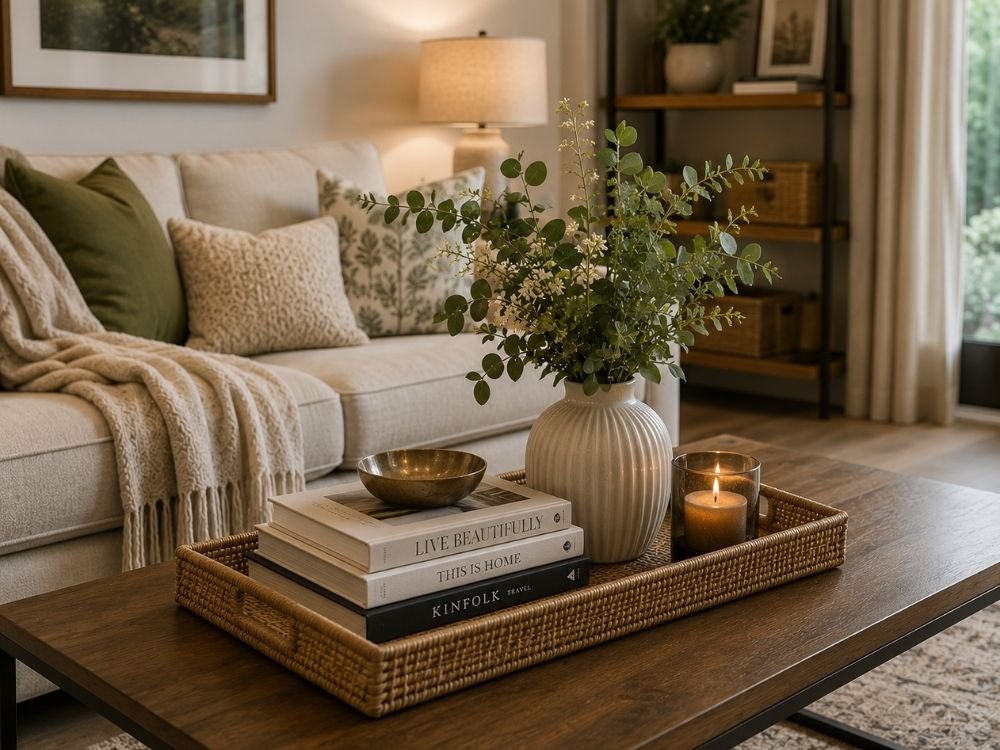
Coffee tables often become a focal point in living rooms.
A simple arrangement can include:
- A decorative tray
- A small stack of books
- A vase or plant
- One sculptural object
Vary the heights and shapes of the pieces. Keep enough open space for everyday use.
For more detailed styling inspiration, read our Coffee Table Decor guide.
How to Style Shelves With Home Accessories
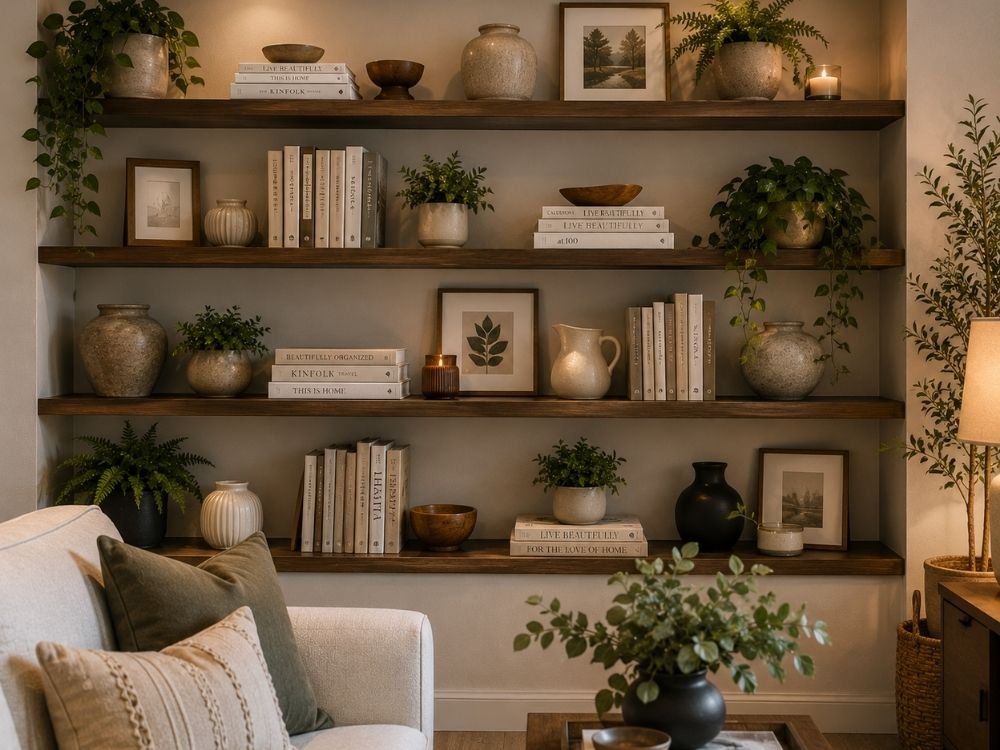
Shelf styling works best when you create balance rather than symmetry.
Start with one larger item and then add smaller objects around it.
Try combining:
- Books
- Small plants
- Ceramics
- Artwork
- Decorative boxes
- Sculptures
Avoid placing objects in a perfectly straight line. Different heights and groupings create a more natural appearance.
Caring for Your Home Accessories
Proper maintenance helps accessories remain attractive for longer.
Cleaning and Maintenance
Dust decorative objects regularly with an appropriate soft cloth.
Wash removable textiles according to their care instructions. Clean glass and mirrors with suitable products, and check natural materials for specific maintenance requirements.
Protect Accessories From Sunlight
Strong direct sunlight can fade certain fabrics, artwork, wood finishes, and other materials.
Where possible, position sensitive accessories away from prolonged direct exposure.
Protect Accessories From Moisture
Some materials can be damaged by excessive moisture.
Keep moisture-sensitive wooden, metal, paper, and fabric accessories away from areas where they may regularly become wet.
Store Seasonal Items Carefully
Clean seasonal textiles before storing them.
Use suitable storage containers and keep them in a dry, clean location. Organize items by season so they are easy to find when you want to change your decor.
Final Thoughts on Home Accessories
Home Accessories are one of the easiest ways to refresh a home without making major changes. From cushions and rugs to mirrors, artwork, lighting, baskets, and decorative objects, the right pieces can add personality, comfort, organization, and visual interest to almost any room.
The key is not to buy more accessories simply to fill empty spaces. Instead, choose pieces that complement your existing colors, work with the scale of your furniture, provide useful functions, or add meaningful character.
Start with the rooms that need the most attention. Choose a simple color palette, introduce different textures, and leave enough negative space around important pieces.
Most importantly, let your personal style guide your decisions. Trends can provide inspiration, but a comfortable and authentic home will always be more valuable than a space designed only to follow what is popular.
With thoughtful choices and a little creativity, even a modest collection of Home Accessories can help transform your house into a more welcoming and personalized home.
Frequently Asked Questions
What are the best Home Accessories for small spaces?
Mirrors, storage baskets, wall shelves, multi-purpose pieces, and light textiles can work especially well in small spaces. Choose items that provide useful storage or visual interest without taking up too much floor space.
How often should I update my Home Accessories?
There is no fixed schedule. You can refresh accessories seasonally, annually, or whenever your preferences change. Simple updates such as changing cushion covers, throws, artwork, or table decorations can create a new look without replacing major furniture.
Are Home Accessories worth the investment?
Yes. Home accessories can provide an affordable way to change the appearance and atmosphere of a room without major renovations. Focus on useful, durable, and versatile pieces rather than purchasing large quantities of inexpensive decor.
What materials are popular for Home Accessories?
Natural materials such as wood, rattan, jute, bamboo, ceramic, and woven fibers are popular choices. Combining natural materials with textiles and metal can create a layered and balanced interior.
How many accessories are too many for one room?
There is no exact number. A room starts to feel overcrowded when accessories compete for attention or make the space difficult to use. Leave negative space and remove items that do not contribute to the room’s style or function.
How can I decorate my home on a small budget?
Start by rearranging accessories you already own. Then consider secondhand shopping, DIY projects, seasonal sales, and affordable textile updates. A few carefully selected changes can make a larger difference than buying many random decorative pieces.
What is the 60-30-10 rule in home decorating?
The 60-30-10 rule is a simple color-balancing guideline. Around 60% of a room can use a dominant color, 30% a secondary color, and 10% an accent color. It is a flexible design principle rather than a strict requirement.
How do I avoid making my home look cluttered?
Choose a limited color palette, group accessories instead of scattering them everywhere, vary heights and textures, and leave negative space. Before buying something new, consider whether it genuinely improves the room.
What are the best Home Accessories for a living room?
Popular options include cushions, throws, rugs, coffee table decor, lamps, mirrors, wall art, plants, and decorative trays. Choose pieces that complement your furniture and support the way you use the room.
How can I make Home Accessories look more expensive?
Focus on proportion, coordination, texture, and presentation rather than price. Group accessories thoughtfully, avoid overcrowding, mix materials, and choose a cohesive color palette. Even affordable pieces can look polished when they are styled intentionally.