
In an era defined by economic uncertainty, technological disruption, and rapidly changing consumer expectations, businesses can no longer rely solely on traditional planning methods. This is where Backcasting emerges as a transformative strategic framework. Unlike conventional forecasting, which projects current trends into the future, Backcasting begins with a clearly defined future vision and works backward to identify the steps needed to achieve it. Consequently, organizations gain the ability to shape their destiny instead of merely reacting to external conditions.
Today’s volatile business environment demands long term thinking combined with practical execution. Furthermore, sustainability concerns, digital transformation, Hotels with Jacuzzi in Room and global competition make reactive strategies increasingly ineffective. Backcasting enables leaders to align innovation, decision making, and resource allocation with a desired future outcome. Whether a company seeks carbon neutrality, market leadership, or operational resilience, this future oriented methodology provides clarity and direction.
Ultimately, businesses that adopt Backcasting are better equipped to anticipate disruption, create sustainable growth, and maintain competitive relevance in unpredictable markets.
The Core Principles of Backcasting
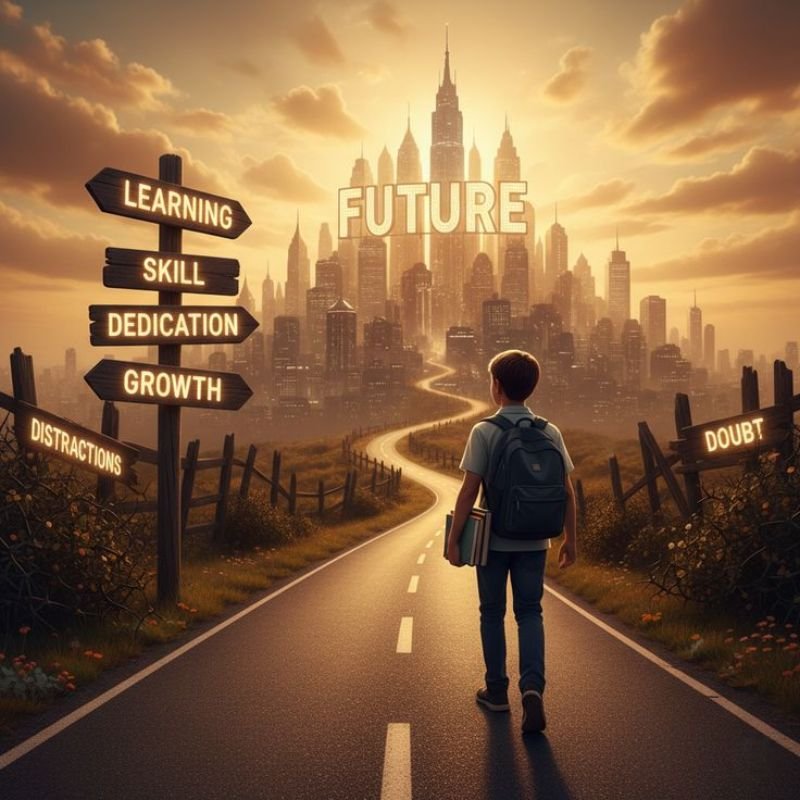
At its core, Backcasting is based on a “future back” philosophy. Instead of asking, “What will likely happen?” organizations ask, “What future do we want to create?” This shift fundamentally changes strategic thinking.
The Future Back Mindset
Traditional strategic planning often depends on historical data and trend analysis. However, Backcasting challenges organizations to envision an ideal future first. Specifically, leaders identify a long term objective and then reverse engineer the pathway required to achieve it.
For example, a manufacturing company aiming to become fully sustainable by 2040 would first define what sustainability looks like in measurable terms. Afterward, it would identify the operational, technological, and cultural shifts necessary to reach that outcome.
This mindset encourages innovation because it removes limitations imposed by current circumstances. In contrast to incremental improvement, Backcasting promotes transformational change.
Vision Driven Decision Making
Another essential principle of Backcasting is alignment. Every strategic decision must support the long term vision. Consequently, short-term actions become more purposeful and interconnected.
This approach improves organizational consistency by ensuring that departments, teams, and stakeholders move toward shared objectives. Furthermore, it reduces wasted resources on initiatives that do not contribute to the desired future state.
Flexibility and Adaptability
Although Backcasting starts with a fixed vision, the pathway itself remains adaptable. Markets evolve, technologies shift, and customer behaviors change. Therefore, organizations using Backcasting continuously reassess their strategies while keeping the ultimate vision intact.
This balance between long term direction and short term flexibility is one of the framework’s greatest strengths.
Backcasting vs. Forecasting: Key Differences

While both Backcasting and forecasting are strategic planning tools, they operate from fundamentally different perspectives. Understanding these distinctions is critical for effective implementation.
| Aspect | Backcasting | Forecasting |
| Starting Point | Begins with a desired future outcome | Begins with current trends and data |
| Primary Focus | Creating a preferred future | Predicting likely outcomes |
| Strategic Direction | Works backward from the future | Moves forward from the present |
| Innovation Potential | Encourages disruptive thinking | Often supports incremental change |
| Flexibility | Highly adaptive to changing conditions | More dependent on existing patterns |
| Risk Management | Helps avoid undesirable futures | Anticipates probable risks |
| Best Use Cases | Sustainability, transformation, innovation | Budgeting, short-term planning, market projections |
Forecasting remains valuable for operational planning and short term predictions. However, Backcasting is particularly effective when organizations face uncertainty or seek transformational change. Specifically, it enables businesses to break free from current constraints and envision possibilities beyond existing market trends.
Consequently, many modern organizations combine both approaches. Forecasting manages immediate realities, while Backcasting guides long term strategic ambition.
Step by Step Guide to Implementing Backcasting

Successfully implementing Backcasting requires structured thinking, organizational alignment, and disciplined execution. Although the process may vary across industries, several core steps remain universal.
Defining the Vision
The first and most important step in Backcasting is defining a compelling future vision. This vision must be ambitious yet realistic enough to inspire action.
Specifically, organizations should ask:
- What does success look like in 10, 20, or 30 years?
- What impact do we want to create?
- Which values should guide our future organization?
- How will customer expectations evolve?
For example, a technology company may envision becoming entirely powered by renewable energy while delivering fully AI integrated customer experiences. Meanwhile, a healthcare organization may focus on achieving universal digital accessibility for patients.
Importantly, the vision should be measurable. Vague aspirations create confusion, whereas clear objectives establish strategic clarity.
Identifying Obstacles
Once the future vision is established, the next step in Backcasting involves identifying barriers that could prevent success.
These obstacles may include:
- Outdated technologies
- Financial limitations
- Regulatory restrictions
- Skills shortages
- Cultural resistance
- Market competition
By recognizing these challenges early, Best Rooms for Rent in 2026 organizations can proactively develop solutions instead of reacting under pressure later.
Furthermore, this phase encourages realistic assessment without compromising the broader vision. Businesses can acknowledge constraints while still pursuing transformational goals.
Mapping the Path
After defining the vision and identifying obstacles, organizations must map the pathway backward from the future to the present.
This process includes:
- Establishing long term milestones
- Defining medium term strategic initiatives
- Creating short term action plans
- Assigning accountability and resources
- Measuring progress continuously
For example, if a retail company aims to achieve full digital transformation within ten years, the roadmap might include:
- Year 10: Fully automated customer ecosystem
- Year 7: Advanced AI personalization systems
- Year 5: Integrated omnichannel infrastructure
- Year 3: Workforce digital upskilling
- Year 1: Data modernization initiatives
Consequently, Backcasting transforms distant ambitions into actionable strategic steps.
Monitoring and Adjusting
Implementation does not end after planning. In fact, continuous evaluation is essential for effective Backcasting.
Organizations should regularly assess:
- Progress toward milestones
- Changes in market conditions
- Emerging technologies
- Stakeholder feedback
- Resource availability
This adaptive approach ensures that strategies remain relevant even as external conditions evolve.
Why Businesses Need a Backcasting Approach Today

Modern organizations operate in an environment characterized by uncertainty, disruption, and accelerated change. Consequently, relying exclusively on traditional forecasting methods is increasingly risky.
Driving Sustainable Growth
Sustainability has become a major strategic priority for businesses worldwide. Governments, investors, and consumers now expect organizations to address environmental and social challenges proactively.
Backcasting is particularly valuable for sustainability planning because long term environmental goals often require transformational rather than incremental change.
For example, achieving carbon neutrality cannot typically be accomplished through minor operational adjustments alone. Instead, businesses must envision a future sustainable state and work backward to redesign systems, supply chains, and technologies accordingly.
Therefore, Backcasting supports meaningful sustainability transformation while maintaining operational alignment.
Encouraging Innovation
Innovation rarely emerges from maintaining the status quo. In contrast, Backcasting encourages organizations to think beyond current limitations.
Because the framework focuses on desired outcomes instead of present constraints, it creates space for creative problem solving. Teams become more willing to explore emerging technologies, unconventional business models, and disruptive ideas.
Furthermore, this future-focused mindset reduces fear of experimentation. Organizations shift from reactive adaptation to proactive invention.
Strengthening Competitive Advantage
Markets evolve rapidly, and businesses that fail to anticipate change risk becoming obsolete. Backcasting helps organizations remain competitive by preparing for future realities before competitors do.
For instance, companies that anticipated digital transformation early gained significant advantages over slower moving rivals. Similarly, organizations investing in renewable energy today may outperform competitors facing stricter environmental regulations tomorrow.
Consequently, Backcasting enables businesses to build resilience and maintain long-term relevance.
Improving Strategic Alignment
One of the biggest challenges organizations face is fragmented decision-making. Departments often pursue disconnected priorities that dilute overall progress.
Backcasting addresses this issue by establishing a unified long term vision. Every initiative, investment, and operational decision can then be evaluated against that future objective.
As a result, organizational alignment improves significantly, increasing efficiency and reducing strategic confusion.
Enhancing Risk Preparedness
Traditional planning models often assume gradual change. However, modern disruptions from artificial intelligence to global supply chain instability can emerge suddenly and reshape industries overnight.
Backcasting prepares organizations for uncertainty by encouraging long term scenario thinking. Instead of merely reacting to change, businesses proactively design strategies capable of thriving under future conditions.
Therefore, the framework strengthens organizational resilience while reducing strategic vulnerability.
Conclusion
Backcasting is far more than a planning technique; it is a strategic mindset designed for long term success in uncertain environments. By starting with a clearly defined future vision and working backward to identify actionable steps, organizations can overcome limitations, drive innovation, and create sustainable competitive advantage. Unlike traditional forecasting, which depends heavily on existing trends, Backcasting empowers businesses to shape their own future proactively. Furthermore, it enhances organizational alignment, supports transformational change, and improves adaptability in rapidly evolving markets.
In today’s rapidly changing business landscape, companies that embrace Backcasting are far more likely to remain resilient, innovative, and future ready. Consequently, organizations can respond more effectively to disruption while maintaining clear long term objectives. Now is the time for leaders to stop merely predicting the future and start designing it. Businesses that adopt a Backcasting approach today will position themselves for stronger growth, greater innovation, and lasting strategic relevance tomorrow.
FAQs
1. What is Backcasting in strategic planning?
Backcasting is a strategic planning method that begins with defining a desired future outcome and then works backward to identify the actions necessary to achieve that future. Unlike forecasting, which predicts future outcomes based on current trends, Backcasting focuses on creating a preferred future proactively.
2. How is Backcasting different from forecasting?
The primary difference lies in direction. Forecasting projects current trends forward to estimate likely outcomes, whereas Backcasting starts with a future goal and works backward to develop a roadmap. Consequently, Backcasting is more suitable for transformational change and long term innovation.
3. Why is Backcasting important for sustainability?
Backcasting is highly effective for sustainability initiatives because environmental goals often require systemic transformation. Specifically, organizations can define a sustainable future state such as carbon neutrality and then identify the operational, technological, and cultural changes required to achieve it.
4. Can small businesses use Backcasting effectively?
Yes. Although Backcasting is commonly associated with large organizations, small businesses can also benefit significantly. In fact, smaller companies often adapt more quickly because they have fewer bureaucratic barriers. Backcasting helps small businesses clarify long term goals, prioritize investments, and remain competitive in changing markets.
5. What industries benefit most from Backcasting?
Virtually every industry can benefit from Backcasting. However, it is especially valuable in sectors experiencing rapid disruption or long term transformation, including technology, healthcare, energy, manufacturing, transportation, and retail. Additionally, organizations focused on innovation and sustainability often achieve exceptional results through Backcasting strategies.