
Floating shelves have become one of the most popular storage solutions in modern homes, and it’s easy to see why. Unlike traditional shelving units, shelving attach directly to the wall without visible brackets, creating a clean, minimalist look that works in almost any room. Homeowners love them because they combine function with style, offering a practical way to display books, plants, or decor while keeping floor space open. Whether you’re decorating a small apartment or refreshing a spacious living room, fshelving offer flexibility that traditional furniture simply can’t match.
In this guide, you’ll learn everything you need to know about shelving, from the different types and materials available to installation tips and creative styling ideas for every room in your home.
What Are Floating Shelves and Why Are They So Popular?
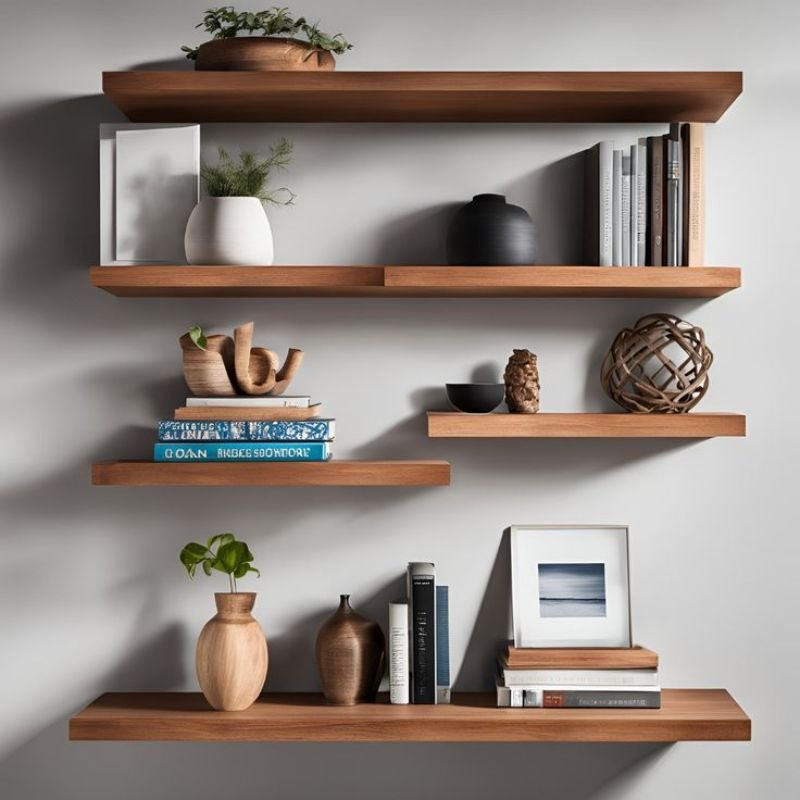
shelving are wall mounted shelves designed to appear as though they’re “floating” because their brackets or mounting hardware stay hidden inside the wall. This creates a sleek, seamless appearance that instantly elevates any space.
Homeowners choose shelving for several reasons. First, they save valuable floor space, which makes them ideal for small rooms or apartments. Second, they offer a versatile way to display personal items, from framed photos to potted plants. Additionally, shelving work well in nearly every design style, whether your home leans modern, farmhouse, or industrial.
Because of their clean lines and adaptability, shelving have become a go-to choice for interior designers and DIY enthusiasts alike.
Popular Types and Styles of Floating Shelves
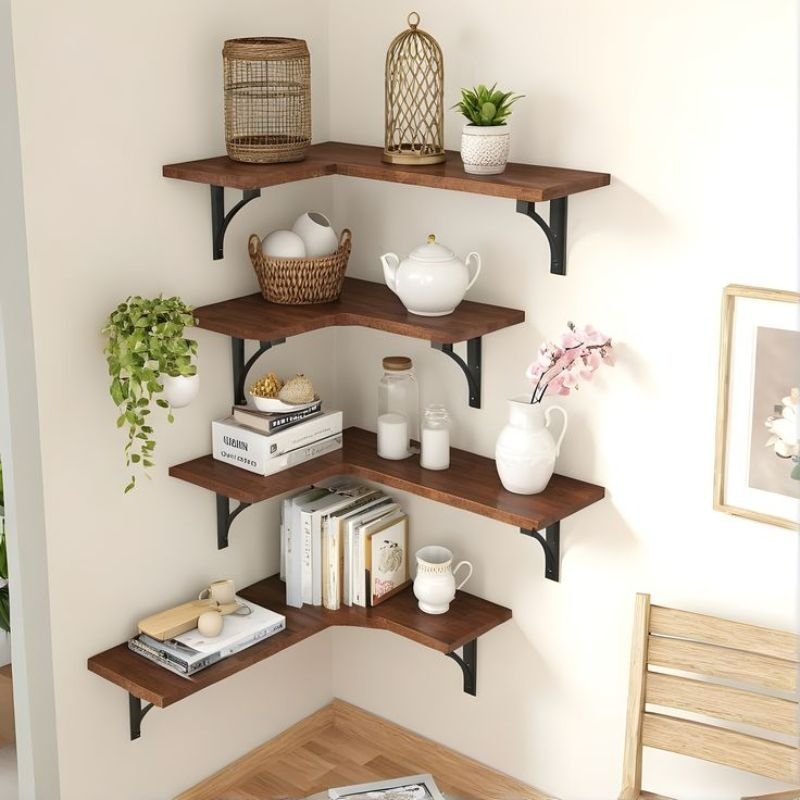
Choosing the right style of shelving depends on your room’s overall aesthetic. Here are some of the most common options: If you’re looking for more inspiration, explore our Home Decor Ideas to find styles that match every room and interior theme.
Minimalist Floating Shelves
These shelves feature simple, clean lines with no visible hardware. They suit modern and Scandinavian inspired interiors perfectly.
Rustic Floating Shelves
Made from reclaimed wood or distressed materials, rustic shelving add warmth and character to farmhouse or cottage style homes.
Industrial Floating Shelves
Combining metal brackets with wood or metal shelving, industrial shelving suit lofts and contemporary spaces that embrace an urban edge.
Corner Floating Shelves
Designed specifically for corners, these shelves maximize awkward or unused spaces while adding functional storage.
Each style brings its own personality to a room, so consider your existing décor before making a final choice.
Best Materials for Floating Shelves
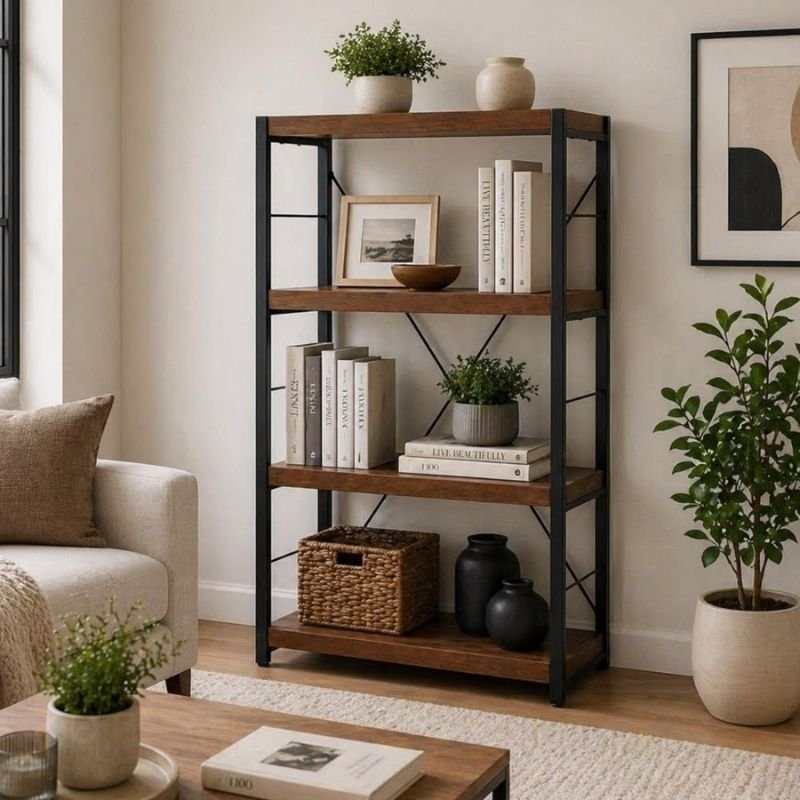
The material you choose affects both the durability and appearance of your shelving. Solid wood remains a favorite because it offers strength and a timeless look that suits almost any interior. Meanwhile, engineered wood provides a more budget-friendly alternative without sacrificing style.
For a more industrial or modern feel, metal shelving deliver a sturdy, sleek finish. Glass shelving, on the other hand, create a light, airy look that works beautifully in bathrooms or small spaces where you want to avoid visual clutter.
Since each material offers different weight capacities, always check the manufacturer’s guidelines before loading your shelves with heavy items.
How to Choose the Right Floating Shelves for Your Space
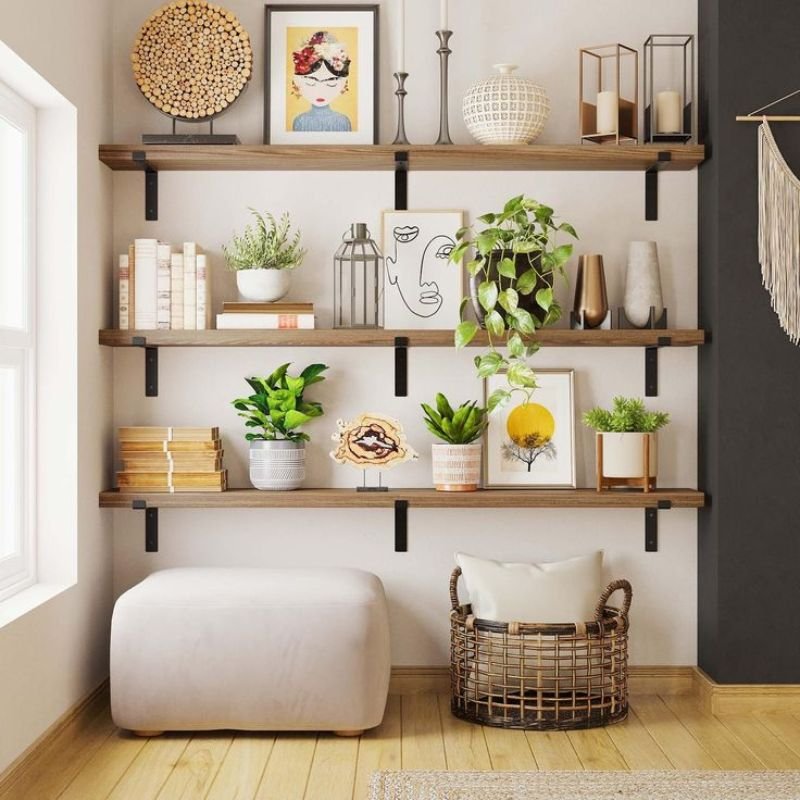
Selecting the perfect shelving involves more than just picking a style you like. First, consider the weight of the items you plan to display, since heavier decor requires sturdier materials and proper wall anchors. Next, measure your available wall space carefully to ensure the shelves fit proportionally within the room.
Additionally, think about the room’s existing color palette and furniture style. For instance, a rustic wood shelf might clash in a strictly modern space, while a sleek metal shelf could feel out of place in a cozy, traditional room.
Finally, always check weight limits and mounting requirements before purchasing, especially if you plan to display books or heavier decorative pieces.
Installation Tips for Floating Shelves
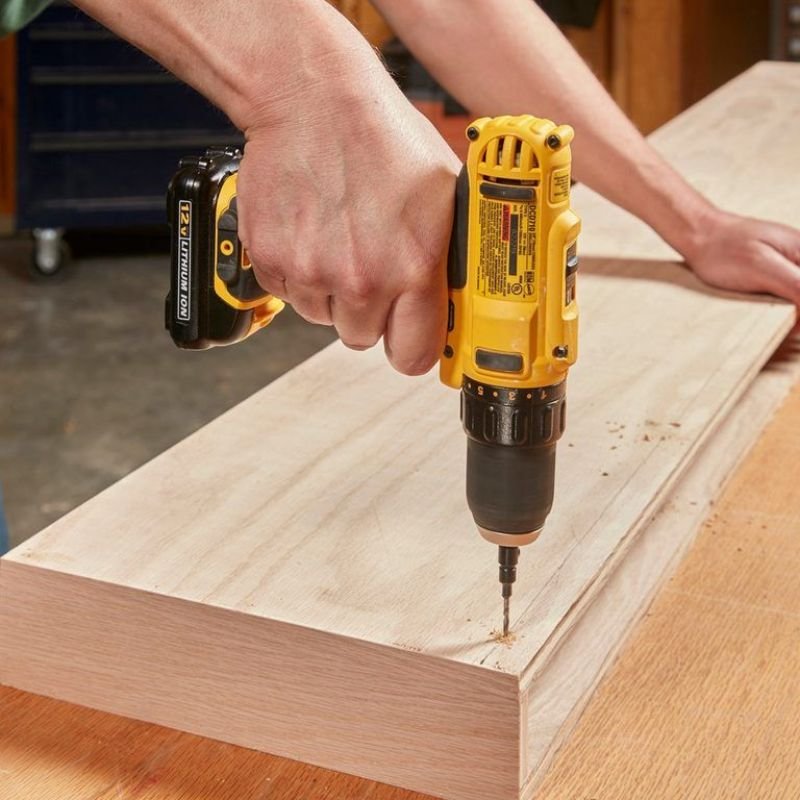
Installing shelving correctly is essential for both safety and appearance. Begin by locating wall studs using a stud finder, since mounting directly into studs provides the strongest support. If studs aren’t available in your desired location, use appropriate wall anchors rated for your shelf’s weight capacity.
Next, use a level to ensure your shelves sit perfectly straight, as even a slightly crooked shelf can throw off the entire room’s aesthetic. Moreover, double check spacing between multiple shelves to maintain a balanced, cohesive look.
If you’re unsure about DIY installation, hiring a professional ensures the shelves are mounted safely and securely, particularly for heavier loads.
Creative Styling and Decorating Ideas
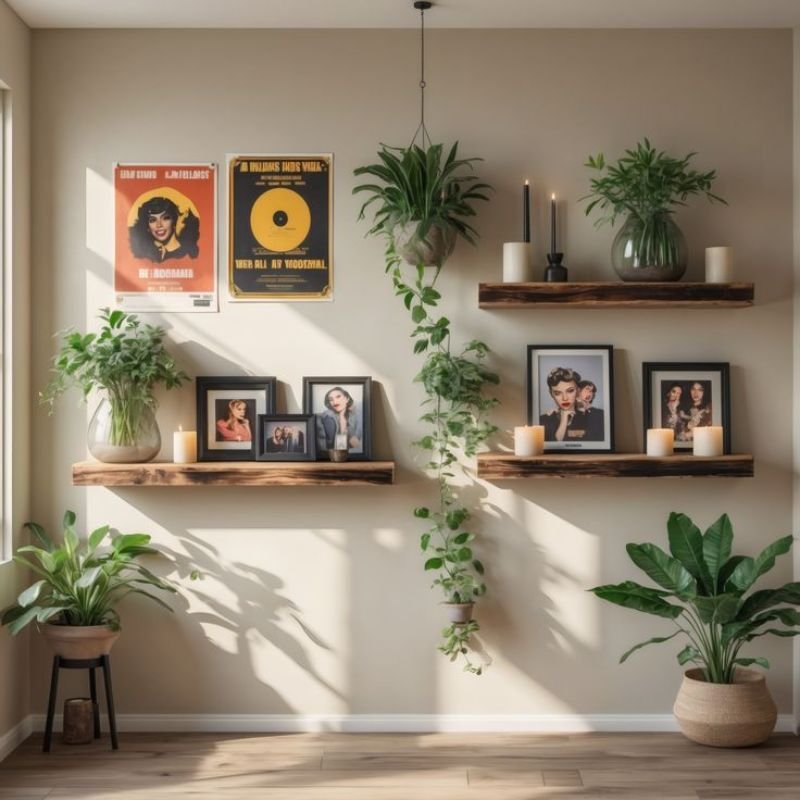
Styling floating shelves creatively can transform them into a stunning focal point. Start by mixing different heights and textures, such as pairing tall vases with low, wide bowls. Furthermore, incorporating plants adds a natural, refreshing touch to any shelf display.
Books can also serve as both functional and decorative elements. Stack some horizontally and stand others upright to create visual interest. Additionally, layering framed art or photos against the wall behind your shelf items adds depth and personality.
For a cohesive look, stick to a consistent color scheme across your displayed items, while allowing a few contrasting pieces to stand out as accents.
Room Specific Floating Shelf Ideas
Living Room
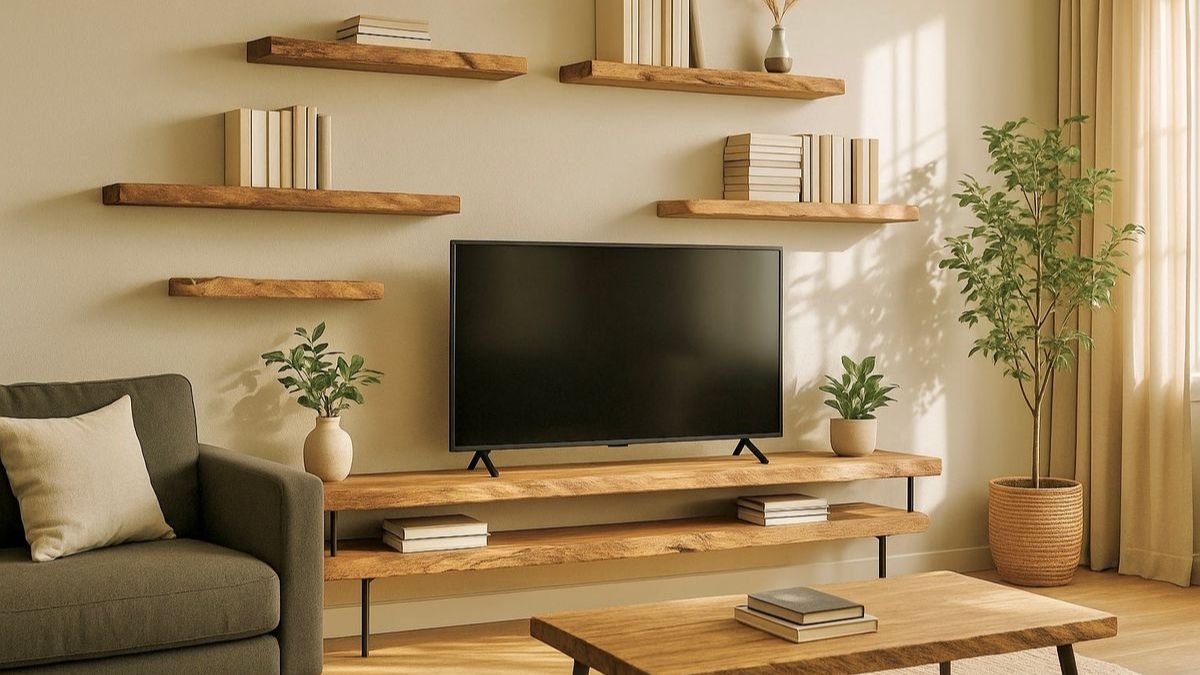
In the living room, floating shelves work beautifully for displaying books, art, and personal mementos. If you’re planning a complete makeover, explore our living room decor guide for more styling inspiration. Consider placing them above a sofa or media console to create a stylish focal point.
Bedroom
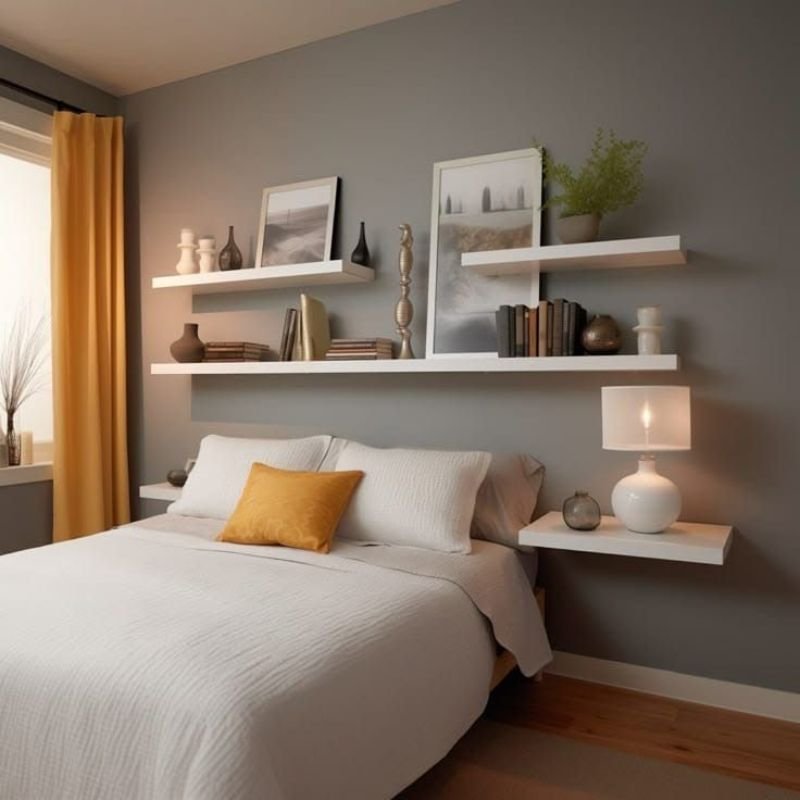
Bedroom floating shelves make excellent alternatives to bulky nightstands. Use them to hold a lamp, alarm clock, and a few personal items within easy reach.
Kitchen
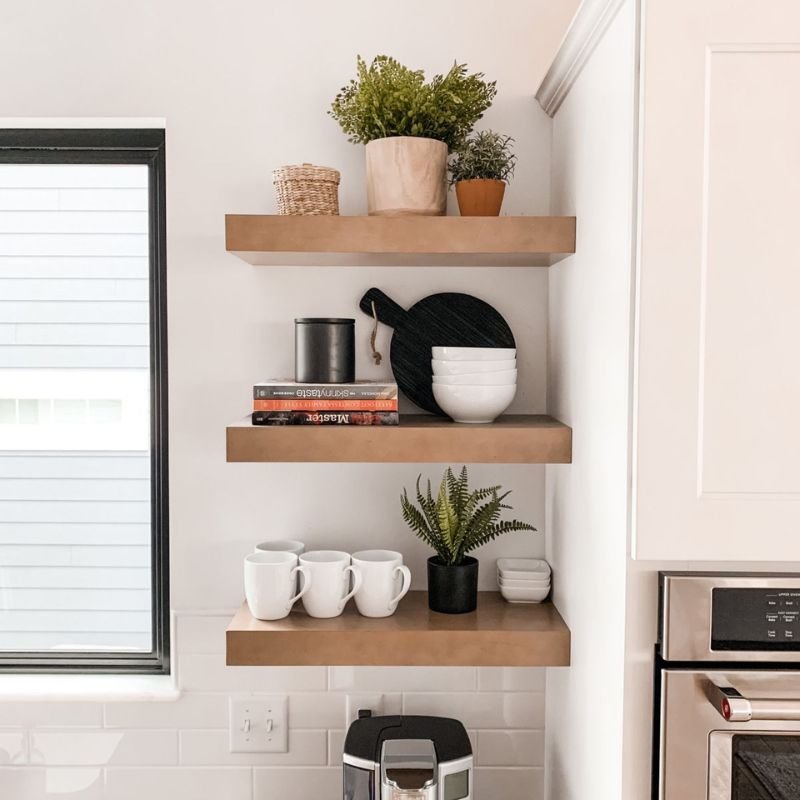
In the kitchen, shelving offer an open, airy way to display dishes, glassware, or cookbooks. However, keep frequently used items within easy reach for practicality.
Bathroom
Bathroom floating shelves provide extra storage for towels, toiletries, and decorative accents. Choose moisture-resistant materials like treated wood or metal for long-lasting durability.
Conclusion
Floating shelves offer a simple yet impactful way to enhance both the function and style of any room. From choosing the right material to finding the perfect placement, these versatile shelves adapt easily to your personal taste and practical needs. Whether you’re aiming for a minimalist living room or a cozy, rustic bedroom, floating shelves provide the flexibility to bring your vision to life. Start planning your space today, and discover how floating shelves can elevate your home’s storage and style effortlessly.
FAQs
1. Are floating shelves strong enough to hold heavy books?
Yes, floating shelves can hold heavy books as long as they’re mounted into wall studs or secured with heavy duty anchors rated for the load.
2. Can I install floating shelves without drilling into studs?
You can use wall anchors rated for your shelf’s weight, though mounting into studs always provides the strongest support.
3. What is the standard height to hang floating shelves?
Most shelving are hung between 12 and 18 inches above furniture like sofas or beds for a balanced look.
4. Do floating shelves work in small apartments?
shelving work exceptionally well in small apartments because they save floor space while adding stylish storage.
5. What materials are best for bathroom floating shelves?
Moisture resistant materials like treated wood, metal, or glass work best for bathroom floating shelves.