
Living room cabinets are one of the smartest investments you can make for your home. They keep your space organized, reduce clutter, and add a beautiful design element that ties the whole room together. Whether you want a sleek modern look or a warm traditional feel, the right cabinet makes all the difference. So, if you’re ready to upgrade your living room, this guide covers everything you need to know about choosing, styling, and making the most of your cabinets.
A well chosen cabinet doesn’t just store your belongings it tells a story about your personal style. Moreover, today’s cabinet designs come in so many shapes, sizes, and finishes that you can easily find one that fits your space perfectly Living Room Decor Ideas . However, with so many options available, picking the right one can feel overwhelming. That’s exactly why this guide breaks it all down into simple, actionable steps.
Types of Living Room Cabinets You Should Know
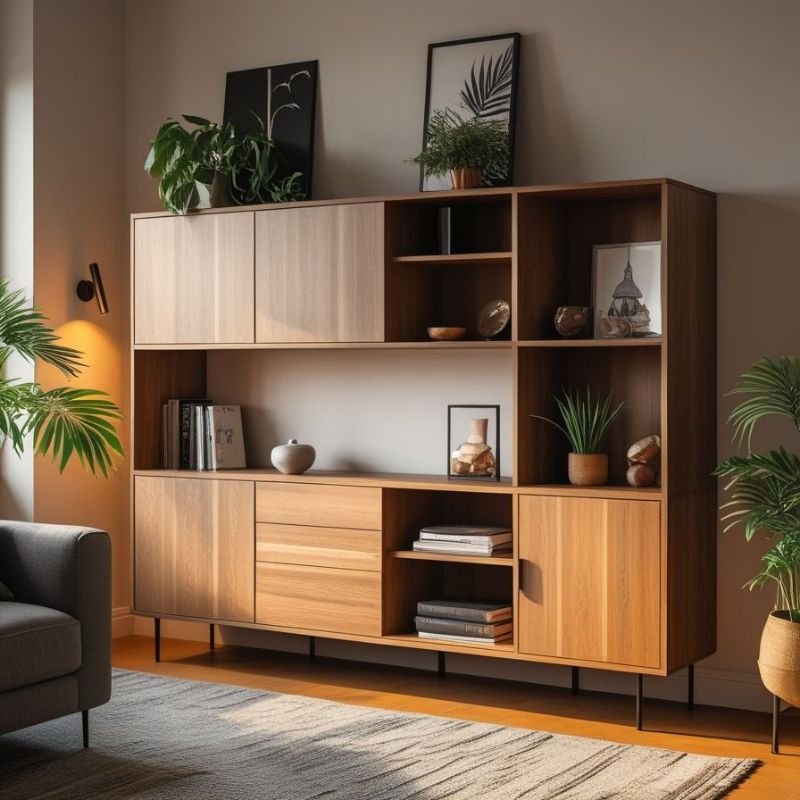
First, let’s explore the main types of living room cabinets available on the market. Each type serves a different purpose, so understanding them helps you make the best choice for your home.
Built in Living Room Cabinets
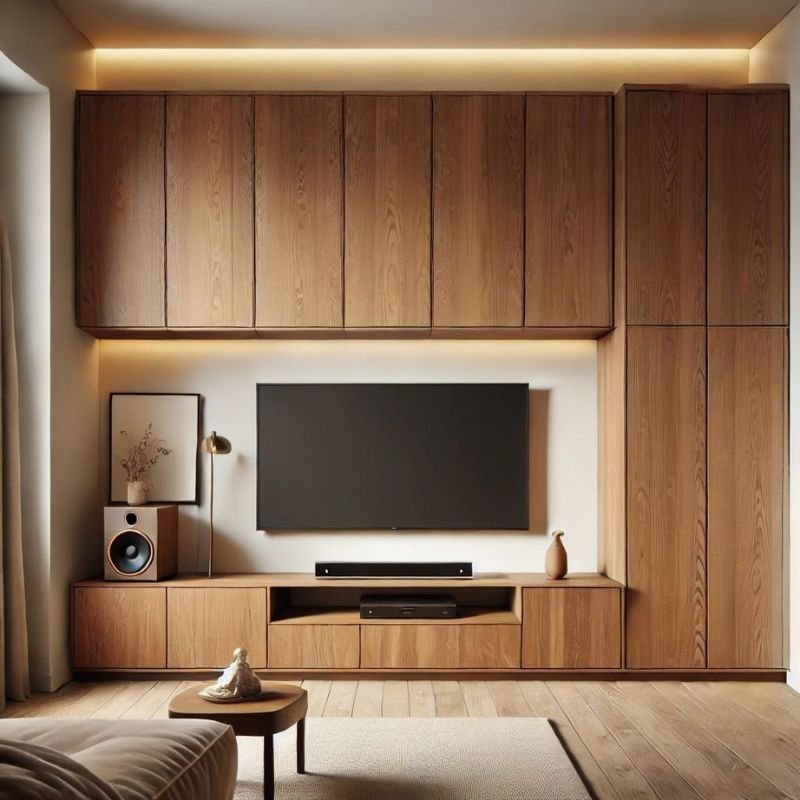
Built in cabinets attach directly to your wall and create a seamless, custom look. They maximize every inch of available wall space. As a result, they work exceptionally well in smaller living rooms where floor space is limited. In addition, built ins increase your home’s value because buyers love the polished, integrated appearance.
Freestanding Living Room Cabinets
Freestanding cabinets offer the most flexibility because you can move them whenever you want. They come in a wide range of styles, from tall bookcases to low media consoles. Furthermore, freestanding units don’t require any installation, making them a practical choice for renters. You can simply place one against any wall and instantly gain extra storage.
Floating Living Room Cabinets
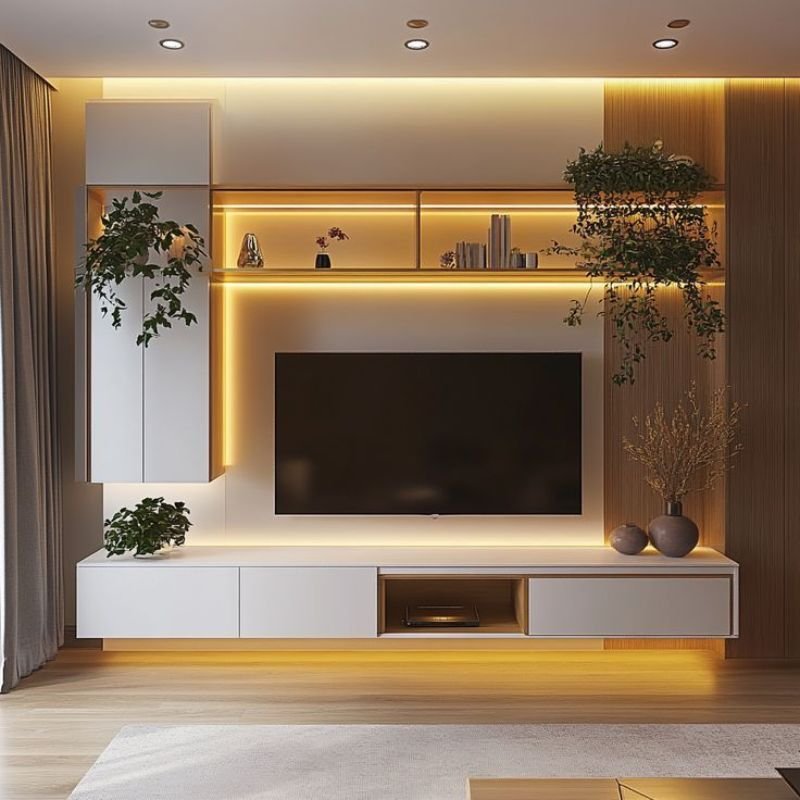
Floating cabinets mount directly on the wall without touching the floor. Consequently, they create a light, airy feel that makes your room look bigger and more modern. They’re especially popular in minimalist and Scandinavian style interiors. Moreover, they keep your floor visible, which visually opens up even a compact living room.
Living Room Media Cabinets
Media cabinets specifically hold your TV, entertainment equipment, and related accessories. They typically feature cable management holes, open shelving for devices, and closed compartments for hiding clutter. Therefore, if your living room doubles as an entertainment zone, a media cabinet keeps everything neat and accessible.
Best Materials and Finishes for Living Room Cabinets
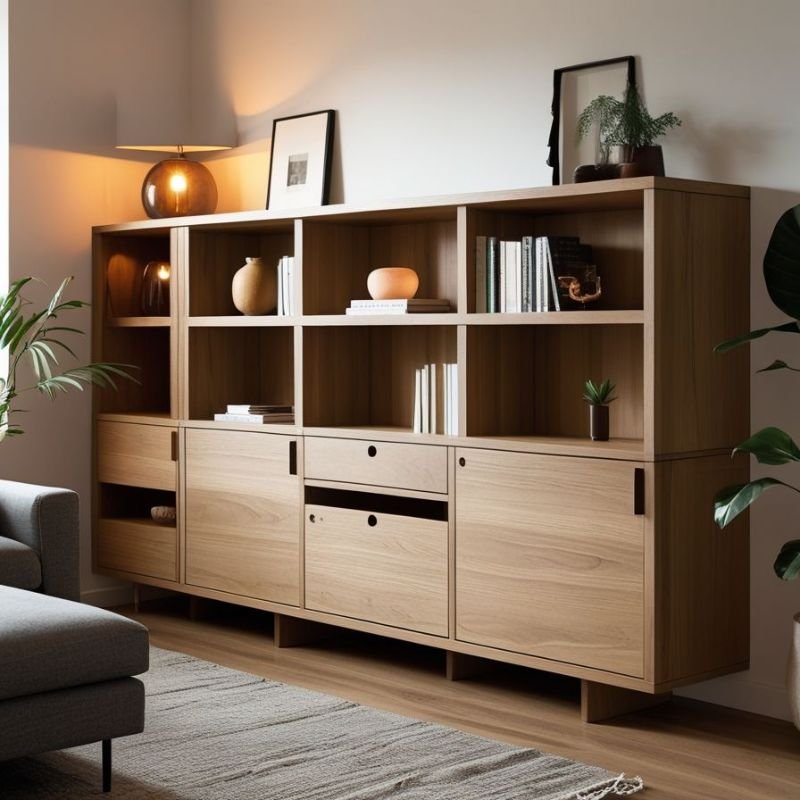
Next, consider the materials and finishes, because they directly affect how your cabinet looks and how long it lasts.
Solid Wood
Solid wood cabinets deliver unmatched durability and a rich, natural aesthetic. Oak, walnut, and pine are among the most popular choices. However, solid wood does cost more than other materials, so it suits buyers looking for a long term investment. In addition, you can refinish solid wood cabinets years later to refresh their look.
MDF (Medium Density Fiberboard)
MDF offers a smooth, paint ready surface that many homeowners love. It resists warping better than solid wood in humid conditions. Furthermore, MDF cabinets usually cost less, making them an excellent budget friendly option. They work perfectly when you want a clean, modern finish with a painted look.
Glass Front Cabinets
Glass front cabinets add elegance and let you display your favorite items without hiding them. They visually lighten the cabinet’s appearance and keep your living room feeling open. Moreover, glass doors work beautifully with decorative items like books, vases, and collectibles. However, glass does require more frequent cleaning to keep it looking pristine.
Laminate and Veneer Finishes
Laminate and veneer finishes give you the look of real wood at a fraction of the cost. They resist scratches and stains better than many natural materials. As a result, they’re an ideal choice for busy households with kids or pets. In addition, laminate comes in dozens of colors and patterns, so you’ll find one that matches your décor.
How to Choose the Right Living Room Cabinet Size and Style
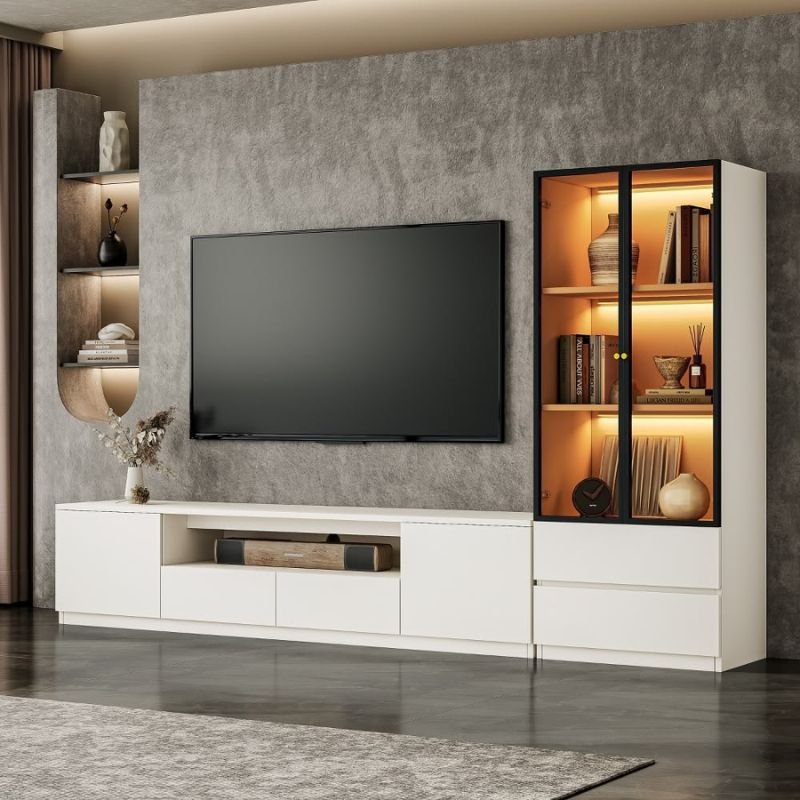
Choosing the right size is just as important as choosing the right style. Therefore, always measure your wall space and ceiling height before you shop.
Measure First, Buy Second
Start by measuring the wall where you plan to place the cabinet. Consider how much floor space you can spare and how tall you want the unit to go. In addition, leave enough clearance around the cabinet so the room still feels comfortable and easy to move through. A cabinet that’s too large will overpower your space, while one that’s too small will look out of place.
Match the Cabinet Style to Your Interior
Modern interiors look best with sleek, handle free cabinets in neutral colors like white, grey, or matte black. Traditional rooms pair beautifully with carved wood cabinets in warm browns and rich cherry tones. Furthermore, transitional styles blend both looks and give you more flexibility if your décor sits somewhere in between. Always choose a finish that complements your existing furniture and flooring. and living room curtains to create a cohesive design.
Consider Your Storage Needs
Think carefully about what you plan to store before you choose a cabinet. For example, if you need to hide bulky electronics and cables, a media cabinet with closed doors works best. However, if you want to display books and decorative pieces, an open shelf or glass front unit makes more sense. Matching the cabinet’s function to your actual needs prevents buyer’s regret.
Styling Tips for Living Room Cabinets
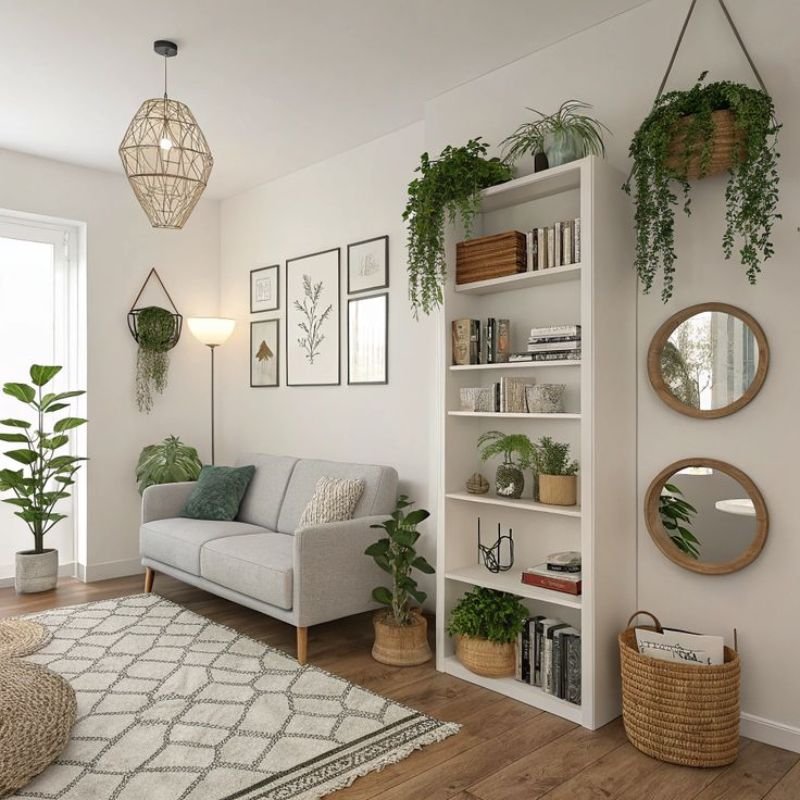
Once you pick your cabinet, styling it properly along with the right living room rugs takes your living room from ordinary to stunning. Here are some practical tips to help you get the best results.
Layer Different Heights
Arrange items on your cabinet at different heights to create visual interest. For example, place a tall vase next to a stack of books and a small potted plant. Moreover, mixing textures like woven baskets, ceramic pieces, and metal accents adds depth and personality to your display.
Use the 60-30-10 Color Rule
Apply the classic 60-30-10 rule when styling your cabinet. Use your dominant room color for 60% of the display, a secondary color for 30%, and an accent color for the remaining 10%. Consequently, your cabinet will look intentional and cohesive rather than cluttered or random.
Keep Closed Storage Organized
Inside the closed sections, use bins, baskets, and drawer organizers to keep everything in its place. Label bins so every family member knows where things belong. In addition, declutter the cabinet’s interior regularly so it stays functional and easy to use. A disorganized cabinet interior defeats the whole purpose of adding storage to your living room.
Add Lighting
LED strip lights or small puck lights inside or above your cabinet make a dramatic difference. They highlight your displayed items and give your living room a warm, cozy glow in the evenings. Furthermore, lighting draws the eye to your cabinet and makes it a true focal point in the room.
Budget Friendly vs. High End Living Room Cabinet Options
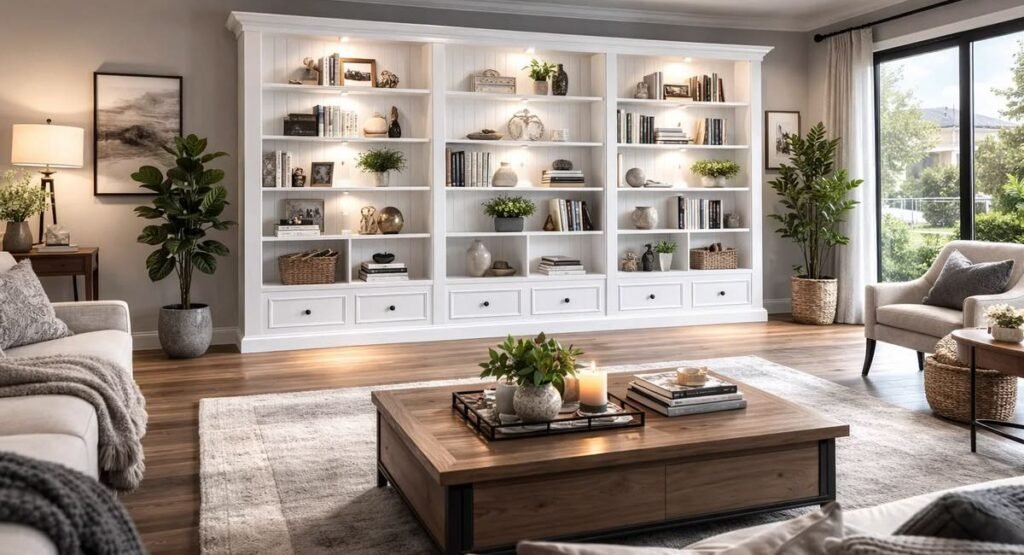
Your budget plays a big role in which cabinet you choose, but great options exist at every price point.
Budget Friendly Picks (Under $300)
At this price range, you’ll find plenty of MDF and laminate freestanding cabinets that look great and hold up well. Brands like IKEA, Wayfair, and Amazon Basics offer reliable options with clean designs. Moreover, flat pack furniture in this range is easy to assemble and ships quickly. However, look for units with adjustable shelves so you can customize the interior to your needs.
Mid Range Options ($300–$800)
Mid range cabinets often combine solid wood frames with MDF panels for the best of both worlds. At this level, you get better hardware, smoother drawer glides, and more durable finishes. Furthermore, mid range units often feature more sophisticated designs that look more custom than budget picks. Therefore, if you want quality without breaking the bank, this is the sweet spot.
High End Investment Pieces ($800 and Above)
High end living room cabinets use premium solid wood, custom joinery, and top tier hardware. They last for decades and often become statement pieces that define a room’s character. In addition, many high end cabinet makers offer customization options so you can specify exact dimensions, finishes, and internal configurations. However, if you invest at this level, treat the cabinet as a long term piece you won’t replace for many years.
Conclusion
Living room cabinets do far more than just store your belongings they define your space, showcase your style, and keep your home running smoothly. Throughout this guide, you’ve explored the main cabinet types, the best materials, how to choose the right size, practical styling tips, and options across every budget. Moreover, you now know exactly how to match your cabinet to your lifestyle and your interior design. With so many options available, finding the perfect fit for your living room has never been easier.
So, take your time, measure your space carefully, and choose living room cabinets that genuinely reflect who you are. Whether you go for sleek built ins, a charming freestanding unit, or an eye catching floating shelf, the right cabinet will transform your living room into a space you love every single day. Start browsing today and take the first step toward a more organized, more beautiful home.
FAQs
What are the most popular types of living room cabinets?
Built in cabinets, freestanding units, floating wall cabinets, and media cabinets are the most popular living room cabinet styles homeowners choose today.
How do I choose the right size living room cabinet for my space?
You should always measure your available wall space and ceiling height before buying a living room cabinet to ensure it fits comfortably without overwhelming the room.
What material works best for living room cabinets?
Solid wood offers the best durability and long term value, while MDF and laminate provide budget-friendly alternatives that still look great in any living room.
Can I use living room cabinets in a small space?
Yes, floating wall cabinets and slim freestanding units work perfectly in small living rooms because they maximize storage without taking up valuable floor space.
How do I style living room cabinets to look attractive?
You can style your living room cabinets by layering items at different heights, mixing textures, applying the 60-30-10 color rule, and adding small LED lights for a warm, polished finish.