
Planning a home whether you are building from scratch or redesigning an existing space begins with the bedroom. The size bedrooms offer directly determines how comfortable,2 bedroom apartments functional, and livable your home feels. A room that is too cramped makes daily routines frustrating. A room that is far too large for its furnishings feels cold and empty. Getting these dimensions right is one of the most important decisions in residential design.
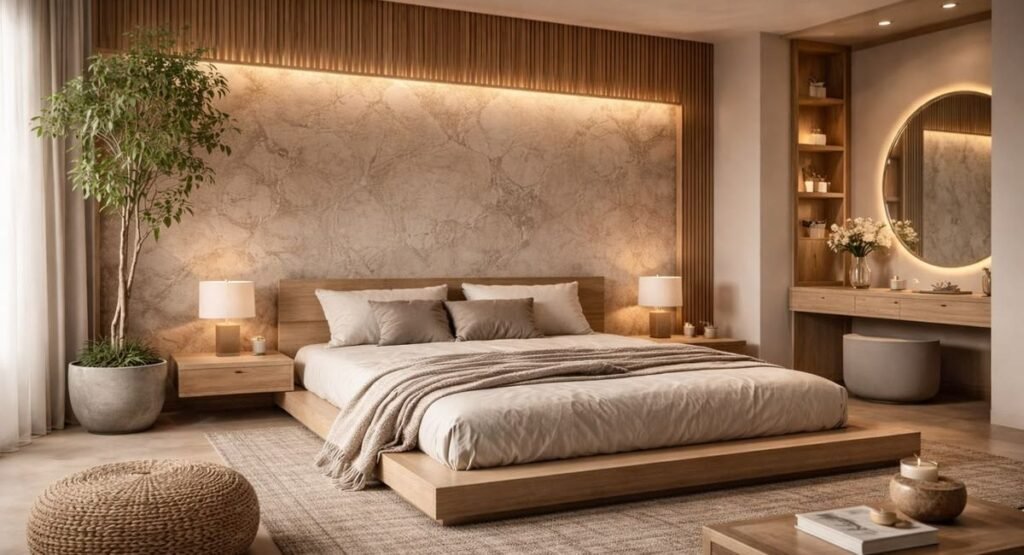
In this guide, we walk through everything you need to know: standard measurements, master suite planning, guest and kids’ rooms, and practical tips for making any room feel more spacious.
Why Choosing the Right Size Bedrooms Matters for Comfort
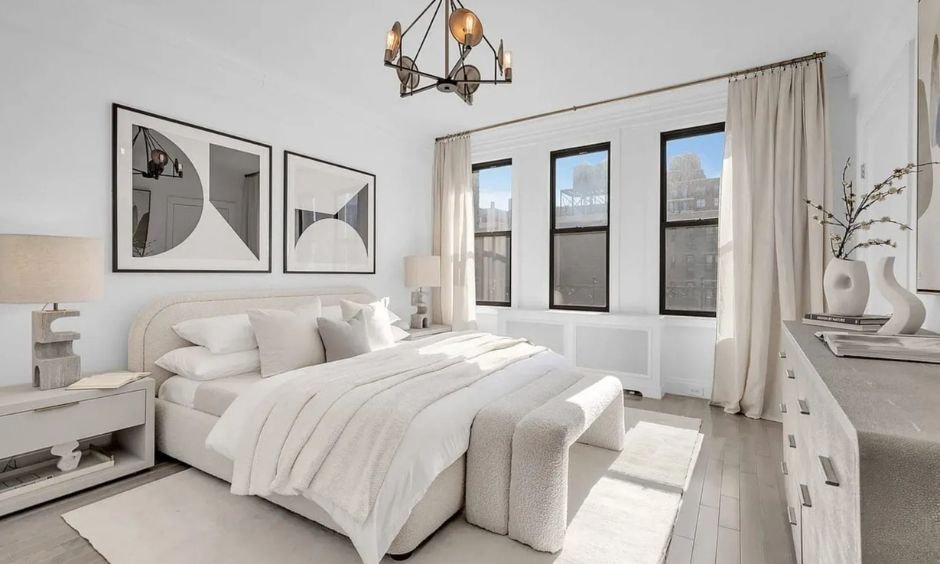
A bedroom is not just a place to sleep. It is where you begin and end every single day. The size bedrooms provide must support movement, furniture placement, natural light, and ventilation all at once.
Here is why getting the dimensions right matters so much:
- Circulation space: You need at least 24–36 inches around the bed for comfortable movement.
- Furniture fit: A standard queen bed is 60 x 80 inches. Factor in nightstands, dressers, and wardrobes.
- Air quality and ventilation: Smaller rooms trap heat and humidity faster, especially in warmer climates.
- Mental well being: Spatial comfort directly affects sleep quality and stress levels.
- Resale value: Homes with appropriately sized bedrooms consistently attract higher buyer interest.
A room that feels right is not an accident. It is the result of deliberate planning rooted in standard measurements and personal lifestyle needs.
Average Dimensions for Modern Size Bedrooms
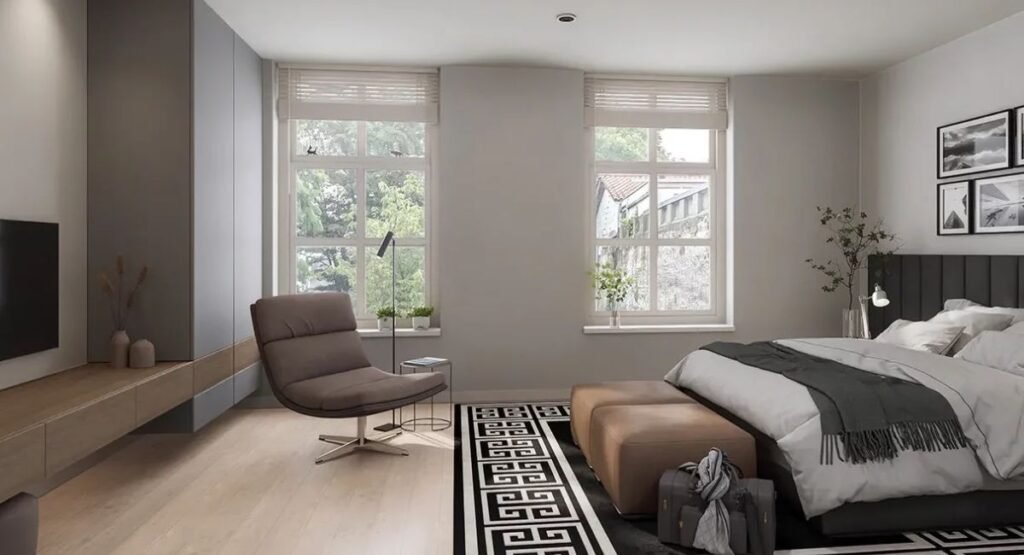
Bedroom dimensions vary widely depending on the home’s total square footage, the country’s building codes, and the occupant’s lifestyle. That said, industry professionals follow a set of accepted standard ranges that work well across most residential projects.
The table below summarizes the most commonly used bedroom dimensions:
| Bedroom Type | Width | Length | Total Area |
| Small Bedroom | 8 ft (2.4 m) | 10 ft (3 m) | 80 sq ft (7.4 m²) |
| Standard Bedroom | 10 ft (3 m) | 12 ft (3.7 m) | 120 sq ft (11.1 m²) |
| Medium Bedroom | 11 ft (3.4 m) | 13 ft (3.9 m) | 143 sq ft (13.3 m²) |
| Master Bedroom | 14 ft (4.3 m) | 16 ft (4.9 m) | 224 sq ft (20.8 m²) |
| Large Master Suite | 16 ft (4.9 m) | 20 ft (6.1 m) | 320 sq ft (29.7 m²) |
| Custom / Luxury Suite | 20+ ft (6.1+ m) | 24+ ft (7.3+ m) | 480+ sq ft (44.6+ m²) |
Important note: These are interior measurements wall to wall and do not include closets or attached bathrooms. Always account for structural walls and door swing space when planning layouts.
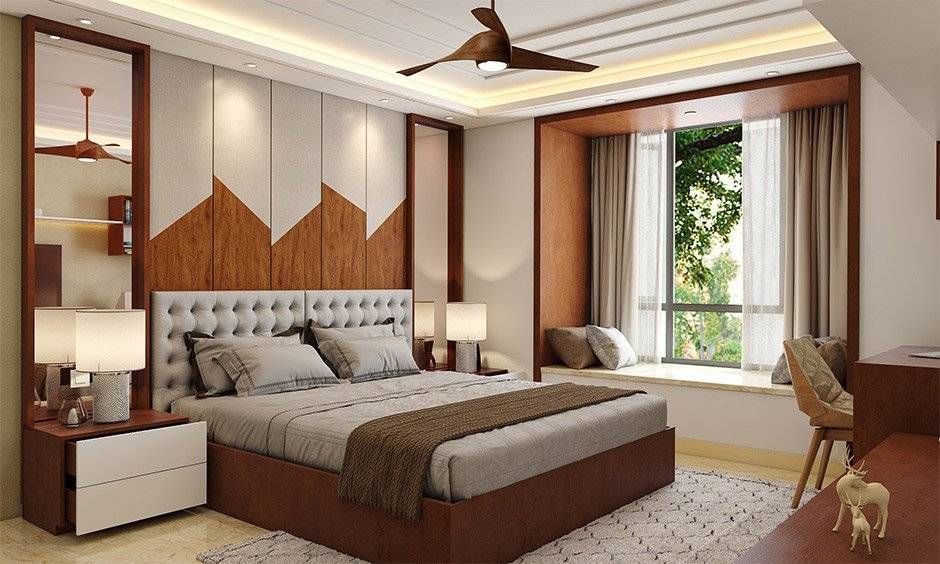
A small bedroom at 80 square feet can function well for a single occupant with a twin bed and minimal furniture. A 120 square foot standard room comfortably fits a full or queen bed with basic furniture. Once you move into medium and master ranges, the possibilities expand significantly.
Determining the Ideal Size Bedrooms for Master Suites
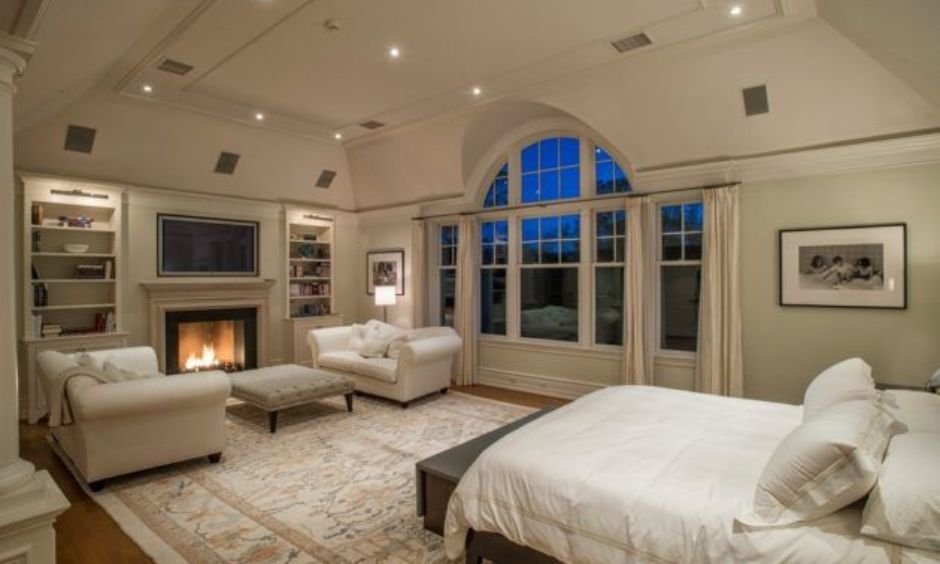
The master bedroom is the centerpiece of any primary living space. It needs to do more than fit a king sized bed it should accommodate a seating area, a large wardrobe, possibly a walk in closet, and often an attached in suite bathroom.
For a comfortable master suite, most interior designers recommend a minimum of 200 square feet of bedroom floor area separate from any closet or bathroom square footage. Here is a breakdown of what different master bedroom sizes can realistically accommodate:
- 200–224 sq ft: King bed, two nightstands, a dresser, and a small reading chair.
- 250–300 sq ft: King bed, seating nook, vanity area, and walk-in closet access.
- 320+ sq ft: Full suite feel with separate sitting area, double wardrobes, and generous circulation.
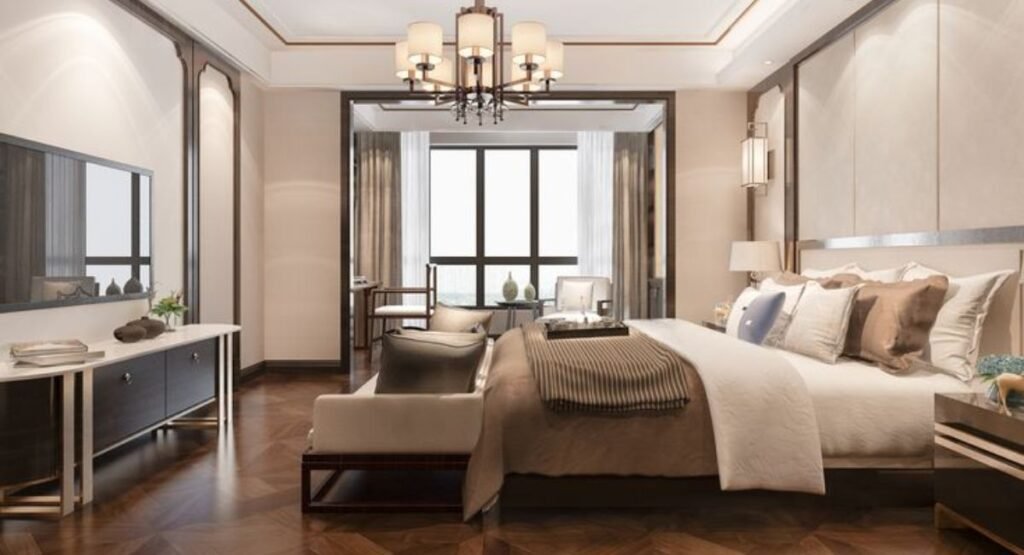
When planning the size bedrooms for a master suite, always place the bed on the longest wall with natural light from a side or rear window. This protects privacy while maximizing the feeling of space.
Guest Room and Kids’ Bedroom Requirements
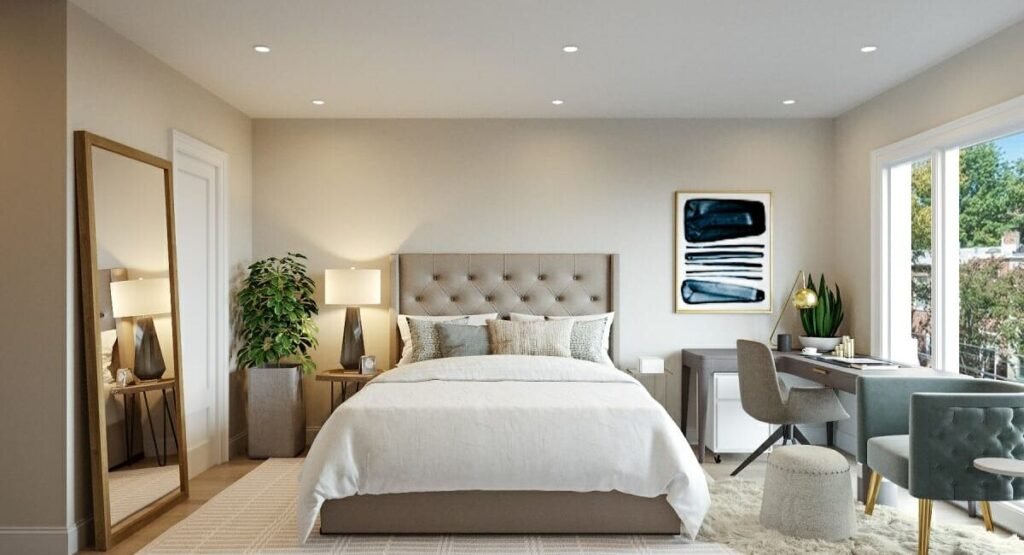
Guest rooms do not need the same square footage as a master suite but they still need to feel welcoming. A room of 120–140 square feet handles a queen bed comfortably with space for a small wardrobe and bedside table.
Kids’ bedrooms require special consideration. 2 bedroom apartments layout ideas Children need floor space to play, study, and grow. Here is what works best at different stages:
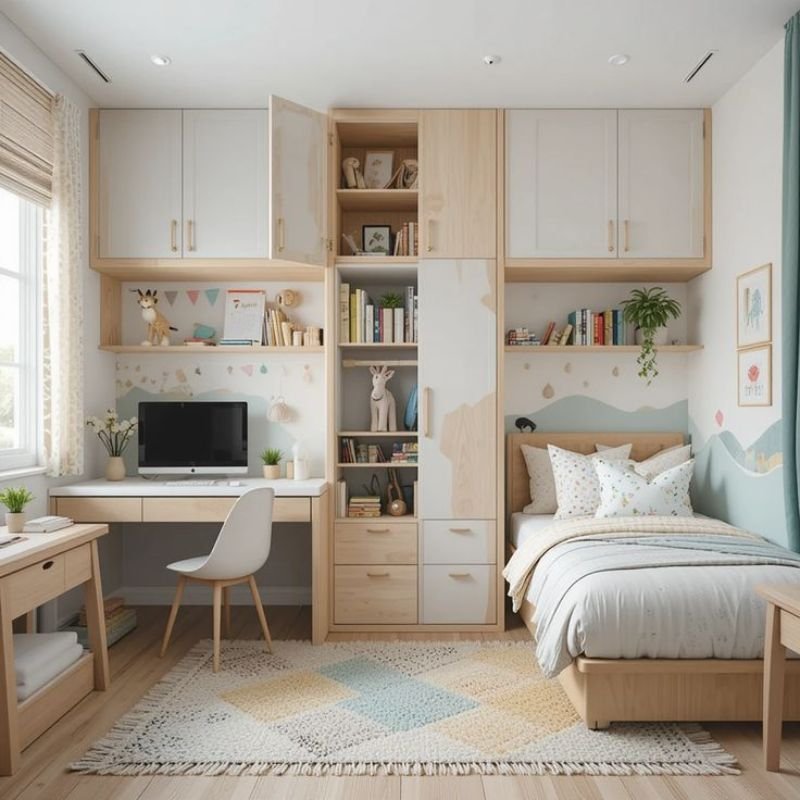
- Toddler and young child (ages 2–7): 100–120 sq ft. Room for a single bed, toy storage, and open floor space.
- School age child (ages 8–12): 120–150 sq ft. Fits a single or full bed, desk, and shelving.
- Teenager (ages 13–18): 150–180 sq ft. Accommodates a full or queen bed, study area, and wardrobe.
For shared kids’ rooms, add at least 60–80 square feet per additional occupant. Bunk beds help conserve floor space while keeping each child’s personal area intact.
Tips for Maximizing Space in Smaller Bedrooms
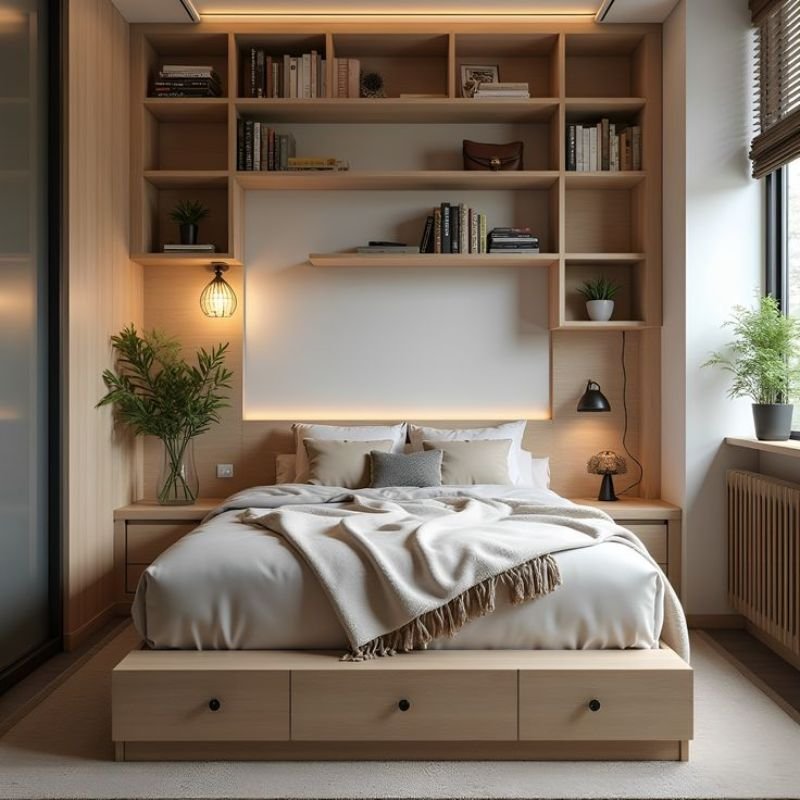
Not every home offers generous square footage. A small bedroom even one under 100 square feet can still function beautifully with the right approach.
- Choose a platform bed with built in storage: Drawers beneath the mattress eliminate the need for a separate dresser.
- Use vertical wall space: Floor to ceiling shelving draws the eye upward and creates storage without using floor area.
- Opt for mirrored or glass furniture: These visually expand the room by reflecting light and maintaining sightlines.
- Stick to a light color palette: Soft whites, warm creams, and pale greys make walls feel further apart.
- Use multi functional furniture: A Murphy bed, a daybed with a trundle, or an ottoman with storage all reduce clutter.
- Eliminate unnecessary furniture: Every piece that does not serve a purpose takes away valuable circulation space.
FAQs
Q1. What is the minimum legal bedroom size?
A bedroom must be at least 70 sq ft with 7 ft width, plus a window and proper ventilation.
Q2. What is the standard master bedroom size?
A master bedroom typically ranges from 200–320 sq ft, with 14×16 ft as a common size.
Q3. How much space is needed around a bed?
At least 24 inches on sides and 36 inches at the foot for comfortable movement.
Q4. Can a 10×10 room fit a queen bed?
Yes, but space is tight; a full bed is more comfortable in a 10×10 room.
Q5. How do bedroom dimensions affect furniture placement?
Room size controls layout, movement space, and where furniture and light can be placed.
Conclusion
The right bedroom size is not a luxury it is the foundation of a functional, restful home. Whether you are designing a compact city apartment or a sprawling family residence, understanding standard dimensions gives you the confidence to make decisions that will serve you well for years. Every square foot counts when it is planned with purpose.
Take time to measure twice, plan carefully, and always let your lifestyle guide the layout. A bedroom that fits your life perfectly will always feel larger than its dimensions suggest and that is the real goal of thoughtful residential design.