
Most people run their lives with zero margin. One missed paycheck, one bad week at work, or one surprise car repair and everything falls apart. In the Rooms Your Complete Guide That gap you need to survive the unexpected? That is wiggle room.
You have probably heard the phrase before. Maybe your boss said there is no wiggle room on a deadline. Perhaps your landlord told you the rent leaves no wiggle room in your budget. However, wiggle room is more than a catchy phrase. It is a practical principle that helps you stay flexible, calm, and in control no matter what life throws at you.
In this article, you will learn exactly what wiggle room means, where you need it most, and how to create it starting today. The good news is that small changes make a big difference.
What Does “Wiggle Room” Actually Mean?

The term wiggle room refers to extra space, time, or resources that give you flexibility. Think of it as a buffer zone. When you have it, you can adjust, adapt, and breathe. When you do not have it, every small problem becomes a crisis.
For example, imagine you leave home at 8:55 for a 9:00 meeting. You have no wiggle room. One red light, and you are late. Now imagine leaving at 8:40. That extra 20 minutes is your wiggle room. You arrive relaxed, prepared, and confident.
Furthermore, this concept applies to almost every area of your life. You need wiggle room in your budget, your schedule, your relationships, and your career. Without it, life feels like you are always one step away from disaster.
Why Most People Have No Wggle Room

Here is a hard truth: most people deliberately eliminate their own flexibility. They overspend, overcommit, and overestimate what they can handle. As a result, they leave no room for error.
Consider the average household budget. Many families spend close to 100% of their income every month. Therefore, when an unexpected expense appears a broken appliance, a medical bill, a parking ticket there is nothing left to cover it. The credit card comes out, and the debt grows.
The same thing happens with time. You fill every hour of your calendar. Then one meeting runs long, and your entire day collapses like dominoes. In addition, the psychological stress of having no margin is enormous. Studies on financial stress consistently show that people with no savings buffer report significantly higher anxiety and lower productivity.
Creating Wiggle Room in Your Finances
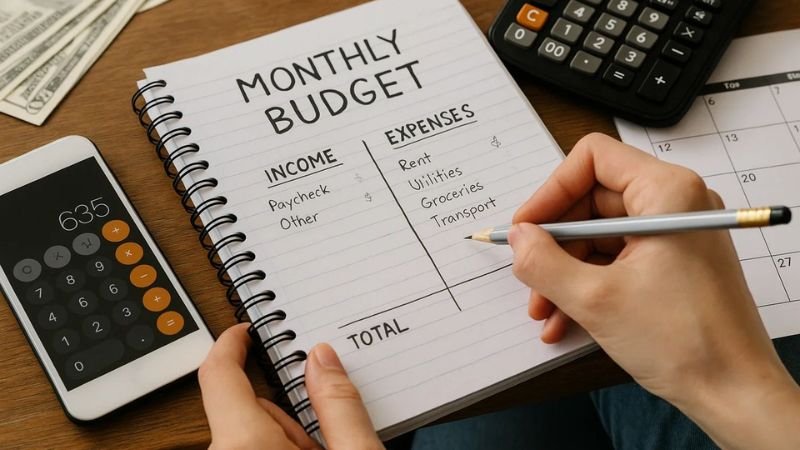
Your finances are the most important place to build flexibility. Without financial wiggle room, stress bleeds into every corner of your life. However, Laundry Room Cabinets building it does not require a dramatic overhaul of your lifestyle.
Start small. Aim to save one month of expenses as a buffer fund. Keep this money separate from your regular savings. You do not touch it unless a genuine emergency occurs. This single step changes how you feel about money almost immediately.
Next, look at your monthly expenses and find one or two items you can trim by 10%. That extra cash goes straight to your buffer. Furthermore, review your subscriptions most people pay for three or four services they never use. Cancelling even one adds meaningful wiggle room to your monthly budget.
Three rules for financial flexibility: First, never spend 100% of your income. Always set aside at least 5% before you spend anything else. Second, keep a small cash reserve in a separate account and treat it as untouchable. Third, review your budget every month circumstances change, and your plan should reflect reality.
How Wiggle Room Improves Your Work Life

Your career needs flexibility just as much as your wallet does. When you have no margin in your schedule, you cannot think creatively, handle extra requests, or recover from setbacks. In contrast, a schedule with built in wiggle room makes you more productive, not less.
Try blocking 30 minutes each morning as unscheduled time. Use it for overflow tasks, unexpected emails, or simply to think. Most professionals report that this one habit reduces daily stress dramatically. Additionally, it makes you look reliable because you actually have time to handle what comes up.
Moreover, wiggle room in your career means keeping your skills updated. A professional who only knows one tool or one method has no flexibility when the market shifts. Therefore, invest 30 minutes a week in learning something new. That small habit builds enormous professional flexibility over time.
Wiggle Room in Relationships and Daily Life

Flexibility matters in personal relationships too. When you expect everything to go perfectly, small disappointments feel enormous. However, when you build in realistic expectations and a little patience, relationships become far more enjoyable.
Give people wiggle room when they make mistakes. A friend who arrives 10 minutes late, a colleague who misses a small detail these things matter far less than you think in the long run. In addition, practicing this grace with others makes it easier to forgive yourself when you slip up.
In your daily routine, stop scheduling every minute of your day. Leave gaps. These unplanned pockets of time often become the most valuable moments a walk, a conversation, a creative idea. As a result, you feel less rushed and more present.
How to Start Building More Wiggle Room Today

You do not need to overhaul your entire life this weekend. Instead, focus on one area at a time. Pick the place where you feel most stretched money, time, or energy and make one small change this week.
Best Rooms for Rent in 2026 If money is your weak spot, open a separate savings account today and set up an automatic transfer of even $25 a week. Over a year, that builds a $1,300 cushion. Small, but meaningful. Furthermore, every dollar you add strengthens your financial foundation.
If time is the problem, cancel one optional commitment this month. Use that time to rest or prepare for the week ahead. You will find that saying no to one thing makes you far more effective at everything else. Additionally, start leaving 10 extra minutes of buffer before every appointment. That single habit eliminates a surprising amount of daily stress.
The core idea is simple: stop operating at 100% capacity all the time. Leave something in reserve. Whether it is money in your account, minutes in your calendar, or energy at the end of the day wiggle room is what separates a life that works from a life that constantly feels on the verge of breaking.
Conclusion
Wiggle room is not a luxury. It is a necessity. When you build flexibility into your finances, your schedule, and your mindset, you become more resilient, less stressed, and far more capable of handling whatever comes your way.
Start with one small step today. Save a little more. Schedule a little less. Expect a little less perfection. In addition, give yourself permission to leave space in your life. That space is not wasted it is exactly where your best thinking, your best decisions, and your best life happen.
Therefore, stop filling every gap. Start protecting your wiggle room like it is your most valuable resource because it is.
FAQs
1. What does wiggle room mean in everyday life?
Wiggle room means having extra flexibility in your time, money, or decisions to handle the unexpected.
2. How much wiggle room should I have in my budget?
Aim to leave at least 10–15% of your monthly income as a buffer for unplanned expenses.
3. Why is wiggle room important in project management?
It allows teams to absorb delays and unexpected problems without missing the final deadline.
4. Can wiggle room in your schedule reduce stress?
Yes unscheduled buffer time consistently lowers daily stress and improves focus and decision making.
5. How do I create wiggle room when money is tight?
Start with $10–$25 weekly auto transfers to a separate account; small amounts build meaningful buffers fast.