
There is something quietly transformative about a well placed plant. However, without the right support, even the most beautiful fern or fiddle leaf fig can feel like an afterthought. That is where indoor plant stands come in. In fact, these functional yet stylish pieces are no longer just accessories they are design statements that anchor a room, draw the eye upward, and give your greenery the spotlight it deserves.
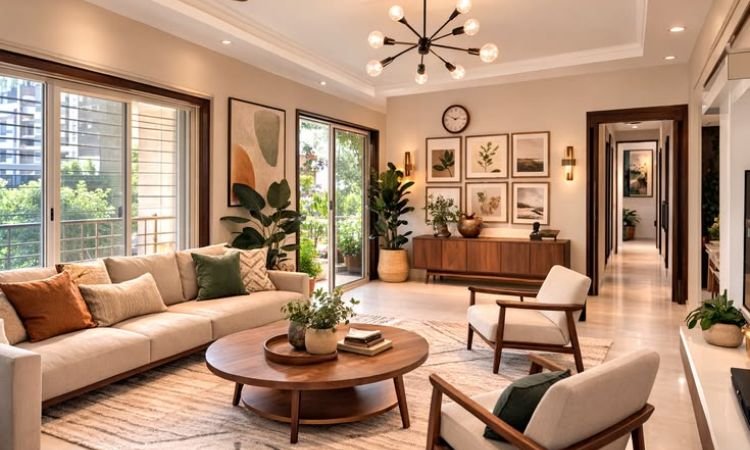
Whether you live in a minimalist studio or a maximalist Victorian townhouse, the right plant pedestal does more than hold a pot. Instead, it elevates the entire energy of a space. In this guide, therefore, we cover everything you need to know from materials and styles to room specific placement tips so you can shop and style with confidence Bedroom Rugs.
Why Indoor Plant Stands Are a Home Decor Essential
Space Saving Design That Works Hard
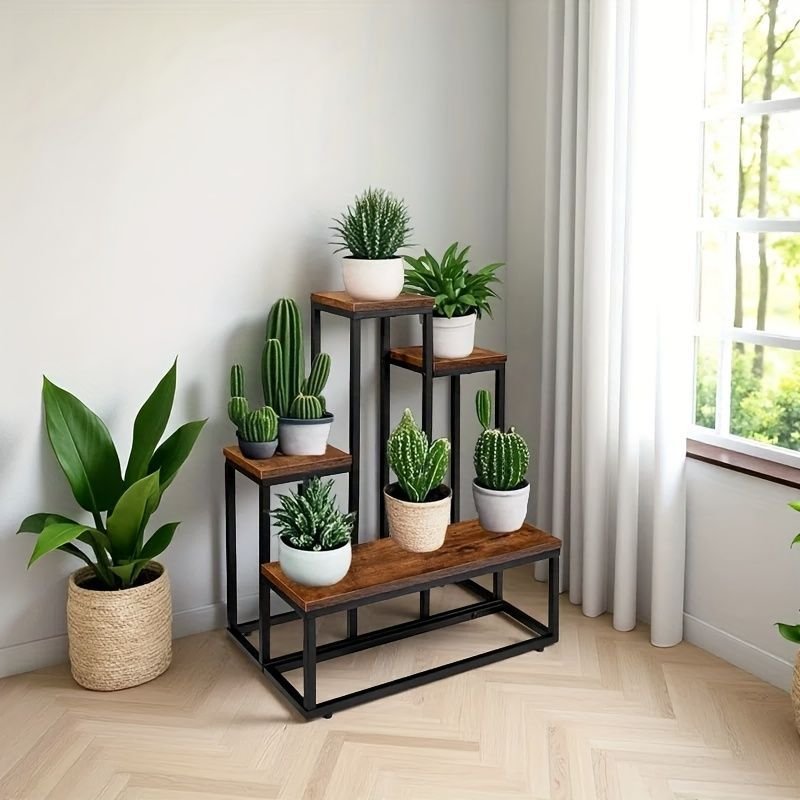
Floor space is precious. For this reason, a tiered plant stand lets you stack multiple pots vertically, turning one square foot of floor into a lush layered display. In addition, corner stands are unsung heroes they occupy dead space and fill it with life. As a result, for apartment dwellers or anyone working with compact rooms, this vertical approach is a game changer.
Better Drainage, Healthier Plants
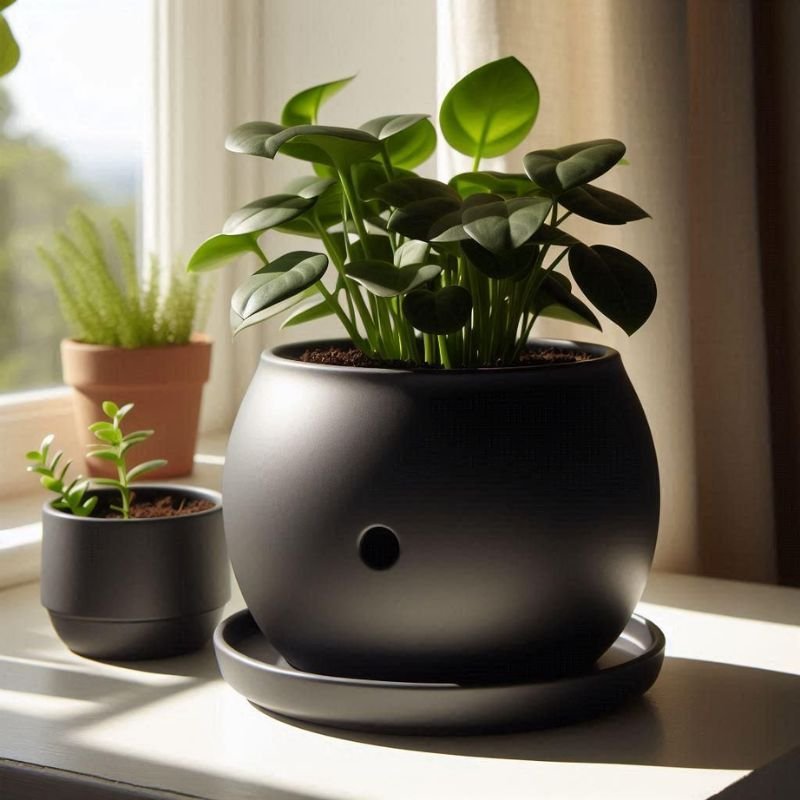
Placing pots directly on floors or windowsills traps moisture underneath. Because of this, raised potted plant supports allow air to circulate freely around the base of the pot, reducing root rot risk significantly. Moreover, many stands come with slatted or open base designs precisely for this reason form and function working in harmony.
Instant Aesthetic Upgrade
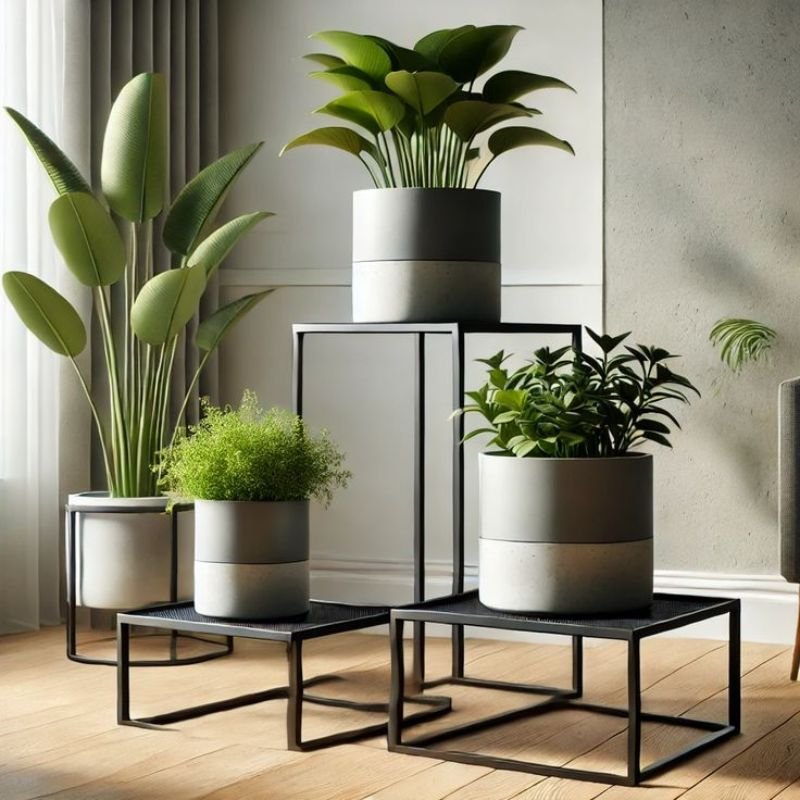
A beautiful succulent sitting on the floor looks neglected. The same plant raised on a sleek walnut pedestal looks curated. Indoor plant stands introduce height variation, which is a key principle in interior styling. Without it, a room can feel flat and uninspired. With it, the eye moves naturally through the space, landing on each display like a gallery stop.
Types of Indoor Plant Stands Choosing the Right Material
Not all plant pedestals are created equal. The material you choose will affect the mood, durability, and overall aesthetic of your display. Here is a breakdown of the most popular options.
How to Choose the Best Indoor Plant Stand
Choosing the right indoor plant stand depends on your available space, plant size, and interior style. Before buying, consider the stand’s height, weight capacity, material, and overall durability. In addition, choose a finish that complements your existing furniture and décor. For bathrooms and kitchens, moisture-resistant materials such as powder-coated metal or treated wood are ideal. Finally, measure your space carefully to ensure the stand fits comfortably without making the room feel crowded.
Things to Consider Before Buying
- Plant size and weight
- Stand height
- Material quality
- Moisture resistance
- Room size
- Interior style
- Budget
Wooden Plant Stands
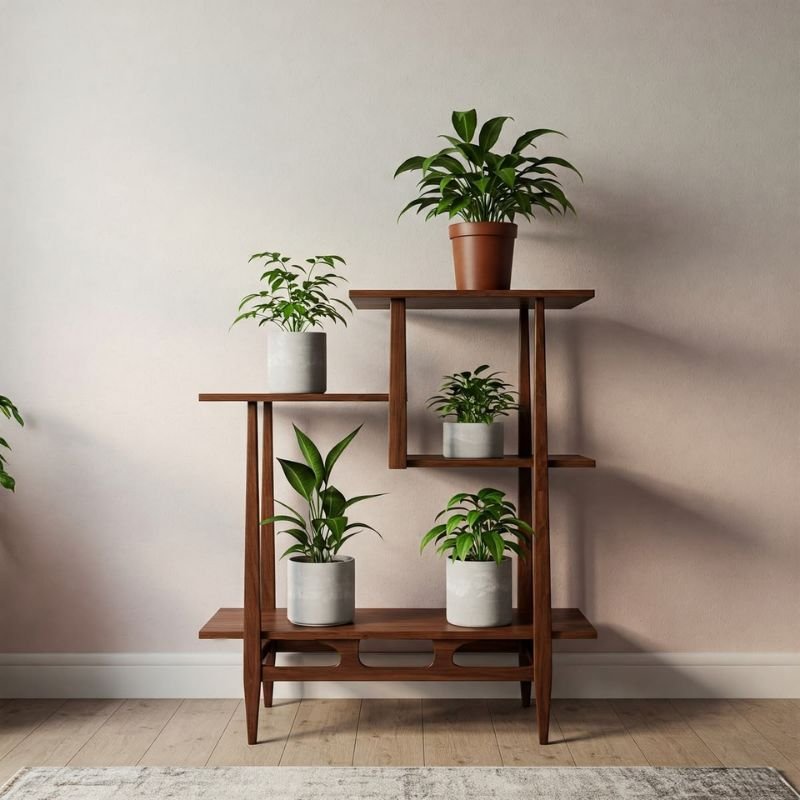
Wood brings warmth. Teak, bamboo, oak, and walnut are popular choices each with its own grain and undertone. Wooden stands suit Scandinavian, bohemian, and organic modern interiors beautifully. They are naturally sturdy and age gracefully. Look for sealed or treated finishes if you plan to use them near humid areas like bathrooms or kitchens.
Metal Plant Stands
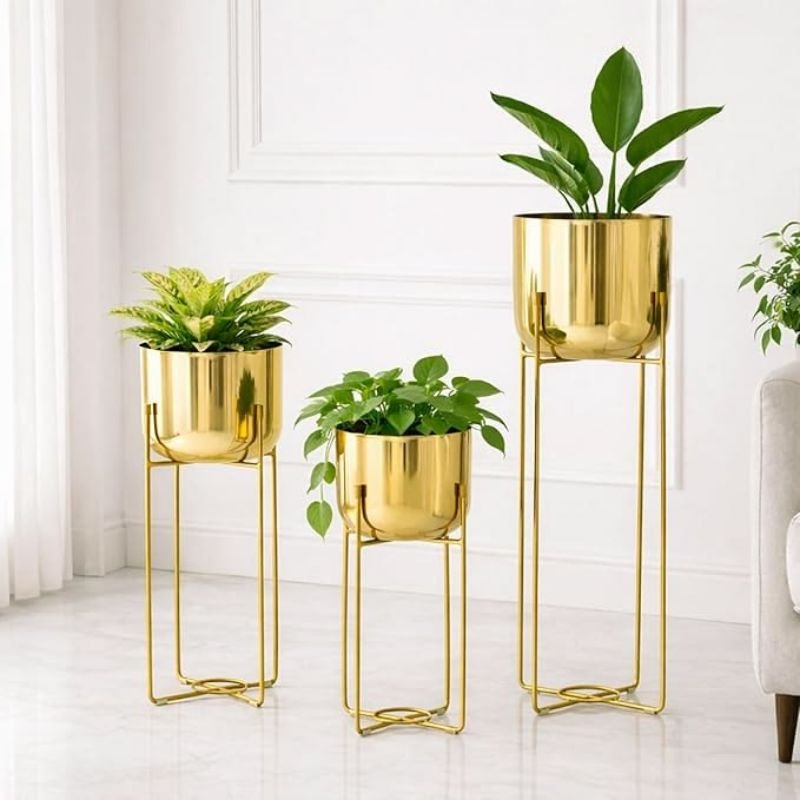
For an industrial, mid century, or contemporary edge, metal stands deliver. Wrought iron, powder coated steel, and brass finished frames all bring a different character. Black metal is particularly versatile it grounds a space without competing with the plants. Gold or brass tones work exceptionally well in maximalist or art deco settings metal wall art.
Tiered Plant Stands
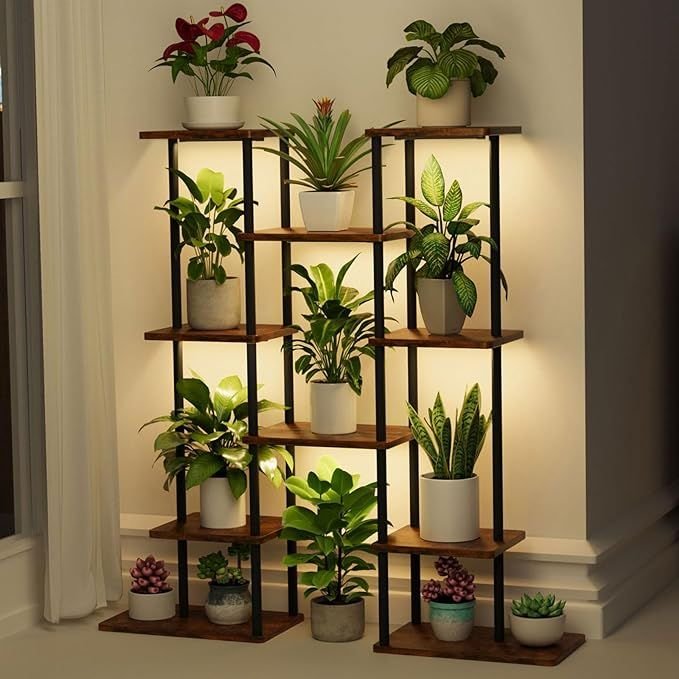
Tiered greenery displays are among the most practical options available. With two to five levels, they accommodate multiple plants of varying sizes in one compact footprint. A three tiered stand in a sunny corner can become a genuine focal point cascading photos on the upper shelves, compact succulents at the base. This format is also ideal for indoor herb gardens in kitchen spaces.
Minimalist & Geometric Designs
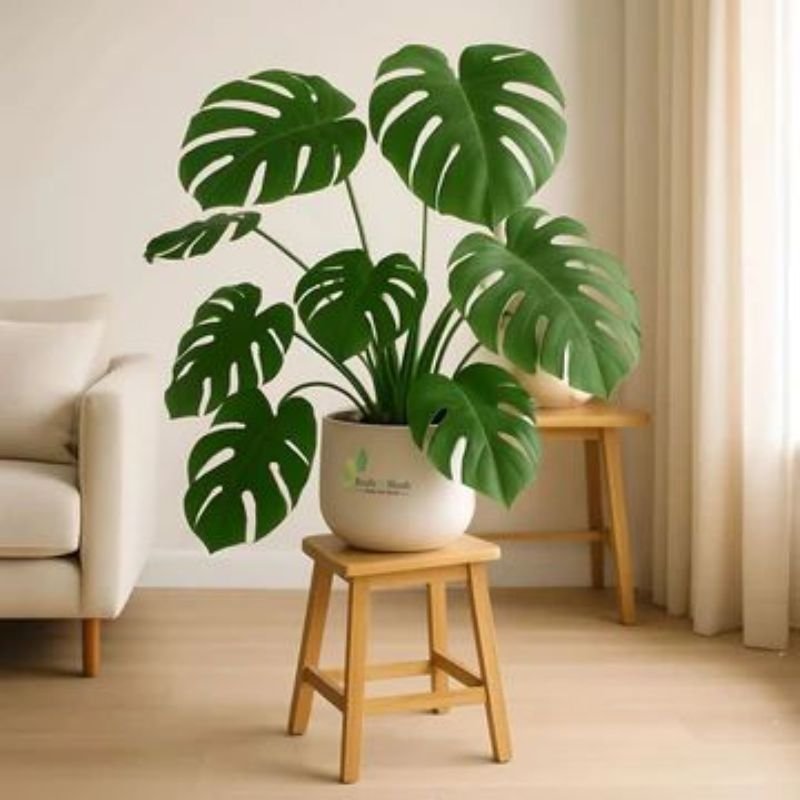
Clean lines and open frames characterise this style. Hairpin leg stands, tripod bases, and cage style holders bring a graphic quality that suits contemporary interiors. These designs tend to let the plant do the talking, keeping the structure as unobtrusive as possible. Perfect for those who prefer understated décor Living Room Decorating Ideas .
Indoor Plant Stand Materials Comparison
| Material | Best For | Durability | Moisture Resistance |
|---|---|---|---|
| Wood | Living Room | High | Medium |
| Metal | Bathroom | Very High | Excellent |
| Bamboo | Bedroom | High | Good |
| Tiered Metal | Small Spaces | Excellent | Excellent |
| Rattan | Boho Interiors | Medium | Low |
Room by Room Styling Tips for Indoor Plant Stands
Living Room
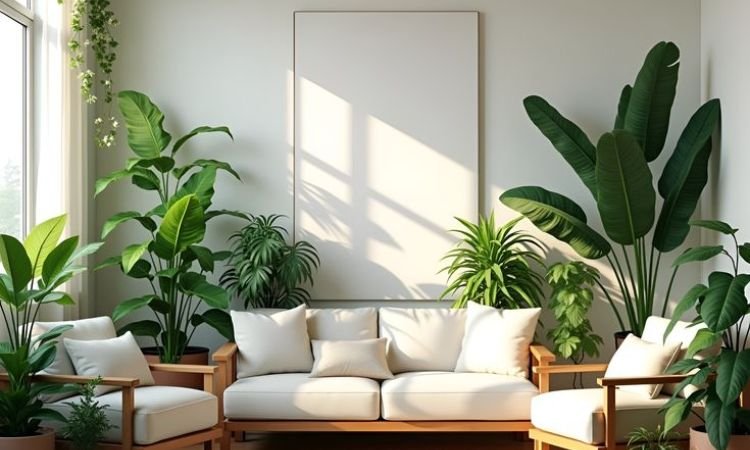
The living room is your canvas. First, use a tall single stem stand to create a focal point beside a sofa or next to the TV unit. Next, pair it with a statement plant a monstera, a bird of paradise, or a rubber tree. If you have high ceilings, then, go taller. Ultimately, scale matters here, because a petite stand in a large room looks lost.
- Place stands in clusters of odd numbers three or five creates more visual interest than two or four.
- Vary heights deliberately: one tall stand, one mid, one low.
- Match the stand material to existing furniture for cohesion. To complete the look, explore our Coffee Table Decor ideas for a beautifully styled living room.
Bedroom
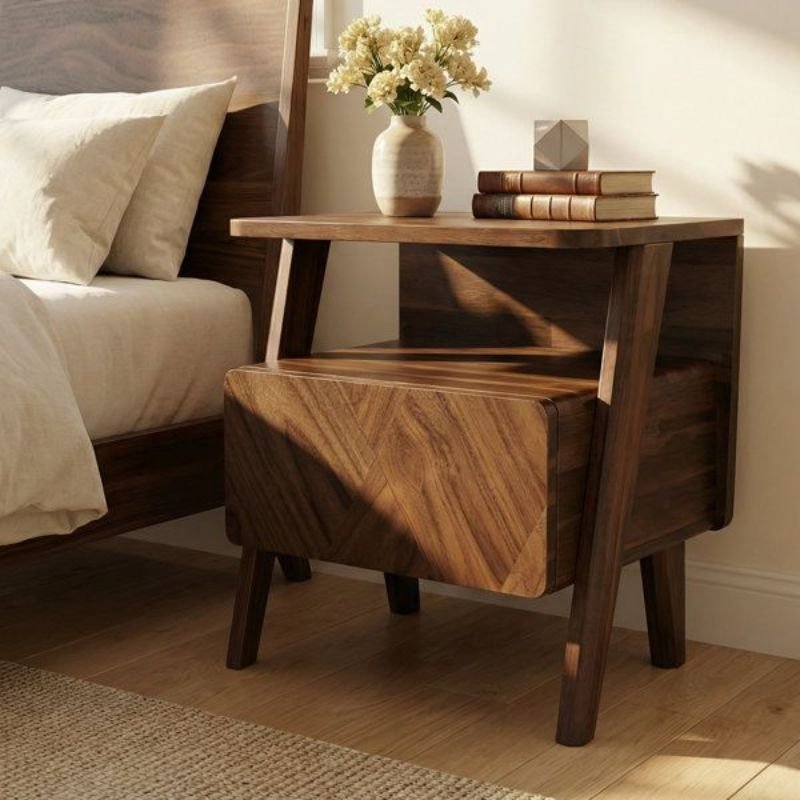
Greenery in the bedroom promotes calm. Keep it light a single walnut stand with a trailing photos or a peace lily adds serenity without clutter. Avoid large, dominating plants that crowd the room. Bedside stands work wonderfully as an alternative to the usual lamp only setup.
Bathroom
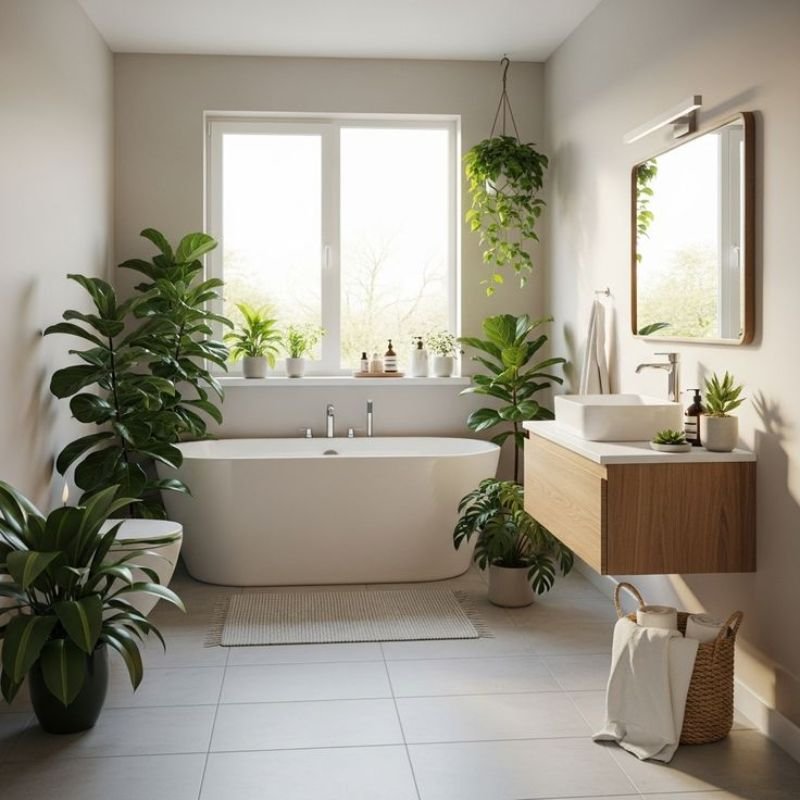
Humidity lovers thrive here. Boston ferns, air plants, and orchids all enjoy bathroom conditions. Opt for moisture resistant stands coated metal or sealed hardwood. A corner stand with two or three small pots instantly turns a functional room into a spa like retreat. For more bathroom styling inspiration, read our Bathroom Wallpaper Ideas guide.
Home Office
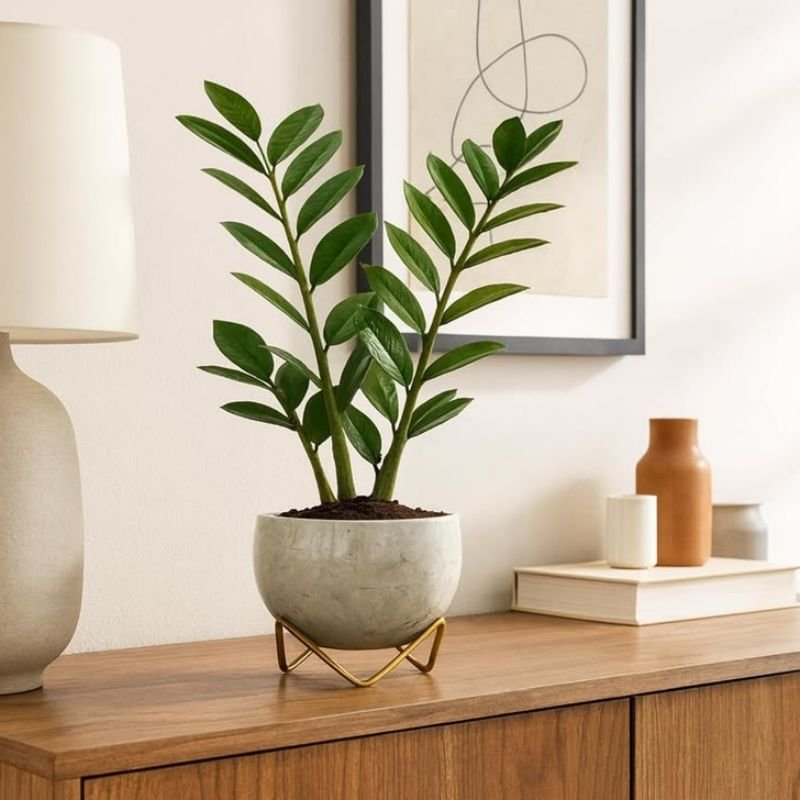
A small tiered stand beside your desk introduces biophilic energy the kind that reduces stress and sharpens focus. Studies suggest that proximity to plants during work hours improves concentration. Keep it tidy with small pots: a ZZ plant, a snake plant, or a compact cactus collection. You can also find practical indoor plant care tips on The Spruce.
Pros and Cons of Indoor Plant Stands
Pros
- Saves valuable floor space
- Improves airflow around plants
- Creates an attractive layered display
- Adds height and visual interest
- Helps organize multiple plants
- Available in many styles and materials
Cons
- Wooden stands require occasional maintenance
- Cheap metal stands may rust over time
- Heavy ceramic pots need sturdy stands
- Large stands may require extra floor space
Indoor Plant Stand Trends (2026)
Indoor plant stands continue to evolve with modern interior design trends. In 2026, homeowners are choosing natural materials, minimalist designs, and multi-level displays that combine style with functionality. Sustainable materials and space-saving solutions are especially popular for modern homes.
Popular Trends
- Japandi-inspired wooden stands
- Matte black metal frames
- Bamboo plant stands
- Multi-tier indoor plant displays
- Minimalist geometric designs
- Sustainable eco-friendly materials
- Mixed wood and metal finishes
- Corner plant stand solutions for small apartments
According to Architectural Digest, natural materials, statement plant displays, and biophilic design continue to shape modern home interiors in 2026.
FAQs
Q: What size indoor plant stand do I need?
Match the stand height to the room scale taller ceilings allow stands of 60–90 cm, while compact rooms suit 30–50 cm options. Always check the weight capacity before placing heavy ceramic pots.
Q: Can I use indoor plant stands outdoors?
Only if they are specifically rated for outdoor use. Untreated wood and bare metal will degrade quickly with exposure to rain and UV light. Look for powder coated steel or teak for dual purpose use.
Q: How do I prevent water damage from plant stands?
Always use a saucer beneath your pot, and opt for stands with open or slatted bases that allow airflow. For wooden floors, place a felt pad under each stand leg to prevent scratches and moisture seep.
Q: What plants look best on tall single-stem plant stands?
Statement plants like monstera, fiddle leaf figs, bird of paradise, and large snake plants shine on tall pedestals. They fill vertical space naturally and create an anchored, sculptural look.
Q: Are tiered plant stands suitable for small apartments?
Absolutely. A tiered greenery display is one of the most space efficient ways to own multiple plants. A compact three tier stand can house five to eight pots within a 40 cm footprint ideal for small living rooms or balconies.
Conclusion
Indoor plant stands are one of the simplest, most affordable ways to transform how a home feels. They bring structure to nature, introduce rhythm and height to a room, and turn your plant collection from background detail into deliberate design. Whether you lean toward raw wood, sleek metal, or cascading tiered frames, there is a stand that fits your space and your style.
Start with one. Place it well. Then watch how a single thoughtful addition changes the entire conversation of a room. Your plants have earned their moment give them the platform they deserve.