
There is something deeply compelling about walking into a room anchored by a towering plant. Tall indoor plants do what no piece of furniture can they bring a room to life, literally. They draw the eye upward, add drama, and soften hard architectural lines with organic grace.
Modern interior design has embraced greenery not as an afterthought but as a structural element. A well placed tall plant can define a zone in an open plan space, create visual balance in a high ceilinged room, or simply make a bold first impression in an entryway. They improve air quality, reduce stress, and photograph beautifully.
This guide covers everything: the best species to choose, how to keep them thriving, and smart strategies for styling them even in compact spaces. Whether you are a seasoned plant parent or just starting out, you will find something useful here. If you’re also exploring ways to elevate your space, check out our guide on living room decorating ideas for more inspiration.
Top 5 Best Tall Indoor Plants for a Stunning Home
Choosing the right species makes all the difference. The five plants below are proven performers visually striking, adaptable to indoor conditions, and widely available. Each one brings something distinct to a space.
Fiddle Leaf Fig (Ficus lyrata)
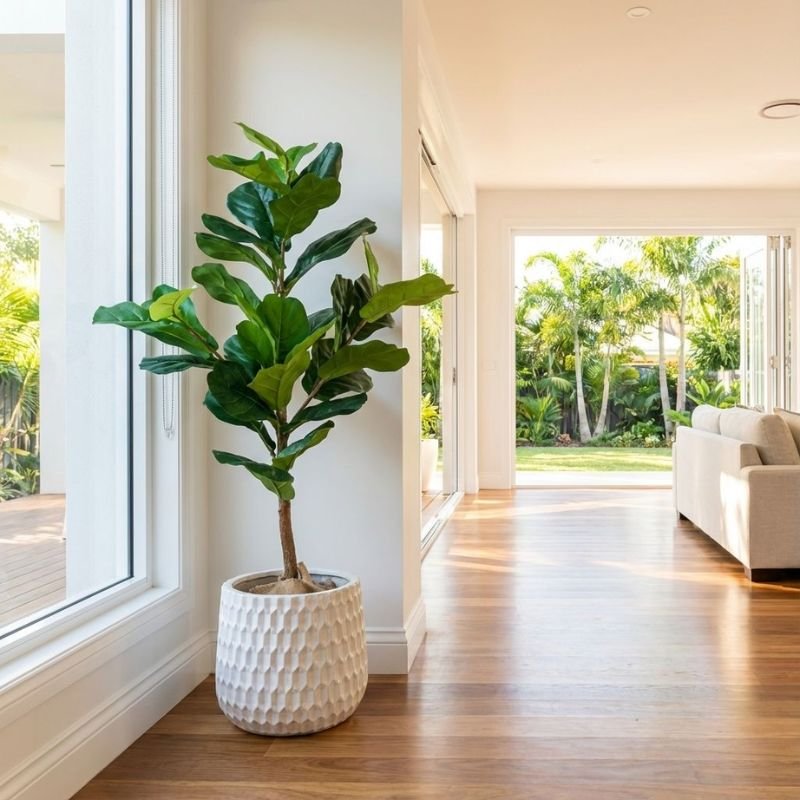
The fiddle leaf fig is arguably the most iconic of all tall indoor plants. Its enormous, waxy, violin shaped leaves create an instant focal point in any room. It grows steadily upward, often reaching six to ten feet indoors, which makes it ideal for living rooms with high ceilings or generous bay windows.
This plant rewards commitment. Once you find the right spot with bright, indirect light, leave it there. Fiddle leaf figs are notorious for dropping leaves when moved. They dislike cold drafts and inconsistent watering equally.
Care Tips:
- Place in bright, indirect light avoid direct afternoon sun which scorches leaves
- Water when the top 2 inches of soil feel dry; never let it sit in water
- Wipe leaves monthly with a damp cloth to keep them photosynthesizing efficiently
- Feed with a balanced liquid fertilizer monthly through spring and summer
Bird of Paradise (Strelitzia nicolai)
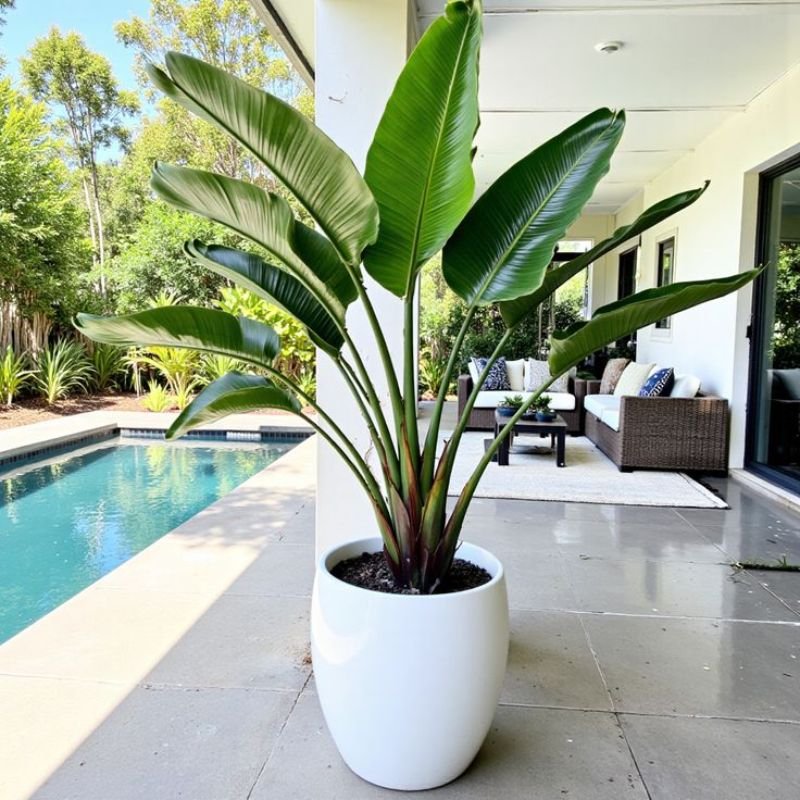
Few plants command a room the way a white bird of paradise does. With its enormous paddle shaped leaves splitting elegantly as they mature, it captures a mood somewhere between a Californian poolside and a tropical resort lobby. It is one of the fastest growing tall indoor plants, gaining several feet in a single season under the right conditions.
It craves light genuinely bright light, ideally several hours of direct sun near a south or west facing window. In lower light it simply sulks, barely growing and refusing to produce its signature split leaves.
Care Tips:
- Bright direct light is non negotiable; a south facing window is ideal
- Water generously in summer, reduce significantly in winter
- Repot every two to three years when roots circle the base of the pot
- Mist occasionally or use a pebble tray to boost humidit
Monstera Deliciosa (Swiss Cheese Plant)
The monstera deliciosa has earned its place as one of the best loved tall indoor plants of the past decade and for very good reason. Its deeply fenestrated leaves are visually extraordinary. Each new leaf that unfurls feels like a small event. Given support, a mature monstera can easily reach seven or eight feet indoors.
It is also forgiving. Low light does not kill it; it simply produces smaller, less split leaves. Inconsistent watering is tolerated better than most tropical species. It is the ideal tall plant for someone who wants dramatic foliage without intensive maintenance.
Care Tips:
- Thrives in medium to bright indirect light; tolerates lower light reasonably well
- Water every one to two weeks, allowing soil to partially dry between watering
- Use a moss pole or coco coir support to encourage upward, vertical growth
- Clean the large leaves regularly to keep them dust free and glossy
Snake Plant (Sansevieria trifasciata)
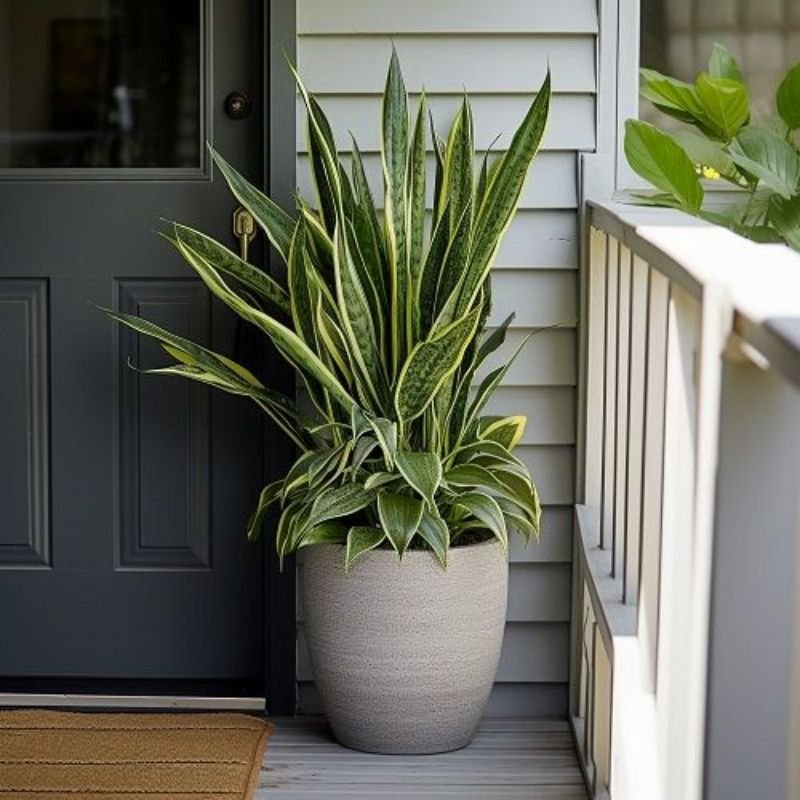
The snake plant is the most democratic of all tall indoor plants. It tolerates neglect, low light, irregular watering, and dry indoor air with equal composure. Certain varieties particularly ‘Laurentii’ and ‘Black Gold’ grow into stately columns three to four feet tall, their architectural rigidity making them perfect beside sofas, doorways, or as desk flanking pairs.
It is also one of the few plants that continues to process air quality through the night rather than just during the day, which has made it a perennial favourite for bedrooms. If you have ever killed a plant before, this is your redemption arc.
Care Tips:
- Thrives in low to bright indirect light almost any corner works
- Water sparingly; every two to six weeks depending on season and light levels
- Plant in well draining cactus or succulent mix to prevent root rot
- No misting needed it prefers dry air over humidity
Dragon Tree (Dracaena marginata)
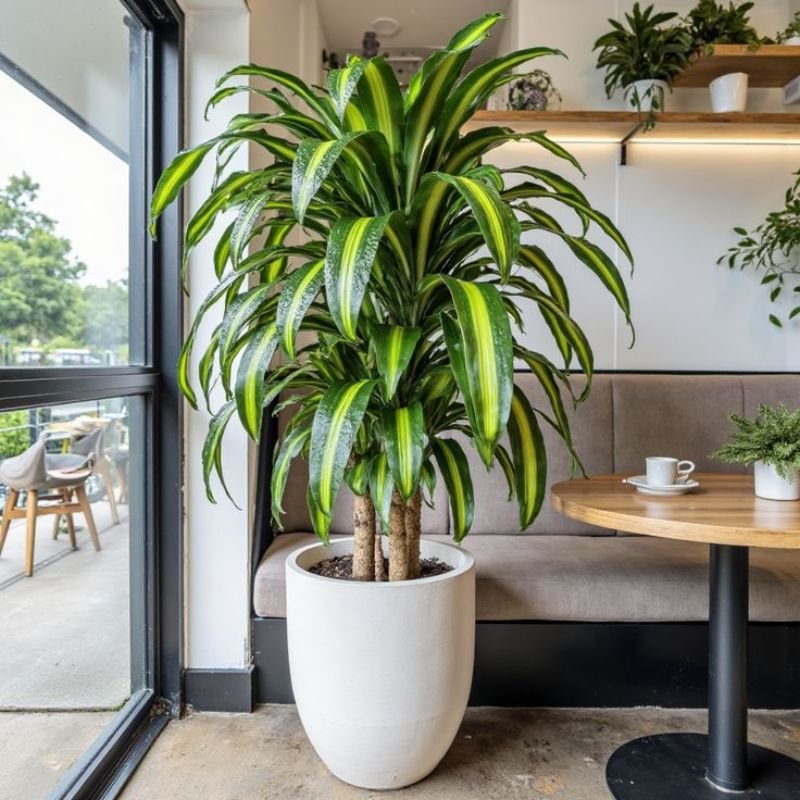
The dragon tree offers something rare in the world of tall indoor plants: genuine sculptural elegance without demanding anything extraordinary in return. Its slender, woody canes topped with spiky rosettes of dark green leaves edged in red give it the silhouette of something from a modernist painting. It grows slowly but steadily, eventually reaching six feet or more.
It handles low light surprisingly well and forgives the occasional missed watering. The main hazard is fluoride in tap water, which causes brown leaf tips. Switch to filtered or rainwater and the problem disappears entirely.
Care Tips:
- Bright indirect light brings out the richest colour; tolerates low light well
- Water only when the top half of the soil is dry overwatering is its main enemy
- Use filtered or distilled water to avoid fluoride related leaf tip browning
- Prune any canes that grow too leggy to encourage bushy new growth
Care Tips for Large Tall Indoor Plants
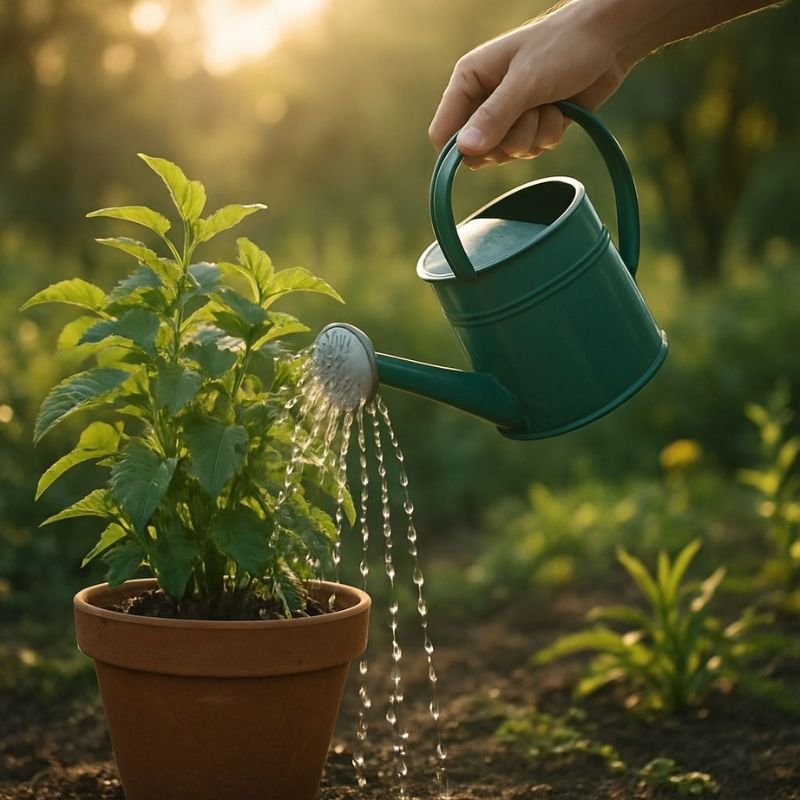
Species specific advice only gets you so far. Once you understand the universal care principles behind tall indoor plants, everything becomes more intuitive. Light, water, and container size form the foundation of every thriving specimen.
Light
- Most tall tropicals need bright, indirect light
- A north facing window suits low light species like snake plants
- South or west windows work best for bird of paradise and fiddle leaf fig
- Rotate pots quarterly for even, balanced growth
- Supplement with a grow light in dark winters
Watering
- Always check the soil before watering fingers beat schedules
- Ensure pots have drainage holes; standing water causes root rot
- Water thoroughly until it drains from the bottom
- Reduce watering frequency in autumn and winter
- Use room temperature water to avoid shocking tropical roots
Pot Sizing
- Choose a pot 2 inches wider than the root ball when repotting
- Oversized pots hold excess moisture and invite rot
- Heavy ceramic or terracotta pots prevent tall plants from toppling
- Repot in spring when growth is most vigorous
- Refresh the top layer of soil annually even without repotting
Styling Tall Indoor Plants in Small Spaces
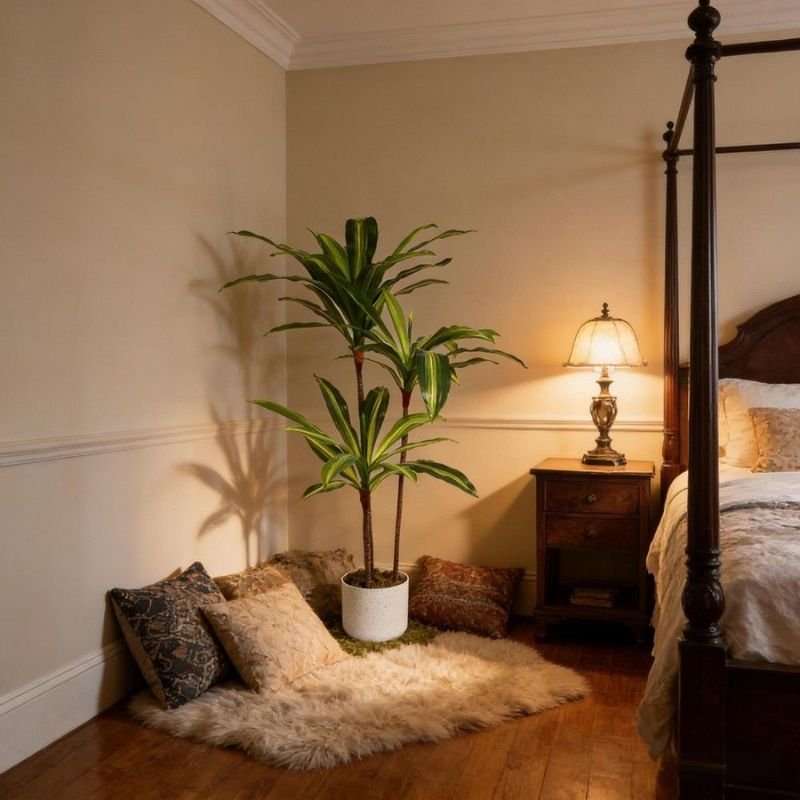
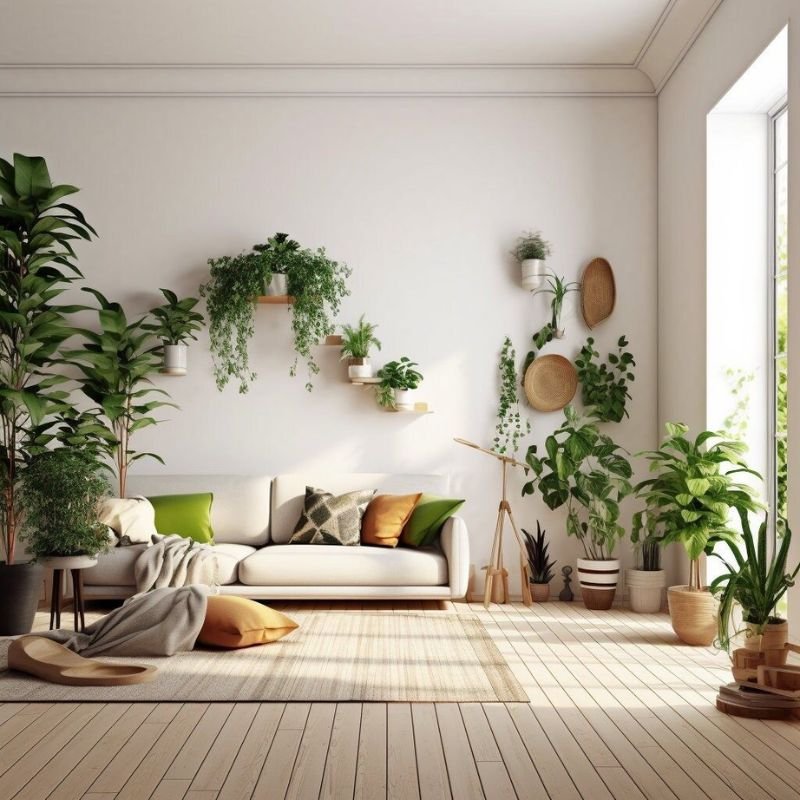
A common misconception is that tall indoor plants belong exclusively in large, open homes. In reality, height is your greatest ally in a compact room. A tall plant draws the eye upward, creating the illusion of height and making the space feel more expansive rather than crowded Indoor Plant Stands.
Vertical Decorating with Tall Indoor Plants
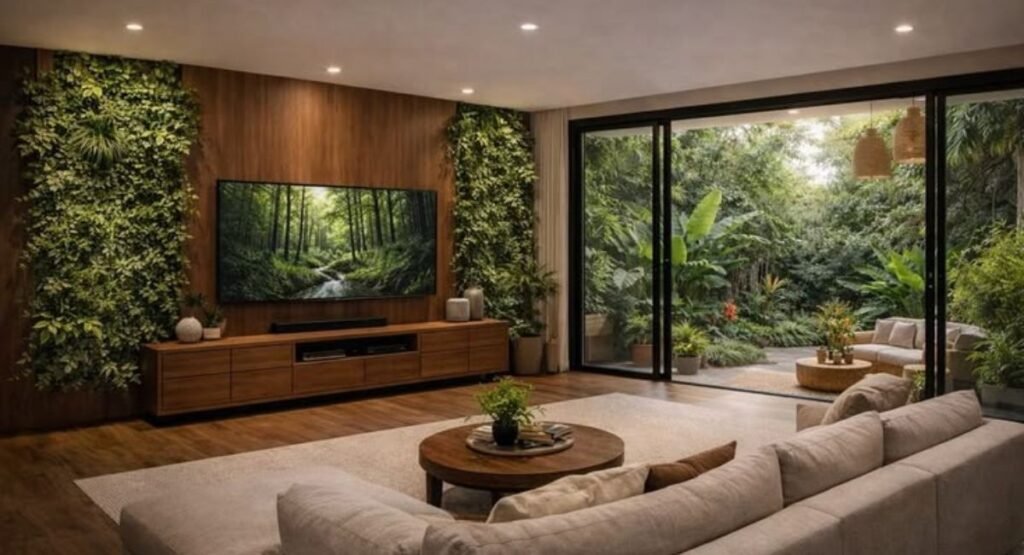
Think of tall plants as living architecture. Position a fiddle leaf fig or monstera in the corner of a small living room to anchor the space without consuming floor area the way a large sofa or bookshelf might. Corners are valuable real estate a tall plant fills them beautifully while adding depth and softness.
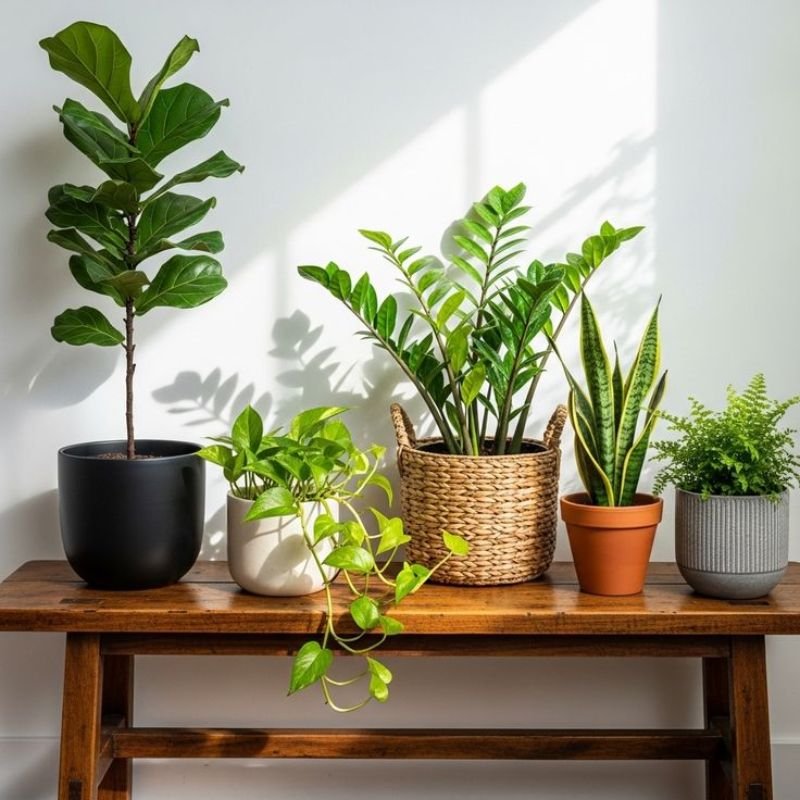
Use a combination of heights when grouping. Pairing a tall dragon tree with mid height and trailing plants creates a layered composition that feels curated rather than cluttered. Vary the pot shapes and materials terracotta alongside matte white ceramic to add tactile interest.
- Place the tallest plant in the corner furthest from the room entrance to draw the eye across the space
- Use plant stands to elevate smaller plants and create visual gradation
- Stick to one or two tall statement plants per room; restraint reads as sophisticated
- Mirrors placed behind or beside a tall plant effectively double its visual impact
- Lean toward upright species snake plants, dragon trees in narrow hallways or corridors
Choosing the Right Tall Indoor Plant for Your Lifestyle
Interior beauty only matters if the plant survives. Match your plant choice to your actual schedule and living conditions, not your aspirational ones. A trave eavy professional who is rarely home is better served by a snake plant or dracaena than a thirsty fiddle leaf fig.
Consider pets and children too. Dracaena is toxic to cats and dogs, and monstera produces calcium oxalate crystals that can irritate skin and mouths. The bird of paradise is a safer choice and its tall stature keeps most of the foliage well out of reach anyway.
Conclusion
Tall indoor plants are among the most transformative additions you can make to a home. They add scale, warmth, and a sense of the living world in a way that no décor object can replicate. Whether you gravitate toward the sculptural drama of the bird of paradise or the effortless ease of the snake plant, there is a tall species perfectly suited to your space and your life.
Start with one. Give it the right light, water it with intention, and let it grow. You will almost certainly find yourself making room for another before long.
FAQs
Q1. What are the easiest tall indoor plants for beginners?
The snake plant (Sansevieria) and dragon tree (Dracaena marginata) are consistently the easiest both tolerate low light, infrequent watering, and dry indoor air without complaint.
Q2. How tall do indoor plants typically grow?
Most popular tall indoor plants reach between four and ten feet indoors; species like the bird of paradise and fiddle leaf fig can exceed eight feet in bright, spacious rooms with regular feeding.
Q3. Can tall indoor plants survive in low light apartments?
Yes snake plants, dracaenas, and to some degree monstera deliciosa adapt well to lower light environments, though growth slows and foliage becomes less dramatic without adequate natural light.
Q4. How often should tall indoor plants be repotted?
Generally every two to three years, or sooner if roots are visibly circling the drainage holes; always repot in spring using a pot only two inches wider than the current container.
Q5. Are tall indoor plants safe to keep around pets?
Not all of them dracaenas and fiddle leaf figs are toxic to cats and dogs; the bird of paradise is a safer choice, and its tall foliage naturally stays out of reach of most household pets.