
Indoor Plants for Low Light Let’s be honest not every home is drenched in glorious sunshine. Maybe your apartment faces a brick wall. Perhaps your office has one tiny window that barely qualifies as a light source. Whatever the situation, you have probably watched beautiful houseplants slowly yellow and die, and quietly blamed yourself.
Here is the truth: it was not your fault. You just needed the right plants. Indoor plants for low light are a real, thriving category of greenery and they are surprisingly resilient. These plants evolved under forest canopies, where sunlight barely filters through the leaves above. Consequently, they are biologically programmed to make the most of limited light.
This guide will walk you through everything you need to know. You will learn which plants survive and thrive in dim conditions, best indoor plants for beginners how to care for them properly, and how to stop the sad cycle of plant funerals once and for all.
Why Indoor Plants for Low Light Are Perfect for Any Home
Not everyone has south facing windows or a sun soaked conservatory. However, that should never stop you from enjoying the benefits of greenery indoors. Indoor plants for low light exist precisely for people living and working in dimmer environments.
Furthermore, choosing the wrong plant for a dark corner is the number one reason houseplants fail. When you match the plant to the environment rather than forcing a sun lover into the shadows everything changes. The plant grows. You succeed. Your confidence builds.
Benefits of Growing Indoor Plants in Low Light
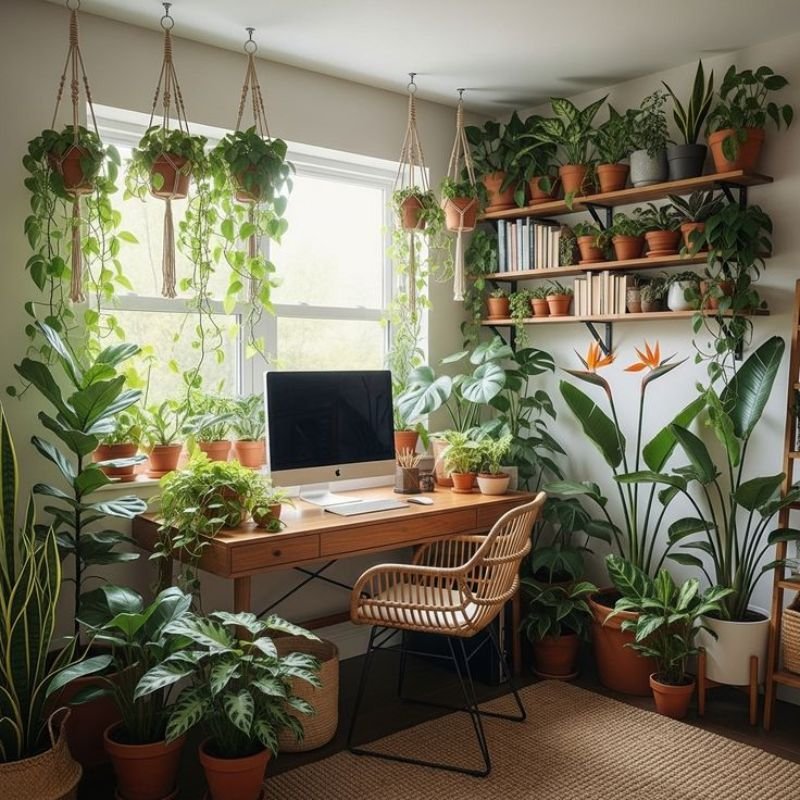
The advantages go far beyond aesthetics. Here is what you genuinely gain when you bring the right low light plants indoors:
- Improved air quality: Many low light plants, such as the Peace Lily and Spider Plant, help filter common indoor pollutants.
- Reduced stress: Studies consistently show that plants in a workspace or home reduce cortisol levels and boost mood.
- No bright light dependency: These plants thrive without expensive grow lights or perfectly positioned windows.
- Low maintenance: Most low light species are also drought tolerant, making them ideal for busy or forgetful plant parents.
- Year round greenery: Unlike flowering plants, most low light varieties stay green and lush through every season.
In addition, these plants are genuinely forgiving. Miss a watering? They will likely survive. Forget to fertilize for a month? No drama. They are, in many ways, the perfect entry point for anyone building confidence with plants.
Best Indoor Plants for Low Light: Top 5 Easy Picks
Now we get to the good part. Below are five outstanding indoor plants for low light conditions. Each one has been selected for its resilience, beauty, and ease of care.
1. Snake Plant (Sansevieria trifasciata)
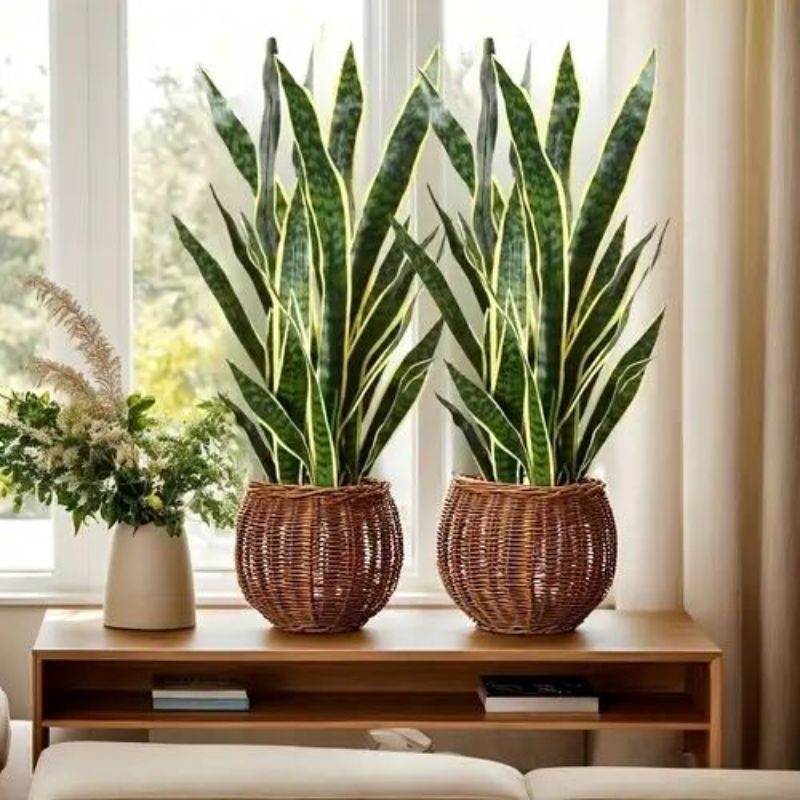
- Light: Tolerates very low light; survives fluorescent office lighting.
- Water: Every 2–6 weeks. Less is always more with this one.
- Pro Tip: If you are new to plants, start here. It is practically indestructible.
2. ZZ Plant (Zamioculcas zamiifolia)
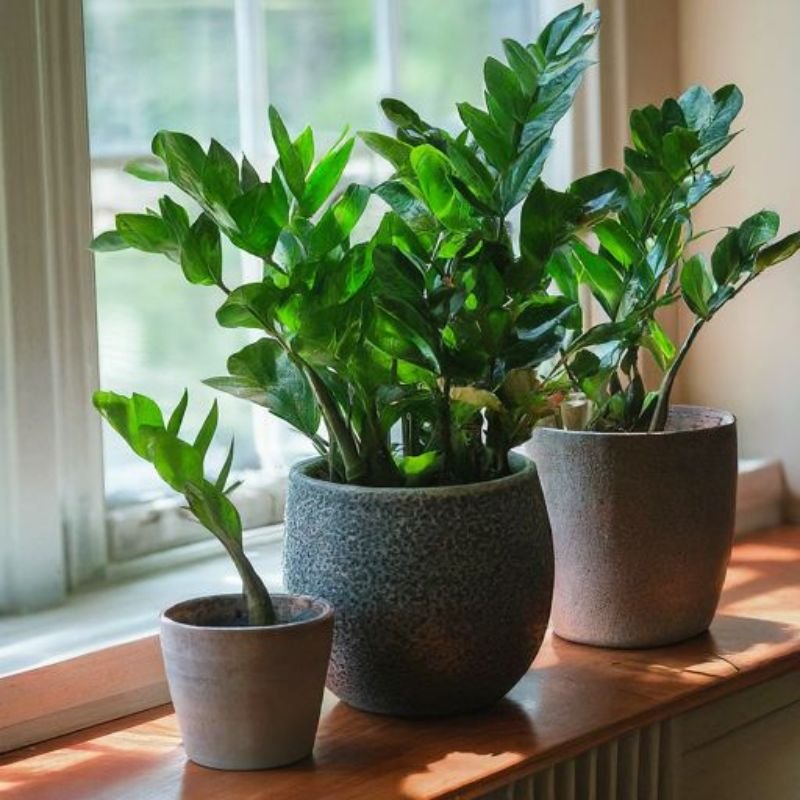
- Light: Handles low to medium indirect light with ease.
- Water: Every 2–3 weeks; allow soil to dry completely between waterings.
- Pro Tip: Its waxy leaves repel dust, keeping it looking polished with minimal effort.
3. Pothos (Epipremnum aureum)
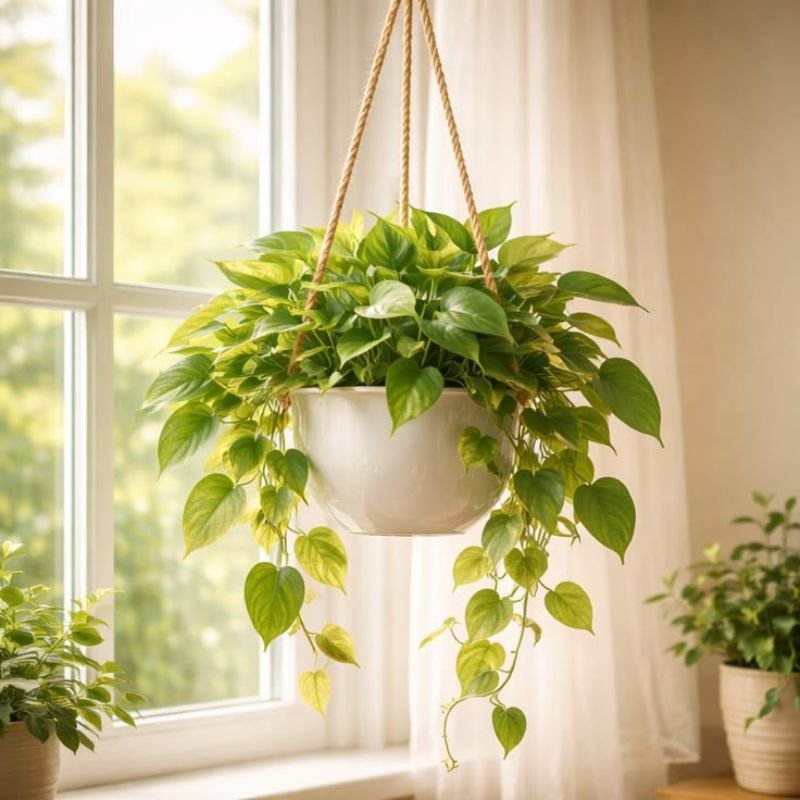
- Light: Adapts to low light, though golden variegation may fade slightly.
- Water: When the top inch of soil feels dry roughly once a week.
- Pro Tip: Trail it along a shelf or let it hang from a pot for a dramatic look.
- how to style indoor plants with stands
4. Peace Lily (Spathiphyllum)
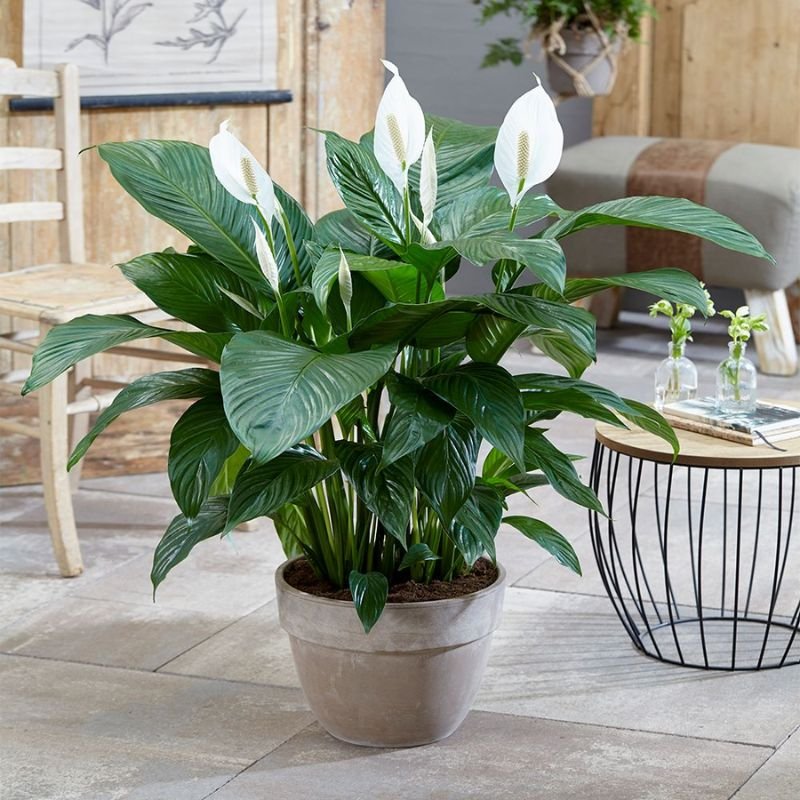
- Light: One of the few flowering plants that genuinely thrives in low light.
- Water: When leaves begin to slightly droop it will tell you when it’s thirsty.
- Pro Tip: It blooms even in shade, giving you white flowers with almost zero effort.
5. Cast Iron Plant (Aspidistra elatior)
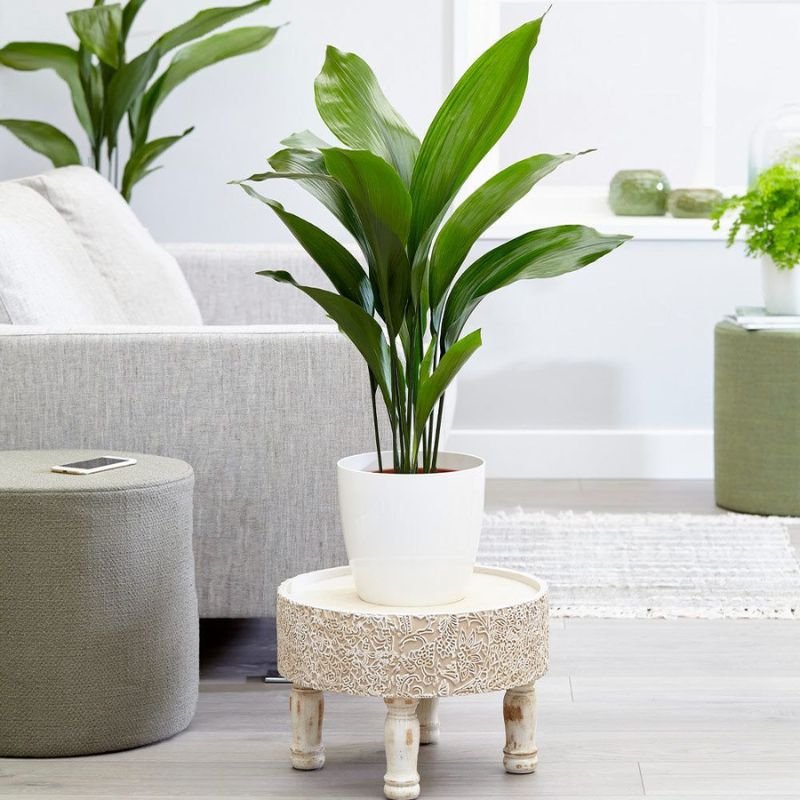
- Light: Survives deep shade and even artificial light alone.
- Water: Every 2–4 weeks. Overwatering is its only real enemy.
- Pro Tip: True to its name, this plant is nearly impossible to kill. Perfect for dimly lit hallways.
Living Room Decorating Ideas
How to Care for Indoor Plants in Low Light Rooms
Choosing the right plant is only half the battle. Knowing how to care for it properly is what keeps it alive and beautiful long term. Fortunately, low light plants are generally far easier to maintain than their sun loving counterparts.
Watering Tips for Low Light Indoor Plants
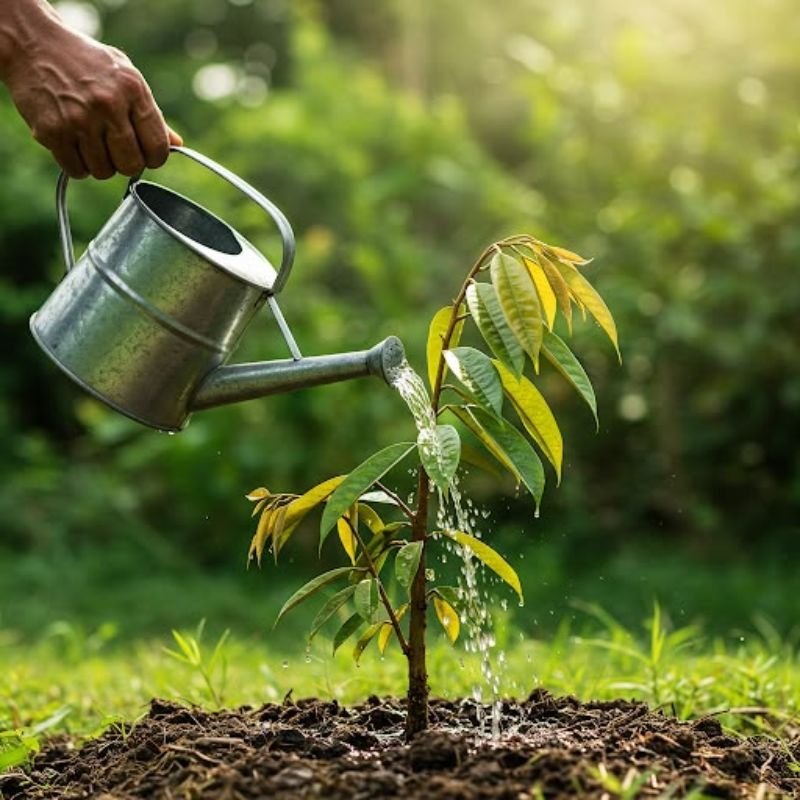
Overwatering is the silent killer of most indoor plants in low light conditions. In dim spaces, soil dries out much more slowly than in bright rooms. Consequently, the watering schedule you used for a sunny windowsill plant will almost certainly rot the roots of a shade dweller.
Follow these principles and you will avoid the most common mistake:
- Always check before you water: Push your finger 1–2 inches into the soil. Water only if it feels dry.
- Use the ‘lift test’: Lift the pot. A light pot means dry soil; a heavy pot means moisture remains.
- Reduce frequency in winter: Plants grow slowly in low light and even more slowly in cold months.
- Ensure good drainage: Never leave plants sitting in a saucer full of water. Root rot develops fast.
- Use room temperature water: Cold water can shock tropical low light plants like Peace Lilies.
Soil and Potting Advice for Low Light Environments
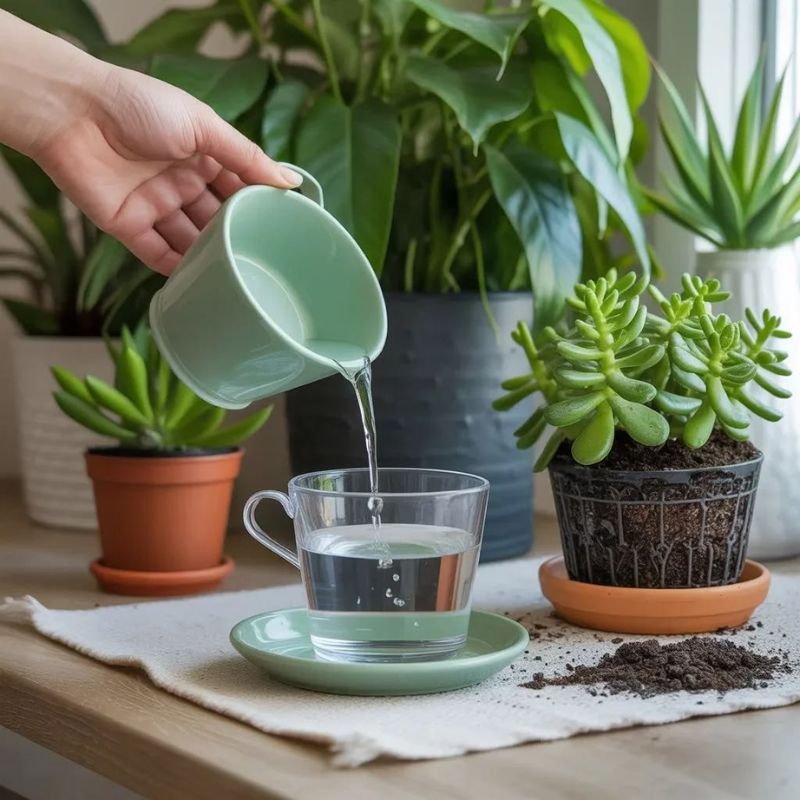
Beyond watering, your soil choice matters more than most people realize. Standard potting mix retains moisture well sometimes too well for low light conditions. Consider mixing in perlite (roughly 20–30%) to improve drainage and reduce the risk of soggy roots.
Additionally, avoid repotting too frequently. Low light plants grow slowly and generally prefer being slightly root bound. Repot only when roots are visibly escaping the drainage holes.
Feeding Your Low Light Plants
Fertilizer needs are minimal for these species. Because they grow slowly, they also consume nutrients slowly. A balanced, diluted liquid fertilizer applied once a month during spring and summer is sufficient.
However, stop fertilizing entirely in autumn and winter. Pushing growth during dormancy with extra nutrients can actually stress the plant rather than help it.
Conclusion
You don’t need a bright, sun filled space or years of gardening experience to start growing plants indoors. What truly matters is choosing the right plant for your environment and now you know exactly how to do that. Low light indoor plants are not a compromise; they are a unique category of greenery that thrive quietly and beautifully with minimal effort.
Start small and keep it simple. Pick one plant, give it a suitable spot, and care for it consistently. Over time, you’ll naturally feel inspired to add more. That once dull corner of your room will slowly turn into a peaceful green space, and before you know it, your indoor jungle will begin to grow one plant at a time.
FAQs
Q: Can any plant survive with no natural light?
Very few plants survive in complete darkness, but some can manage with artificial lighting like LEDs or grow bulbs.
Q: How can I tell if my plant isn’t getting enough light?
Signs include yellow leaves, slow growth, and long, stretched stems.
Q: Are low light plants safe for pets and children?
A: Not all some like Peace Lily and Pothos are toxic, while Spider Plant is pet friendly.
Q: How often should I clean plant leaves?
A: Wipe leaves every 2–4 weeks to help them absorb light better.
Q: What type of pot is best for low light plants?
Terracotta pots are ideal because they prevent excess moisture buildup.