
Few things transform a living space quite as dramatically as large indoor plants. A single towering Fiddle Leaf Fig or a sprawling Monstera can redefine an entire room, adding depth, texture, and an unmistakable sense of life that no piece of furniture or wall art can replicate. Beyond their visual impact, large indoor plants actively improve the air you breathe, regulate humidity, and bring a calming connection to nature into your everyday surroundings.
Yet many plant lovers hesitate. They worry about maintenance, about choosing the wrong variety, or about whether their home receives enough light. The truth is that with the right knowledge, caring for large indoor plants is far more straightforward than most people expect. This comprehensive guide walks you through everything you need to know from selecting the best species to mastering placement, watering, and long term care so you can build the lush indoor garden you have always envisioned. If you’re new to indoor gardening, be sure to read our Indoor Plant Stands guide for expert tips on displaying plants beautifully while supporting healthy growth throughout your home.
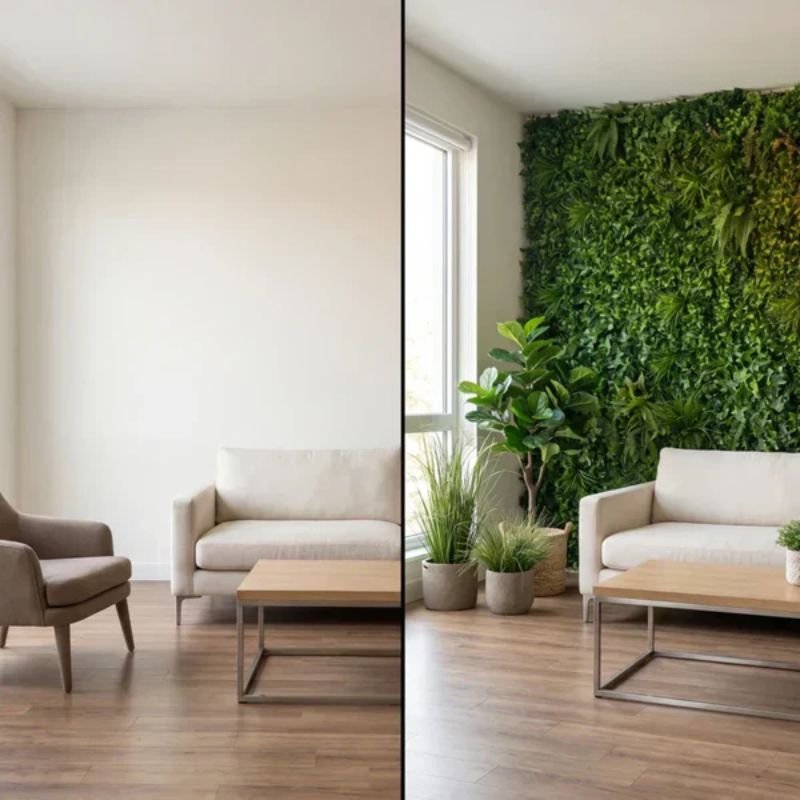
Why Choose Large Indoor Plants for Your Home
Houseplants have experienced a genuine cultural resurgence over the past decade, and large indoor plants sit firmly at the centre of that movement. They are no longer considered an afterthought in interior design; they are deliberate, powerful focal points that shape how a room looks and feels.
Aesthetic Impact and Visual Drama
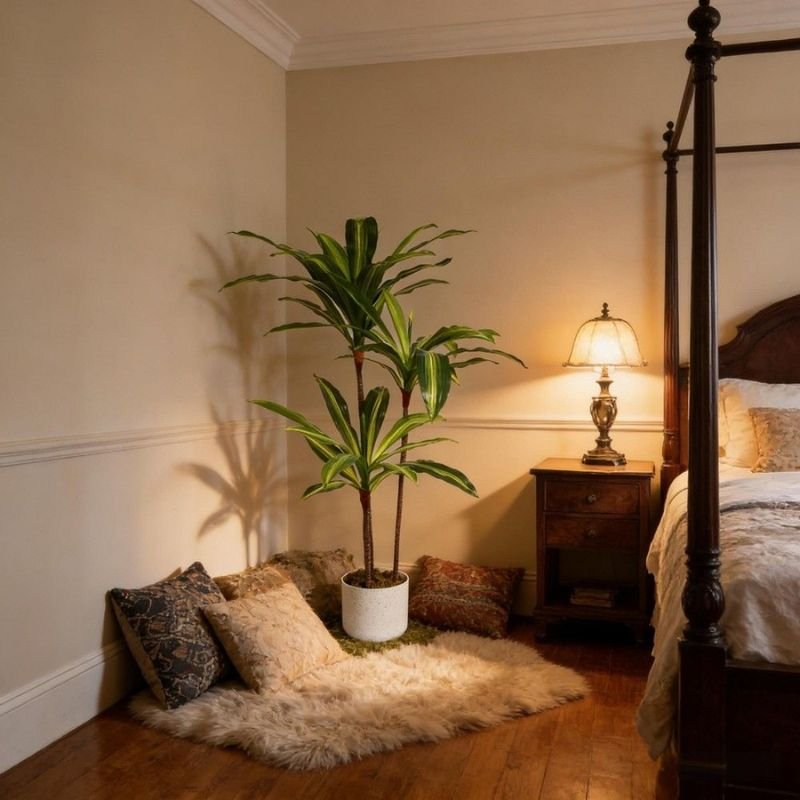
Rooms that feel flat or uninspired often need a single strong vertical element to anchor them. Large indoor plants deliver exactly that. A Monstera deliciosa with its iconic split leaves brings an organic, sculptural quality that softens hard architectural lines. A Bird of Paradise creates a sense of height and tropical luxury. Unlike static decor, these plants grow and evolve, meaning your interior constantly refreshes itself.
Colour psychology also plays a role here. Green is universally associated with balance, renewal, and calm. Introducing large leafy plants shifts the emotional atmosphere of a room almost imperceptibly guests feel more at ease, conversations feel more relaxed, and the space itself feels more alive.
Air Purification and Wellbeing Benefits
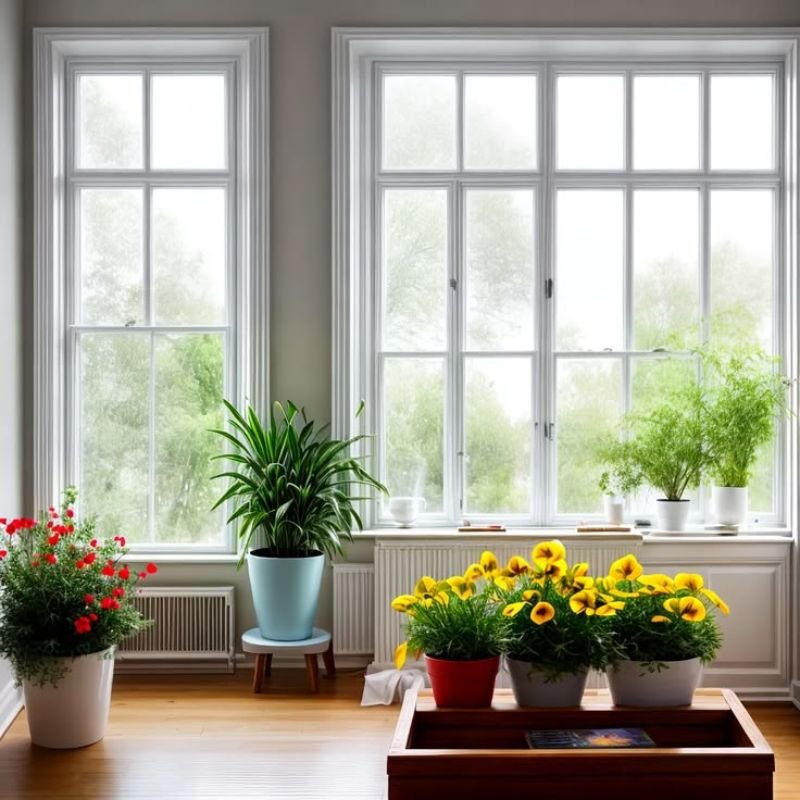
NASA research brought indoor air purification into mainstream awareness, and while a plant alone cannot replace proper ventilation, the evidence is clear: large indoor plants meaningfully contribute to healthier air. Plants with expansive leaf surfaces such as Pothos, Peace Lily, and Snake Plant absorb carbon dioxide and release oxygen through photosynthesis. Some varieties also assist in filtering trace volatile organic compounds (VOCs) released by synthetic materials in modern furniture and paint.
Beyond measurable air quality improvements, the psychological benefits of living with plants are well documented. Studies from the University of Exeter and others confirm that exposure to greenery reduces cortisol levels, lowers resting heart rate, and improves overall mood. Simply put, large indoor plants make your home a healthier place to be. For more expert advice on indoor gardening and plant care, visit the Royal Horticultural Society (RHS).
Top Varieties of Large Indoor Plants
Selecting the right species is the single most important decision you will make as an indoor plant grower. Each variety has distinct light, water, and humidity requirements. The five plants below are consistently regarded by horticulturists as the finest choices for statement indoor growing.
How to Choose Large Indoor Plants
Before buying large indoor plants, consider the amount of natural light available, the size of your room, humidity levels, and your maintenance routine. Choosing the right plant for your environment makes care much easier and helps your plants thrive for years. Also, make sure the plant has enough space to grow without overcrowding your room.
1. Monstera Deliciosa (Swiss Cheese Plant)
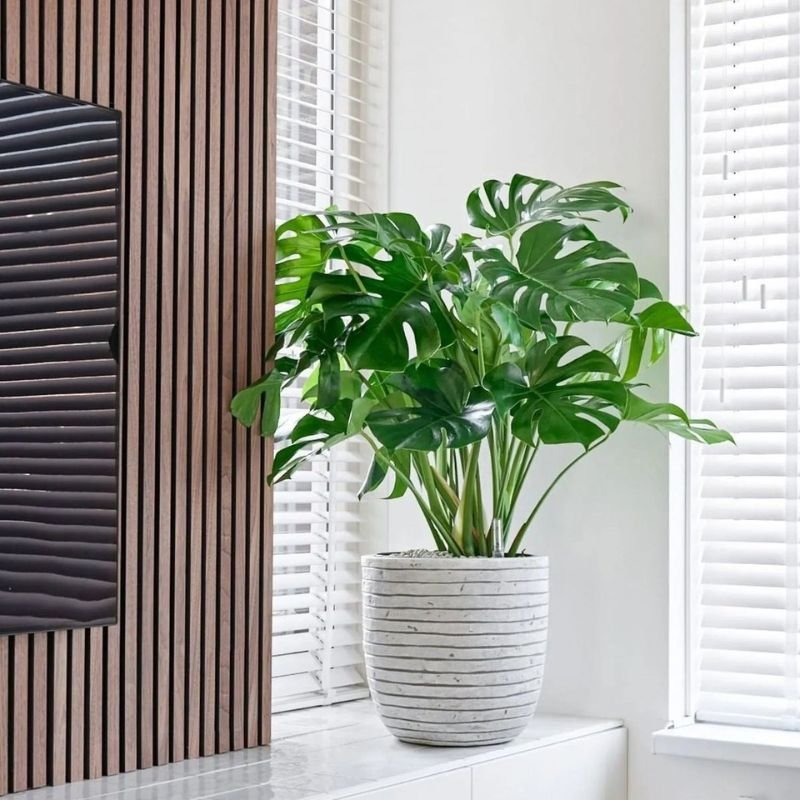
The Monstera deliciosa is, without question, one of the most recognisable large indoor plants in the world. Its deeply fenestrated leaves those distinctive natural holes and splits create an architectural elegance that works in contemporary, bohemian, and tropical inspired interiors alike. Mature specimens can reach three metres indoors, making them genuine statement pieces. Monstera thrives in bright indirect light and prefers watering only when the top two inches of soil have dried out. It appreciates occasional misting and a monthly liquid feed during the growing season from spring through early autumn.
2. Fiddle Leaf Fig (Ficus lyrata)
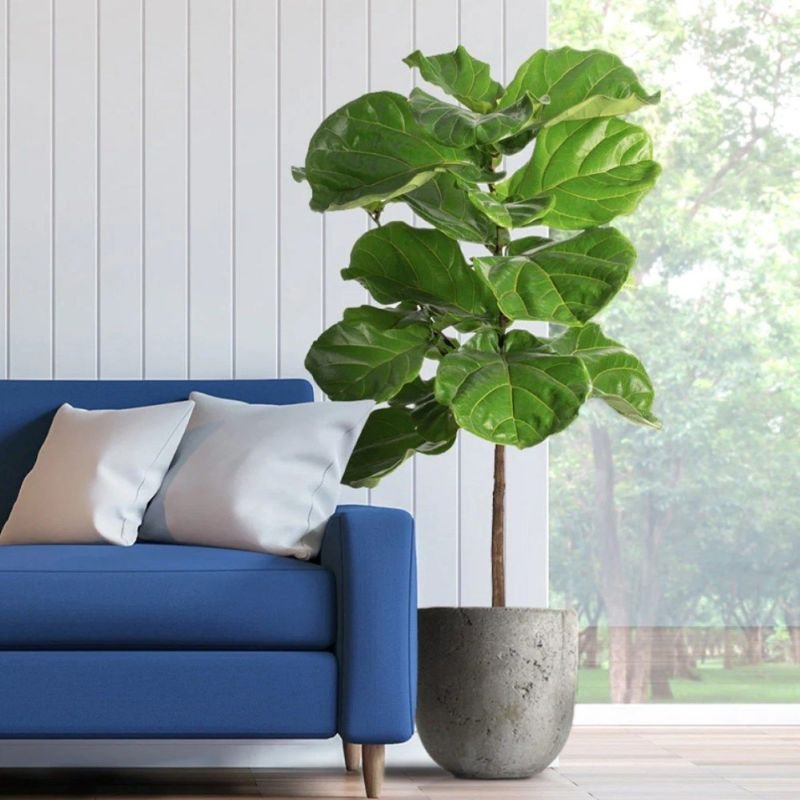
The Fiddle Leaf Fig has dominated interior plant trends for years, and its popularity is entirely justified. Its large, violin-shaped leaves grow upward on a slender, treem like trunk, creating a silhouette that is simultaneously bold and elegant. It favours a bright spot near a south or east-facing window but dislikes direct harsh sunlight, cold draughts, and being moved repeatedly. Consistency is the key to success with Ficus lyrata: water thoroughly when the top inch of soil dries, empty the saucer after an hour to prevent root rot, and feed monthly with a balanced liquid fertiliser from spring to summer.
3. Bird of Paradise (Strelitzia reginae / nicolai)
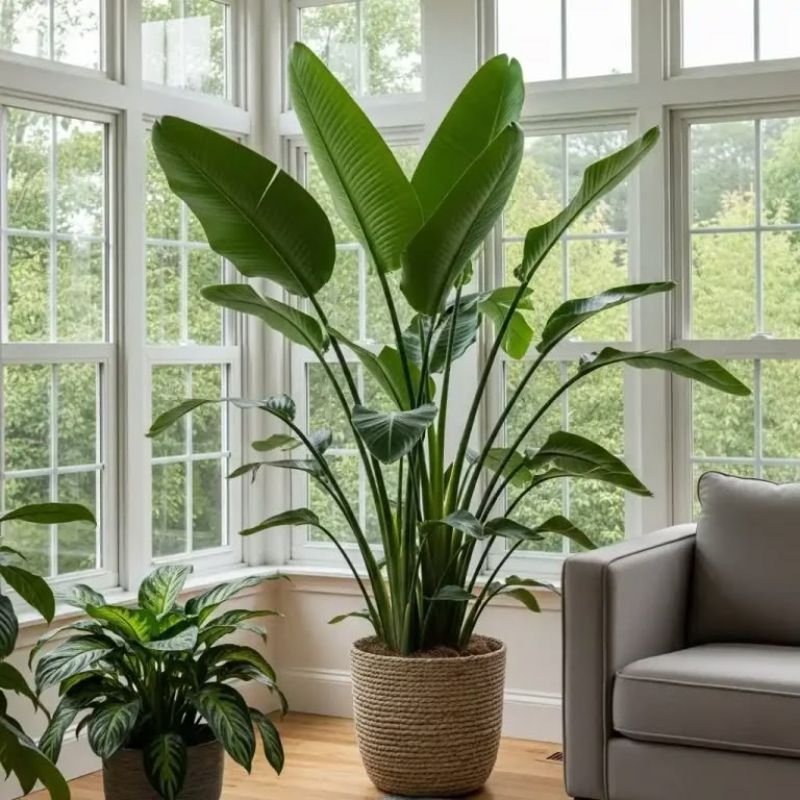
For those seeking a true tropical statement, the Bird of Paradise delivers an unmatched combination of size, drama, and structural beauty. Strelitzia nicolai, the giant white variety, can grow to four metres indoors and produces enormous paddle shaped leaves that naturally split at the edges to reduce wind resistance a charming quirk that adds to its appeal. This plant is one of the most sun-tolerant large indoor plants available, thriving in bright direct morning light. Water generously during summer and reduce significantly in winter, allowing the soil to dry between waterings. If you’re decorating your living area, don’t miss our Living Room Decorating Ideas for more inspiration.
4. Rubber Plant (Ficus elastica)
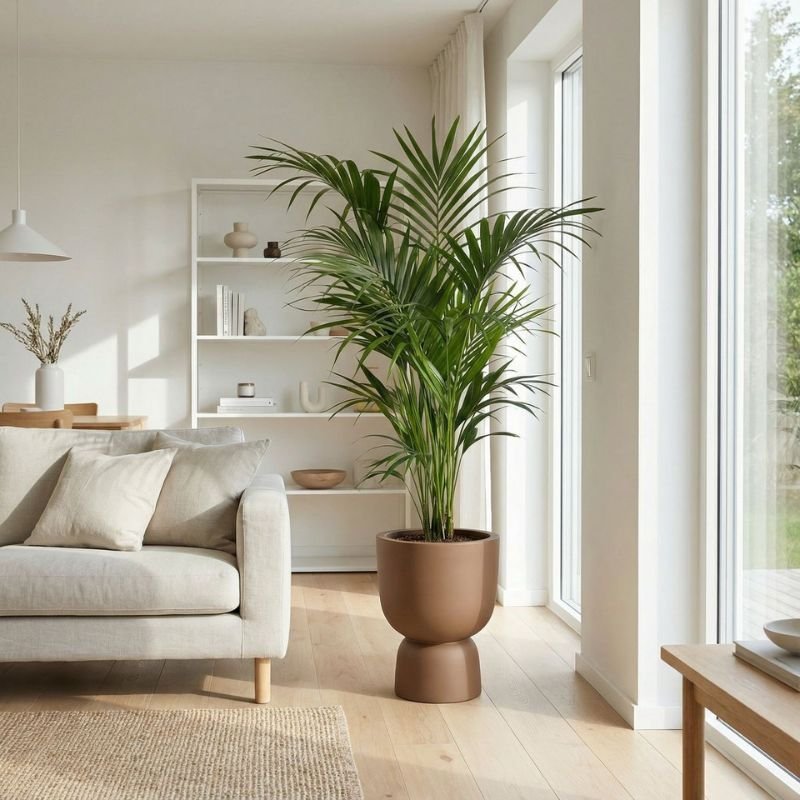
The Rubber Plant is an ideal choice for those who want large scale greenery without excessive maintenance demands. Its glossy, thick leaves available in deep green, burgundy, or variegated cream tones are strikingly beautiful and remarkably easy to keep clean. Ficus elastica adapts well to moderate light conditions, making it one of the more forgiving large indoor plants for rooms that receive indirect rather than direct sunlight. Water moderately during growth periods and sparingly in winter. Wipe the leaves with a damp cloth every few weeks to maintain their lustrous appearance and maximise photosynthesis. Complete the look with our Wall Decor ideas to create a modern and stylish interior.
5. Kentia Palm (Howea forsteriana)
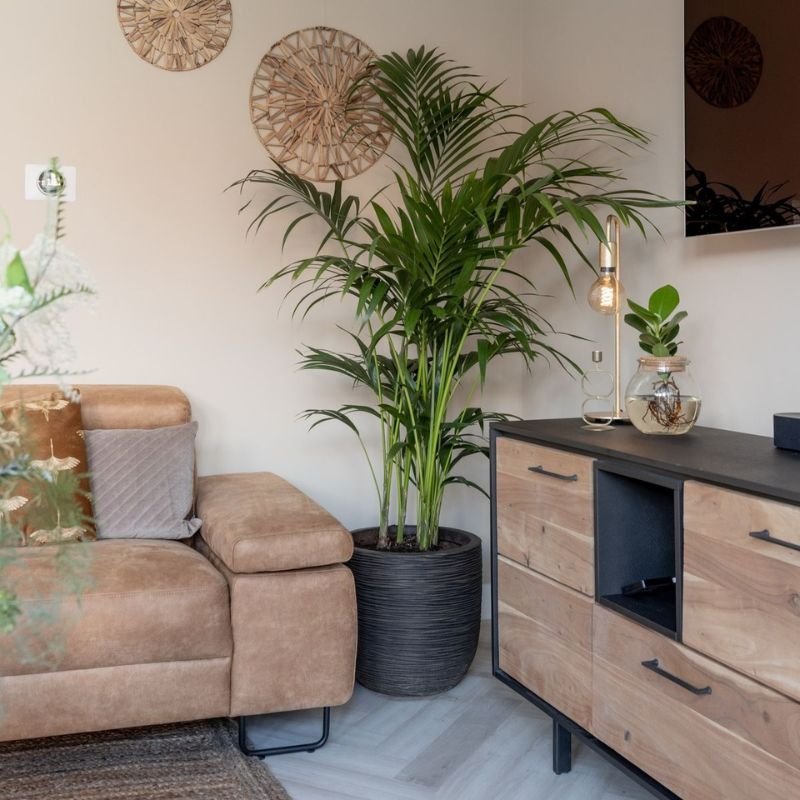
The Kentia Palm is the aristocrat of large indoor plants. Originating from Lord Howe Island in the Tasman Sea, it has graced the grand interiors of Victorian hotels and palaces for over a century and it remains just as relevant today. Its graceful arching fronds bring a sense of refined tropical elegance to any space. Unusually for a large plant, the Kentia Palm tolerates low light conditions far better than most species, making it a superb choice for north facing rooms or shaded hallways. Water moderately, ensure good drainage, and feed lightly every six weeks during the growing season.
Large Indoor Plants Comparison
| Plant | Light | Care Level | Best Room |
|---|---|---|---|
| Monstera | Bright Indirect | Easy | Living Room |
| Fiddle Leaf Fig | Bright | Medium | Living Room |
| Bird of Paradise | Bright | Medium | Bedroom |
| Rubber Plant | Medium | Easy | Home Office |
| Kentia Palm | Low to Medium | Easy | Hallway |
Essential Care Tips for Large Indoor Plants
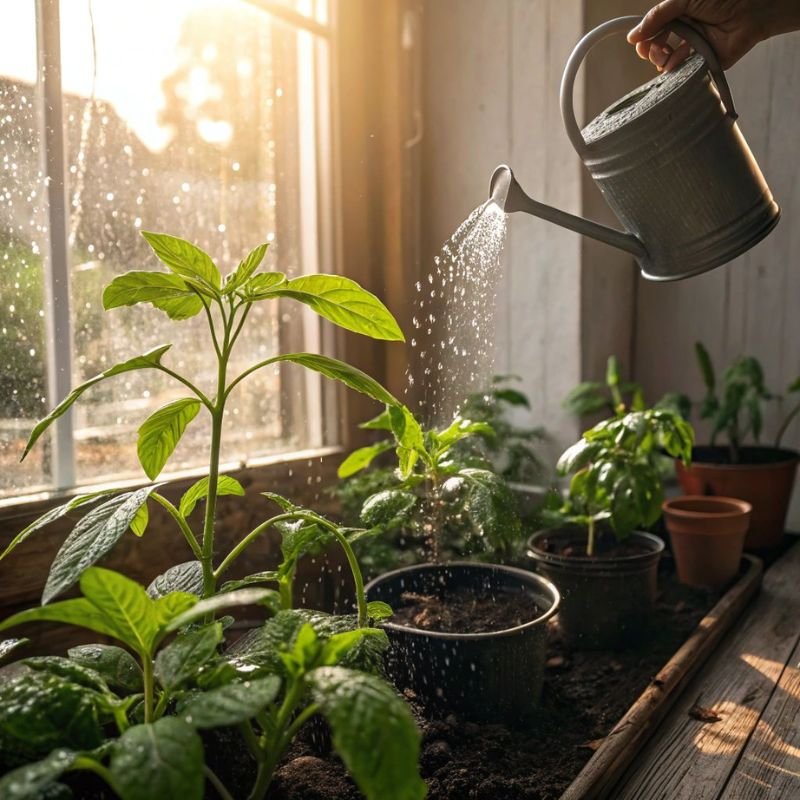
Understanding the fundamental needs of large indoor plants separates thriving specimens from struggling ones. Three variables above all others determine success: light, water, and container size. Get these right, and the rest follows naturally.
Lighting: Matching the Plant to the Room
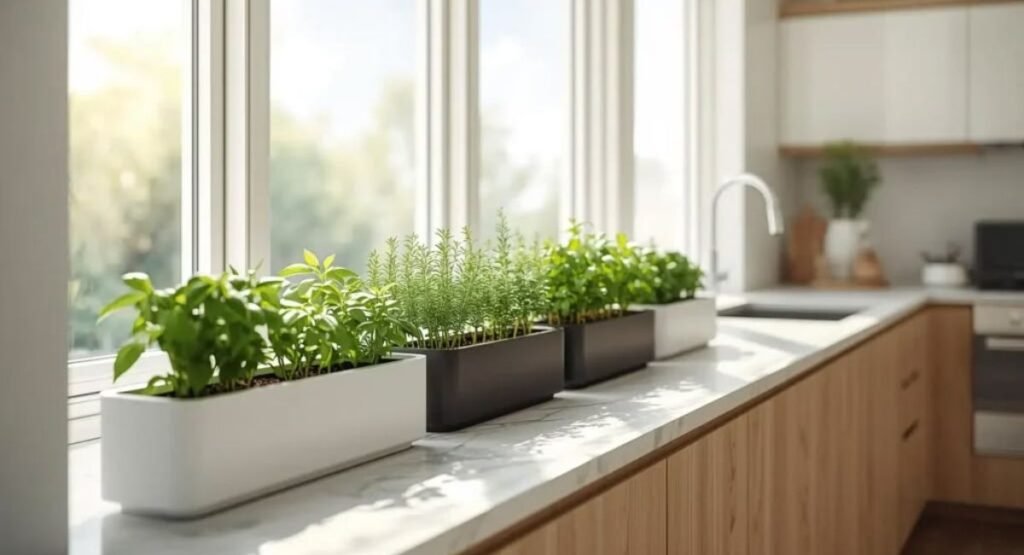
Light is the single most critical factor in indoor plant health low light indoor plants. Before purchasing any large indoor plant, assess your available light honestly. South facing windows in the northern hemisphere receive the most light and are suitable for sun loving species like Bird of Paradise and many palms. East facing windows offer gentle morning sun, ideal for Fiddle Leaf Fig and Rubber Plant. North facing rooms remain the most challenging; however, the Kentia Palm and Cast Iron Plant (Aspidistra) are genuinely adapted to low light conditions.
A common mistake is placing a plant near a window but behind a net curtain or blind, dramatically reducing the light it receives. If your space is genuinely low on natural light, consider supplementing with a full spectrum LED grow light during the darker months. Plants in higher light positions will grow faster and may need more frequent watering; those in lower light grow slowly and are at greater risk of overwatering.
Watering: The Art of Getting It Right
Overwatering is the number one cause of death among large indoor plants, far surpassing underwatering. The golden rule is simple: always check the soil before you water, never water to a schedule. Push your finger two inches into the compost. If it feels moist, wait. If it feels dry, water thoroughly until it drains freely from the bottom of the pot.
Large pots hold more moisture than small ones, which means they dry out more slowly. Terracotta pots lose moisture through their walls and tend to require more frequent watering than ceramic or plastic containers. The quality of your water also matters: most large indoor plants prefer slightly settled tap water or rainwater at room temperature. Cold water from the tap can cause root shock in tropical species.
Pot Sizing: Room to Grow
Choosing the correct pot size is often overlooked but enormously important. A pot that is too large relative to the root ball holds excess moisture around the roots, creating ideal conditions for fungal root rot. Conversely, a pot that is too small restricts root development and causes the plant to become pot-bound, stunting growth and reducing the plant’s ability to take up nutrients.
As a reliable guideline, re pot your large indoor plants into a container one to two inches larger in diameter than the current pot each spring, or when you see roots emerging from the drainage holes. Use a well-draining compost a mix of peat free multipurpose compost with perlite or coarse sand works excellently for most tropical species. Always choose a pot with drainage holes; decorative outer pots without holes should be used as cachepots only.
Positioning Your Large Indoor Plants for Maximum Impact
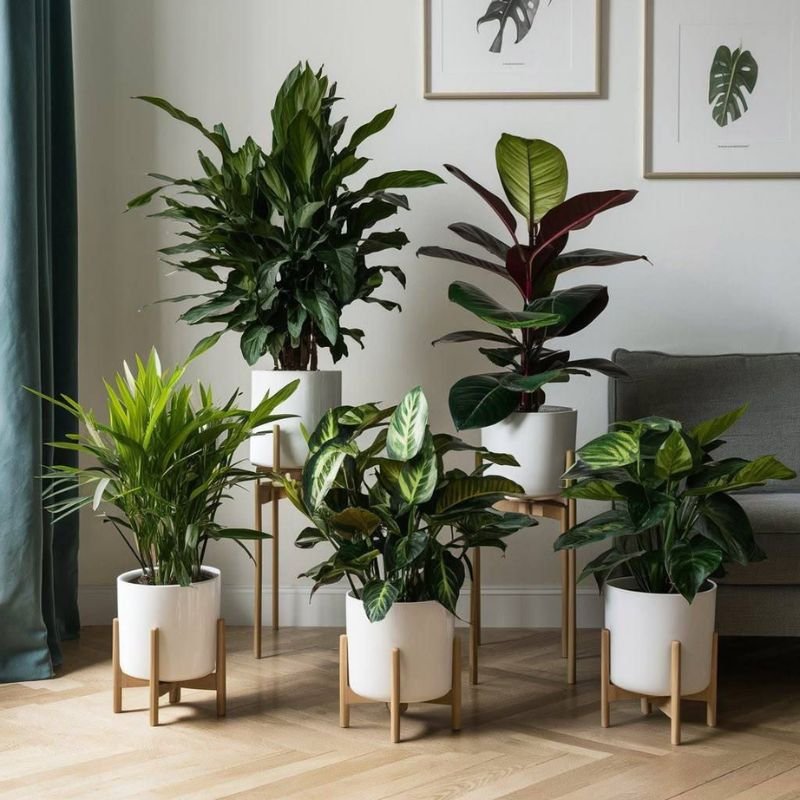
Placement is where horticulture meets interior design, and thoughtful positioning can transform both the aesthetic and the health of your large indoor plants. Here are the core principles used by professional interior stylists and plant designers.
- Create a focal point: Position a tall specimen a Bird of Paradise or Fiddle Leaf Fig in an empty corner or beside a neutral coloured wall. The plant becomes the room’s anchor, drawing the eye immediately upon entering.
- Use varying heights: Group plants of different heights together to create depth. A tall Monstera behind a mid height Rubber Plant with a trailing Pothos at the base forms a layered, naturalistic composition.
- Frame architectural features: Large indoor plants placed either side of a fireplace, doorway, or bed headboard create symmetry and a sense of intentional, curated design.
- Consider negative space: Avoid clustering too many plants in one area. A single large plant in a spacious, minimalist room carries far more visual weight than a crowded collection.
- Follow the light, not the aesthetic: Choose your plant based on the light that position actually receives, then adapt your styling around it. Beauty is temporary if the plant is in the wrong spot.
- Elevate smaller large plants: Use plant stands, stools, or plinths to raise plants to eye level. This prevents them from appearing squat and allows the full leaf structure to be appreciated.
- Introduce plants into unexpected spaces: Bathrooms with windows, hallways, and home offices are frequently overlooked. A large Kentia Palm in a well lit bathroom adds spa like luxury and genuinely thrives in the ambient humidity. Looking to style your plants even better? Read our Indoor Plant Stands guide to find the perfect stand for every room.
Common Mistakes to Avoid
Many indoor plants struggle because of simple care mistakes. Avoid overwatering, placing plants in poor lighting conditions, using pots without drainage holes, or moving plants too frequently. Regular watering, proper lighting, and well-draining soil will keep your plants healthy and growing beautifully.
Large Indoor Plant Trends (2026)
Large indoor plants continue to dominate home decor trends in 2026. Homeowners are choosing oversized statement plants, sustainable planters, natural wood plant stands, and biophilic interior design to create healthier and more relaxing living spaces.
Popular Trends
- Oversized Monstera plants
- Fiddle Leaf Fig trees
- Large Kentia Palms
- Sustainable ceramic planters
- Wooden indoor plant stands
- Japandi-inspired interiors
- Indoor jungle styling
- Biophilic home design
According to Architectural Digest, biophilic design and indoor greenery continue to be among the biggest interior design trends for modern homes. Looking for more home decorating inspiration? Explore our Indoor Plant Stands, Living Room Decorating Ideas, Bedroom Rugs, Bathroom Wallpaper Ideas, and Wall Decor guides to create a greener, more stylish, and welcoming home.
FAQs
Q1. How often should I fertilise my large indoor plants?
Feed every 4–6 weeks during March September with diluted liquid fertiliser; avoid feeding in autumn and winter.
Q2. Why are the leaves on my Fiddle Leaf Fig turning brown?
Brown leaves are usually caused by inconsistent watering, low humidity, or overwatering leading to root rot.
Q3. Can large indoor plants survive in low light rooms?
Yes, plants like Kentia Palm, ZZ Plant, and Dracaena can survive in low light but still need some natural light.
Q4. How do I clean large plant leaves, and why does it matter?
Wipe leaves with a damp cloth every 2–3 weeks to remove dust and help plants breathe properly.
Q5. What is the best large indoor plant for beginners?
Monstera deliciosa is ideal for beginners because it’s easy to care for and adapts well to different conditions.
Conclusion
Large indoor plants are more than just decoration they bring life, calmness, and a natural feel into your home. Even a single plant can transform the atmosphere of a room, making it more inviting and refreshing. As you grow your collection, you’ll notice not just visual beauty but also a deeper connection with nature inside your living space.
The key to success is starting simple and learning as you go. Choose plants that match your environment, understand their basic needs, and stay consistent with care. Over time, your confidence will grow along with your plants, helping you build a beautiful indoor jungle effortlessly.