
There is a moment at every dinner party when the conversation pauses and someone glances upward. They are not looking at the ceiling they are looking at the light. Dining room light fixtures are the unsung conductors of atmosphere. They determine whether your table feels intimate or clinical, celebratory or mundane. A well chosen fixture does not just light a room it defines it.
Yet most homeowners spend more time choosing a sofa than a pendant light. Wall Art for Living Room That is a mistake worth correcting. This guide walks you through everything you need to know from style and sizing to bulb temperature and installation so that your next dining room light fixture becomes the centrepiece your home deserves.
Why Dining Room Light Fixtures Matter for Your Home Ambiance
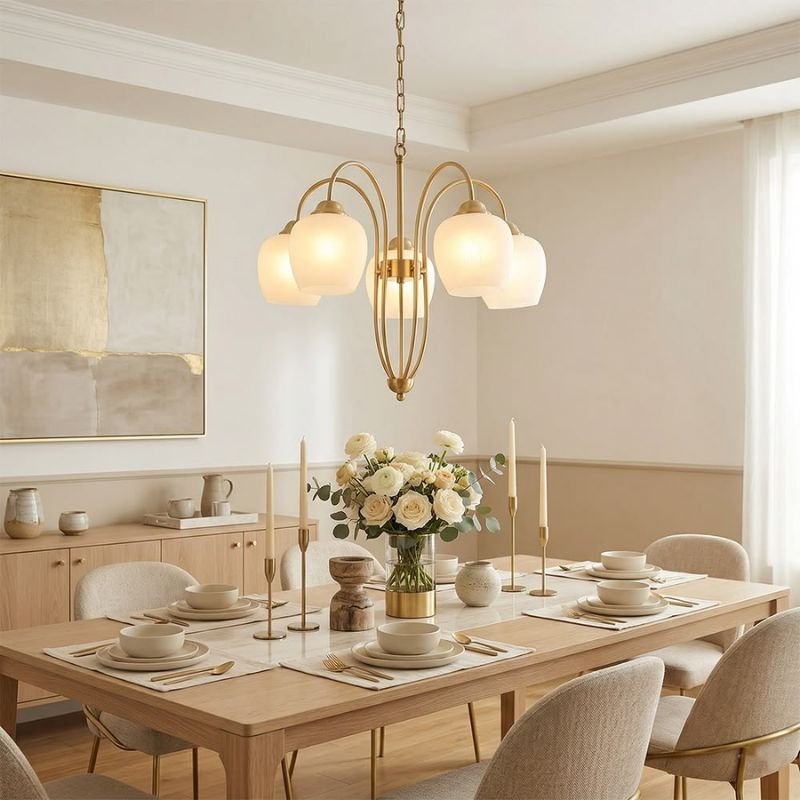
Lighting is the one element of interior design that works on a psychological level before it works on an aesthetic one. Before your guests notice the wallpaper or the table runner, they feel the quality of the light. Warm, layered illumination signals welcome. Harsh, flat light signals a waiting room.
Dining room light fixtures sit at the intersection of form and function. Functionally, they must provide enough brightness to make a meal comfortable without casting shadows across half the table. Aesthetically, they operate as a sculptural element: a focal point that holds the room together even when the lights are switched off.
Furthermore, a fixture that is perfectly matched to its room communicates a level of intentionality that elevates everything else around it. Consequently, understanding the balance between practicality and visual presence is the first and most important step in making the right choice.
Popular Styles of Dining Room Light Fixtures to Consider
Specifically, the fixture you choose should speak the same design language as the rest of your home. Mixing a raw industrial pendant with an ornate Victorian dining set creates friction, not character. Below are the three styles dominating home decor right now and the interiors they serve best.
Modern Chandelier Lighting for Contemporary Dining Rooms
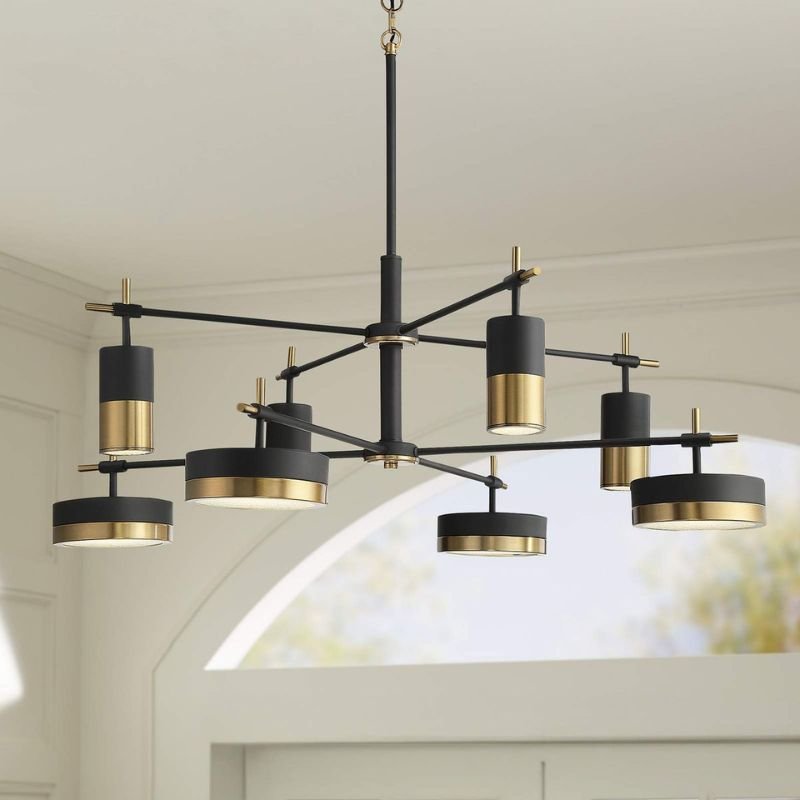
Modern chandeliers have shed the crystal and gilt associations of the past. Today’s versions feature geometric armatures in brushed brass, matte black, living room sofa set or satin nickel, with clean sight lines and a deliberate restraint in ornamentation. They work beautifully in open plan spaces where the dining area flows into a contemporary kitchen, providing vertical drama without visual clutter.
Rustic Pendant Lights That Warm Up Any Dining Space
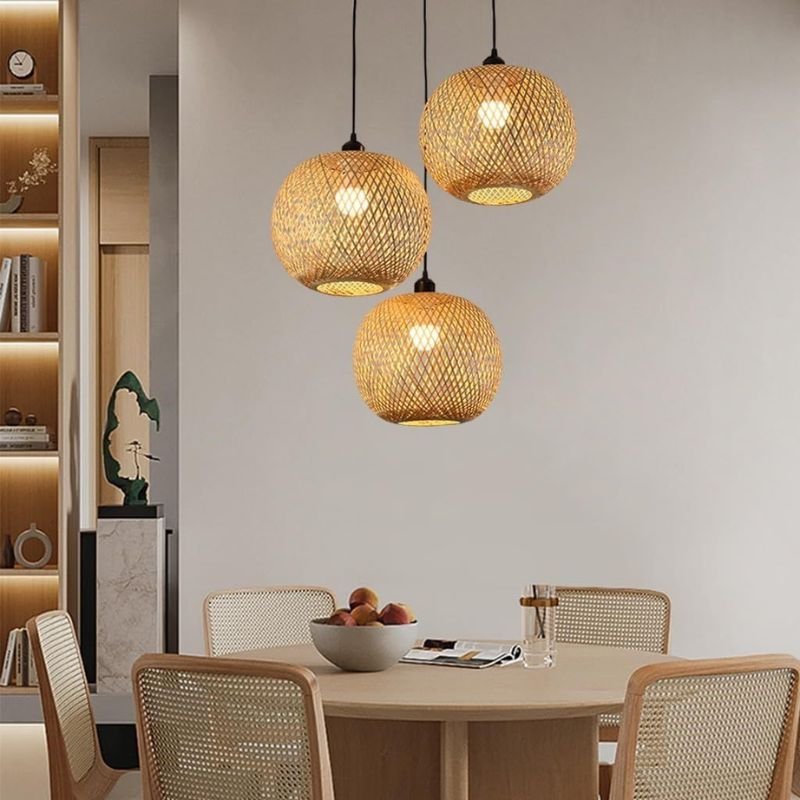
Woven rattan, aged wood, seeded glass, and hand thrown ceramics rustic pendant lights bring an organic warmth that no paint colour can replicate. A cluster of three rattan pendants hung at staggered heights over a reclaimed wood dining table creates an atmosphere that feels genuinely lived in rather than curated. These fixtures pair exceptionally well with exposed brick, linen upholstery, and natural fibre rugs.
Minimalist Linear Fixtures for a Clean Dining Room Look
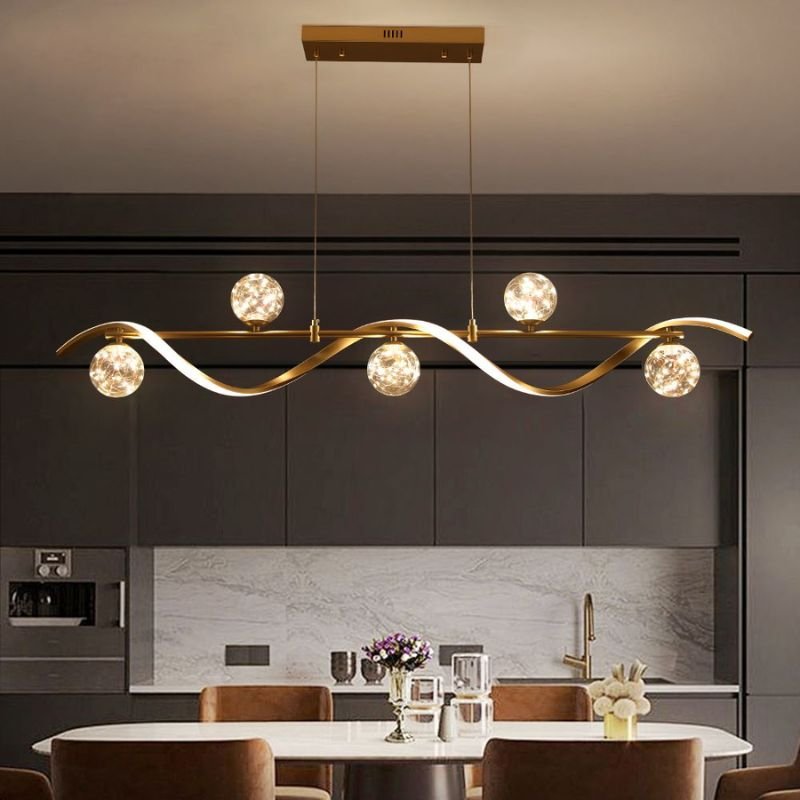
Long, low profile LED bars and rod pendants are having a moment and for good reason. Their horizontal form mirrors the shape of a rectangular dining table, creating a visual harmony between the fixture and the surface it illuminates. They deliver even, shadowless light across the full length of the table, making them as practical as they are elegant.
How to Size Your Dining Room Light Fixture Correctly
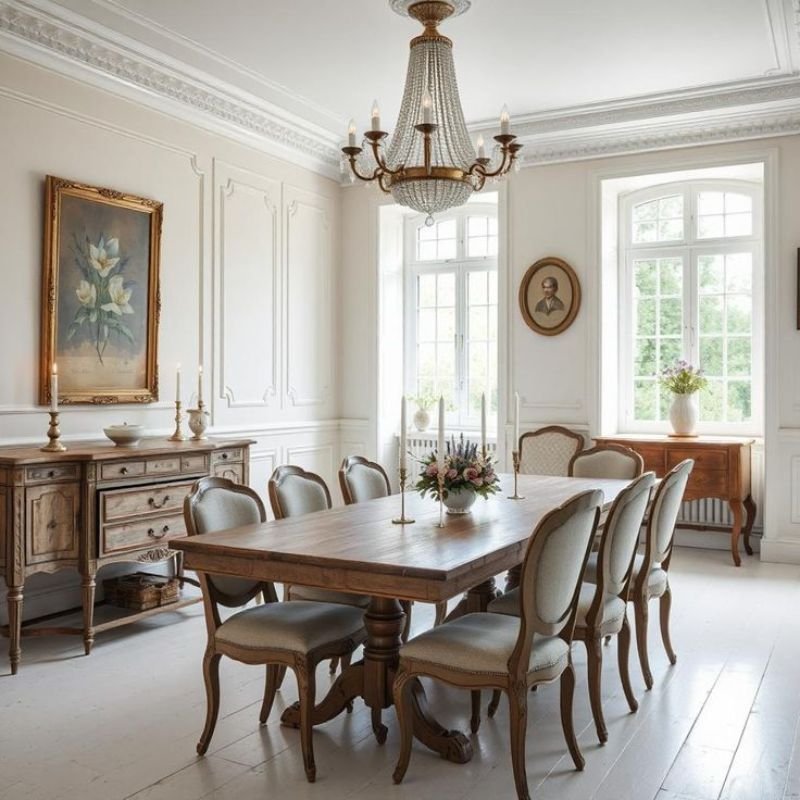
Getting the size wrong is the fastest way to make an expensive fixture look cheap. A chandelier that is too small floats awkwardly above the table; one that is too large overwhelms the room. Fortunately, two straightforward rules of thumb remove the guesswork entirely.
Rule 1 Diameter: Add the room’s length and width in feet. The resulting number, converted to inches, gives you the ideal fixture diameter. Example: A 10 × 12 ft room = 22 inch diameter fixture.
Rule 2 Hanging Height: The bottom of your fixture should hang 30–36 inches above the tabletop for standard 8 foot ceilings. For every additional foot of ceiling height, raise the fixture by 3 inches. For a 10-foot ceiling: hang 36–42 inches above the table.
Additionally, for rectangular tables, a linear pendant or elongated chandelier should span roughly half to two thirds of the table’s length never the full width, which reads as overcrowded. Over a round table, a single centred fixture with a diameter approximately one third of the table’s diameter is the accepted standard.
Choosing the Right Bulb Temperature for Dining
You can spend a thousand dollars on a fixture and ruin it entirely with the wrong bulb. large living room rugs Colour temperature measured in Kelvin determines whether your dining room feels romantic or sterile, vibrant or washed out. It is the single most overlooked variable in residential lighting.
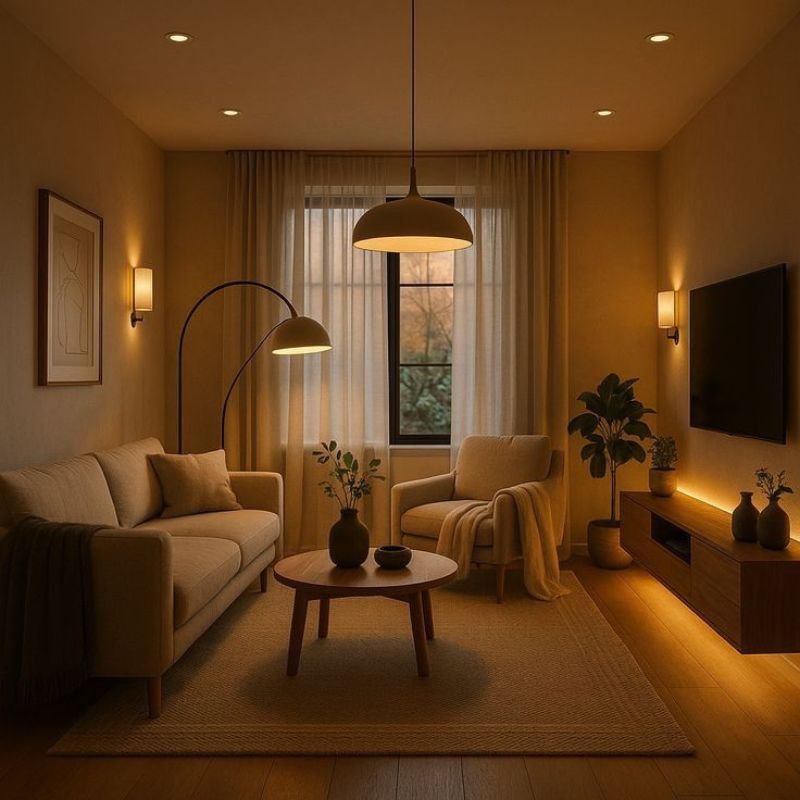
| Warm White (2700–3000K) | Cool White (3500–4000K) | |
| Mood | Intimate, flattering, candlelightlike | Bright, alert, task oriented |
| Best Use | Formal dining, dinner parties, family meals | Kitchen dining hybrids, homework areas |
| Verdict | Recommended for dining rooms | Use only in dual purpose spaces |
Furthermore, pairing any bulb with a dimmer switch is non negotiable in a dining room. A warm 2700K bulb on a dimmer gives you everything from a bright Sunday brunch to a quiet dinner for two without buying a second fixture. Avoid anything above 4000K in a pure dining context; it reads clinical rather than welcoming.
Conclusion
The right dining room light fixtures are far more than a practical necessity. When you match scale to your room, style to your home, and bulb temperature to the mood you want to create, the result is a space that feels intentionally designed rather than accidentally assembled. Specifically, it becomes the centrepiece that makes ordinary dinners feel like occasions worth remembering the backdrop against which every meal, every celebration, and every late night conversation takes place.
Take your time, measure twice, and trust your instincts on style. Dining room light fixtures are among the few home investments that deliver returns in atmosphere every single evening. The right one, hung at the right height, glowing at the right warmth, will make every table you set beneath it look like the best seat in the house.
FAQs
Q1. What is the ideal height to hang dining room light fixtures above the table?
Hang the bottom of your fixture 30–36 inches above the tabletop for standard 8-foot ceilings, adding 3 inches for every additional foot of ceiling height beyond that.
Q2. How many pendant lights do I need over a rectangular dining table?
Two to three pendants spaced evenly work best over a standard 6–8 foot table, ensuring even light distribution without overcrowding the visual field above the surface.
Q3. Can I use a chandelier in a small dining room?
Absolutely choose a slender, open frame design sized to the diameter formula, and the vertical drama of a chandelier will actually make a compact room feel taller and more elegant.
Q4. What bulb wattage is recommended for dining room fixtures?
Aim for 30–40 total watts of LED output across your fixture, paired with a dimmer switch so you can adjust intensity for different occasions from bright brunches to candlelit dinners.
Q5. Do dining room light fixtures need to match other fixtures in the home?
They should complement, not necessarily match sharing a finish such as brushed brass or matte black with adjacent fixtures creates visual cohesion without making your home feel like a showroom catalogue.