
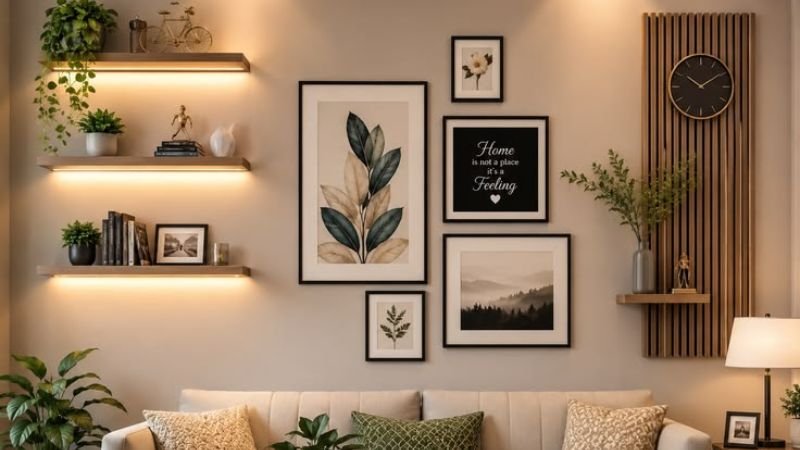
Wall shelves solve one of the biggest challenges in home design: how to add storage without sacrificing floor space. Whether you live in a cozy apartment or a spacious house, they let you display books, plants, and décor while keeping every room open and airy. They also give you the freedom to express your personal style, since you can mix materials, shapes, and arrangements to match any theme.
In this guide, you’ll learn about the different types available, the best materials for durability and style, and creative ways to style them in every room. You’ll also find practical installation tips and a buying guide to help you choose the right option for your home. By the end, you’ll have everything you need to transform blank walls into functional, beautiful storage spaces.
What Are Wall Shelves and Why Do They Matter?
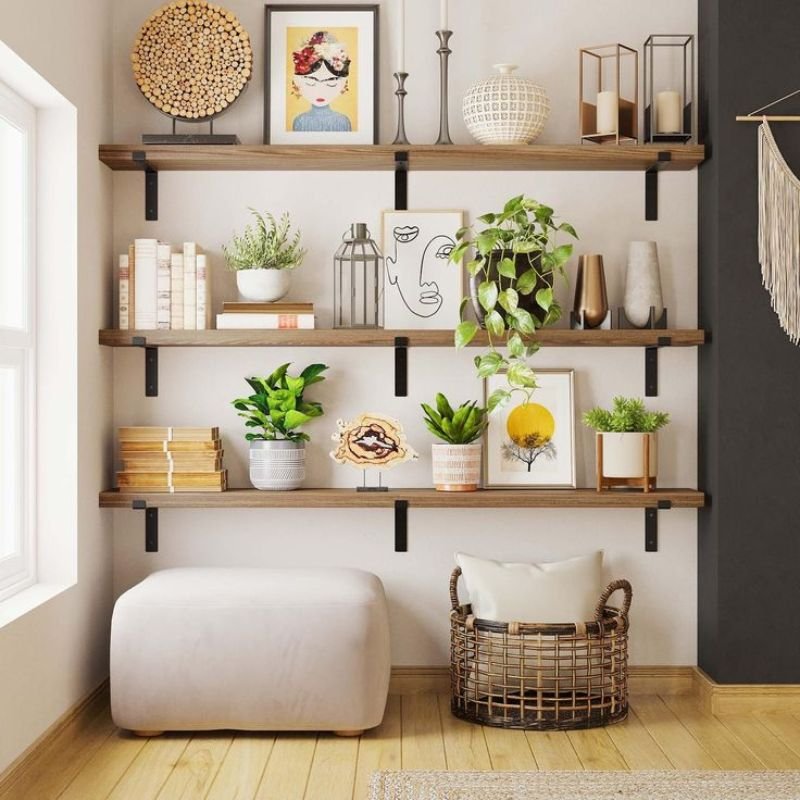
Wall shelves are horizontal surfaces mounted directly onto a wall, and they serve both practical and decorative purposes. Unlike bulky bookcases or cabinets, they free up floor space while still offering plenty of storage. As a result, they work exceptionally well in small apartments, kids’ rooms, and open concept living areas.
Beyond storage, these additions also elevate the overall look of a room. For instance, a well-arranged shelf can become a focal point, drawing the eye toward curated books, framed photos, or unique décor pieces. Additionally, they allow you to change your display often, so you can refresh your space without buying new furniture. Because of this flexibility, homeowners and renters alike continue to rely on them as a go-to storage solution.
Different Types to Consider
Choosing the right type of wall shelf depends on your space, your storage needs, and your personal aesthetic. Here are the most popular styles to consider.
Floating Shelves

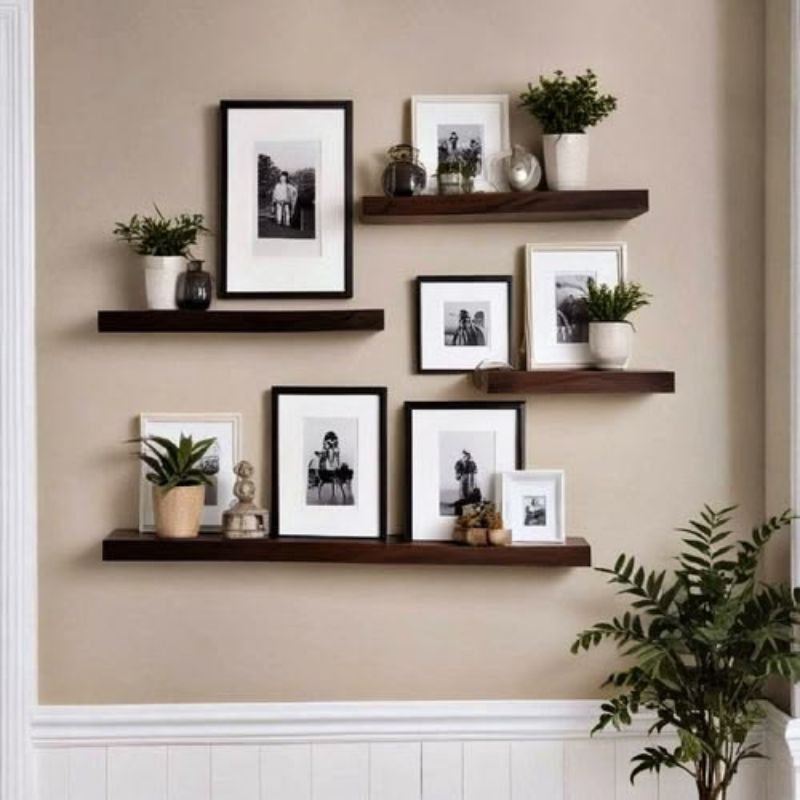
Floating wall shelves attach to the wall with hidden brackets, so they appear to float without visible support. This clean, minimalist look works beautifully in modern homes, and it pairs well with almost any décor style. Since this style has no visible hardware, they keep the focus on whatever you display.
Corner Wall Shelves
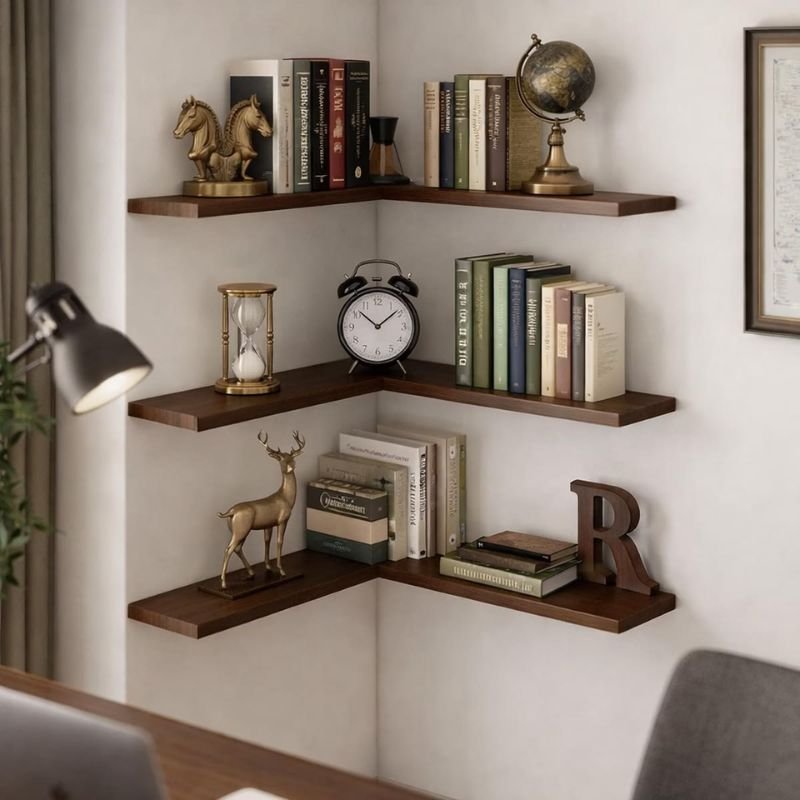
Corner wall shelves make use of otherwise wasted space, fitting neatly into the corners of a room. They work especially well in small bedrooms or hallways where every inch counts. Moreover, these shelves often come in tiered designs, which allow you to display multiple items without cluttering the space.
Ladder Wall Shelves
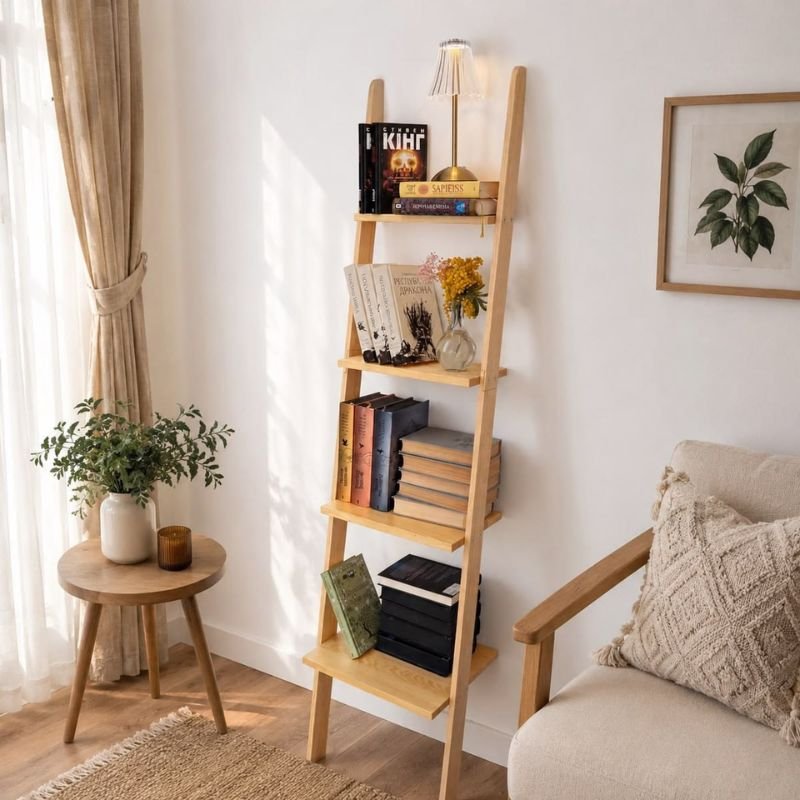
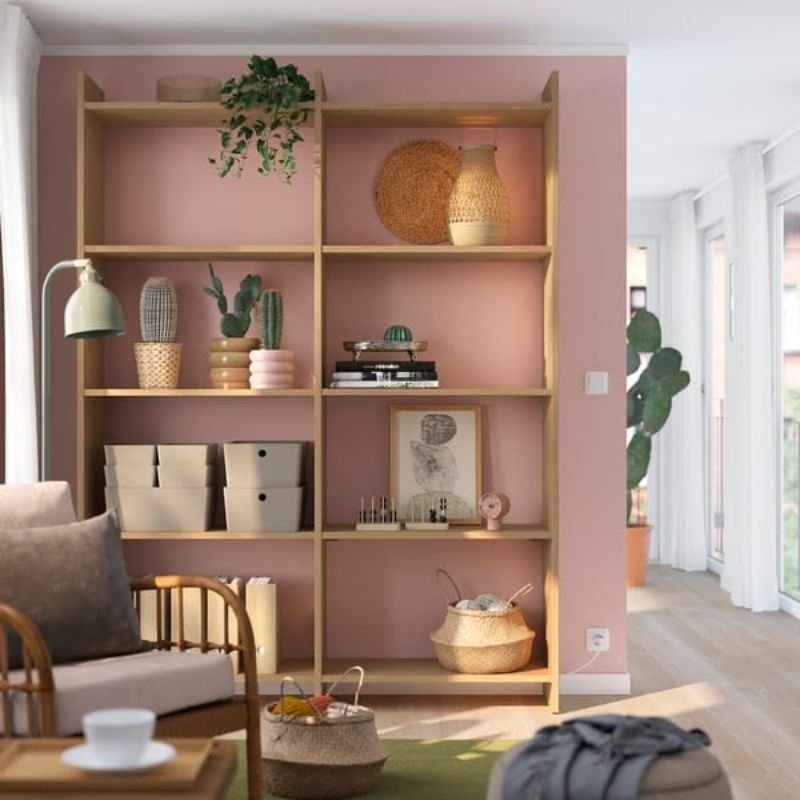
Ladder style wall shelves lean against the wall rather than mount directly onto it, offering a stylish, freestanding alternative. This type suits renters who can’t drill into walls, since it requires no installation at all. Furthermore, this style adds visual height to a room, which makes ceilings feel taller.
Cube Shelves
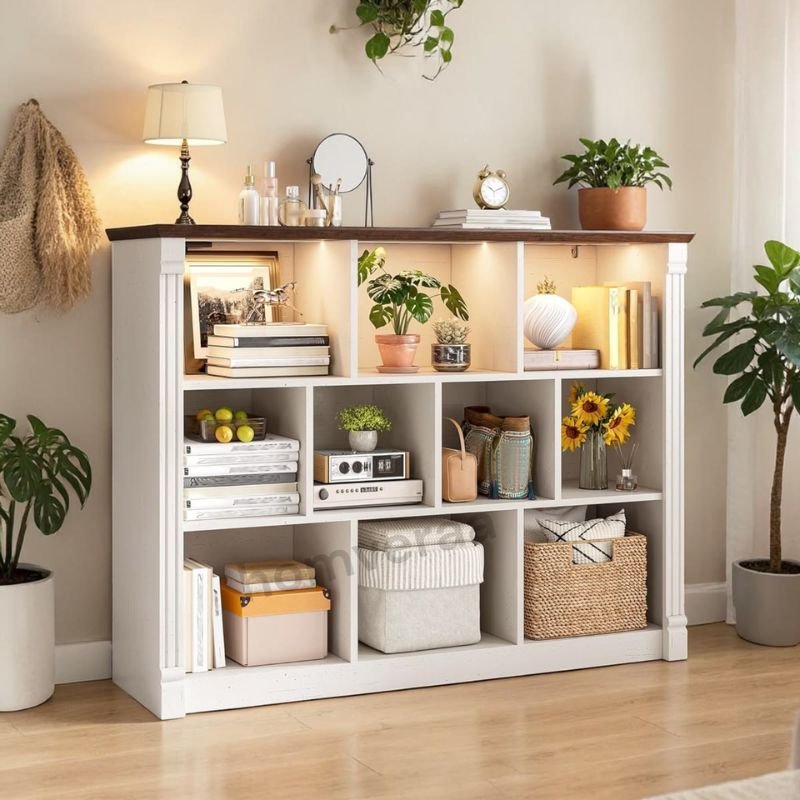
Cube wall shelves consist of box like compartments that can be arranged in creative patterns. Because each cube functions as an individual storage space, these shelves work well for organizing small items like books, plants, or collectibles. Consequently, they offer both structure and flexibility, letting you customize the layout to fit your wall.
Choosing the Best Materials
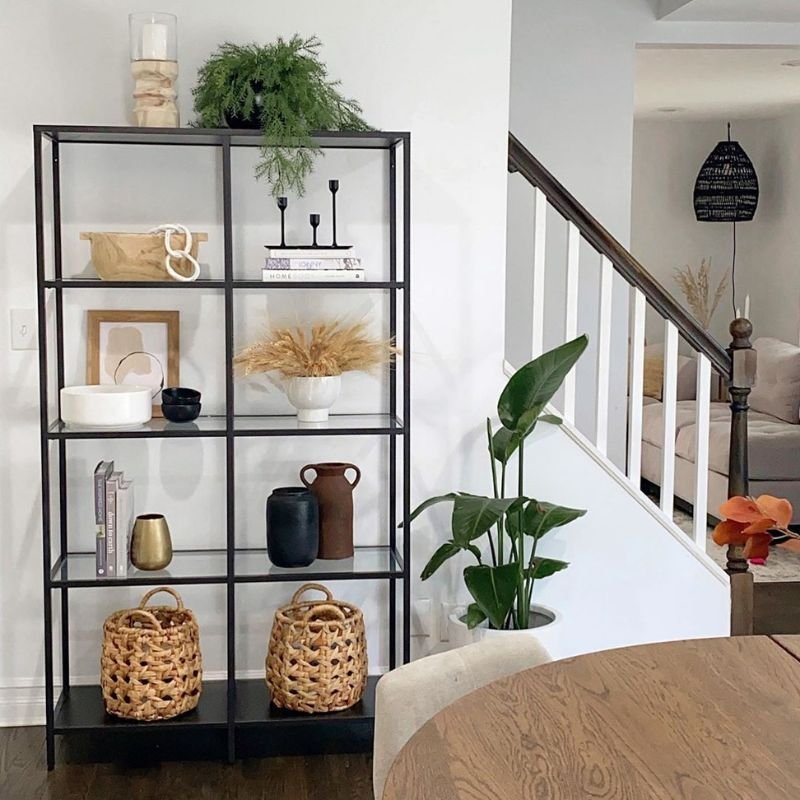
The material you choose affects both the durability and the style of your wall shelves. Wood remains a popular choice, since it brings warmth and texture to a room while supporting moderate to heavy loads. Oak, pine, and walnut each offer a distinct grain pattern, so you can match your shelves to your existing furniture.
Metal wall shelves, on the other hand, provide an industrial or modern edge. Because metal is incredibly strong, these shelves handle heavier items like large plants or stacks of books with ease. Meanwhile, glass options create a sleek, contemporary look, and they work particularly well in bathrooms or minimalist living rooms.
For a budget-friendly option, MDF (medium-density fiberboard) wall shelves offer a smooth finish at a lower price point. Although MDF isn’t as durable as solid wood, it still performs well for lightweight décor. Ultimately, the best material depends on your budget, your room’s style, and how much weight your shelving needs to support.
Creative Styling Ideas
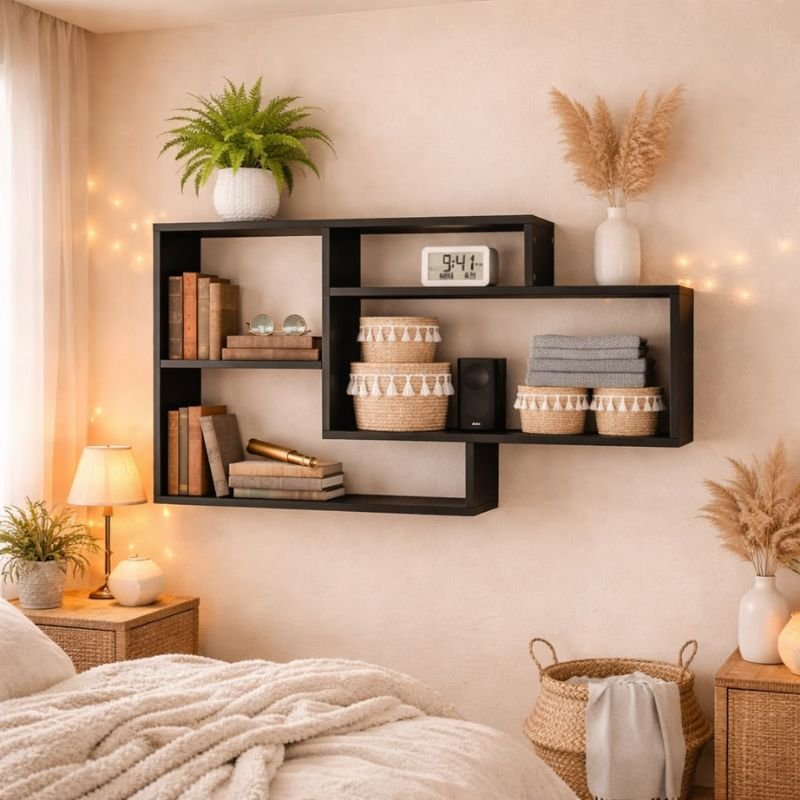
Once you’ve chosen your wall shelves, styling them thoughtfully makes all the difference. First, group items in odd numbers, such as three or five, since asymmetrical arrangements tend to look more natural than perfectly even ones. Next, vary the height of your objects by mixing tall vases with shorter frames or small plants.
Layering is another effective technique. For example, you can place a framed print flat against the wall, then lean a smaller frame in front of it for depth. Similarly, adding a plant or two brings life and color to the display, breaking up rows of books or decorative objects.
Color coordination also plays a key role in creating a cohesive look. Therefore, choose a color palette of two or three shades and repeat them across your shelf items, whether through book spines, ceramics, or artwork. Finally, don’t overcrowd your wall shelves; leaving some negative space allows each item to stand out rather than competing for attention.
How to Install Them the Right Way
Proper installation ensures your wall shelves stay secure and safe, especially if you plan to display heavier items. Before you begin, locate the wall studs using a stud finder, since mounting into studs provides the strongest support. If studs aren’t available in your desired location, use heavy duty wall anchors rated for the weight of your shelf and its contents.
Next, measure and mark your shelf placement with a pencil, then use a level to ensure the line stays straight. Afterward, drill pilot holes before inserting screws, since this step prevents the wood from splitting and makes installation easier. Once you’ve secured the brackets, attach the shelf itself and test its stability by applying gentle pressure.
Finally, always check the weight capacity listed by the manufacturer before loading your shelving. Overloading a shelf can cause it to sag or even detach from the wall, so it’s worth taking the time to install everything correctly the first time.
Wall Shelves for Every Room
Different rooms call for different shelf styles, so let’s look at how wall shelves work in specific spaces.
Living Room
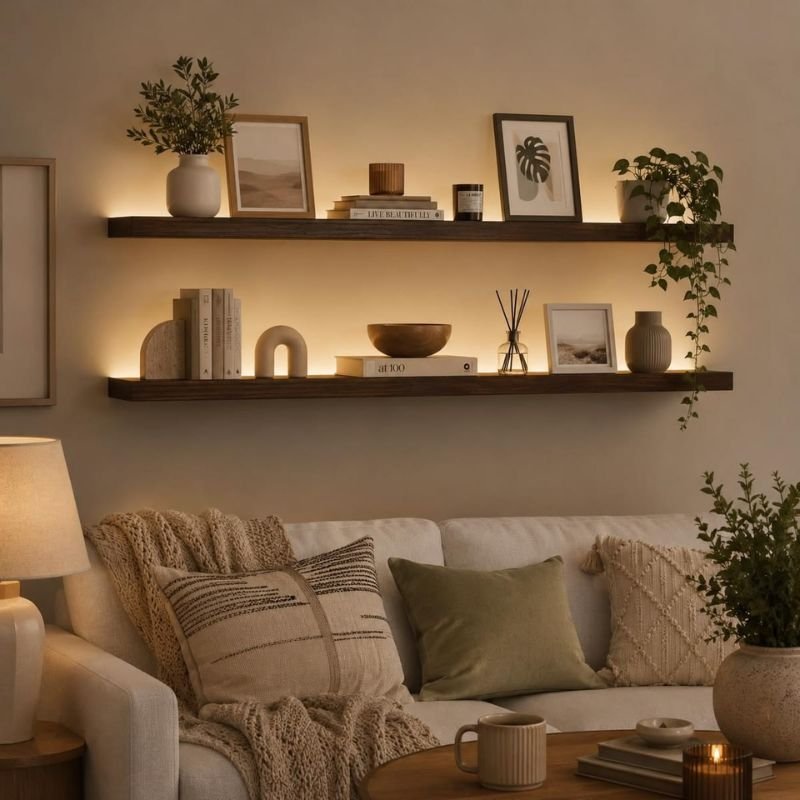
In the living room, wall shelves often showcase books, framed art, and travel souvenirs. This style works particularly well here, since they keep the space looking open while still offering plenty of display room. You can also use them to flank a TV, creating a balanced, gallery like arrangement.
Bedroom
Bedroom wall shelves provide a practical spot for books, alarm clocks, or small plants without cluttering your nightstand. Because bedrooms tend to be more intimate spaces, softer materials like wood or rattan often suit the mood better than metal or glass. Additionally, floating shelves above a headboard create a stylish, functional focal point.
Kitchen
In the kitchen, open wall shelves offer easy access to dishes, spices, and cookbooks. Because kitchens deal with grease and moisture, metal or sealed wood shelves tend to hold up better over time. They also let you display colorful dishware, adding personality to an otherwise utilitarian space.
Home Office
A home office benefits greatly from wall shelves, since they keep desks clutter free while storing files, books, and supplies within reach. Cube style shelving works especially well here, as their compartments help you organize items by category. Moreover, adding a few personal touches, like framed photos or plants, makes the workspace feel more inviting.
Buying Guide: What to Look For
When shopping for wall shelves, start by considering the weight capacity you need. If you plan to display heavy books or decorative objects, choose shelves rated for higher loads, and always check the manufacturer’s specifications. Next, think about the size and depth of the shelf, since deeper shelves accommodate larger items but may look bulky in smaller rooms.
Material matters too, so choose a style that matches both your décor style and your room’s function. For example, a bathroom benefits from moisture resistant materials, while a living room allows more flexibility. Additionally, consider the mounting hardware included with the shelf, since some brands provide everything you need, while others require separate anchors or brackets.
Finally, read customer reviews before purchasing, since real feedback often reveals how well a shelf performs over time. By comparing price, material, and weight capacity, you can find wall shelves that balance style, function, and durability.
Conclusion
Wall shelves offer a simple yet powerful way to add storage, style, and personality to any room in your home. From floating designs in the living room to sturdy cube shelves in the home office, there’s a wall shelf style suited to every space and need. By choosing the right materials, following proper installation steps, and styling thoughtfully, you can turn plain walls into functional, eye catching displays.
As you plan your next home update, consider how wall shelves can help you maximize space while showcasing what matters most to you. With so many styles, materials, and layouts available, you’re sure to find a style that fits both your budget and your vision for a beautifully organized home.
FAQs
1. What are the best wall shelves for small spaces?
Floating and corner-style wall shelves work best for small spaces since they take up minimal room while still offering storage.
2. How much weight can wall shelves hold?
Weight capacity varies by material and brackets, but most shelving units hold between 10 and 50 pounds
when properly installed into wall studs.
3. Where should I install wall shelves in a living room?
Wall shelves look best in a living room when installed above a sofa, beside a TV, or across an empty accent wall.
4. What is the easiest way to hang wall shelves without drilling?
Ladder style wall shelves offer the easiest solution, since they lean against the wall and require no drilling at all.
5. Are wooden or metal wall shelves better for kitchens?
Metal wall shelves generally perform better in kitchens, since they resist moisture and grease more effectively than untreated wood.